Best Men's Razor: Cartridge vs Safety Razor Guide
Disclosure: We may earn a commission when you buy through links on this page, at no extra cost to you. As an Amazon Associate I earn from qualifying purchases. Learn more
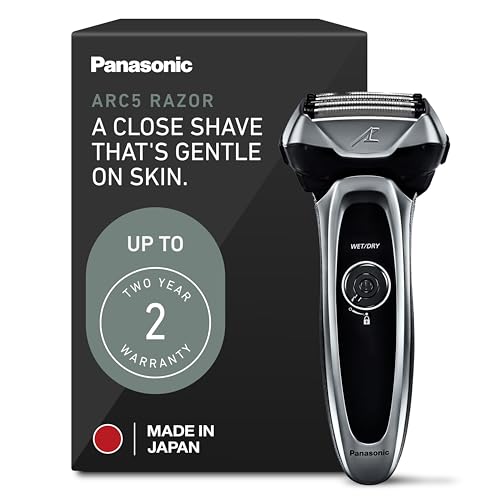
This guide is about blade razors, the kind that use a cartridge, a disposable head, or a double-edge blade, not electric shavers. If you are trying to decide between a corded or cordless electric shaver instead, our electric shaver buying guide covers that comparison separately. Finding the best men's razor for your face usually comes down to three things: which category fits your skin and hair, how much ongoing cost you are willing to accept, and how much of a learning curve you want to take on. This guide walks through all three so you can pick a razor you will actually stick with.



Cartridge, Disposable, or Safety Razor: Choosing the Right Category
Before you look at any spec, the type of razor you choose matters more than any individual feature. The best men's razor for you is rarely the one with the most blades or the flashiest handle. Each category shaves differently, costs differently over time, and treats sensitive skin differently.
Cartridge (multi-blade) razors
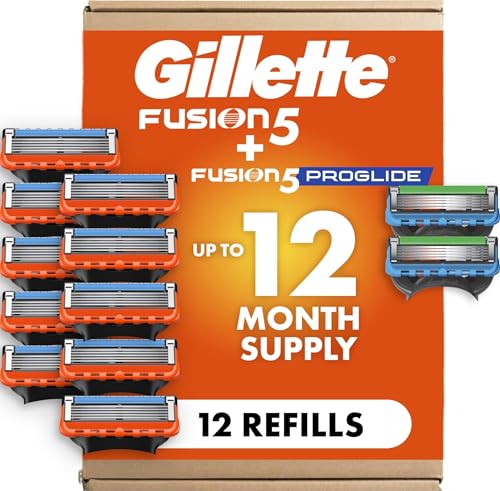
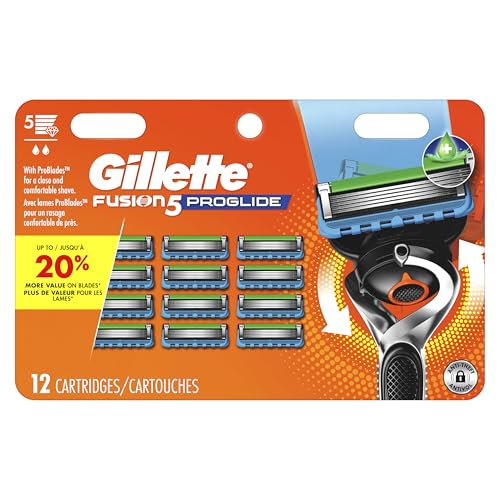
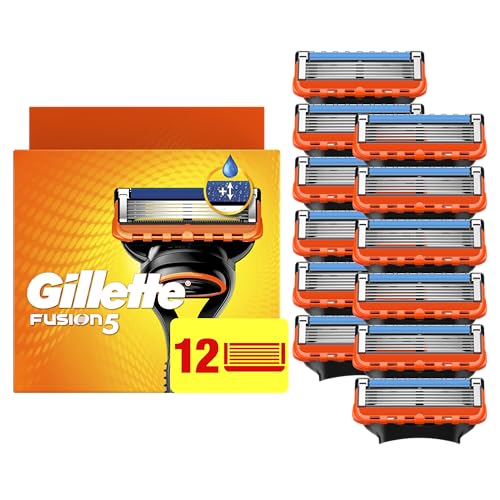
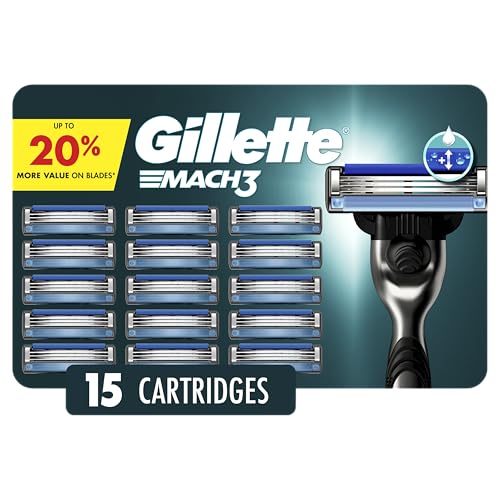
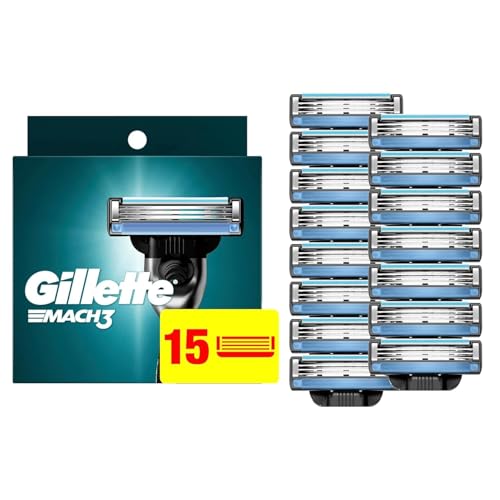
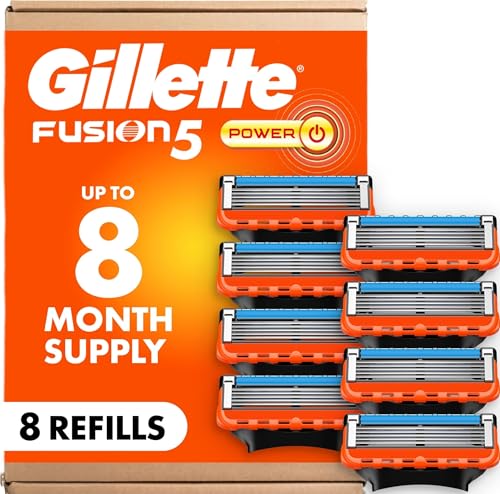
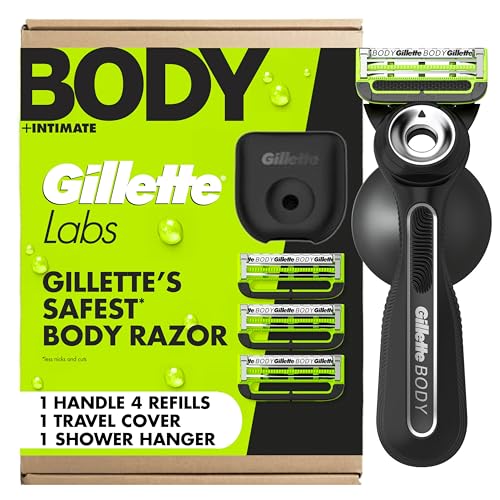
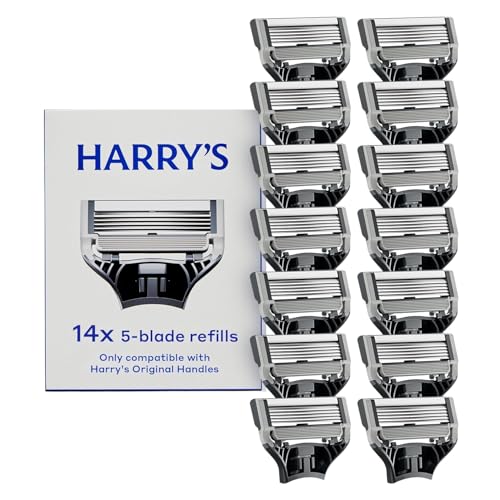
Cartridge razors are the familiar drugstore option: a disposable multi-blade head that snaps onto a reusable handle. Most modern cartridges have a pivoting head that follows the contours of your jaw and neck, which makes them forgiving and easy to use with almost no learning curve. The tradeoff is that each blade pass involves more contact with your skin, and cartridge heads dull faster than people expect, which is a common source of irritation later in this guide.
Disposable razors
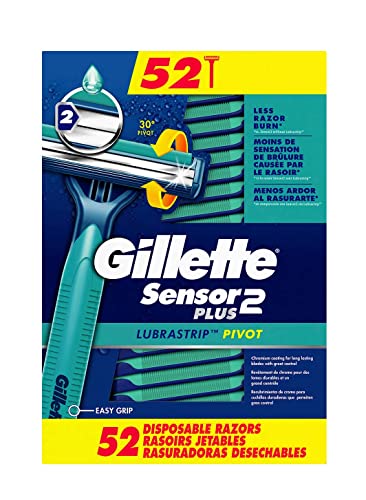
Disposable razors combine the handle and blade head into one throwaway unit. They are cheap to buy in bulk and convenient for travel or a gym bag, but the blade quality is usually lower than a refillable cartridge system, so they dull faster and are best treated as a backup option rather than a daily driver.
Double-edge safety razors
A double-edge safety razor uses a single, replaceable metal blade held between two plates, with only a small amount of the edge exposed. It requires more attention to angle and pressure than a cartridge, but that single clean cut per pass is why many shavers who struggle with razor burn eventually switch to one. It also tends to be the cheapest option per shave once you own the handle, which we break down further below.
Blade Count, Skin Sensitivity, and the Ingrown Hair Problem
Razor burn and ingrown hairs are the most common complaints that push people to research a new razor in the first place, and blade count plays a bigger role in that than most shoppers expect.
Why more blades don't always mean a better shave
Adding blades to a cartridge is meant to reduce the number of passes needed for a close shave, but each extra blade also means more repeated contact against the same strip of skin in a single stroke. Once a cartridge blade picks up microscopic wear after a few uses, that repeated contact turns from a clean cut into more of a tugging motion, which is exactly the friction that causes redness and bumps. This is why a heavily used 5-blade cartridge can end up irritating skin worse than a fresh 2-blade one.
Matching blade count to your skin and hair type
If you deal with frequent razor burn or ingrown hairs, especially on the neck, a razor with fewer blades and a single clean cutting path tends to be gentler, which is the main reason double edge safety razor options keep coming up in sensitive-skin discussions. If your hair grows relatively straight and you rarely have irritation, a mid-range cartridge with three to five blades is usually a fine balance between closeness and comfort. Curly or coarse facial hair is more prone to ingrown hairs regardless of razor type, since a hair cut at an angle below the skin's surface can curl back and re-enter it, so shaving with light pressure and a sharp blade matters as much as the razor category itself.
What Shaving Really Costs Over a Year
The sticker price of a razor handle tells you almost nothing about what you will actually spend to keep shaving with it, and this is where the three categories diverge the most.
Cartridge refills are the most expensive ongoing cost by a wide margin, often running well into double digits per pack once you add up a year of replacements, and premium multi-blade cartridges push that even higher. Disposable razors look cheap individually, but because the blade quality is lower, you go through them faster, which narrows the gap with cartridges more than people expect. A double edge safety razor has the highest upfront cost for the handle itself, but individual blades are inexpensive enough that a box lasting months typically costs less than a single cartridge refill pack, which is why the long-term cost curve favors safety razors once you get past the first year.
If budget is the deciding factor, think in terms of cost per shave rather than cost per pack. A slightly pricier handle that uses cheap replaceable blades will almost always beat a subscription-style cartridge system once you look past the first few months.
Learning to Use a Safety Razor Without Nicking Yourself Up
The biggest hesitation people have about switching away from a cartridge razor is the fear of cutting themselves, and it is a fair concern, but it is also very manageable with the right starting point.
Start with a mild, forgiving blade weight
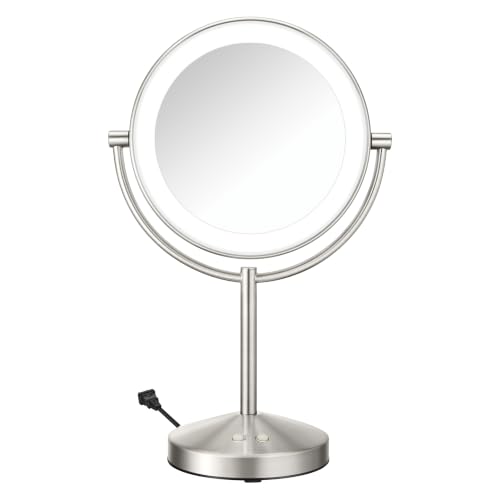
Safety razors vary in how aggressive they are, based on how much of the blade edge is exposed and the angle it sits at. A mild, forgiving option is far more tolerant of imperfect angle and pressure than an aggressive one, which punishes small mistakes with nicks. Every guide aimed at first-time buyers points to the same advice: start mild, and only move to something more aggressive once your technique is consistent. Good lighting also makes a real difference while you are still learning the correct angle, and something like a well-lit bathroom mirror makes it much easier to see missed patches and judge blade angle than a dim overhead light.
What to expect in the first few weeks
Expect a short adjustment period, generally a few shaves before the motion starts to feel natural, and a few weeks before nicks become rare. Keep the pressure light, let the blade's own weight do the work instead of pressing down, and use short, controlled strokes rather than long ones. A styptic pencil handles the occasional small nick easily, and most people find that once the angle and pressure become second nature, they get fewer cuts with a safety razor than they used to get from a dull cartridge.
Frequently Asked Questions
Is a safety razor better than a cartridge razor?
It depends on your priorities. Safety razors tend to be gentler on sensitive skin and cheaper over time, while cartridge razors are more convenient and require no learning curve. Neither is objectively better for everyone.
How many blades should a razor have for sensitive skin?
Fewer blades generally mean less repeated contact with your skin, which is why single-blade safety razors and lower-blade-count cartridges are usually recommended for sensitive or irritation-prone skin.
Are safety razors actually cheaper than cartridge razors?
Yes, over time. The handle costs more upfront, but replacement blades are inexpensive enough that the yearly cost usually ends up well below cartridge refills.
How long does it take to learn to use a safety razor?
Most people get comfortable with the basic angle and pressure within a few shaves, with nicks becoming rare after two to three weeks of regular use.
Do disposable razors cause more ingrown hairs?
They can, mainly because the blades dull faster than a quality cartridge or safety razor blade, which increases the tugging and repeated passes that lead to ingrown hairs.
How often should you replace a cartridge or blade?
Cartridges typically need replacing every one to two weeks with regular use, while safety razor blades usually last three to five shaves depending on your hair thickness and how many passes you make.
Finding Your Best Shave
There is no single razor type that works best for every face. If convenience matters most and your skin tolerates cartridges well, stick with a quality multi-blade option. If irritation, ingrown hairs, or ongoing cost are bothering you, a double-edge safety razor is worth the short learning curve. The best men's razor is simply the one that leaves your skin comfortable shave after shave, so pay attention to how your skin responds over a few weeks, since that feedback matters more than any spec on the package.