
Best Electric Toothbrush: The Complete Buying Guide
Disclosure: We may earn a commission when you buy through links on this page, at no extra cost to you. As an Amazon Associate I earn from qualifying purchases. Learn more
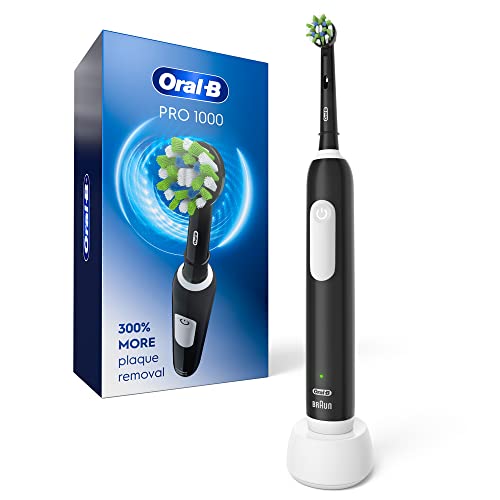
Most people brush their teeth for less than a minute, apply uneven pressure, and miss the same spots every single day without realizing it. An electric toothbrush fixes those habits automatically, which is why dentists so often point patients toward one. Finding the best electric toothbrush for your mouth, though, means looking past flashy marketing and focusing on the handful of features that actually change how well you clean your teeth. In this guide, you'll learn how brushing technology, intensity settings, pressure sensors, battery life, and replacement heads all factor into the decision, plus how to choose well if you have sensitive teeth or braces.
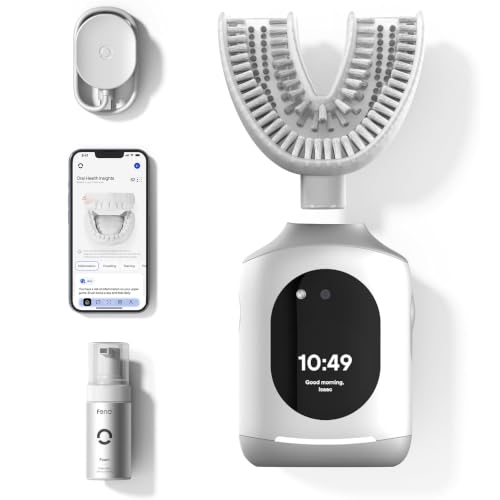
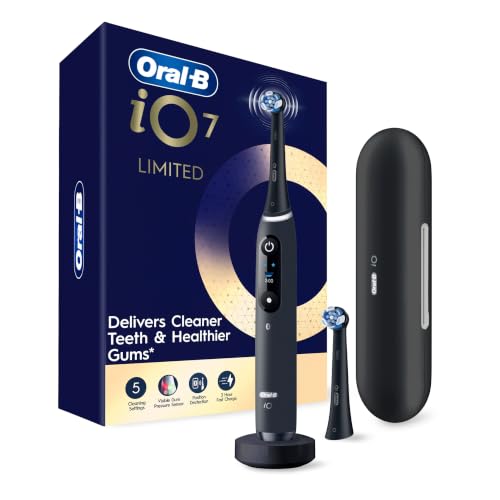

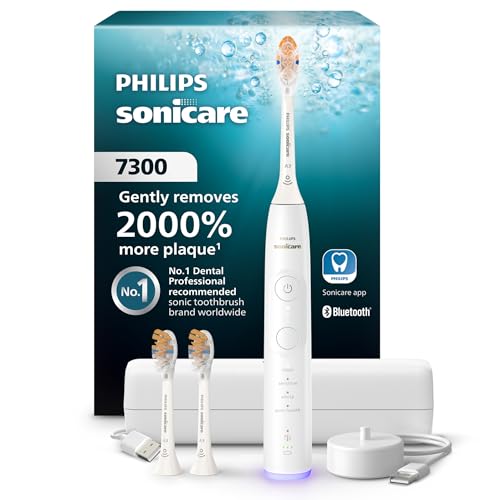
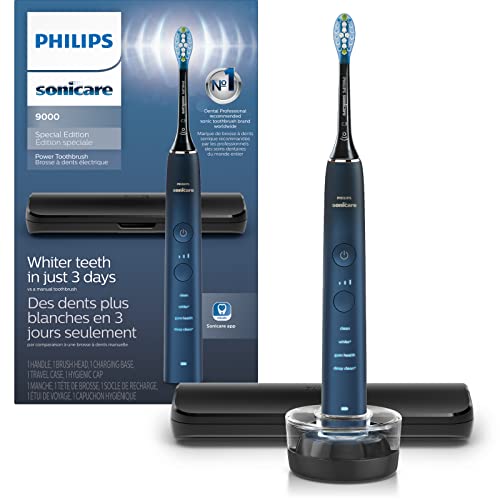
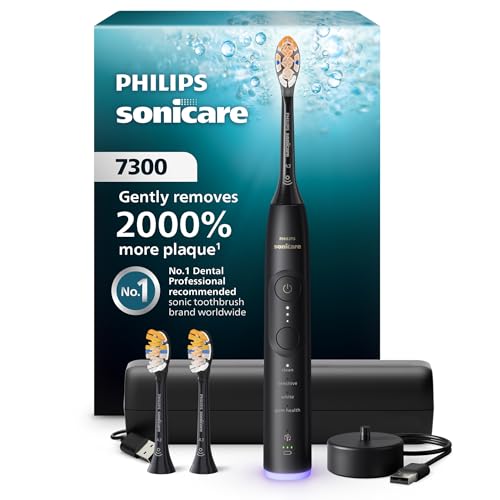
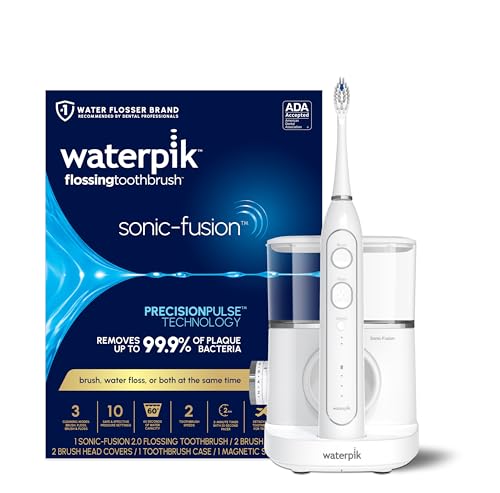
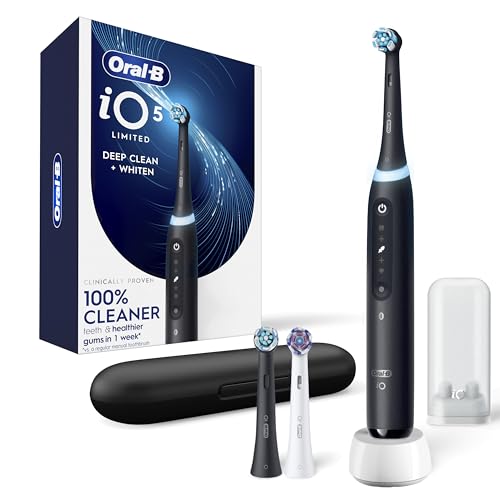
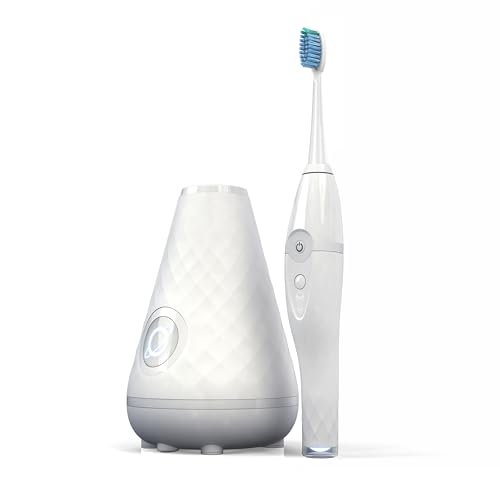
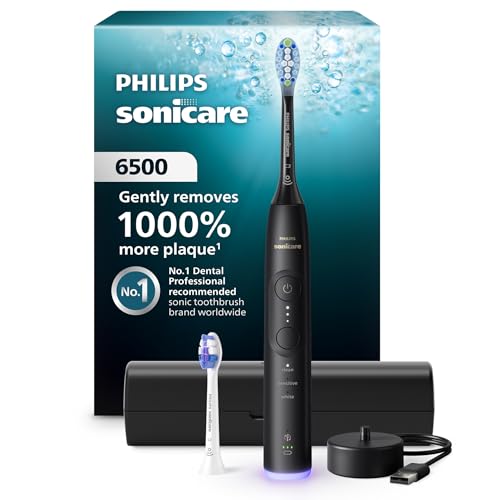
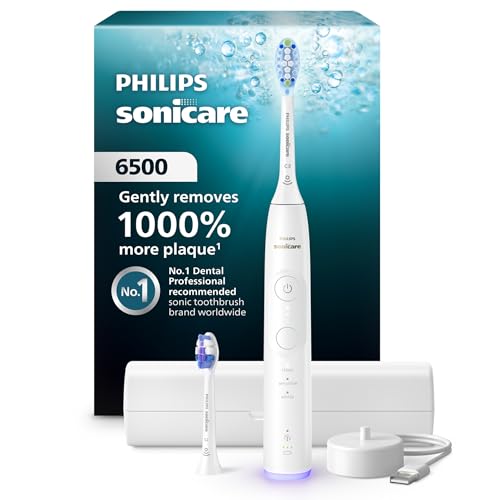
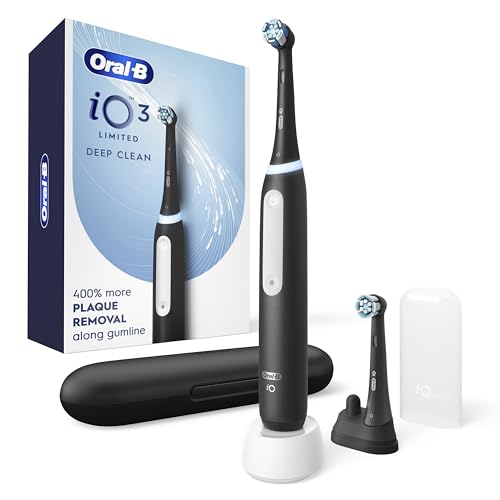
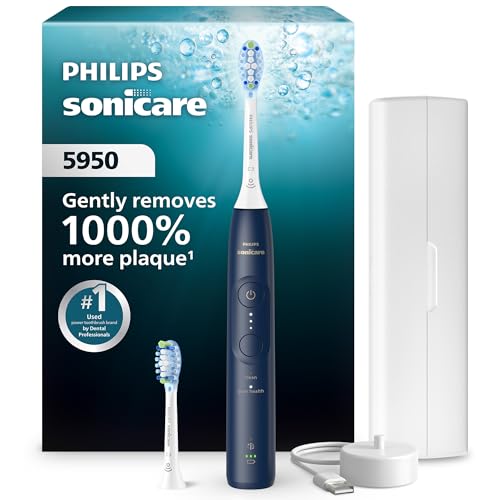
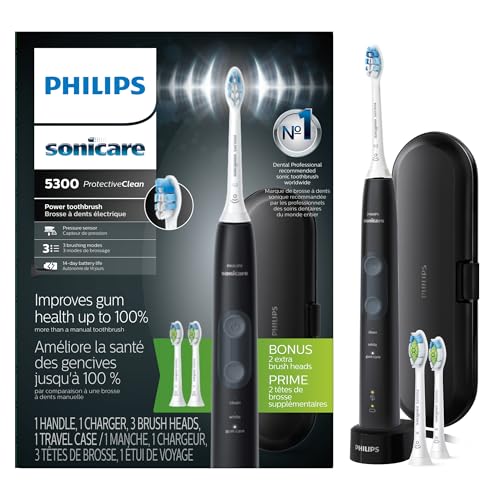
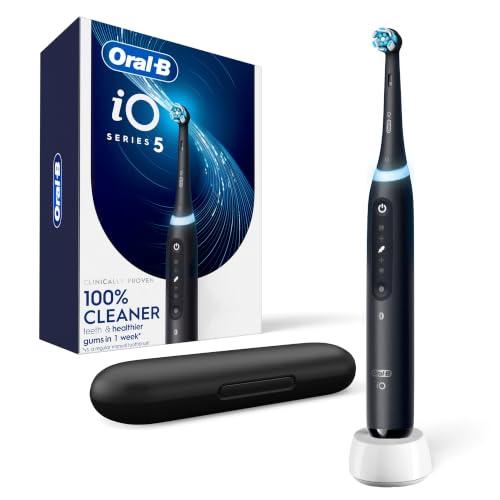
What to Look for in the Best Electric Toothbrush
Every model on the market is built around a handful of core features. Understanding what each one actually does helps you avoid paying extra for gimmicks and focus your budget on what actually separates the best electric toothbrush for your needs from an average one.
Brushing Technology: Oscillating-Rotating vs. Sonic
Electric toothbrushes generally fall into two camps. Oscillating-rotating brushes use a small, round head that spins back and forth to physically scrub plaque off each tooth, one at a time. Sonic brushes use a wider, vibrating head that moves at very high speed, driving fluid and bristle tips between teeth and along the gumline. Research hasn't crowned a clear winner between the two, so the better choice usually comes down to comfort. If your gums are tender or you find strong vibration irritating, a sonic brush tends to feel gentler, while an oscillating brush can feel more thorough on individual teeth. For a closer look at how two popular oscillating-rotation models stack up feature by feature, including intensity settings and pressure sensors, our head-to-head comparison of two well-known toothbrush models is a useful next read.
Adjustable Intensity Settings and Brushing Modes
Not everyone needs the same amount of power every day. Multiple intensity levels let you dial things back if your gums feel sensitive one morning, or switch to a dedicated whitening or gum-care mode when you want it. Look for at least two or three settings rather than a single fixed speed, since a brush that only runs at full intensity can be uncomfortable for anyone with thinner enamel or receding gums.
A Built-In Pressure Sensor
Pressing too hard is one of the most common brushing mistakes, and it wears down enamel and irritates gums over time without you noticing in the moment. A pressure sensor detects excess force and gives you a visual or vibrating alert to ease up. This single feature is worth prioritizing if you already know you brush aggressively, and it's one of the clearest signs you're looking at the best electric toothbrush for the job rather than a bargain-bin model with no feedback at all.
Battery Life and Charging Time
Most rechargeable electric toothbrushes run for one to two weeks on a full charge, though higher-end models can stretch well beyond that. If you travel frequently or simply don't want to pack a charger for every trip, prioritize a model with a longer charge cycle. A compact option with dependable battery life is also worth checking out if you want something built for life on the road, and our roundup of travel-friendly toothbrush picks covers that use case specifically. Separately, keep in mind that the handle and battery typically last three to five years before they need replacing, even with regular use.
Replacement Brush Head Availability and Cost
Dentists recommend swapping the brush head every three to four months, or sooner if the bristles look frayed. Before buying, check that replacement heads are widely available and reasonably priced, since this is an ongoing cost you'll pay for as long as you own the toothbrush. If you're shopping for a young child rather than yourself, head size and bristle softness matter even more than power, and a dedicated guide to toothbrushes built for kids can help you match the right size to their age.
Why a 2-Minute Timer and Quadrant Pacer Matter
Two minutes is the amount of time dental professionals agree is needed to clean your teeth thoroughly without overdoing it. Left to their own devices, most people stop brushing well before that mark, especially with a manual toothbrush. A built-in timer solves this by running for exactly two minutes and then shutting off or pulsing to let you know you're done. Many models go a step further with a quadrant pacer, which gently buzzes every 30 seconds to prompt you to move to a new section of your mouth. That structure keeps you from spending most of your time on your front teeth while neglecting your molars, something that's easy to do without realizing it.
Finding the Best Electric Toothbrush for Sensitive Teeth or Braces
Not every brush suits every mouth, and two groups in particular benefit from paying closer attention to the details above.
What to Look for If You Have Sensitive Teeth
People with sensitive teeth tend to press harder while brushing, often without meaning to, which makes a pressure sensor especially valuable. Pair that with a lower intensity setting and soft bristles, and you'll get a cleaning routine that doesn't leave your gums aching afterward. Sonic technology is also worth considering here, since its gentler vibration is often easier on exposed dentin than an oscillating head.
What to Look for If You Wear Braces
Brackets and wires create extra nooks where plaque builds up, so a brush with a dedicated orthodontic mode or a smaller head that can maneuver around hardware is genuinely useful. A soft bristle setting protects both the enamel and the brackets themselves, and a timer with a quadrant pacer helps ensure you're not rushing past harder-to-reach areas around each bracket.
Common Mistakes to Avoid When Brushing
Even the best electric toothbrush can't make up for poor technique on its own, so a few habits are worth watching for. Avoid pressing the brush head hard against your teeth, since the bristles alone do the work and extra force just wears down enamel. Don't scrub in a back-and-forth motion the way you might with a manual toothbrush, since electric heads are already doing that motion for you. Skipping the tongue and gumline is another common oversight, as is holding off on replacing the brush head long after the bristles have splayed out. Finally, resist the urge to stop as soon as the timer buzzes at the two-minute mark if you still feel plaque on your teeth; the timer is a guideline, not a hard cutoff.
Frequently Asked Questions
Is a sonic or oscillating electric toothbrush better?
Neither type has been shown to be clearly superior for plaque removal. Sonic brushes tend to feel gentler and are often preferred by people with sensitive gums, while oscillating brushes can feel more thorough on individual teeth. In practice, the best electric toothbrush is whichever one you'll actually use consistently.
How often should I replace my electric toothbrush head?
Replace the brush head every three to four months, or sooner if you notice the bristles fraying or splaying outward. A worn head cleans far less effectively even if the handle itself is working perfectly.
How long does an electric toothbrush battery last on a single charge?
Most models run for one to two weeks per charge, with some higher-end options lasting even longer. The rechargeable battery inside the handle typically needs replacing after three to five years of regular use.
Can I use an electric toothbrush if I have braces?
Yes, and many people find it easier to clean around brackets and wires with one. Look for a model with a soft bristle setting or an orthodontic mode, and take care to move slowly around each bracket rather than relying on speed alone.
Do pressure sensors really help protect my teeth and gums?
They do. People with sensitive teeth often press harder than they realize, and a pressure sensor gives immediate feedback so you can ease off before it causes irritation or enamel wear over time.
Why does the 2-minute timer matter so much?
Two minutes is the amount of time needed to clean all tooth surfaces properly, and most people stop well before that without a prompt. A built-in timer, especially one with a quadrant pacer, keeps your brushing time even and thorough across your whole mouth.
Final Thoughts
The best electric toothbrush for you comes down to a short list of features that matter more than brand name or price tag: a brushing technology that feels comfortable, adjustable intensity, a pressure sensor, dependable battery life, and easy access to replacement heads. Pay extra attention to those basics if you have sensitive teeth or braces, since the right settings can make brushing noticeably more comfortable. Get those fundamentals right, and you'll end up with a toothbrush you actually enjoy using twice a day.