Best Weight Loss Dog Food (2026 Buying Guide)
Disclosure: We may earn a commission when you buy through links on this page, at no extra cost to you. As an Amazon Associate I earn from qualifying purchases. Learn more
Extra weight on a dog is not a cosmetic issue. Carrying excess pounds puts real strain on joints, raises the risk of diabetes and heart problems, and shortens a dog''s expected lifespan by years in some studies. Cutting back on regular food often just leaves a dog hungry and begging more, which is why a purpose-built weight loss formula tends to work better than simply shrinking portions of a regular diet.
The right formula balances lower calorie density with enough protein and fiber to keep a dog satisfied between meals, while still meeting full nutritional needs. This guide covers what actually matters when picking one, plus a few standout picks worth a closer look.

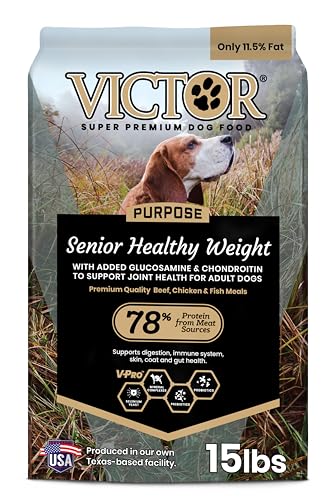
Calorie Density and Fat Content
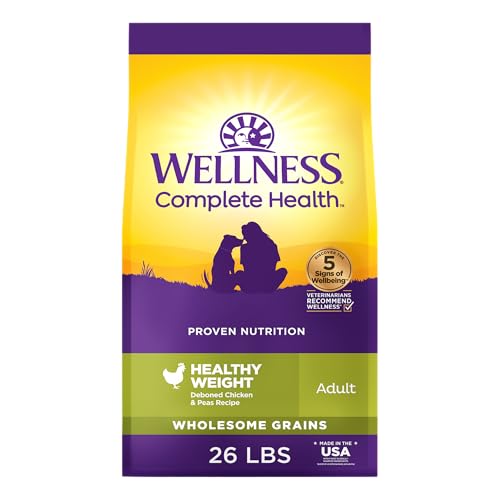
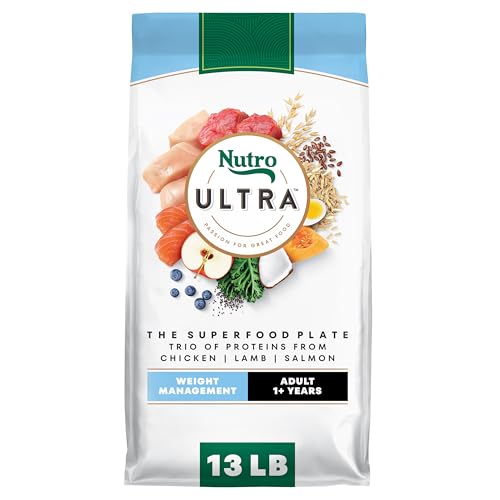
Weight management formulas cut calories primarily by reducing fat content, since fat carries roughly twice the calories per gram of protein or carbohydrate. Check the calorie count per cup rather than relying on the "weight management" label alone, since the actual calorie reduction varies meaningfully between brands and some differ only slightly from a standard adult formula.
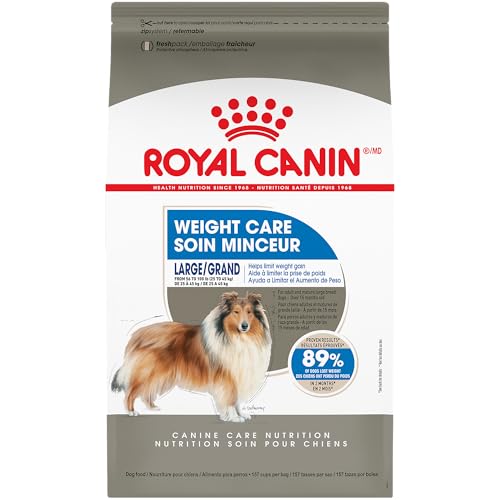
ROYAL CANIN Canine Care Nutrition Weight Care is formulated with veterinary nutritionist input specifically around calorie control and satiety for dogs prone to weight gain. Royal Canin has built its entire brand identity around precise, science-backed formulas rather than general-purpose pet food, which tends to matter when the goal is measurable, gradual weight loss rather than a vague "healthier" label.
Protein-to-Calorie Ratio and L-Carnitine
A higher protein-to-calorie ratio helps preserve lean muscle mass while a dog loses fat, which matters since muscle loss alongside fat loss can actually slow metabolism over time. Many weight management formulas add L-carnitine, an amino acid compound that supports the body''s process of converting fat into usable energy, giving a modest additional assist to the calorie deficit already built into the formula.
Fiber Content for Satiety
Added fiber increases a food''s bulk without adding many calories, helping a dog feel fuller on a smaller portion, which is often the difference between a diet that sticks and one that leaves a dog begging constantly. Common fiber sources include beet pulp, pea fiber, and cellulose; the specific source matters less than the overall fiber percentage listed on the guaranteed analysis panel.
Life Stage and Breed Size Formulas
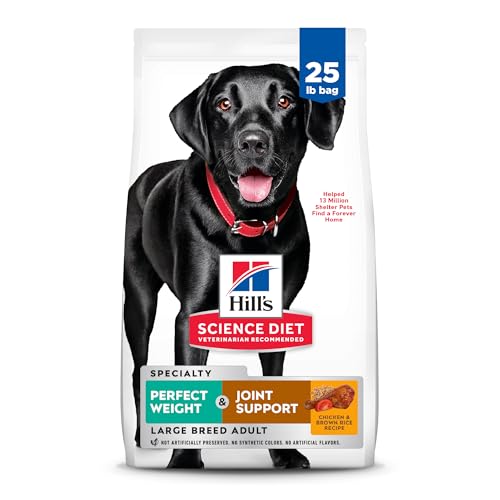
Weight management needs differ meaningfully between a small senior dog and a large-breed adult, since large breeds carry additional joint stress from excess weight and often benefit from formulas that also support joint health alongside weight control. Check that the specific formula matches your dog''s life stage and size category rather than assuming one general weight management formula fits every dog equally well.
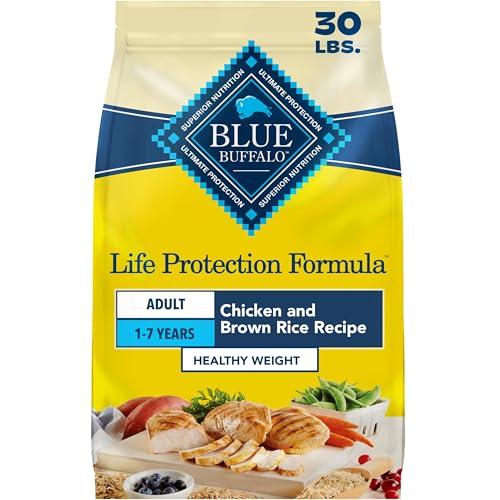
Blue Buffalo Life Protection Formula Healthy Weight uses real deboned chicken as its first ingredient alongside a reduced-fat recipe, and it''s one of the most reviewed weight management foods on the market, which speaks to how widely it''s been tried across different dogs and households. Blue Buffalo has built its reputation around whole-ingredient recipes with no chicken by-product meal, corn, wheat, or soy, appealing to owners who want a recognizable ingredient list alongside the weight control benefit.
Grain-Inclusive vs. Grain-Free Considerations
Grain-free formulas were once assumed to be a healthier default, but veterinary research has since raised concerns linking some grain-free diets to a heart condition called dilated cardiomyopathy in certain dogs. Most current veterinary guidance favors grain-inclusive weight management formulas from established, research-backed brands unless a dog has a diagnosed grain allergy specifically.
Feeding Guidelines and Portion Control
Even the best weight management formula fails if portions aren''t measured accurately, since "eyeballing" a scoop consistently overestimates or underestimates actual intake. Use a proper measuring cup, follow the feeding chart based on your dog''s target weight rather than current weight, and recheck the guidelines periodically as weight changes over the course of the diet.
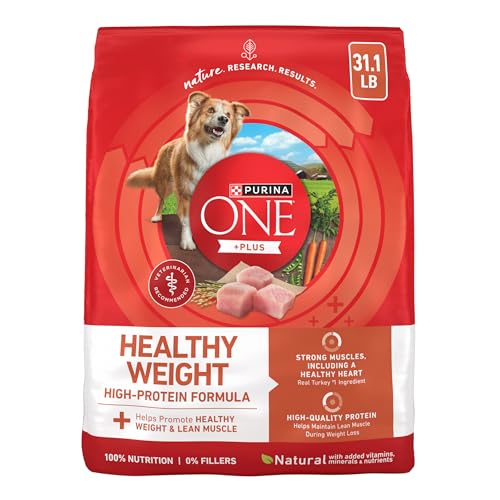
Purina ONE Plus Healthy Weight High-Protein Formula keeps protein high while trimming fat, aiming to satisfy a dog''s appetite without the higher price tag of some premium weight management lines. Purina''s scale and long manufacturing history tend to translate into consistent batch quality and wide availability, a practical consideration for a food you''ll be buying regularly over months of weight management.
Prescription vs. Over-the-Counter Weight Management
Dogs with significant obesity or underlying medical conditions sometimes need a prescription-strength weight management formula available only through a veterinarian, which typically restricts calories more aggressively than over-the-counter options. For moderate weight concerns, a quality OTC weight management formula combined with portion control and exercise is usually sufficient; a vet visit helps determine which category actually fits your dog''s situation.
Treats and Transition Tips
Treats can undo a surprising amount of dietary calorie control if given freely, since many popular treats carry more calories per piece than dog owners expect relative to a dog''s daily needs. When transitioning to a new weight management formula, mix it gradually with the old food over 7 to 10 days to avoid digestive upset, and factor any treats into the overall daily calorie budget rather than treating them as separate from the diet.
FAQs
How long does it typically take a dog to lose weight on a weight management food?
Safe, sustainable weight loss in dogs generally targets around 1 to 2 percent of body weight per week, meaning a meaningful weight loss journey often takes several months rather than weeks. Rapid weight loss can be unsafe for dogs just as it can for people, so steady, gradual progress is the goal.
Should I consult a vet before switching to a weight loss formula?
Yes, especially if your dog has any existing health conditions, since a vet can confirm there''s no underlying medical cause for the weight gain and recommend a target weight and calorie budget specific to your dog''s breed, age, and activity level.
Is wet or dry weight management food better?
Both can work well; wet food tends to have higher moisture and lower calorie density per volume, which some dogs find more satisfying, while dry food is often more affordable per calorie and easier to portion precisely with a measuring cup. The better choice usually comes down to your dog''s preference and your budget.
Can exercise alone help without changing the food?
Exercise supports weight loss but rarely resolves significant excess weight on its own, since it''s much easier to overconsume calories through food than to burn them off through activity. Combining a calorie-appropriate diet with regular exercise produces far more reliable results than relying on either one alone.
Conclusion
For most overweight dogs, a well-reviewed grain-inclusive weight management formula with a clear calorie reduction and added L-carnitine covers the basics well. Consider a large-breed or joint-support formula specifically if your dog carries significant size or existing joint strain, and involve your vet if the weight gain is severe or your dog has other health conditions.