Best Wall Mounted Coat Rack: Buying Guide
Disclosure: We may earn a commission when you buy through links on this page, at no extra cost to you. As an Amazon Associate I earn from qualifying purchases. Learn more
An entryway without proper hooks tends to accumulate a pile of coats on chairs, doorknobs, and the floor within a week of moving in, no matter how organized the rest of a home is. A wall mounted coat rack solves this permanently, and unlike a freestanding coat tree, it takes up zero floor space, which matters enormously in small apartments, narrow hallways, and entryways where every square foot of floor is already spoken for.
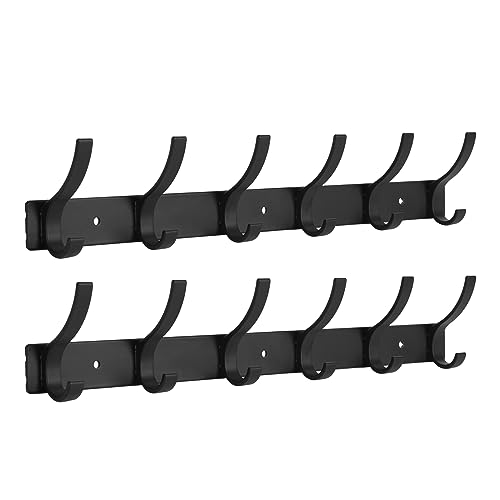
This guide covers what actually matters when choosing a wall mounted coat rack, including weight capacity, mounting method, and hook spacing, and highlights a few standout picks across minimalist, heavy duty, and no-drill styles.

Weight Capacity and Why It Matters More Than You Think
Listed weight capacity on a coat rack usually refers to the total load the mounting hardware can bear, not what a single hook can hold before it looks overloaded. A rack rated for fifty pounds total, divided across five hooks, still means each hook is only really intended for a light jacket rather than a heavy winter coat plus a bag plus a scarf all stacked on one peg. For households that tend to layer several items onto a single hook, particularly during winter with heavier coats, sizing up to a rack with a genuinely higher rated capacity, or simply using more hooks and distributing the load, prevents the slow pull-away from the wall that eventually damages both the rack and the wall itself.
Mounting Method: Screws vs Adhesive
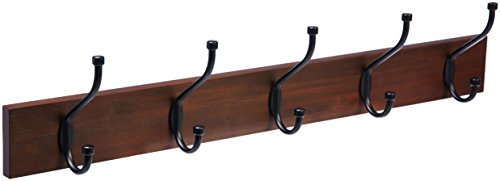
Most quality coat racks mount with screws directly into wall studs or drywall anchors, which provides genuinely secure, long term holding power appropriate for daily heavy use. This is the right choice for a primary entryway that sees coats, bags, and umbrellas hung and removed multiple times a day.

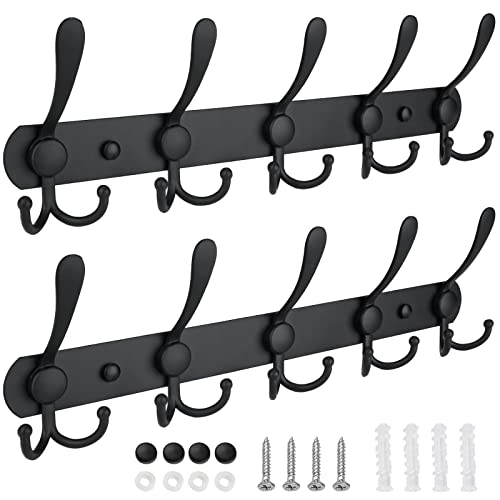
The Dseap Coat Rack with Tri Hooks represents this screw mounted category well, using a heavy duty steel construction with five tri-style hooks, each offering three separate hanging points to maximize how much a single hook position can hold without items sliding off or bunching together. This style of rack is genuinely built for daily household traffic rather than occasional or decorative use, and the tri-hook design in particular helps when multiple family members share the same entryway.
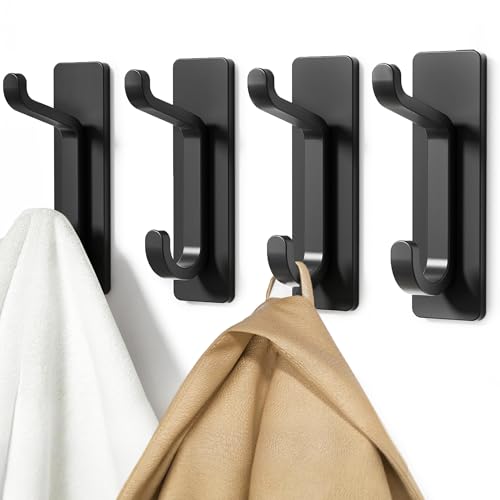
Adhesive mounted racks, by contrast, use industrial strength mounting strips or hooks rather than screws, which is the right call for renters who cannot drill into walls, or for anyone who wants to reposition or remove the rack later without leaving holes. Modern adhesive hooks have improved considerably and can genuinely hold several pounds when installed correctly, though they generally are not rated for the same total capacity as a screw mounted rack and perform best on smooth, clean wall surfaces rather than textured plaster or fresh paint that has not fully cured.
Hook Spacing and Household Size
A rack with hooks spaced too closely together causes coats to bunch and overlap, making it harder to grab a specific jacket without disturbing the others, while hooks spaced generously apart make each item easy to access independently but require more total wall width. For a household of four or more people who all use the same entryway, a wider rack with hooks spaced at least four to five inches apart, or a rack with a genuinely higher hook count, prevents the daily friction of digging through a pile of overlapping coats.

For renters or anyone who wants to avoid drilling entirely, the pickpiff Adhesive Wall Hooks use a strong industrial adhesive backing rather than screws, and individually sized hooks like these are genuinely useful for supplementing an existing rack, adding hanging space in a closet, or covering a spot where a full sized rack would be overkill. Because each hook mounts independently, this style also offers more flexibility in exact placement than a fixed multi-hook rack, at the cost of a somewhat lower weight capacity per hook than screw mounted hardware.
Material and Style Considerations
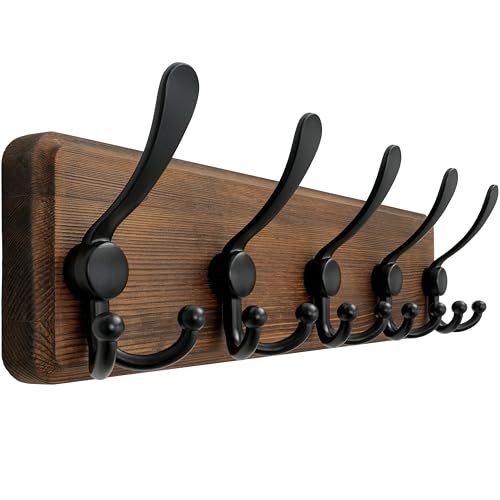
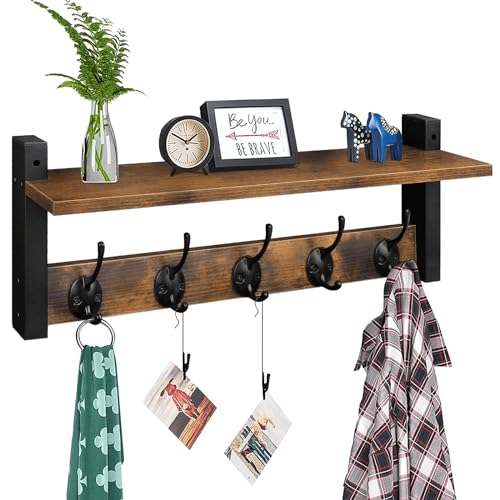
Solid wood racks bring warmth and a more traditional look to an entryway and tend to be genuinely durable, though they are usually rated for somewhat lower total weight than steel equivalents and can show wear at the mounting points over many years of heavy use. Metal racks, particularly powder coated steel, offer the highest weight capacity and a more modern or industrial look, and hold up better in high humidity entryways like those near a mudroom or garage door where wood can eventually warp.
Modern Minimalist Rail Style Racks
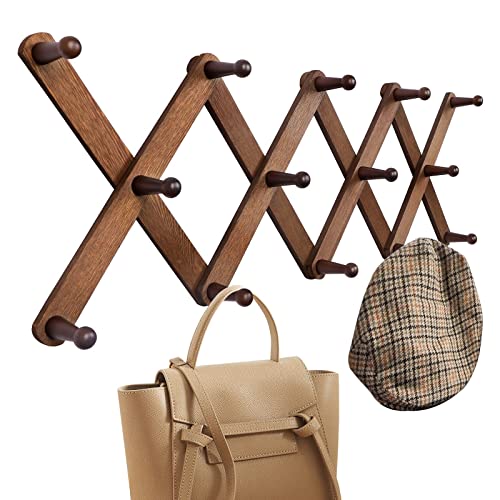
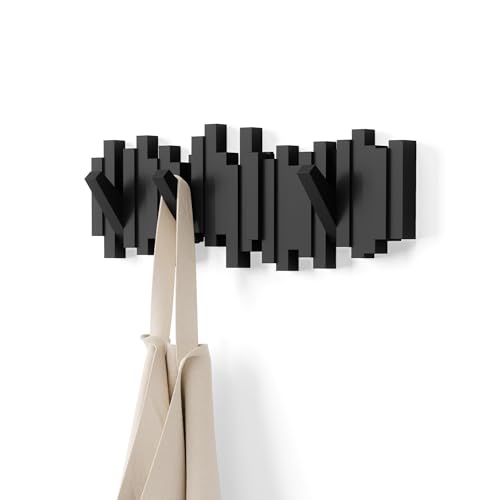
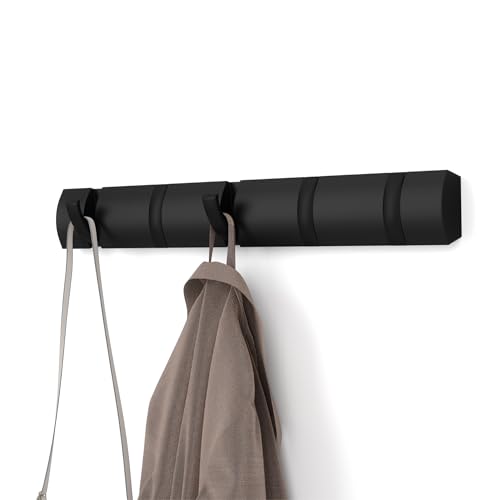
A newer style of coat rack uses a single mounting rail with individually removable or repositionable hook pegs, rather than a fixed set of hooks bolted at set positions. This format genuinely shines in smaller entryways or minimalist interiors, since it presents a cleaner visual line when only a few hooks are in use, and lets you add or reposition pegs later as your household's needs change without buying an entirely new rack.

The Umbra Sticks Wall Mounted Coat Rack is a well known example of this rail and peg approach, pairing a slim mounting rail with individually removable hook pegs in a design that reads as considerably more modern than a traditional fixed hook rack. Because the pegs are removable and repositionable along the rail, this style adapts well as a household's coat storage needs change over time, without requiring new wall holes for each adjustment.
Installation Height and Placement
A commonly recommended mounting height for adult use is roughly sixty to sixty six inches from the floor to the top of the rack, which keeps coats from dragging on the ground while still being comfortably reachable. In households with younger children who need to hang their own coats, a second, lower rack mounted around forty to forty five inches high genuinely encourages independent use rather than coats ending up on the floor because the main rack is out of reach.
Frequently Asked Questions
Will an adhesive coat rack actually hold a heavy winter coat?
Quality industrial adhesive hooks can typically hold several pounds per hook when installed correctly on a clean, smooth surface, which covers most single coats. For consistently heavy loads, layered items, or textured walls where adhesive bonds less reliably, a screw mounted rack is the more dependable choice.
How do I find wall studs for a screw mounted rack?
A stud finder is the most reliable method, though tapping the wall and listening for a denser sound, or checking near existing outlets and switches which are typically attached to studs, can help locate them without special tools. If studs do not align with your desired hook spacing, properly rated drywall anchors are a reasonable alternative for moderate loads.
How many hooks do I actually need?
A reasonable starting point is one hook per household member plus one or two extra for guests or bags, though households that layer scarves, hats, or umbrellas onto the same hooks as coats often benefit from sizing up further to avoid overcrowding any single hook.
Final Thoughts
The right wall mounted coat rack comes down to matching mounting method, weight capacity, and hook count to your household's actual daily traffic rather than picking based on looks alone. A heavy duty screw mounted rack like the Dseap covers a busy primary entryway well, adhesive hooks like pickpiff are the right call for renters who cannot drill, and a modern rail style rack like the Umbra Sticks suits smaller or more minimalist entryways that benefit from a cleaner overall look.