
Best Ultrasonic Pest Repeller: Plug In, Vehicle, and Solar Types Compared (2026)
Disclosure: We may earn a commission when you buy through links on this page, at no extra cost to you. As an Amazon Associate I earn from qualifying purchases. Learn more

Ultrasonic pest repellers compared: plug in, multi mode, engine bay and solar units, with realistic expectations and tips.
Ultrasonic pest repellers promise a chemical free way to keep mice, rats and insects away by emitting high frequency sound that people barely notice. They are easy to use, cost little to run and come in several styles, from plug in units for every room to battery and solar devices for car engines and gardens. This guide to the best ultrasonic pest repeller compares the main types and helps you set realistic expectations.
It is worth being honest up front. Independent research on ultrasonic repellers is mixed, and many studies show weak or short lived effects, especially once pests get used to the sound. The Federal Trade Commission has warned sellers against unsupported claims. Ultrasonic devices work best as one part of a plan that includes sealing entry gaps, removing food and water sources and using traps or baits. Keep units away from pet rodents, rabbits and birds, which can be stressed by ultrasonic sound, and watch dogs and cats for signs of discomfort.



Types of Ultrasonic Pest Repellers Compared
Here is how the main types compare at a glance.
| Type | Best For | Pros | Cons | Typical Price |
|---|---|---|---|---|
| Basic plug in repellers | Rooms, garages, basements | Cheap, easy, low power use | Sound blocked by walls and furniture | around $19 to $35 per multi pack |
| Multi mode plug in repellers | Targeting specific pests | Adjustable frequency ranges | Loud modes may bother people and pets | around $24 to $40 |
| Vehicle engine repellers | Cars, RVs, equipment stored outdoors | Battery or vehicle power, strobes | Need careful mounting | around $47 to $68 |
| Solar outdoor repellers | Gardens, yards, deer, cats, raccoons | Motion activated, no wiring | Need sun, results vary by animal | around $40 to $80 |
Basic Plug In Repellers
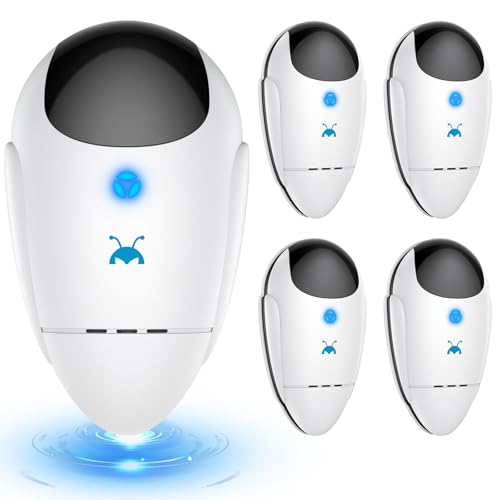
Basic plug in units are the most common. Neatmaster's 4 pack, around $19, plugs into a wall outlet, beeps and shows a pulsing light to confirm it is working and lists coverage of 800 to 1,200 square feet of open space per unit using 3 to 5 watts. Bell+Howell's 6 pack, around $35, and Victor's PestChaser 3 pack with nightlight, around $19, are long standing names in this category.
Because ultrasonic sound does not pass through walls or solid furniture, you need one unit per room or major open space. These suit garages, basements, attics, pantries and utility rooms where you want a low effort deterrent.
Multi Mode Plug In Repellers
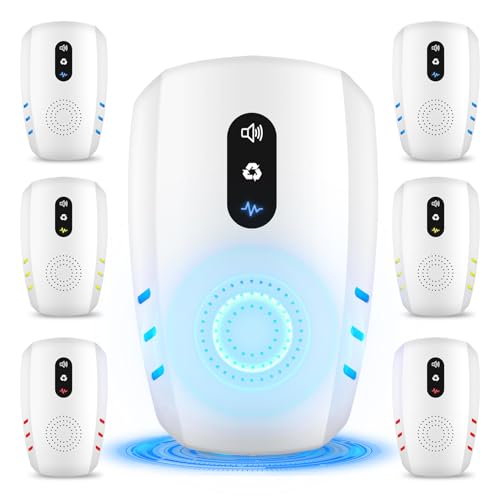
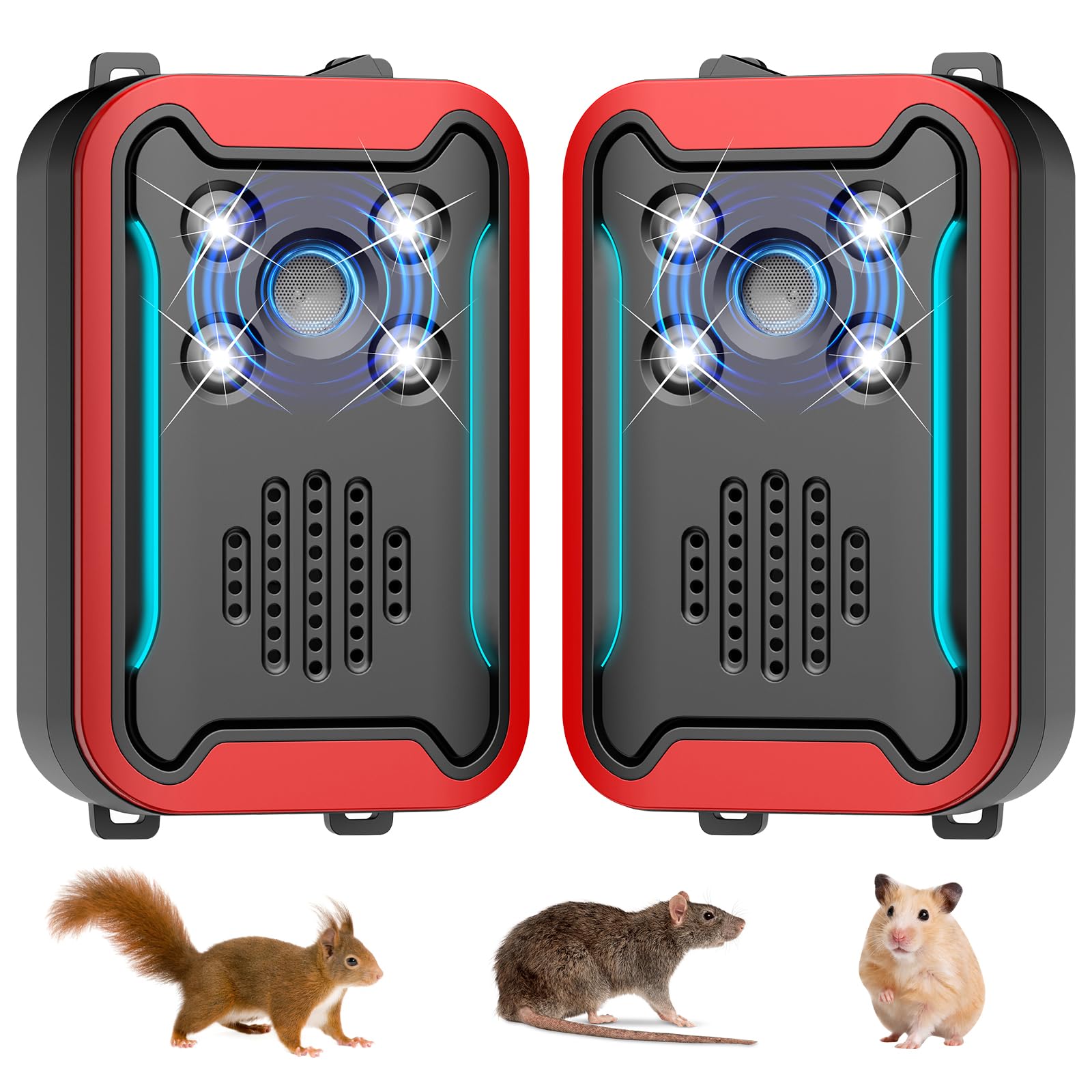
Multi mode units let you pick frequency ranges for different pests. Jqely's 6 pack, around $34, uses multi frequency waves from 10 to 65 kHz with 3 modes, including a blue mode for flying insects and a stronger red mode, and lists up to 1,600 square feet of open coverage per unit. Jqely warns not to use red mode when people or pets are home, since it produces uncomfortable noise.
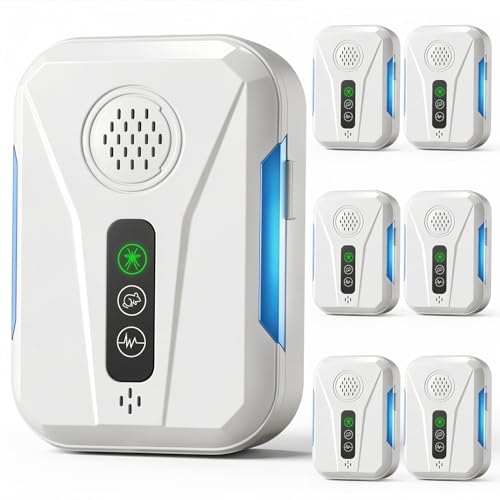
ROTIAH's plug in repeller, around $40, Asukin's, around $30, and GRLEP's 6 pack, around $24, offer similar plug in designs. These suit homeowners who want to experiment with settings, but be considerate of household members who may hear higher modes.
Vehicle Engine Repellers
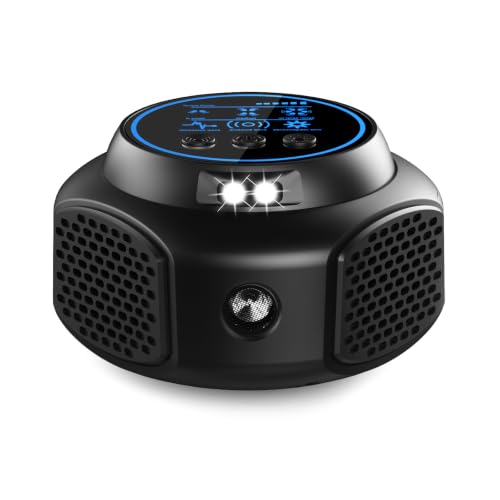
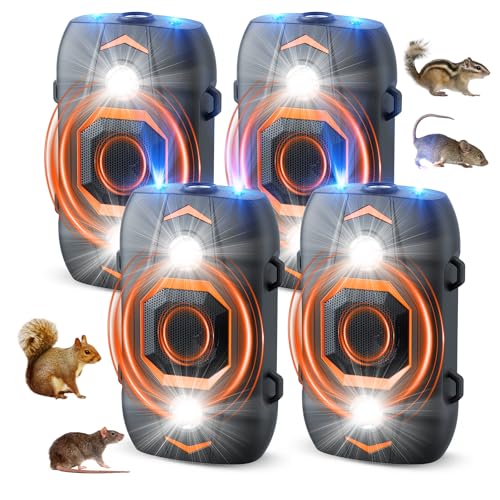
Rodents often nest in engine bays and chew wiring, which can lead to costly repairs. Peepst's 4 pack for car engines, around $68, combines a 25 kHz fixed frequency speaker, a 22 to 50 kHz variable speaker and four LED strobes. It runs on USB-C power, a 5 to 12 volt vehicle battery connection or AA batteries and switches to backup power to protect the car battery. Another engine bay repeller with LED strobe light, around $47, offers battery and plug in options.
Mount these units securely away from belts, fans, water and high heat, and keep speaker openings clear.
Solar Outdoor Repellers
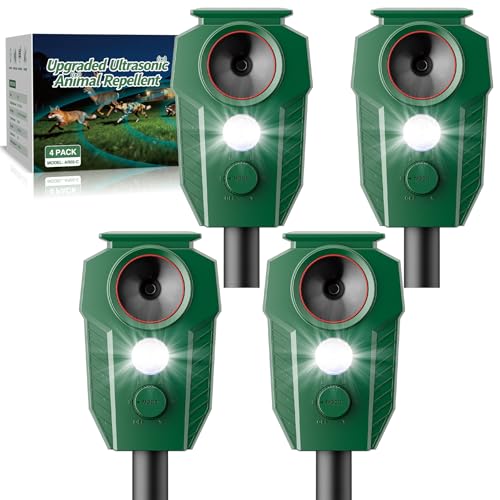
Solar outdoor units use motion sensors to trigger ultrasonic sound and flashing lights when animals approach. CKCOEO's 2 pack, around $40, lists a 150 degree detection angle, a 25 to 30 foot range, IP65 water resistance and solar charging, with mounting holes for fences or trees. G-Jyuncyou's solar deer repeller, around $80, adds a strobe light, and Hoont's solar motion activated repeller, around $45, is another option.
These suit gardens, flower beds and yards bothered by deer, cats, raccoons, rabbits and squirrels. Position units about 9 to 10 inches above the ground, as CKCOEO suggests, and aim them along paths animals use.
Plug In Indoor vs Solar Outdoor Repellers: Which Should You Choose?
Choose plug in indoor repellers if your problem is mice, rats or insects inside the home, garage or basement. They run all the time on very little power, but you need several units because walls block the sound. Pair them with sealing, traps and good sanitation for the best chance of success.
Choose solar outdoor repellers if your problem is animals in the yard or garden. Motion activation means the device only sounds when something approaches, and the added strobe can startle animals. Results vary by species and by how hungry or habituated the animals are, so moving the units every few weeks can help. For engine bay rodents, choose a dedicated vehicle unit rather than an indoor plug in model.
How to Choose the Best Ultrasonic Pest Repeller
Safety, intended use, specs and value decide which device fits.
Safety and Certifications
Look for plug in units with electrical safety listings from recognized labs, such as UL or ETL, and avoid devices that get hot. Outdoor units should have a water resistance rating like IP65. Ultrasonic sound is generally considered safe for people, but some children and young adults can hear higher frequencies. Keep units away from pet hamsters, guinea pigs, rats, rabbits and birds, and unplug them if dogs or cats seem agitated.
Intended Use and Who It's For
Renters and homeowners with occasional mice or insects can try inexpensive plug in packs. People with active infestations should rely first on traps, baits and exclusion, and consider a licensed pest control professional. Car owners in rural areas or with vehicles parked outside benefit from engine bay units. Gardeners dealing with deer or neighborhood cats can try solar motion devices.
Key Performance Specs
Check frequency range, coverage and power. Jqely lists 10 to 65 kHz and up to 1,600 square feet of open space, while Neatmaster lists 800 to 1,200 square feet.
Variable or sweeping frequencies, like Peepst's 22 to 50 kHz speaker, may reduce how quickly pests get used to the sound. Power use around 3 to 5 watts, as Jqely and Neatmaster list, keeps running costs low. Outdoor units should list detection range and angle.
Price vs Value
Multi packs offer the best value since you need one unit per room. Neatmaster's 4 pack costs around $19, GRLEP's 6 pack around $24 and Jqely's 6 pack around $34. Vehicle units cost around $47 to $68, and solar outdoor units around $40 to $80. Before buying many units, consider spending part of the budget on door sweeps, steel wool, caulk and snap traps.
Where Ultrasonic Repellers Make the Most Sense
Ultrasonic devices are most useful in places that are hard to treat with traps or chemicals and where people spend little time: detached garages, sheds, attics, crawl spaces, storage units, RVs and seasonal cabins. In these spaces, constant low power operation, no bait to refill and no residue are real advantages. They make less sense in a kitchen with an active German cockroach infestation or a home with mice already nesting in the walls, where baits, traps and sealing work far better. Think of them as prevention and support rather than a cure.
Tips to Get the Most From Your Ultrasonic Pest Repeller
Place units in open areas facing the space you want to cover, not behind sofas or curtains, since soft furnishings absorb sound. Use one unit per room. Seal gaps around pipes, vents and doors with steel wool and caulk, store food in sealed containers and fix leaks.
Combine devices with traps to monitor activity. For outdoor units, move them every few weeks so animals do not get used to them. If you see no improvement after several weeks, switch to proven methods or call a professional.
Ultrasonic Pest Repellers: Your Questions Answered
Do ultrasonic pest repellers really work?
Results are mixed, and many studies show limited or temporary effects. Some people notice fewer pests, especially when they also seal entry points and remove food. Ultrasonic devices are best used as a supplement to traps, baits and exclusion, not as the only solution for an infestation.
How long does an ultrasonic pest repeller last?
Most plug in units last a few years of continuous use. Solar outdoor units depend on battery and panel life, often a few seasons. Check indicator lights regularly, since a unit can fail silently.
What features matter most when buying ultrasonic pest repellers?
Frequency variety, realistic coverage and safety listings matter most. Choose sweeping or multi mode frequencies, enough units for each room and devices with electrical safety certification. Outdoor units need motion sensors, water resistance and reliable solar charging.
How do I maintain an ultrasonic pest repeller?
Keep units clean and unobstructed. Wipe dust from speakers, check that indicator lights work and replace failed units. For solar models, clean the panel and make sure it gets direct sun.
Are ultrasonic repellers safe for pets?
They are generally safe for dogs and cats, but not recommended near pet rodents, rabbits or birds. Dogs and cats can hear some ultrasonic frequencies, so watch for restlessness. Keep units out of rooms with small caged pets.
What should I use alongside an ultrasonic repeller?
Pair it with exclusion, sanitation and trapping. Seal gaps wider than a pencil with steel wool and caulk, add door sweeps, store food and pet food in sealed containers and fix leaks. Set snap traps or enclosed bait stations along walls to catch mice and monitor activity. For insects, gel baits and sticky traps help, and for serious infestations a licensed professional is the most reliable option.
Are expensive ultrasonic pest repellers worth it?
Paying more is worth it only for specific needs like engine bays or outdoor motion detection. For indoor use, affordable multi packs from Neatmaster, GRLEP or Jqely offer the same basic technology as pricier units.
Our Verdict
When choosing an ultrasonic pest repeller, focus on three things: the right type for where pests are, realistic expectations and a broader plan that includes sealing and trapping. Neatmaster and GRLEP packs suit budget indoor use, Jqely suits those who want adjustable modes, Peepst suits vehicle engine bays and CKCOEO suits gardens. The best ultrasonic pest repeller works best as one helpful tool in a complete pest control plan.
For more pest control guides, see the best cockroach repellents, the best cat repellents, the best deer repellent and the best bug repellent. Then compare current prices in the product table above.


