
Best Deer Repellent: A Buying Guide That Actually Works
Disclosure: We may earn a commission when you buy through links on this page, at no extra cost to you. As an Amazon Associate we earn from qualifying purchases. Learn more

You planted the hostas in spring, watched the tomatoes finally set fruit, and then walked outside one morning to find half the bed chewed down to stubs. Deer damage happens fast, and it rarely announces itself before it's too late. Finding the best deer repellent for your yard means understanding how these products actually work, not just grabbing whatever bottle is on the shelf at the garden center. In this guide, you'll learn how deer repellent formulas differ, what actually determines whether one holds up in your yard, how to apply it so it keeps working, and where a spray bottle alone will not be enough.


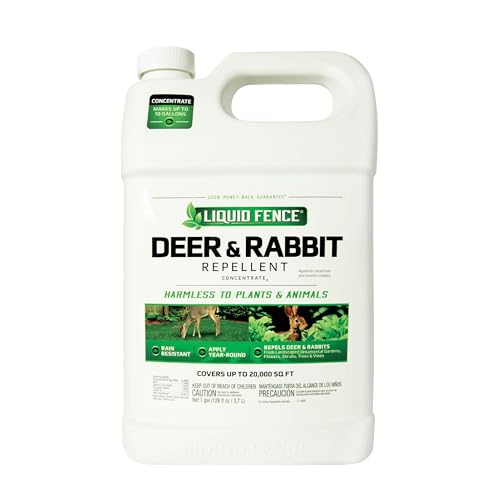
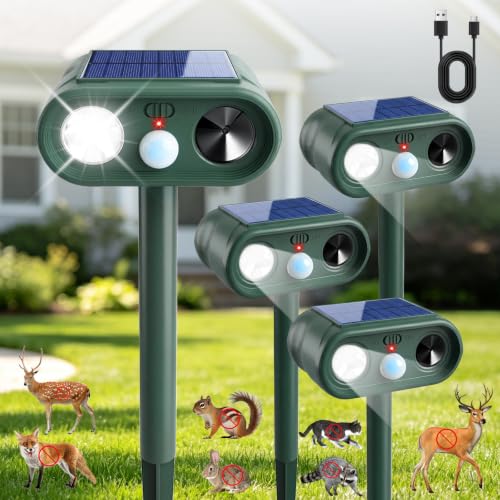
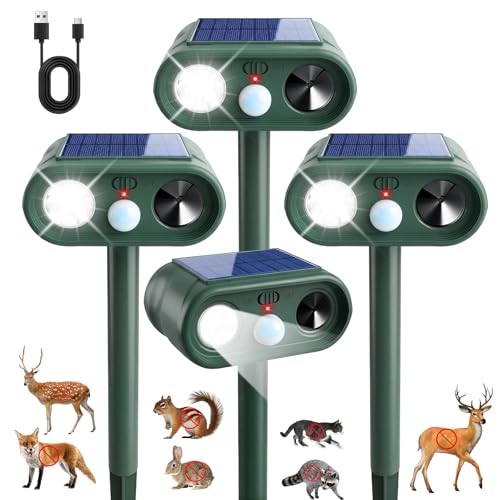
What Actually Matters Before You Buy
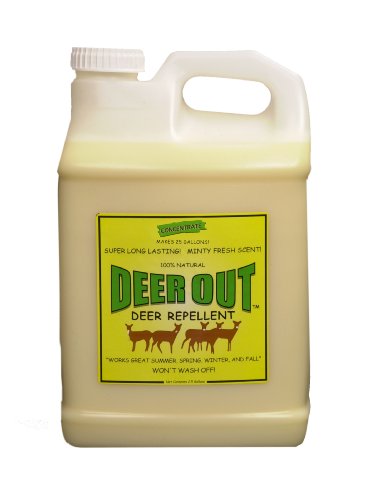
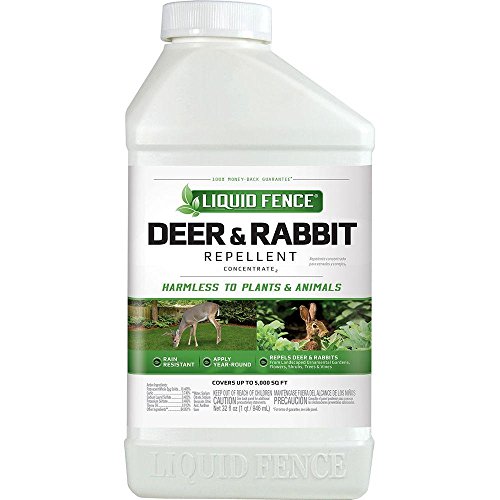
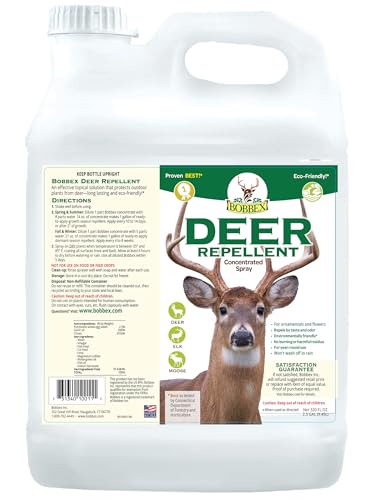
Not every deer repellent works the same way, and the label rarely explains the mechanism behind it. Some rely on smell, some rely on taste, and some work from inside the plant itself. Understanding what you're actually buying makes it much easier to pick a deer repellent that fits your situation instead of guessing at whatever the store happens to have in stock.
Scent, Taste, or Systemic: How the Formula Works
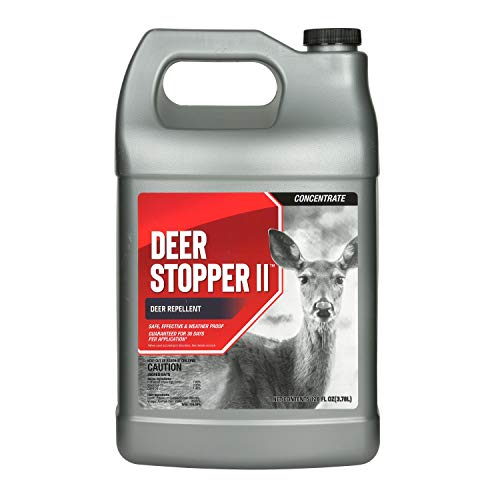
Most repellents fall into three broad categories. Scent-based formulas rely on odors deer associate with danger, things like predator urine or sulfur compounds, and they work before the deer even takes a bite, which makes them a good first line of defense around beds you check less often. Taste-based formulas use bitter or unpleasant-tasting ingredients, which means the deer has to sample the plant first, so they tend to suit ornamentals better than prized vegetables you'd rather not have nibbled at all. Systemic deer repellent products get absorbed into the plant itself and offer longer protection, but they take time to establish and usually aren't rated for edible crops.
The same logic shows up in other pest categories too. Many scent-based repellents borrow the same "make the area unpleasant before contact" principle you'll find in scent-based insect repellents, just tuned to a much bigger animal with a much bigger appetite.
Granular or Liquid: Matching Format to Your Space
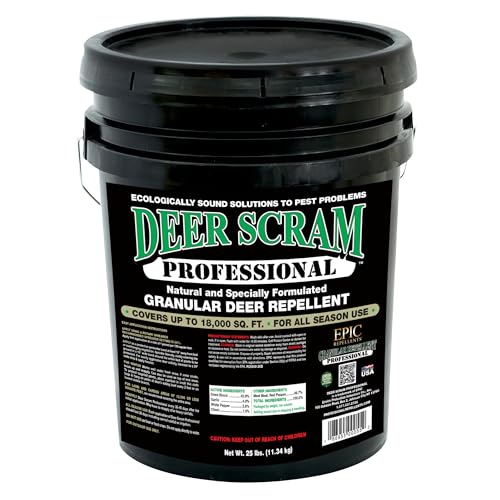
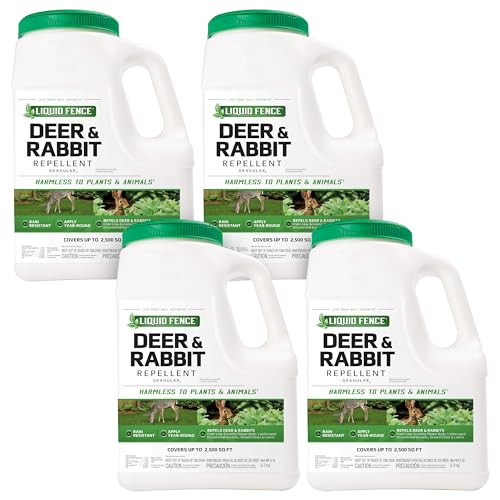
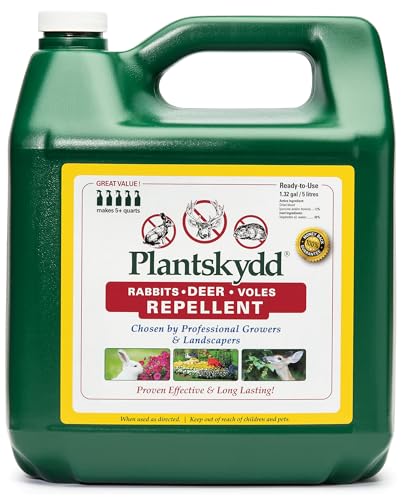
Granular deer repellent is scattered around the perimeter or bed and tends to hold up better through rain and cold weather, which makes it a solid choice for larger properties where reapplying constantly isn't realistic. Liquid sprays coat the plant directly and give more precise, visible coverage, which matters when you're protecting a specific row of vegetables or a handful of expensive shrubs. Neither format is strictly better than the other. Many experienced gardeners use granules around the outer edge of the yard as a first line of defense and reserve spray for the plants deer are most likely to target up close, layering both formats rather than picking one and hoping it covers everything.
Weather Resistance, Coverage, and Safety Around Pets and Edible Plants
Check how much area a bottle or bag actually covers before you buy, since coverage claims vary widely and a product that seems cheap per ounce can end up costing more once you account for how often you'll need to reapply it. Rain resistance matters just as much. Some formulas are built to bind to foliage and survive a storm, while others wash off after a single downpour and need to be reapplied right away, which quietly drives up the real cost of ownership over a season. If you have pets, kids, or plan to spray anything you intend to eat, read the label carefully before you commit to a product. Pet-safe does not always mean edible, and not every deer repellent is cleared for use directly on fruits, herbs, or vegetables, so look for one that explicitly says it is rather than assuming.
Why Deer Pressure Changes What You Need
How aggressive your strategy needs to be depends a lot on when and where you're gardening. Early spring, when tender new growth is the only green thing around, tends to bring the heaviest browsing, since it's often the first reliable food source after a long winter. Fall pushes deer to feed more as they build up reserves before winter, and a hard winter with limited natural forage can send them into yards and beds they'd normally avoid entirely. Location matters too. Properties bordering woods or open fields see far more traffic than a fenced-in lot in the middle of a subdivision, and even the time of day deer are most active can shift with the season.
If you're maintaining a large property, especially one bordering undeveloped land, the same light treatment that works for a small suburban bed usually isn't enough. Larger lots often call for a wider perimeter treatment and more frequent mowing and edge maintenance to keep cover down, similar to the planning that goes into choosing equipment sized for a large garden, so the whole property stays manageable rather than just the flower beds closest to the house.
Getting Repellent to Actually Work: Application, Reapplication, and Rotation
A deer repellent only works if it's actually still on the plant when a deer wanders by, which means timing matters as much as the product you choose. Apply to dry foliage and give it time to set before watering or rain is expected, ideally at least an hour, so it has a chance to bind before moisture hits it. Most liquid formulas need reapplication every one to two weeks, and always after a heavy rain washes the coating away. Granular products typically hold up longer, often around a month, but should still be refreshed after major storms or once you notice fresh browsing near the treated area.
One detail that trips up a lot of gardeners: deer can get used to a single scent or taste over time, especially in areas with heavy deer traffic and consistent pressure. Rotating between two or three different repellent types every few weeks keeps them from adapting and staying just wary enough to avoid your yard instead of testing the limits of it. Pairing that rotation with basic garden protection habits, like clearing fallen fruit and keeping beds tidy, gives the repellent less competition from easy, unguarded food nearby and better odds of actually working.
Repellent Alone Won't Solve a Serious Deer Problem
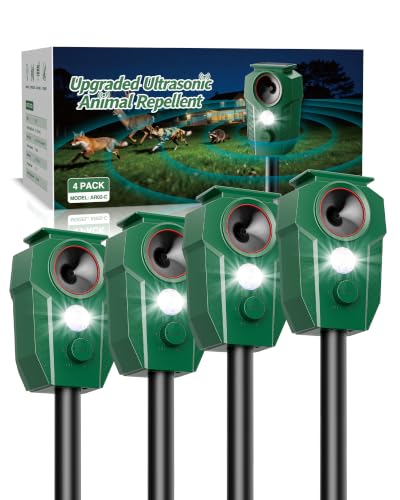
It's worth setting expectations early. No repellent, no matter how well it's rated, offers guaranteed protection when deer are hungry enough or a local herd is large enough. The only truly reliable method is a physical barrier, typically a fence at least eight feet tall, since deer can clear much lower obstacles without much effort and won't think twice about trying. That's not practical or affordable for every yard, which is why most people combine a deer repellent with other deterrents instead of relying on one method alone. Motion-activated sprinklers or lights startle deer before they settle in to browse, and visual deterrents like reflective tape or hanging objects add another layer of hesitation that makes your yard feel less predictable to them. Treat repellent as one part of a broader strategy rather than a single fix, and you'll get far more consistent results than expecting one product to do all the work on its own.
Frequently Asked Questions
What is the most effective deer repellent?
There's no single formula that works everywhere, since effectiveness depends on local deer pressure and how hungry they are. Repellents that combine scent and taste deterrents, applied consistently and rotated periodically, tend to hold up best across different conditions and seasons.
How often should you reapply deer repellent?
Most liquid sprays need reapplication every one to two weeks, while granular formulas can often last closer to a month. Either way, plan to reapply sooner after any heavy rain, since that's what typically washes the protection away.
Does deer repellent still work after it rains?
It depends on the formula. Some products are made to bind to foliage and resist light rain, but most lose effectiveness after a heavy downpour and should be reapplied once the plants dry out again.
Is deer repellent safe for pets and edible plants?
Many repellents are labeled safe around pets, but that doesn't automatically mean they're cleared for use on food crops. Always check the label for edible plant approval before spraying anything you plan to eat.
Is granular or liquid deer repellent better?
Neither is universally better. Granular products tend to hold up longer against weather and suit wide perimeter coverage, while liquid sprays give more targeted, visible protection on specific plants.
Do deer eventually get used to repellent?
Yes, especially with heavy repeat exposure to the same scent or taste. Rotating between a couple of different repellent types every few weeks helps keep deer from adapting and ignoring the deterrent.
Making Your Decision
The right deer repellent comes down to matching the formula and format to your yard, your plants, and how much deer pressure you're dealing with throughout the year. Apply it consistently, rotate scents so deer don't adapt, and pair it with a second layer of defense if your property sees regular browsing. That combination, more than any single product, is what actually keeps a garden intact season after season.