
Best Toys for 1 Year Old: What Actually Helps Them Learn and Play
Disclosure: We may earn a commission when you buy through links on this page, at no extra cost to you. As an Amazon Associate I earn from qualifying purchases. Learn more

Around a first birthday, a lot changes fast. Your child might be taking first steps, babbling toward real words, or figuring out that a ball rolled behind the couch didn't actually disappear. Picking out the best toys for 1 year old kids can feel harder than it should, especially with so many packages promising to make your toddler smarter, calmer, or more coordinated. This guide skips the marketing claims and focuses on what actually supports a one-year-old's development, what to watch for on the safety front, and how many toys you really need to keep on hand. By the end, you'll know exactly what to look for the next time you're standing in the toy aisle or scrolling through options online.





What Makes a Toy Actually Good for a One-Year-Old
Not every toy marketed for this age group is worth the shelf space. The best toys for 1 year olds share a few traits that have nothing to do with how many lights or sounds they have.
Open-ended play beats one-trick toys
A toy that does one thing, press a button and it plays the same song, tends to lose its appeal within days. Open-ended toys, like blocks, balls, or simple containers to fill and dump, can be used a dozen different ways. That flexibility means the toy grows with your child instead of being outgrown in a week.
Durability and easy cleaning matter as much as features
One-year-olds mouth things, throw things, and drop things from high chairs more times than you can count. A toy needs to survive that treatment and be easy to wipe down or wash, since it's still going to end up in their mouth regularly. If you're building out a toy collection, it's worth pairing it with safe, non-toxic toy cleaners so you're not scrubbing with anything harsh on items your child chews.
Match the toy to real milestones, not just the age label
Age ranges on packaging are a starting point, not a rule. Some one-year-olds are cruising along furniture and nearly running, while others are just pulling to stand. Look at what your child is actually doing right now, walking, stacking, pointing, babbling, and choose toys that meet them there rather than toys aimed at the "average" toddler.
Toy Types That Match This Stage of Development
Rather than chasing individual product trends, it helps to think in categories when you're narrowing down the best toys for 1 year old options. Each type below lines up with a skill most one-year-olds are actively working on.
Push and pull toys for new walkers
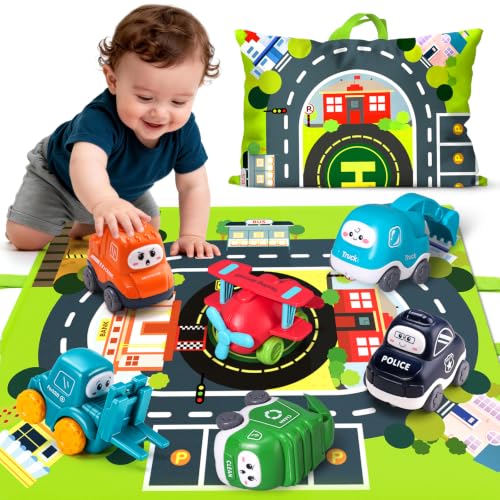
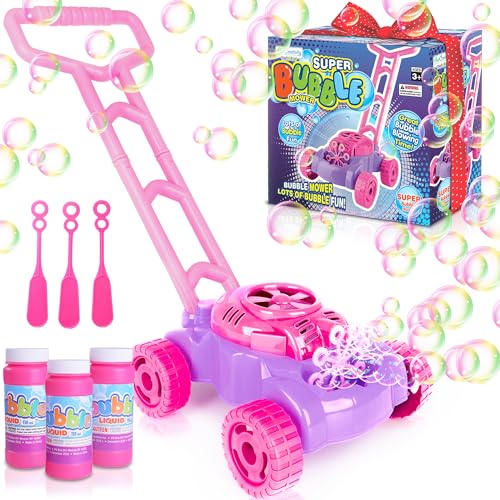
Once a child is upright and mobile, push toys (like a cart or wagon they can lean on) and pull toys (like a small wagon on a string) give them something purposeful to do with their new mobility. They build balance and confidence with walking in a way that's more engaging than just walking across a room. If you've been using a baby walker and are looking to transition away from it, baby walker alternatives that encourage independent movement tend to support gross motor development better.
Stacking, sorting, and nesting toys for fine motor skills
Stacking cups, simple shape sorters, and nesting bowls give small hands practice with grip, release, and spatial reasoning. These toys also introduce early problem-solving, figuring out which shape fits where, well before a child can talk through the logic. This is also the category where developmental toys tend to earn their reputation, since the skill payoff is easy to see over just a few weeks of play.
Cause-and-effect and sensory toys
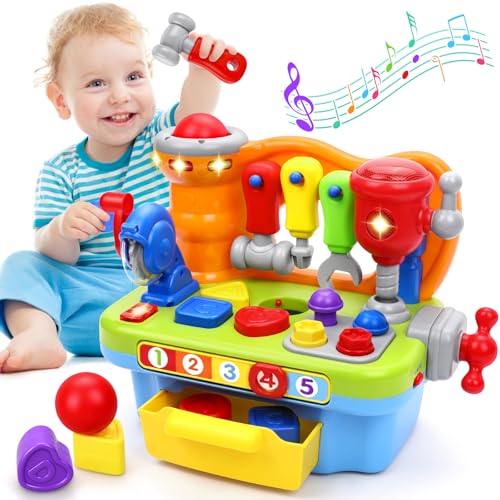
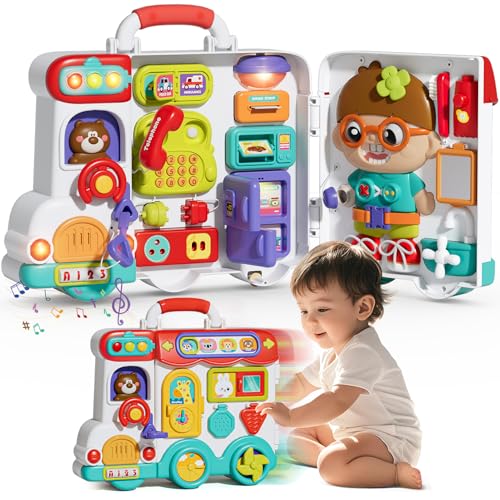
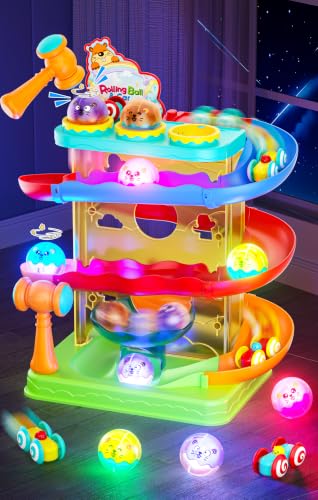
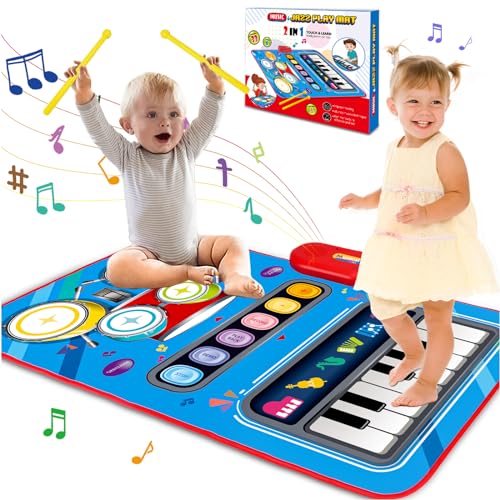
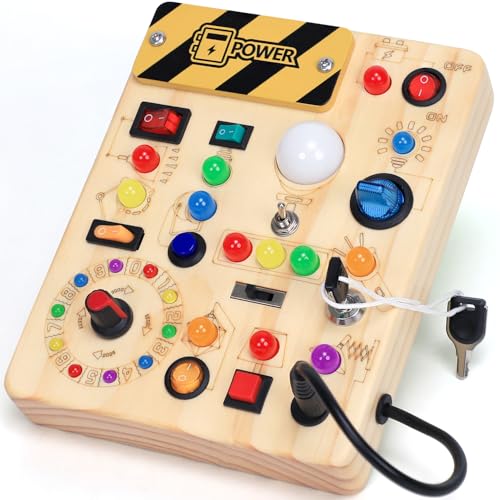
Toys that respond to an action, press a button and something pops up, turn a knob and it spins, teach cause and effect in a way that's satisfying and repeatable. Sensory toys with different textures, sounds, or materials give a one-year-old new information to explore with their hands, which is still one of their main ways of learning about the world.
Books and toys that build early language
Board books with simple pictures, textured pages, or flaps to lift are doing more than entertaining. Naming objects, pointing at pictures, and repeating simple words during play are some of the most effective things you can do to support early language, and a good board book makes that easy to build into everyday routines.
Safety Details Parents Often Overlook
Safety for this age group is stricter than most people realize, and it's worth understanding the actual rules rather than guessing.
The small parts rule and why age labels aren't enough
Any toy made for children under three is legally required to avoid small parts that could choke a child, tested using a specific cylinder that approximates a toddler's throat size. That's a helpful baseline, but it doesn't account for pieces that come loose over time, like a button eye on a stuffed animal or a small wheel that pops off a toy car. Check toys periodically, not just when they're new.
Batteries, cords, and other overlooked hazards
Battery compartments should be secured with a screw, not a simple snap-open panel, since button batteries are dangerous if swallowed. Long cords or strings on pull toys should be short enough that they can't wrap around a neck. Sharp edges and points are usually caught by manufacturers, but it's worth a quick check yourself, especially on toys that aren't from well-known brands.
Checking hand-me-down and secondhand toys
Toys passed down from an older sibling or bought secondhand weren't necessarily made to current safety standards, and they may have missing pieces or worn parts that create new hazards. If you're also childproofing the house around a newly mobile one-year-old, pairing toy safety checks with baby safety gates for stairs and off-limits rooms covers more of the everyday risk at this stage, not just the toys themselves.
How Many Toys You Actually Need (and Why Rotation Works Better)
It's tempting to buy in bulk, but more toys on the floor doesn't mean more learning happening.
Why fewer toys often means better play
When too many toys are available at once, attention gets scattered and play tends to stay shallow, a quick grab-and-drop instead of sustained exploration. A smaller, thoughtfully chosen set, something for building, something for fine motor practice, a push toy, and a sensory item or two, usually holds interest longer than a toy box packed to the brim.
A simple toy rotation system that actually works
Keep out around eight to ten toys at a time and store the rest out of sight. Every week or two, swap a few pieces back in. Toys that felt boring suddenly feel new again, and you get more use out of what you already own instead of constantly buying replacements. A dedicated bin or shelf, paired with smart nursery storage solutions, makes the swap quick enough that you'll actually keep doing it.
Frequently Asked Questions
Here are the questions parents ask most often once they start comparing best toys for 1 year old options for their own home.
What toys should a 1 year old have?
A solid starting set includes something for stacking or sorting, a push or pull toy, a sensory or cause-and-effect toy, and a few sturdy board books. That covers fine motor, gross motor, and early language without overloading their space.
How many toys does a 1 year old need?
Fewer than most parents expect. Around eight to ten toys in rotation at any given time is plenty. Keeping the rest stored away and swapping them in periodically does more for engagement than adding new toys constantly.
What toys are not safe for a 1 year old?
Avoid anything with small, detachable parts, loose button eyes or beads, long cords or strings, exposed batteries, or sharp edges. Toys not labeled for children under three should be kept away from a one-year-old, even if an older sibling uses them.
Are educational toys worth it for a 1 year old?
Some are, but the label alone doesn't guarantee value. Open-ended toys that support real skills, stacking, sorting, cause-and-effect, tend to deliver more actual development than toys marketed heavily as "educational" but limited to one function.
Do 1 year olds need toys with lights and sounds?
Not really. These toys can be fun in small doses, but they often encourage passive watching rather than active play. Toys that respond to a child's own actions, like stacking or building, generally support development better than toys that do most of the work themselves.
How often should you rotate a toddler's toys?
Every one to two weeks works well for most families. If interest in a toy drops off noticeably, that's a good sign it's ready to be swapped out and replaced with something that's been in storage for a while.
Building a Collection That Grows With Your Child
Choosing the best toys for 1 year old children doesn't require buying everything on a trending list. Focus on open-ended play, check safety details even on trusted brands, and keep the toy collection smaller than feels natural. A rotating set of well-chosen toys will hold your child's attention longer, cover more developmental ground, and save you money compared to a toy box that's constantly overflowing.