
Best Stroller for Infant and Toddler Under $300
Disclosure: We may earn a commission when you buy through links on this page, at no extra cost to you. As an Amazon Associate I earn from qualifying purchases. Learn more
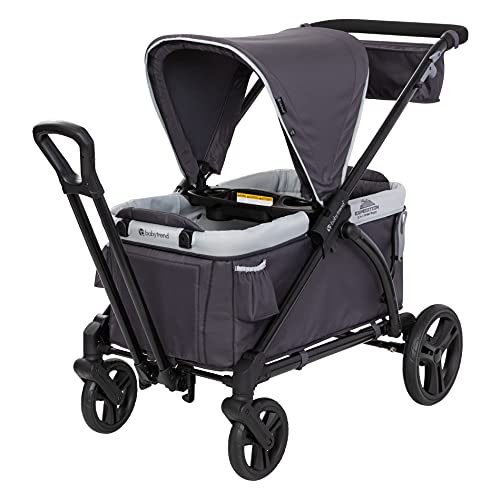
Shopping for a stroller can feel harder than it should be, mostly because the price range is so wide that it is tough to know what you're actually paying for. If you're trying to find the best stroller for infant and toddler under 300 dollars, the good news is that this bracket includes some genuinely capable options, not just stripped-down basics. You don't need a premium, top-shelf price tag to get a stroller that reclines flat for a newborn, folds with one hand, and still holds up once your toddler insists on riding along on every errand. The trick is knowing which features actually matter at this price point and which ones are just packaging. This guide covers what to check, how to match a stroller to your child's age, and where a sub-$300 budget genuinely holds its own.
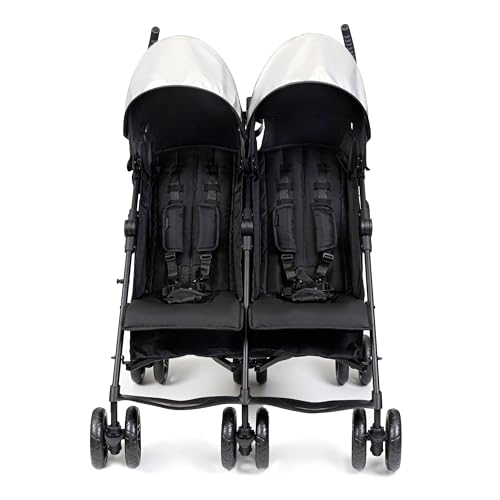


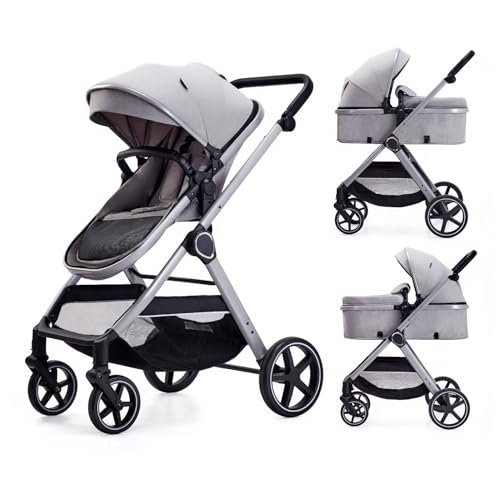
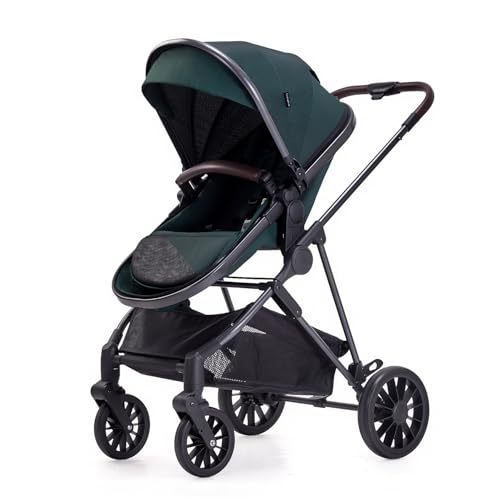

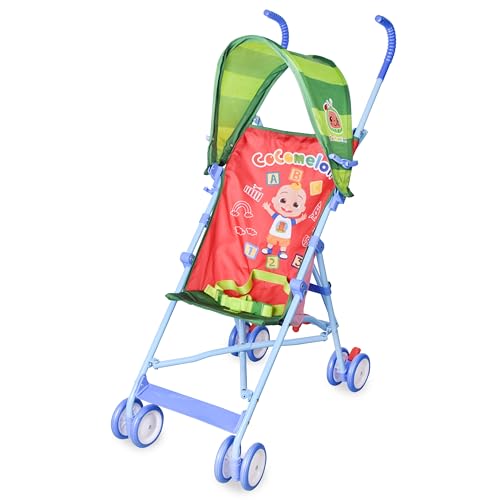
What Actually Matters When You're Shopping Under $300
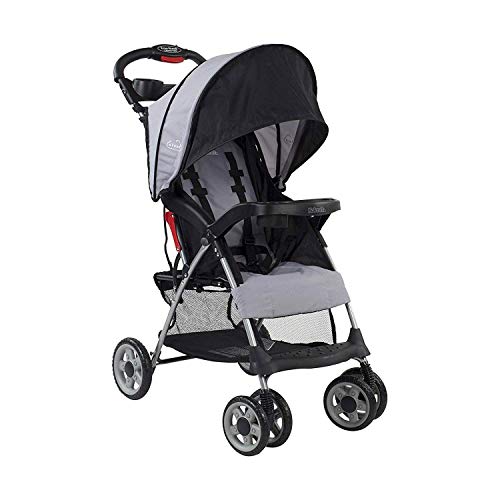
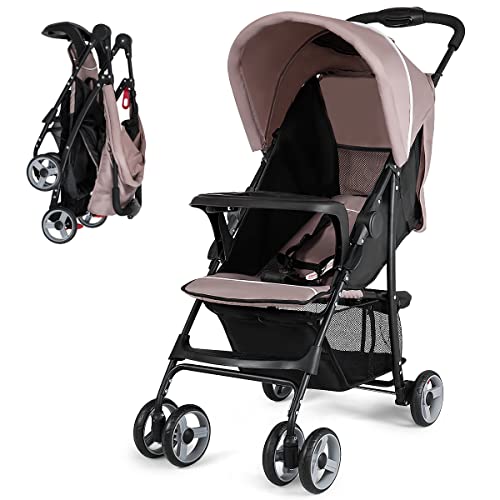
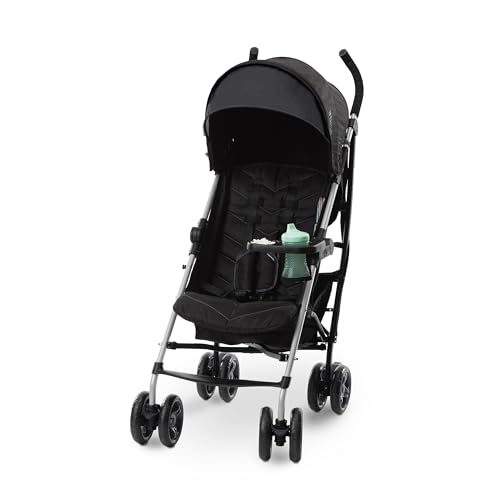
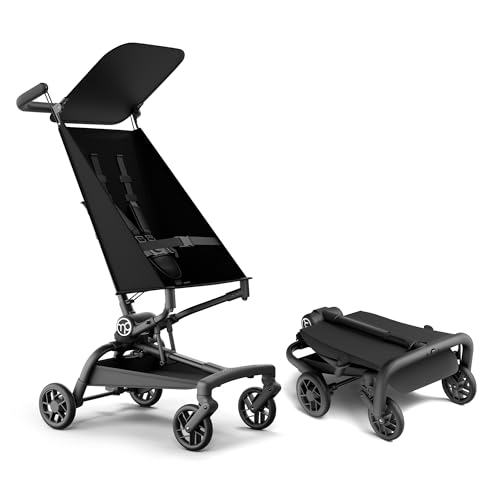
At this price point, a handful of features separate a stroller that lasts three years from one that falls apart in six months. Frame weight is the first thing to check. Anything under 20 pounds is easy to lift into a trunk, while heavier steel frames tend to feel sturdier but wear out your arms on stairs or curbs.
The fold mechanism matters just as much as the frame itself. Look for a one-handed fold that locks in place on its own, since you'll usually be holding a squirming kid with your other arm. A seat that reclines close to flat is essential if you plan to use the stroller from the newborn stage, and a storage basket with real capacity, not a token pouch, makes daily errands far less annoying.
Finding the best stroller for infant and toddler under 300 really comes down to prioritizing the two or three features you'll use every single day over the extras you'll use once a year. A cup holder is nice. A basket that fits a diaper bag is essential.
Matching the Stroller to Your Child's Age and Size
Most strollers in this category list a weight range somewhere between 4 and 50 pounds, but the number on the box only tells part of the story. A true infant mode needs a near-flat recline and solid head support, since newborns can't hold their own posture yet. Some budget strollers get there with a bassinet attachment, while others simply recline the seat far enough to work safely.
Toddler mode is a different set of demands entirely. By the time your child is sitting up and grabbing at everything, you want an upright seat option, a snug five-point harness, and a footrest that adjusts as they grow. Check the manufacturer's height limit too, not just weight, since a tall two-year-old can outgrow a seat well before hitting the weight cap.
For very short outings, like a quick trip to a mailbox or a busy airport gate, a full stroller can feel like overkill. Our guide to best toddler carriers covers when a carrier makes more sense than wrestling a stroller through a crowd.
Travel System or Standalone: Which Setup Fits Your Life
A travel system bundles an infant car seat with a compatible stroller frame, letting you move your sleeping baby from the car to the sidewalk without a single buckle. For a first-time purchase under $300, that bundled value is hard to beat, since buying the pieces separately usually costs more once you add adapters.
The tradeoff is scalability. An infant car seat only lasts a year or two, and once your child outgrows it, the travel system stroller needs a toddler seat insert or a different stroller entirely. A standalone stroller paired with a separate convertible car seat costs more upfront but tends to stretch further into the toddler years.
If you decide to go the standalone route, you'll still need a compatible seat for the car itself. Our best toddler car seat under 300 guide covers options in the same price bracket, so the whole setup stays balanced rather than lopsided in one direction.
Safety Certifications and Features Worth Checking Before You Buy
Look for a Juvenile Products Manufacturers Association certification, often shown as a JPMA sticker on the frame or in the product listing. That certification means the stroller passed testing for structural integrity, restraint strength, and mechanical durability, which matters more on a budget model where corners are more likely to get cut somewhere.
A five-point harness is the safety standard for infants and young toddlers, since it keeps a squirming child from sliding out or standing up unexpectedly. Wheel locks or parking brakes should engage with one foot motion and hold firmly on a slope, not just flat pavement.
- Check that the harness adjusts without tools as your child grows
- Confirm the brake is easy to reach and doesn't require excessive force
- Look for a wide wheelbase, which resists tipping far better than a narrow one
None of these features add much to the manufacturing cost, so their absence on a budget stroller is usually a sign of corners cut elsewhere too.
What a Sub-$300 Stroller Gets You (and Where It Falls Short)
At this tier, expect a durable frame, a workable recline, decent storage, and brakes and harnesses that meet safety standards. A well-chosen best stroller for infant and toddler under 300 pick gives up very little compared to pricier models, aside from all-terrain suspension, premium fabric that resists staining, and features like adjustable handlebars for tall or short parents.
Stepping up to the best stroller for infant and toddler under 400 tier usually buys you smoother ride quality on rough sidewalks and a slightly lighter frame, which matters if you're climbing stairs with the stroller often. It's a real difference, but not one every family needs.
For most everyday use, flat sidewalks, grocery runs, and stroller walks around the neighborhood, a well-chosen sub-$300 model does the job without the family budget taking a hit. Save the upgrade for households that genuinely need off-road capability or plan to log serious mileage.
Mistakes That Cut a Budget Stroller's Life Short
The most common mistake is overloading the storage basket past its stated limit, which strains the frame and throws off the stroller's balance. A second frequent error is skipping the recline adjustment for a newborn, using an upright seat that isn't safe for a baby who can't yet support their own head.
Parents also tend to ignore weather exposure. Leaving a stroller outside in rain or intense sun degrades the fabric and plastic joints far faster than normal wear would. Wiping it down and storing it indoors between uses adds years to its usable life.
If you have two children close in age, a single stroller often gets outgrown faster than expected. In that case, our best double jogging stroller for infant and toddler guide is worth a look before you commit to a single-seat model that won't fit your family for long.
Frequently Asked Questions
Can I use the same stroller for a newborn and a toddler?
Yes, as long as the stroller offers a near-flat recline for the infant stage and an adjustable harness that tightens down as your child grows. Check the manufacturer's minimum age or weight listing before buying, since not every model is rated for newborn use out of the box.
What should I look for in a stroller under $300?
Prioritize a JPMA safety certification, a one-handed fold, a seat that reclines close to flat, and a storage basket large enough for a diaper bag. Frame weight and brake quality matter more day-to-day than extras like cup holders or trays.
Is a travel system better than buying a stroller and car seat separately?
A travel system is usually the better value for a first purchase, since the bundled price beats buying each piece on its own. Families who want long-term flexibility often switch to a standalone stroller and convertible car seat once the infant seat is outgrown.
What weight limit should a stroller have for a toddler?
Most full-size strollers in this price range list a seat limit around 40 to 50 pounds, which comfortably covers most children through the toddler years. Always check the height limit too, since a tall toddler can outgrow the seat before reaching the weight cap.
Why does JPMA certification matter on a budget stroller?
It confirms the stroller passed independent testing for structural strength, restraint performance, and mechanical durability. On lower-priced models, that certification is one of the clearest signs the manufacturer didn't cut corners on the parts that actually protect your child.
How do I know when to switch from infant mode to toddler mode?
Once your baby can sit up unassisted and hold their head steady without support, usually somewhere around six months, you can move from a flat recline to a more upright seated position. Let your child's physical development guide the switch rather than a fixed age on a chart.
Do cheaper strollers wear out faster than expensive ones?
Not necessarily, as long as you choose one with a solid frame and proper certification and avoid overloading the storage basket. Regular cleaning and indoor storage between uses matter more for longevity than the price tag alone.
Choosing With Confidence
A sub-$300 budget doesn't mean settling for a flimsy stroller. Focus on the fold, the recline, the certification, and the harness, and you'll end up with something that serves your family well through both the infant and toddler stages. The right choice comes down to matching the features to how you actually use it, not chasing every option on the shelf.