Best Smart Sprinkler Controllers by Budget: Smart Picks for 2026
An old dial timer does exactly what you tell it and nothing more. It waters at 5 a.m. on Tuesday whether it rained all night or the lawn is baking in a heat wave. The best smart sprinkler controllers fix that by checking local weather, skipping cycles when rain is on the way, and letting you adjust every zone from a phone app. The result is a healthier yard and, for many households, a noticeably smaller water bill.
Prices range from under $100 to several hundred dollars, and the extra money buys real differences in scheduling smarts, zone count, and pro features. Below are three picks by budget, a breakdown of what each price tier delivers, and the features worth paying for.




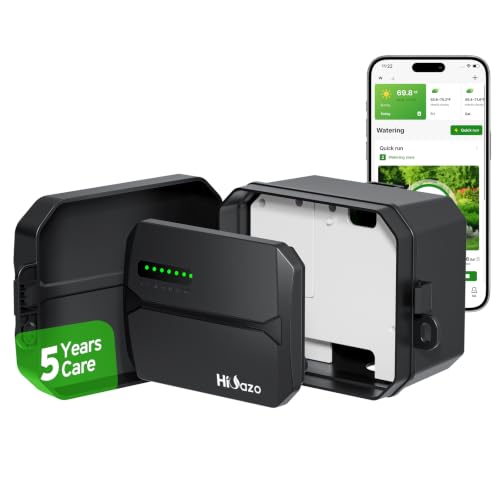
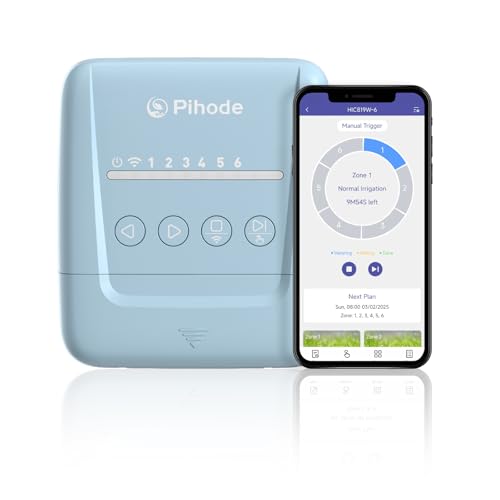
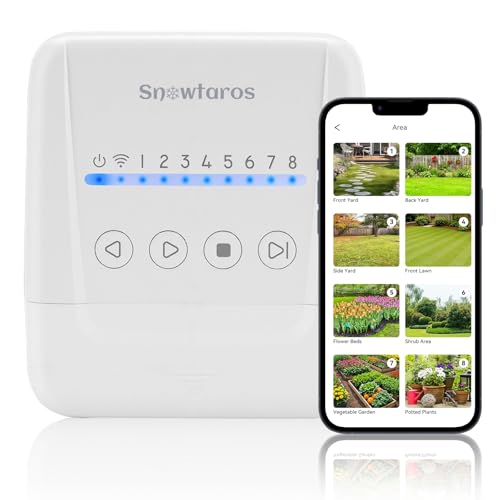
Top 3 Picks by Budget
All three come from the product table above and are currently listed on Amazon.com.
Best Budget Pick
The Orbit B-hyve 4-Zone Indoor Smart Sprinkler Controller is a good fit for small yards and townhomes with a simple in ground system. Its biggest strengths are a low entry price and a long track record, with thousands of buyer ratings behind it, plus app control through Orbit's B-hyve platform. The clear limitation is size: four zones and an indoor only design mean it will not suit larger properties or a controller mounted outside on a wall.
Best Midrange Pick
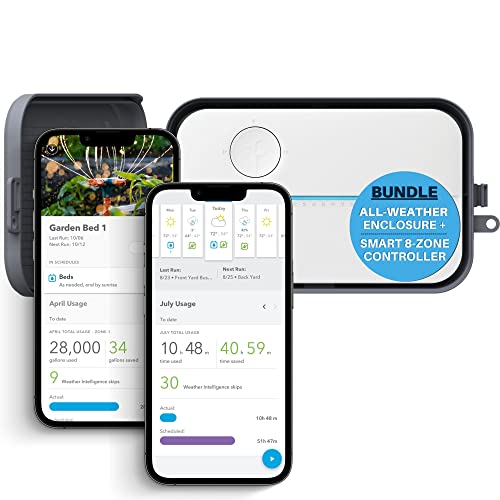
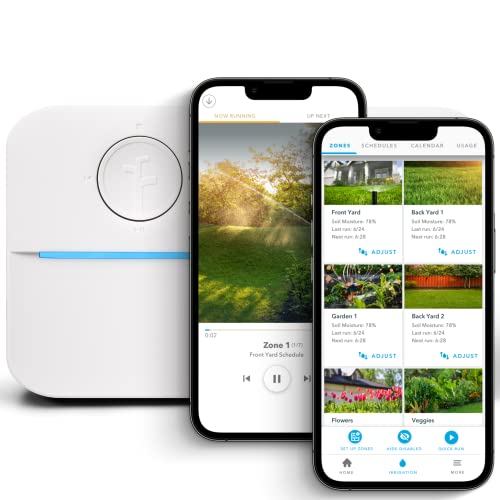
The Rachio 3 8-Zone Smart Sprinkler Controller suits most suburban yards. Its weather intelligence skips watering for rain, wind, and freezing temperatures, and you can either build your own schedule or let it adjust automatically through the seasons. Installation is designed for DIY, with Rachio stating it works with the vast majority of existing systems. The main drawback is that the base unit is meant for indoor or sheltered mounting, so an outdoor location needs the separate enclosure.
Best Premium Pick
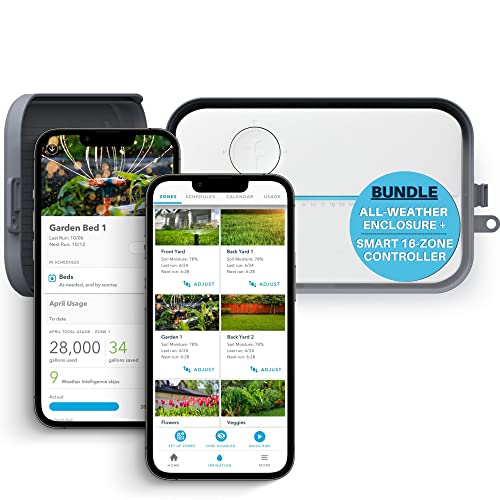
The Rachio 3 16-Zone Smart Bundle with Outdoor Enclosure is built for large properties with many zones. You get the same weather intelligence and app as the 8 zone model, twice the zone capacity, and a weatherproof enclosure for outdoor mounting, with Alexa and Apple HomeKit support. It makes sense for homes with a lot of separate beds, a big lawn split into many sections, or a controller that has to hang on an exterior wall. The limitation is cost, since you pay a premium for capacity many yards will never use.
What Your Money Gets You at Each Price Tier
Budget Tier: App Control and Basic Rain Skip
Under about $100, you get a WiFi sprinkler timer that replaces your old dial with app control, simple schedules, and basic rain skip based on online forecasts. Zone counts usually run from 4 to 8, and most budget units are rated for indoor or garage mounting. Some lesser known brands in this range have few reviews, so a long rating history is worth a lot here. For a small lawn with steady weather, this tier covers the essentials.
Midrange Tier: Weather Intelligence and More Zones
Between roughly $100 and $250, controllers move from simple rain skip to true weather intelligence. Instead of just canceling a cycle, they calculate how much water each zone needs based on local weather, soil type, plant type, slope, and sun or shade exposure, then adjust run times automatically. Expect 8 to 12 zones, better apps, and features like wind and freeze skip. This is where most homeowners see the biggest jump in water savings for the money.
Premium Tier: Flow Sensors and Pro Features
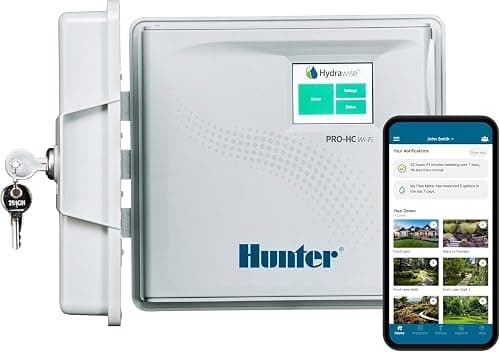
Above about $250, you are paying for capacity and professional features. Premium irrigation controllers often support a flow sensor that spots leaks or broken heads and can shut the system down, along with master valve control and 12, 16, or even 24 zones. Many include or offer weatherproof outdoor enclosures. Pro lines such as Hunter's PRO-HC series, also in the table above, target installers and large properties. These features make the most sense for big yards, sloped lots, or anyone who has dealt with a hidden leak.
Features Worth Paying For (and Ones to Skip)
Zone Count and Valve Compatibility
Before you shop, count the wires on your current timer, since each zone has its own valve. Common sizes are 4, 8, 12, and 16 zones. Buy at least one or two more than you have now so you can add a garden bed or drip line later. Most residential systems use standard 24VAC valves, which nearly every smart controller supports, but confirm compatibility if your system is unusual.
EPA WaterSense Label and Water Savings
The EPA WaterSense label marks weather based controllers that have been independently tested to adjust watering to conditions. Beyond the savings, it can put money back in your pocket: many US water utilities offer a water utility rebate for WaterSense labeled controllers. Programs vary by city, so check your local utility's website before you buy.
WiFi Range and Indoor vs Outdoor Installation
Most smart controllers connect only to 2.4GHz WiFi, and garages or exterior walls often have weak signal. Test your signal at the mounting spot first with your phone, and add an extender or mesh node if needed. If the controller will live outside, choose an outdoor rated model or a weatherproof enclosure, and keep the power supply protected from rain and sprinkler spray.
App Quality and Smart Home Integration
You will interact with the smart irrigation app far more than the hardware, so look for clear zone setup, easy manual runs, and useful watering history. A good app also sends alerts when a schedule is skipped for weather. Voice assistants like Alexa or HomeKit are handy extras if you already use a smart home hub.
Features You Can Skip
Touchscreens on the unit, decorative lights, and long lists of preset programs add little once the app is running. Most owners rarely touch the controller itself after setup. Extra zones far beyond what you could ever use are also wasted money. Focus on weather adjustments, a sensible zone count, and reliability instead.
Long Term Costs to Factor In
Check whether advanced features require a subscription; many core functions are free, but terms vary by brand. A flow sensor is usually sold separately, and aging valves may need replacing once you start running zones more precisely. On the other side of the ledger, lower water bills and possible rebates can offset the price within a few seasons.
Frequently Asked Questions
Can I install a smart sprinkler controller myself?
Yes, in most homes. If your current timer uses standard 24VAC valve wiring, you usually just photograph the wires, move them to matching terminals on the new unit, plug it in, and connect it to WiFi. Call a pro if you find damaged wiring or need new valves.
How much water can a smart controller save?
Savings depend on climate, lawn size, and how well your old schedule fit your yard. Weather based controllers avoid watering before rain and trim run times in cool weather, and the EPA estimates WaterSense labeled controllers can cut outdoor water use noticeably compared with a basic clock timer.
Do smart sprinkler controllers work without WiFi?
Most keep running their last saved schedule if WiFi drops, and many allow manual zone runs at the unit. You lose weather updates, remote control, and app changes until the connection returns, so a stable signal matters. Some models also keep a basic schedule stored locally for exactly this reason.
How many zones do I need?
Match your current number of valves, then add one or two for future projects like a vegetable bed or drip line. Small yards often need 4 to 6 zones, average suburban lots 8 to 12, and large properties 16 or more.
The Bottom Line
For a small yard, a budget controller like the Orbit B-hyve 4-Zone covers app control and rain skip at a low price. Most homeowners will get the best value from a midrange option such as the Rachio 3 8-Zone, while large properties benefit from the 16 zone Rachio bundle. If you are still comparing options, see our guide to the best sprinkler controller models too. Whichever you choose, the best smart sprinkler controllers pay off through healthier plants and less wasted water. Check the product table above for current prices and zone options.