
Best Shooting Earmuffs: Which One Fits the Way You Use It?
Disclosure: We may earn a commission when you buy through links on this page, at no extra cost to you. As an Amazon Associate I earn from qualifying purchases. Learn more

The best shooting earmuffs for your needs: compact passive muffs, beginner picks, electronic muffs and hunting models.
Gunfire is loud enough to cause permanent hearing damage in an instant, and range days, hunting trips and competitions add up over a lifetime. Earmuffs are the easiest way to protect your hearing, but they are not all alike. A slim passive muff for occasional range trips differs a lot from an electronic muff that amplifies conversation and shuts off at the shot. This guide to the best shooting earmuffs matches styles to real shooters, so you buy protection you will actually wear.
We group earmuffs by type of user, explain the features to compare, list common mistakes and share care tips. Every product in the table above is sold new on Amazon US. If you notice ringing or muffled hearing after shooting, see an audiologist or doctor.



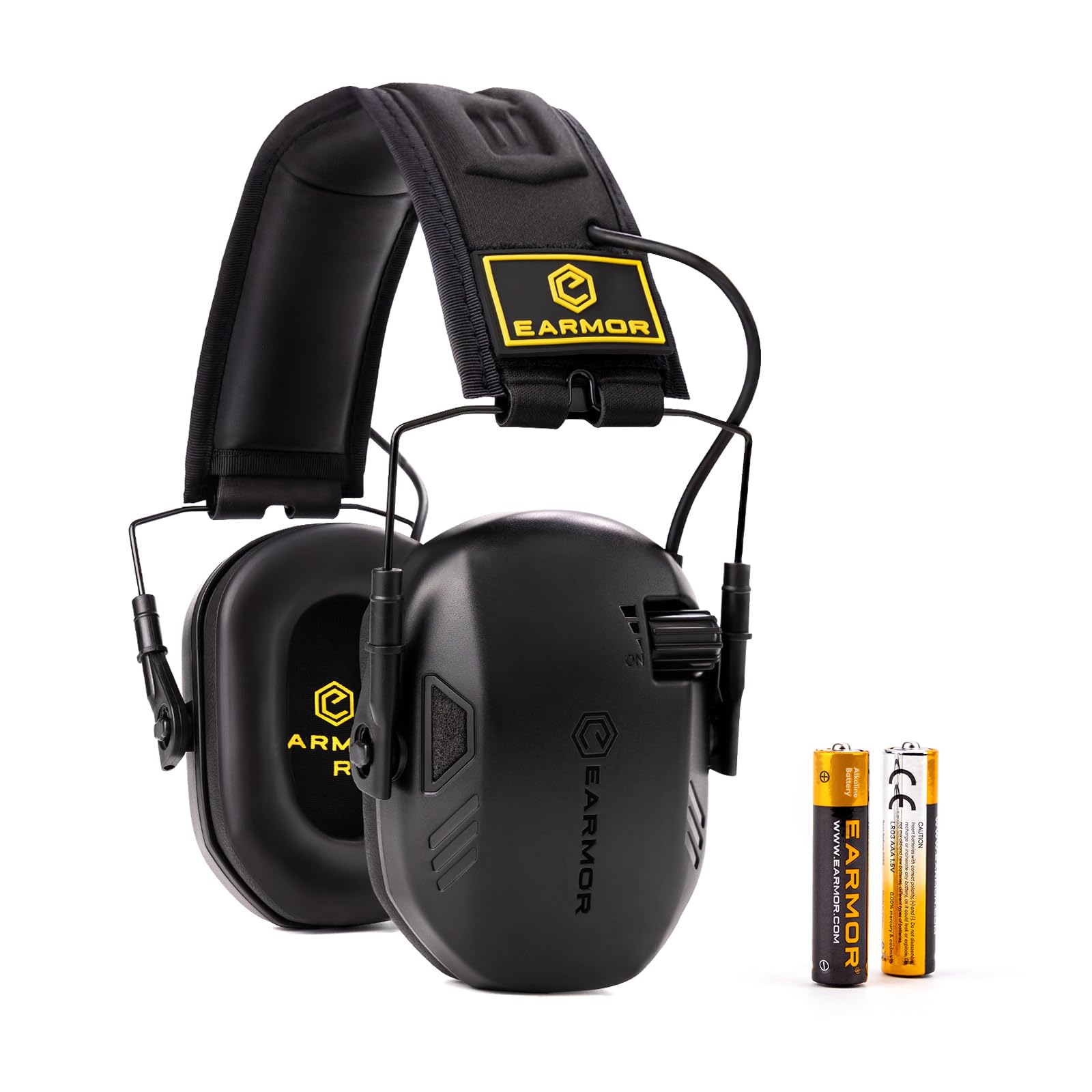


Who Should Buy Which Shooting Earmuffs?
Choose compact folding passive muffs for easy storage, simple passive or entry electronic muffs for weekend beginners, proven electronic muffs for frequent shooters and durable, weather ready models for hunting in tough conditions. Here is how each group differs.
For Small Spaces and Easy Storage
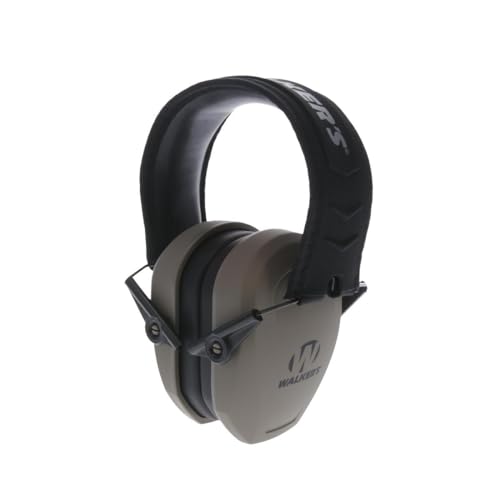
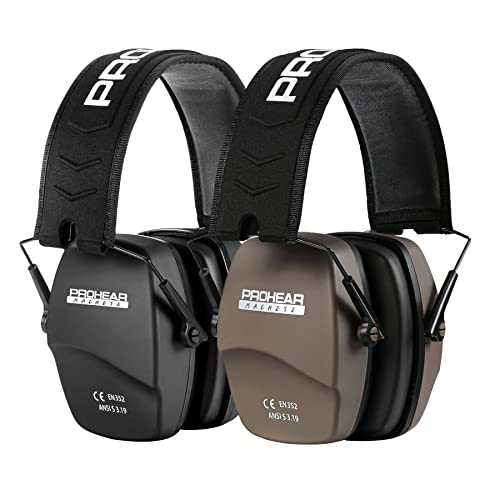
If you keep gear in a range bag or truck, choose compact, folding muffs. The Walker's Razor Slim Passive Earmuff folds flat, uses ultra low profile earcups and carries an NRR of 27 dB. The PROHEAR 016 two pack folds compactly, comes with a carrying bag and lists NRR 26 dB.
Compact passive muffs need no batteries and are inexpensive, so you can keep a spare pair for guests. The trade off is hearing conversation, since passive muffs block all sound, including range commands.
Passive muffs also make good spares for lawn mowing, woodworking and other loud chores. PROHEAR lists ANSI S3.19 and CE EN 352-1 standards and recommends its 016 muffs for hunting, mowing and woodworking as well as shooting.
For Weekend Beginners
Weekend shooters do best with simple, comfortable muffs. A passive pair like the PROHEAR 016 is a low cost start, while entry electronic muffs like the Caldwell E-MAX Pro let you hear instructions at the range without removing protection.
Many beginners benefit from electronic muffs because they make range safety briefings and conversations easier, which encourages keeping muffs on. Pair muffs with foam earplugs for extra protection at indoor ranges.
Fit is key for beginners. Adjust the headband so the cups sit fully over your ears with even pressure. If you wear glasses, choose thin temple frames or shooting glasses designed to sit under muffs, which helps maintain the seal.
Range staff can also help. Many ranges sell or rent hearing protection, which lets beginners try a style before buying, and staff can explain range rules about double protection indoors.
For Frequent or Serious Users
Frequent shooters benefit most from proven electronic muffs. The Howard Leight Impact Sport uses directional microphones to amplify range commands and ambient sound to a safe 82 dB, automatically shutting off amplification when sound exceeds 82 dB, with an NRR of 22. It folds, has low profile earcups for stock clearance and offers about 350 hours of battery life from 2 AAA batteries.
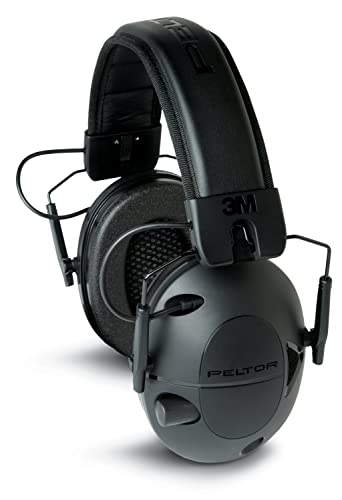
The Peltor Sport Tactical 100 adds variable suppression time to reduce echoes indoors and recessed microphones that reduce wind noise. Premium models like the Sordin Pro-X add gel ear pads for comfort and a better seal over long days.
Frequent users should also consider sound quality. Better electronic muffs reproduce sound more naturally and respond faster to gunshots, which reduces fatigue over a long day. Stereo microphones help you judge the direction of sounds, useful for range safety and hunting.
For Bad Weather and Tough Conditions
Hunters face rain, cold and long hours outdoors. Look for durable cups, recessed microphones that resist wind noise and damage, padded headbands and gel or soft foam cushions that stay comfortable in the cold. The Peltor Sport Tactical 100 and Sordin Pro-X target these conditions.
Electronic muffs also help hunters hear game and companions while protecting against gunshots. Keep spare batteries in your pack, since cold weather drains them faster.
In cold weather, foam cushions can stiffen and lose their seal. Gel cushions stay softer, and keeping muffs inside your coat between uses helps. In rain, protect electronics with a hat brim or hood and dry the muffs thoroughly afterward.
Key Features to Compare in the Best Shooting Earmuffs
Noise reduction rating, passive or electronic design, fit and comfort, low profile cups and portability matter most. Here is how each feature affects real use.
Indoor vs Outdoor Use
Indoor ranges are louder than outdoor ranges because sound reflects off walls and ceilings. Many shooters double up with foam earplugs under earmuffs indoors for extra protection. Electronic muffs with adjustable suppression, like the Peltor Sport Tactical 100, help reduce echoes.
Outdoors, wind noise matters for electronic muffs, so recessed microphones help. Passive muffs work well in both settings.
Muzzle brakes and short barrels increase noise and concussion for nearby shooters. At ranges where these are common, double protection is especially worthwhile.
Materials and Construction
Quality muffs use sturdy composite cups, durable headbands and comfortable cushions. Foam cushions are common, while gel cushions, like those on the Sordin Pro-X, seal better around glasses and feel cooler. Rubberized coatings resist scratches.
Check that cushions are replaceable, since they wear out and lose their seal over time.
Headbands vary from padded plastic to wire frames. Wire frame headbands, like the Walker's Razor Slim's metal wire frame, flex without breaking and fold compactly.
Low profile cups, like those on the Howard Leight Impact Sport and Peltor Sport Tactical 100, are shaped to clear rifle and shotgun stocks, which keeps the seal intact when you shoulder a long gun.
Skill Level and Intended Use
The Noise Reduction Rating (NRR) shows how much a muff reduces noise in laboratory conditions; real world protection is usually lower. Passive muffs often reach higher NRRs, such as 26 to 27 dB, while electronic muffs commonly sit around 22 to 25 dB but let you hear safely.
Rifle and shotgun shooters need low profile cups for stock clearance. Pistol shooters can use larger cups. Competitive shooters often prefer electronic muffs for hearing commands.
NRR numbers are lab results, and real world protection depends heavily on fit. A common rule of thumb from OSHA for estimating real protection is to subtract 7 from the NRR and divide by 2, which shows why a good seal and double protection matter for loud firearms.
Value and Included Accessories
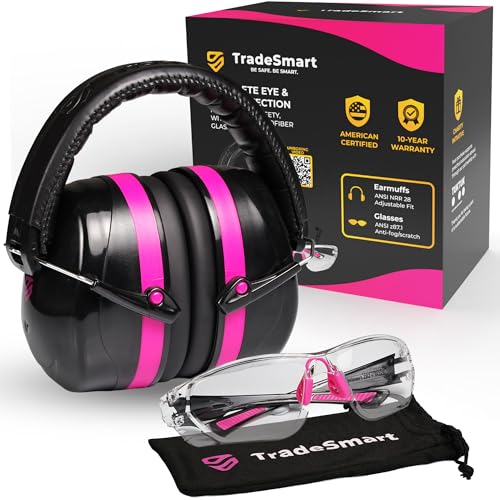
Two packs, like the PROHEAR 016, offer value for couples and families. Some kits, like the TradeSmart set, include safety eyewear. Electronic muffs may include AUX inputs for music or radios; the Howard Leight Impact Sport includes an AUX cable.
Consider battery costs and whether the muffs include batteries.
Bluetooth models, like the Howard Leight Impact Sport Bluetooth, let you take calls or stream audio, but they cost more and offer a lower NRR. Decide whether connectivity is worth it for how you shoot.
Portability and Storage
Folding designs and carrying bags protect muffs in range bags. Compact muffs fit smaller heads, including youth and women shooters; Walker's designs the Razor Slim for smaller heads. Remove batteries from electronic muffs during long storage to prevent corrosion.
Keep muffs in a hard or padded case if you travel, since crushed cups or bent headbands reduce the seal. A dedicated pouch also keeps cushions clean and free of grit.
A carabiner on your range bag lets you clip muffs outside when space is tight, though a case offers better protection.
Common Mistakes to Avoid When Buying Shooting Earmuffs
- Choosing by NRR alone. Comfort and fit matter; muffs that hurt get taken off.
- Ignoring glasses. Eyewear arms break the seal; thin temples and gel cushions help.
- Skipping earplugs indoors. Double protection is wise at loud indoor ranges.
- Buying bulky cups for rifles. High cups bump stocks; choose low profile designs.
- Forgetting spare batteries. Electronic muffs lose amplification when batteries die.
Another mistake is assuming hearing damage only comes from big calibers. Even .22 rimfire is loud enough to harm hearing over time, so wear protection for every shot.
Some shooters also buy muffs that are too tight in the hope of better protection. Excessive clamping pressure causes headaches and leads people to remove muffs between strings. Choose a firm, even fit that you can wear comfortably all session.
Care and Maintenance Tips
Wipe cushions and headbands with a damp cloth after use to remove sweat and dirt, and let them dry. Replace ear cushions when they flatten, crack or lose their seal, often every year or two with regular use. Store muffs in a cool, dry place, away from direct sun, and remove batteries from electronic models during long storage. Check microphones and battery compartments for moisture after wet hunts.
Inspect the seal before each range trip. Cracked or hardened cushions let sound leak in and can cut protection significantly, so replace them as soon as they show wear. Check that the headband still applies firm, even pressure, since a stretched headband loosens the seal.
Shooting Earmuffs: Your Questions Answered
Indoor vs outdoor: does it matter?
Yes, indoor ranges are louder because sound reflects off walls, so higher protection or double protection with earplugs is recommended. Outdoors, sound dissipates more, though gunfire is still damaging. Electronic muffs with recessed microphones handle outdoor wind better.
Many indoor ranges require hearing protection for everyone in the shooting area, including spectators, so bring a spare pair for guests.
How long does it last?
Quality shooting earmuffs last many years with care. Ear cushions and headband pads wear out first and are often replaceable. Electronic components can last several years; replace muffs if cups crack, the headband loses tension or electronics fail.
Battery compartments are a common failure point on electronic muffs; removing batteries between seasons prevents corrosion that can ruin the electronics.
Keeping replacement cushion kits on hand means you can refresh the seal at the first sign of wear instead of buying new muffs.
Is it worth buying premium as a beginner?
Beginners do not need premium muffs, but entry electronic muffs are worth considering because they make range communication easier. Passive muffs offer excellent protection at a low price. Upgrade to premium models if you shoot often or hunt in demanding conditions.
A practical approach is to start with a quality passive pair plus foam earplugs, then add electronic muffs once you know you enjoy shooting regularly.
What size should I get?
Most earmuffs have adjustable headbands that fit a wide range of adults. Smaller adults and youth shooters may prefer compact designs like the Walker's Razor Slim or youth models like the Howard Leight Impact Sport Youth. Check that cups fully cover your ears and seal comfortably.
For kids, choose youth sized muffs and check the fit often, since a loose seal reduces protection. Many families keep an adult pair and a youth pair in the range bag.
People with very large heads or thick hair may need models with extra headband adjustment, while those with small heads often find compact designs seal better.
Final Thoughts
The best shooting earmuffs protect your hearing and fit the way you shoot. Compact passive muffs like the Walker's Razor Slim suit easy storage, entry electronic muffs like the Caldwell E-MAX Pro suit beginners and proven electronic muffs like the Howard Leight Impact Sport and Peltor Sport Tactical 100 suit frequent shooters and hunters. Focus on NRR, fit and comfort, and consider double protection indoors.
For more outdoor gear guides, see the best shooting earplugs, the best binoculars for shooting, the best shooting boots and the best cameras for shooting wildlife. Then compare current prices in the product table above.
Whatever you choose, the most important rule is simple: wear hearing protection every time you shoot or stand near shooters. Consistent use matters more than having the most advanced muffs.


