
Best Shaving Machine for Man: A Complete Buying Guide
Disclosure: We may earn a commission when you buy through links on this page, at no extra cost to you. As an Amazon Associate I earn from qualifying purchases. Learn more
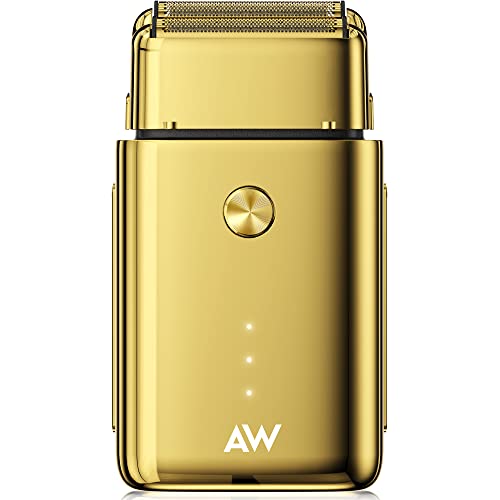
Shaving with a blade every morning gets old fast, especially if your skin reacts with redness, bumps, or that tight, raw feeling by lunchtime. That is usually the moment a guy starts looking for the best shaving machine for man use, and quickly discovers the choice is not as simple as picking whatever has the most stars. Cutting system, skin sensitivity, hair texture, and how much upkeep you are willing to do all change which machine actually works for your face. This guide walks through the decisions that matter: foil versus rotary, wet versus dry, coarse hair handling, what the price actually buys you, and how to keep a shaver running for years instead of months.


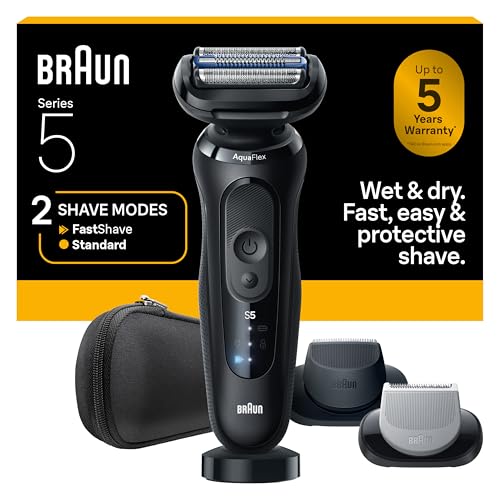
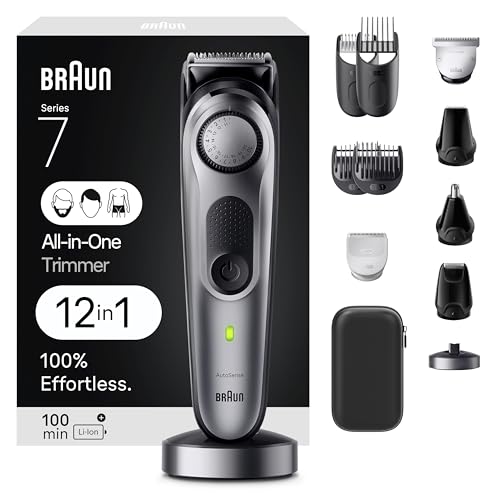

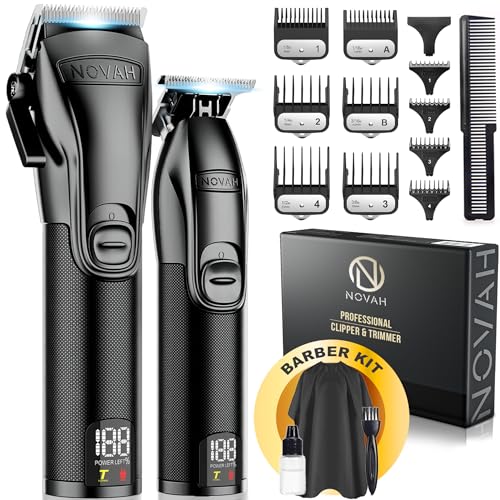
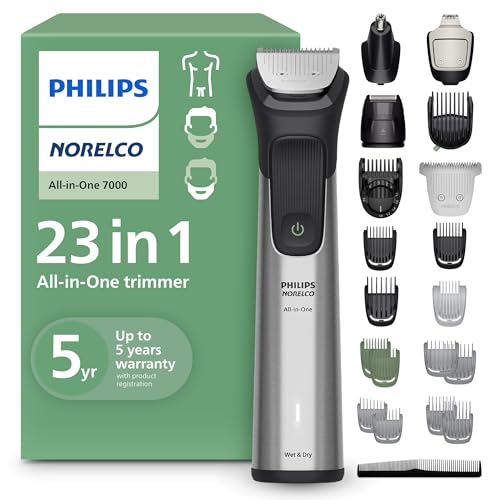



Foil or Rotary: Matching the Cutting System to Your Face
Every electric shaver on the market uses one of two cutting systems, and this single choice affects closeness, comfort, and how forgiving the machine is with your technique.
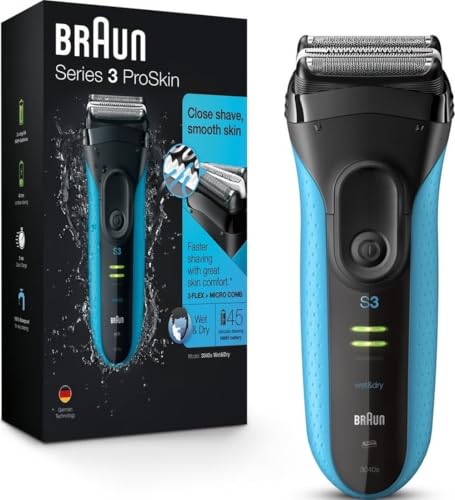
Foil shavers
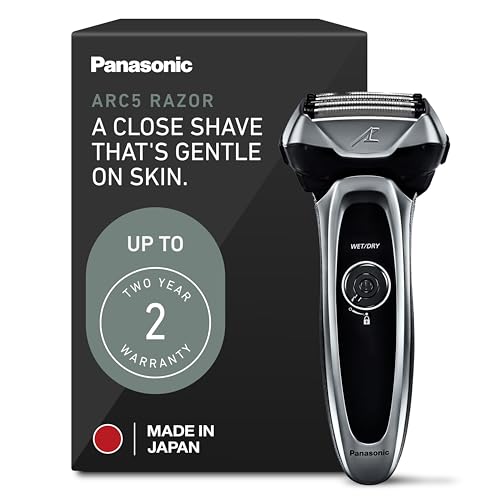
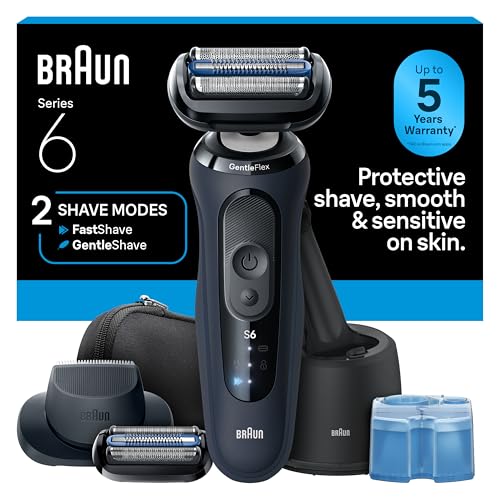
A foil shaver has thin, perforated metal strips covering oscillating blades underneath. You shave in short, straight strokes against the grain, similar to how you would move a blade razor. Foil heads tend to deliver a closer shave and work especially well on straight or fine facial hair, which is why they are popular for a sharp, clean everyday look. The tradeoff is technique: foil shavers reward a consistent stroke pattern and can feel less forgiving if you rush.
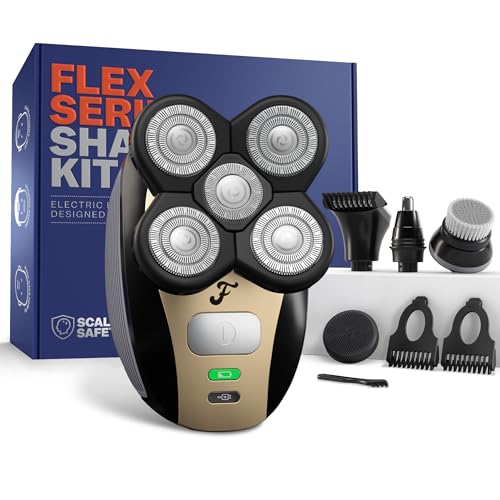
Rotary shavers
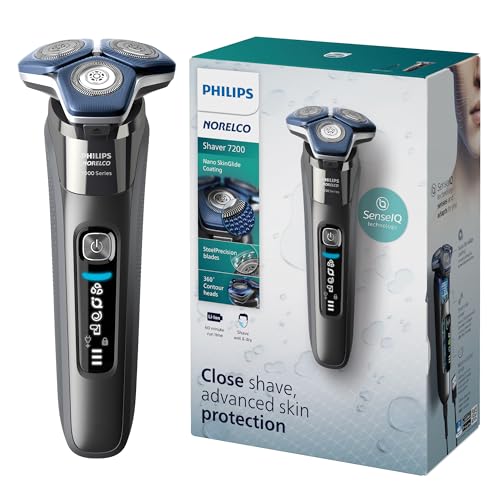
Rotary heads use three or four circular blades that spin independently and pivot to follow the curves of your jaw, neck, and chin. That flexibility makes rotary shavers more forgiving with sloppy technique and generally faster to use in circular motions rather than straight passes. They tend to handle curly or coarse hair growing in multiple directions a little better than foil, since the spinning heads can approach hair from more angles.
Neither system is objectively better. If your hair grows in a fairly uniform direction and you want the closest possible finish, foil usually wins. If your jawline has a lot of contour or your hair grows in swirls and different directions, rotary tends to feel more comfortable day to day.
Wet Shaving or Dry Shaving: What Actually Changes on Your Skin
Most mid-range and premium electric shavers today are rated for both wet and dry use, but that does not mean the two methods feel the same. Shaving dry, straight out of the case, is faster and skips the mess of foam or gel, which matters if you are shaving before work and every minute counts.
Shaving wet with a gel or foam adds a thin protective layer between your skin and the cutting heads, which reduces friction and tends to lower the odds of redness or that raw feeling afterward. If your skin reacts badly to a dry pass, wet shaving in the shower is often the easier fix, and a well-lit space at the sink or in the shower makes it much easier to see missed patches before you towel off. A shower head with brighter, more even lighting or a properly lit mirror at the sink genuinely helps here, since most nicks and missed spots happen from shaving in dim light rather than from the shaver itself.
There is no universal right answer. Sensitive skin generally does better wet. A rushed weekday morning usually favors dry. Plenty of guys switch between the two depending on the day, which is one reason wet/dry capability is worth prioritizing even if you plan to shave dry most of the time.
Why Razor Bumps and Ingrown Hairs Keep Coming Back
This is one of the most common complaints that pushes people toward an electric shaver in the first place. Ingrown hairs happen when a cut hair curls back and re-enters the skin instead of growing straight out, and curly or coarse facial hair is far more prone to this than straight hair. Manual blade razors cut hair at a sharp angle right at the skin's surface, which raises the odds of that angled hair curling back in.
Electric shavers, particularly rotary models, generally leave a very slightly longer cut and do not press as hard against the skin, which tends to reduce (though not eliminate) ingrown hairs and bumps for a lot of users with curly or coarse growth. That said, an electric shaver is not a guaranteed cure. Pressing too hard, going over the same patch of skin repeatedly, or using a shaver with a dull or worn head can still cause irritation. If bumps have been a recurring issue, it is worth easing into an electric shaver gradually, shaving every other day at first rather than switching cold turkey to daily use.
Price, Motor Power, and What You're Actually Paying For
Shavers at the low end of the price range and models several times more expensive can look nearly identical in photos, which makes the price gap confusing until you know what changes as you spend more. Once you understand what drives that gap, finding the best shaving machine for man use within your budget gets a lot easier.
Motor power for coarse or dense hair
A stronger, faster motor cuts through thick beard growth in fewer passes and with less tugging. If your beard grows in fast and dense, an underpowered shaver will leave you going over the same spot three or four times, which is exactly the repeated-friction pattern that causes irritation. This is usually the single biggest jump in quality between entry-level and mid-range models.
Number of cutting elements and precision tools
More expensive shavers typically add extra cutting heads or foils, a pop-up precision trimmer for sideburns and the mustache line, and sometimes a charge display. These extras add convenience but do not necessarily mean a closer shave on their own, so weigh them against how much you would actually use them.
Portability and travel features
If you travel often, a travel lock (to stop the shaver turning on inside a bag), a compact charging case, and dual-voltage charging are worth checking for. It is the same logic that applies when picking a compact hair dryer for travel: smaller and lighter only helps if the device still performs when you actually need it.
Keeping It Running: Cleaning, Charging, and Blade Replacement
A shaver's day-to-day performance drops off fast if it is not maintained, and this is where a lot of buyers get surprised by ongoing costs they did not plan for.
Rinsing the head under running water after each use clears out most loose hair and residue, and it is enough for a lot of users, especially with basic models. Self-cleaning stations do a more thorough job with a cleaning solution cartridge, but those cartridges are a recurring cost, usually replaced every couple of months, so factor that into the real price of a premium shaver rather than just the sticker price.
Foils and cutting blocks dull over time and are typically recommended for replacement roughly once a year to every couple of years, depending on use, to keep the shave close and comfortable. Batteries in most modern shavers last several years with normal care, though how many years depends heavily on how often you fully drain and recharge it versus topping it off. Keeping the charging routine consistent, the same habit that keeps an electric toothbrush or any other rechargeable bathroom device performing well over time, goes a long way toward getting the full lifespan out of the machine.
Good lighting at the sink also makes a difference here, since it is much easier to spot buildup around the cutting heads or a foil that is starting to look worn under a well-lit bathroom mirror than under a dim overhead light.
Frequently Asked Questions
Is a foil or rotary shaver better?
Neither is universally better. Foil shavers usually give a closer shave on straight or fine hair, while rotary shavers are more forgiving and tend to handle curly or multidirectional hair growth more comfortably.
Do electric shavers cause fewer ingrown hairs than manual razors?
For a lot of people with curly or coarse hair, yes, since electric shavers do not cut as sharply at the skin's surface. They are not a guaranteed fix, and heavy pressure or repeated passes can still cause irritation.
Can an electric shaver handle thick or coarse beard hair?
A shaver with a strong, fast motor can, though thick growth generally needs more passes than a fresh blade would. Underpowered motors struggle and can leave patchy results.
Is wet shaving better than dry shaving with an electric shaver?
Wet shaving with gel or foam tends to reduce friction and irritation, which helps sensitive skin. Dry shaving is faster and more convenient for a rushed morning. Many people use both depending on the day.
How long does an electric shaver actually last?
With normal care, most shavers last several years before performance drops off, largely tied to battery health and how worn the cutting heads get.
How often do you need to replace the blades or foil?
Roughly once a year to every couple of years for average daily use, sooner if you shave very frequently or notice pulling and tugging during a shave.
Do you need a cleaning station, or is rinsing enough?
Rinsing under water after each use is enough for most people. A cleaning station adds convenience and a more thorough clean but comes with a recurring cartridge cost.
Making the Right Call for Your Face
There is no single best shaving machine for man everywhere. The right pick comes down to matching the cutting system to your hair growth pattern, deciding how much wet-versus-dry flexibility you actually need, and being honest about how much maintenance you are willing to keep up with. Get those three things right and almost any shaver in a reasonable price range will treat your skin better than guessing.