
Best Bathroom Mirror With Lights: Complete Buying Guide
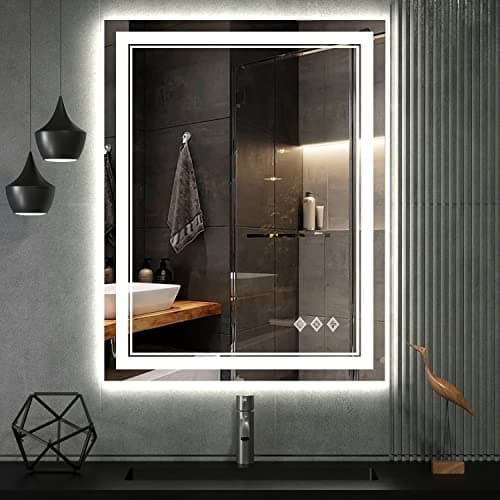
A complete guide to choosing the best bathroom mirror with lights, covering LED style, color temperature, anti-fog technology, installation, and sizing.
Shopping for the best bathroom mirror with lights means balancing three things: how the light renders your skin tone, how the mirror fits your vanity, and how it actually gets installed on your wall. A lighted mirror does more than illuminate a room. It changes how accurately you see your reflection while shaving, applying makeup, or checking your outfit before you leave the house. The wrong color temperature can wash you out or cast strange shadows, while the wrong size can crowd a small vanity or leave a large one looking bare. This guide walks through the features that actually matter, from brightness and installation type to moisture ratings, so you can compare options with confidence.
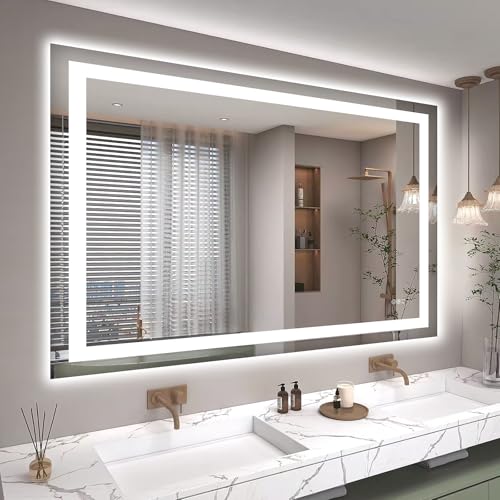
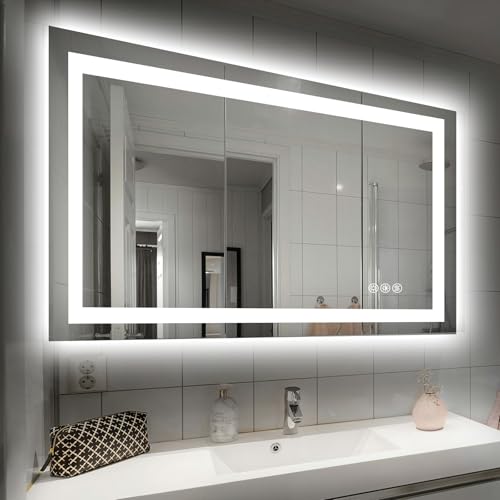
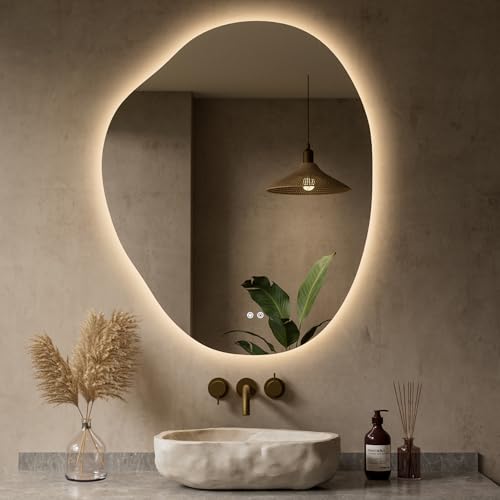
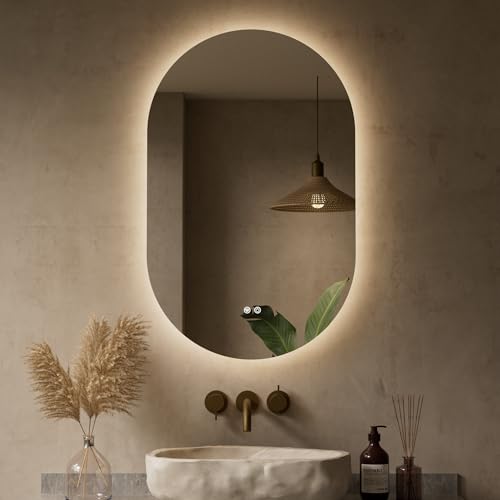
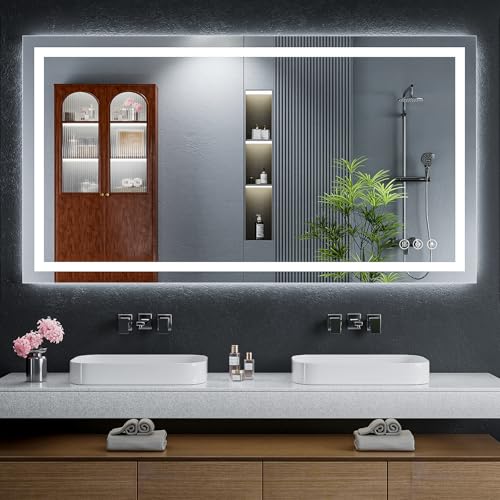
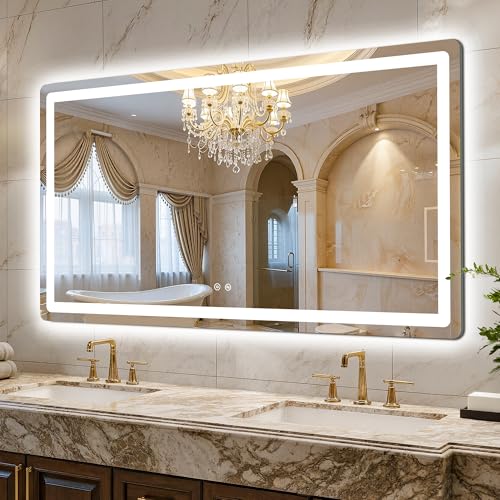
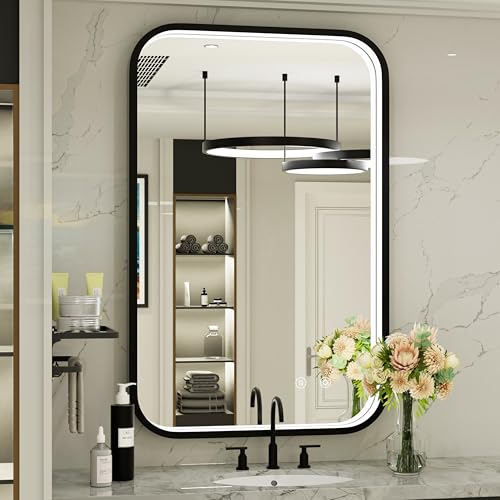
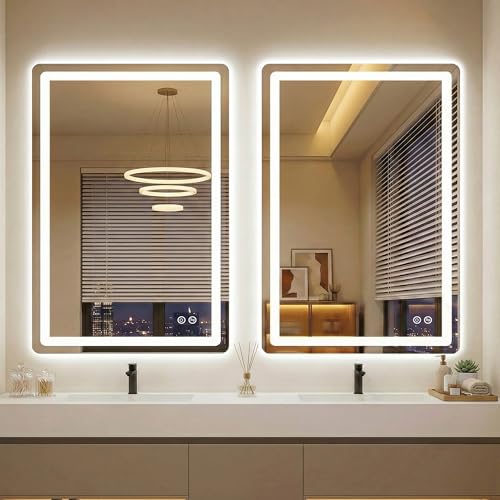
Light Color Temperature and Brightness for True-to-Life Reflections
Color temperature is measured in kelvin, and it determines whether the light looks warm and yellow or cool and blue. A mirror around 3000K feels cozy and flattering for evening routines, while something closer to 5000K to 6000K reads crisp and clinical, closer to daylight. Most bathrooms land comfortably in the 4000K range, since it renders skin tones naturally without feeling harsh.
Brightness matters just as much as color. Look at lumens rather than watts, since lumens tell you actual light output while watts only measure energy draw. For close-up tasks like applying makeup or shaving, you want even, shadow-free light spread across the whole face rather than one bright spot in the center.
Why CRI is worth checking
The color rendering index, or CRI, tells you how accurately a light source reveals true colors compared to natural daylight. A CRI of 90 or higher makes a noticeable difference for makeup application and skin tone accuracy, so it is worth prioritizing over a slightly cheaper mirror with an unlisted or low CRI rating. Some mirrors also let you switch or dial between color temperatures, which is handy if the same mirror needs to work for a bright morning routine and a softer evening one.
Backlit, Front-Lit, and Edge-Lit Mirrors Compared
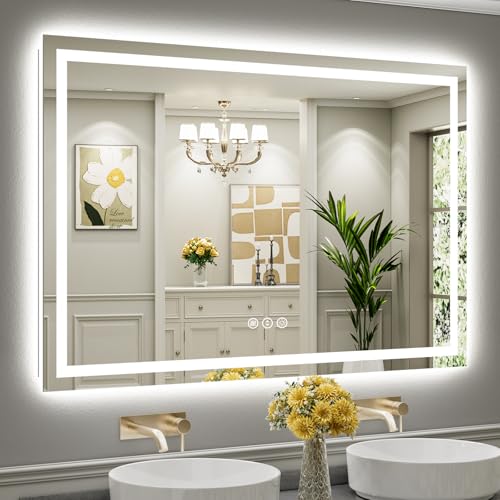
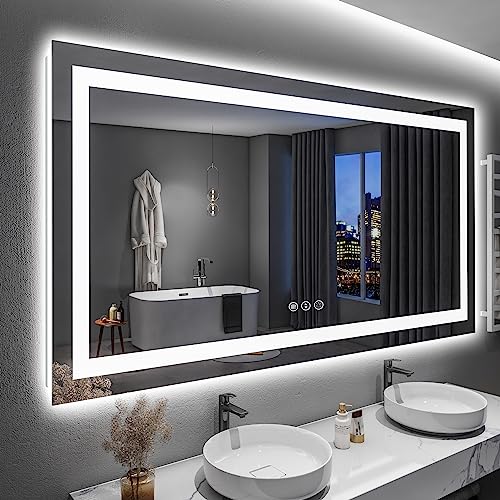
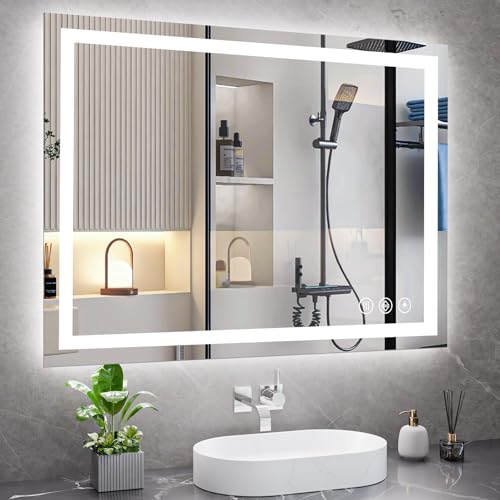
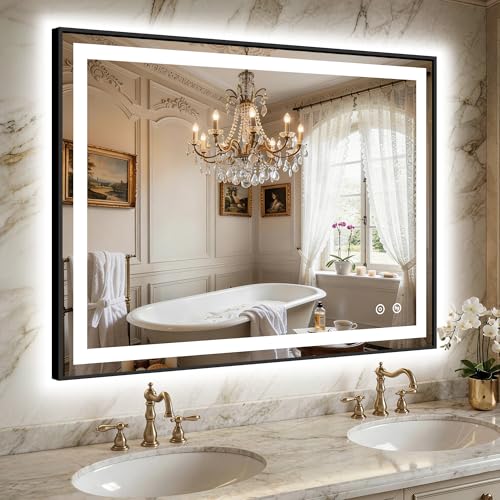
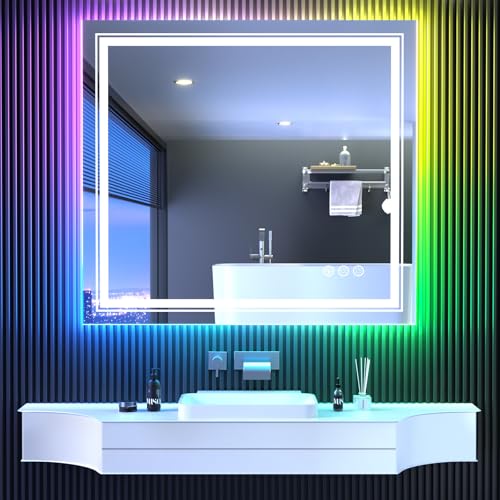
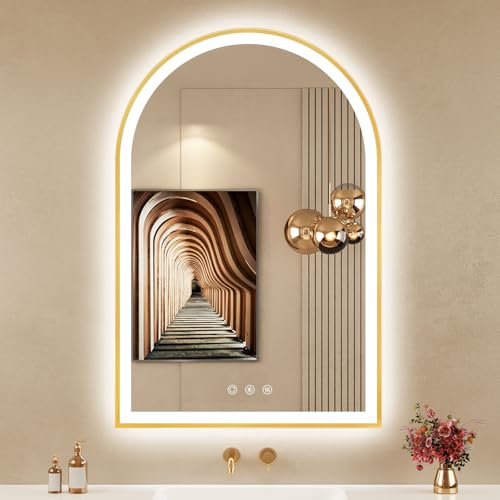
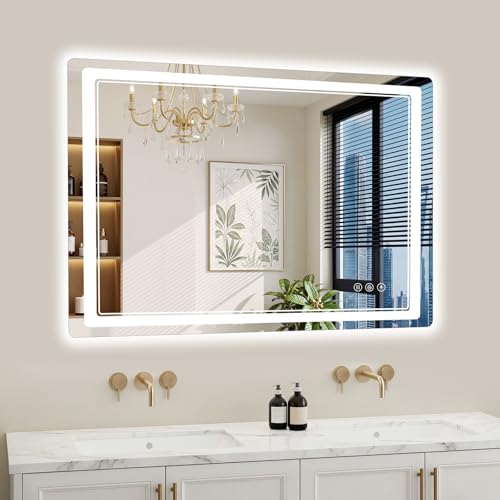
Front-lit mirrors position LED strips or bulbs around the frame so light shines directly onto your face, which is the most functional layout for grooming and makeup tasks. Backlit mirrors instead hide the light source behind the glass, casting a soft glow around the perimeter that looks striking but provides less direct task lighting. Edge-lit mirrors sit somewhere in between, using a thin light strip embedded along the mirror's edge to create even illumination without bulky hardware.
When people search for the best bathroom mirror with lights, they often assume backlit models are automatically the better choice because they look more modern, but that isn't always true for practical use. If your main goal is accurate task lighting for shaving or makeup, a front-lit or edge-lit design will usually serve you better than a purely decorative backlit halo. For a mirror built specifically around close-up detail work, it can help to look at options designed as lighted makeup mirrors, which prioritize adjustable, direct lighting over ambient glow.
Matching Mirror Size to Your Vanity and Wall Space
A lighted mirror should generally sit a few inches narrower than your vanity or sink area on each side, so it reads as proportional rather than oversized or cramped. For a single-sink vanity, a mirror between 24 and 36 inches wide is typical, while double-vanity setups usually call for either one wide mirror spanning both sinks or two matching mirrors centered above each basin.
Height matters too. Most lighted mirrors are hung so their centerline sits roughly at eye level for the average household member, with enough clearance above the faucet to avoid splashes reaching the electrical components. If you are still finalizing the vanity itself, it helps to plan the mirror and cabinet together. A detailed bathroom vanity buying guide can help you settle on dimensions before you commit to a mirror size, since resizing a vanity after the mirror is mounted is far more disruptive than the reverse.
Recessed medicine-cabinet-style lighted mirrors are worth considering in smaller bathrooms, since they sit flush with the wall and add storage without eating into floor space, though they require more precise wall preparation than a surface-mounted model.
Hardwired or Plug-In: What Installation Involves
Hardwired mirrors connect directly to your home's electrical wiring, which gives a clean, cord-free look and lets you control the mirror from a wall switch. That clean result comes with a tradeoff: hardwiring in a bathroom typically needs a licensed electrician, since the circuit must be GFCI-protected and the wiring has to meet local code for wet or damp locations.
Plug-in mirrors are far simpler to install yourself. They connect to a standard outlet the same way a lamp would, though that outlet still needs GFCI protection if it sits within a few feet of a sink or shower. The visible cord is the main compromise, and some homeowners route it behind the vanity or through a small wall channel to keep things tidy.
Before mounting either type, confirm the wall can support the mirror's weight. Larger glass mirrors are heavy, and drywall alone usually isn't enough. Anchoring into wall studs, or using rated anchors rated for the mirror's full weight, keeps the installation secure over years of daily use.
Anti-Fog Pads, Touch Controls, and Moisture Ratings
Bathrooms are humid, so any mirror with electrical components needs to be built for that environment. Look for an IP rating, which measures resistance to moisture and dust; anything in the IP44 range or higher is generally considered suitable for typical bathroom placement near, but not directly inside, a shower spray zone. A UL or ETL listing is another signal worth checking, since it means the electrical components have been independently tested for safety in wet-area use.
Anti-fog pads, sometimes called defoggers, sit behind the glass and gently warm it so steam doesn't condense into a visible haze. They typically need a few minutes to clear the glass after a hot shower, and most only keep the central viewing area fog-free rather than the entire surface. Touch controls for brightness and color temperature are common on modern lighted mirrors, and they hold up better in humid conditions than mechanical buttons, since there are no physical switches for moisture to seep into over time.
Frequently Asked Questions
What color temperature is best for a bathroom mirror?
Around 4000K works well for most people, since it renders skin tones naturally without looking too warm or too clinical. If you want flexibility, choose a mirror with adjustable color temperature instead of a fixed one.
Do LED bathroom mirrors need a professional to install?
Plug-in models can usually be installed without professional help, similar to hanging a regular mirror. Hardwired models typically require a licensed electrician to connect to your home's wiring safely and to code.
How long do anti-fog pads take to clear the mirror?
Most defoggers need three to five minutes to warm the glass enough to prevent condensation. They usually keep the central area clear, so the outer edges may still fog slightly during a long, hot shower.
Are dimmable lighted mirrors worth the extra cost?
Dimmable and adjustable-CCT mirrors give you more control for different times of day, which many people find worthwhile since a single fixed brightness rarely suits both morning and nighttime routines equally well.
What size mirror fits a standard vanity?
For a single sink, aim for a mirror a few inches narrower than the vanity on each side, usually in the 24 to 36 inch range. Double vanities generally need a wider mirror or two mirrors centered above each sink.
Can a lighted mirror go directly above a sink with no gap?
It's better to leave a small gap between the faucet and the bottom of the mirror to reduce water splashing onto the frame or electrical components, even on models rated for moisture resistance.
Is a higher CRI rating really noticeable?
Yes, especially for makeup application. A CRI of 90 or above shows skin tones and colors much closer to how they appear in natural daylight compared to lower-rated lighting.
Weighing Your Priorities Before You Decide
There is no single mirror that fits every bathroom equally well, since the right choice depends on your vanity size, your wall's wiring situation, and whether you value hands-free brightness control over a simpler fixed setup. Once you know your priorities, from color temperature and CRI to installation type and moisture rating, comparing specific models becomes much easier. Keep your vanity dimensions and outlet or wiring plan handy, and the best bathroom mirror with lights for your space should stand out quickly.