Best LED Shower Head: A Complete Bathroom Buying Guide
Disclosure: We may earn a commission when you buy through links on this page, at no extra cost to you. As an Amazon Associate I earn from qualifying purchases. Learn more

Finding the best LED shower head for your bathroom comes down to understanding how these fixtures actually generate their glow, not just picking whichever one looks brightest in photos. Most models run entirely on the force of your water, spinning a tiny internal turbine that lights up the LEDs without a single battery involved. Others rely on replaceable or rechargeable batteries instead, which changes how much upkeep you're signing up for down the road. Water pressure, the type of color-change technology used, and how you actually plan to use the light, whether that's mood lighting for a soak or a quick visual cue on water temperature, all shape which fixture earns a permanent spot on your shower arm. This guide walks through what matters before you buy, along with the mechanics and use cases most quick-hit lists skip over entirely.


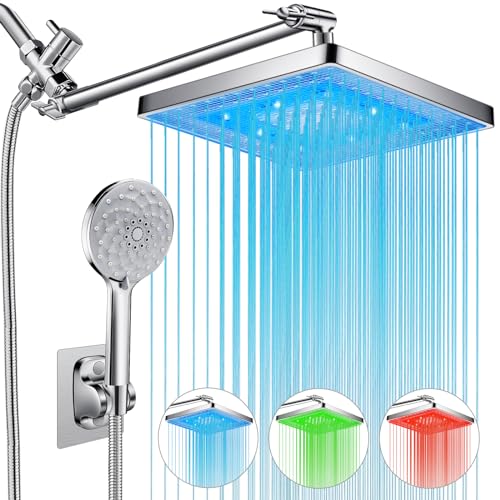

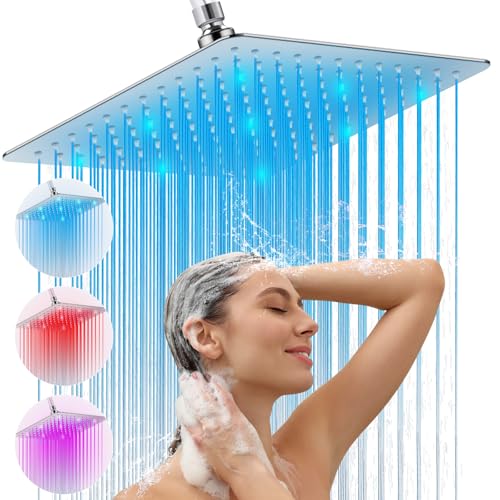
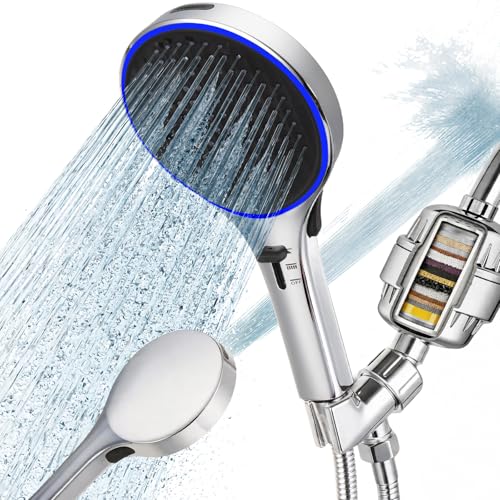
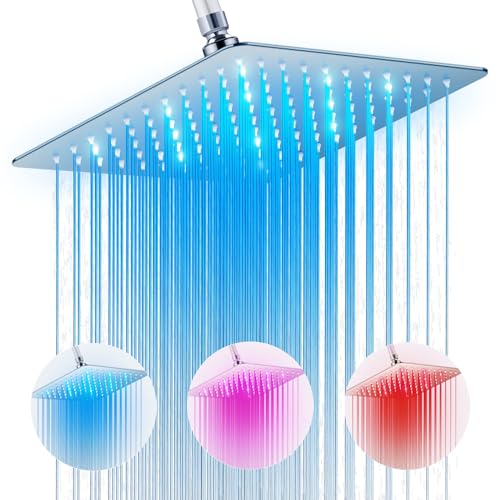
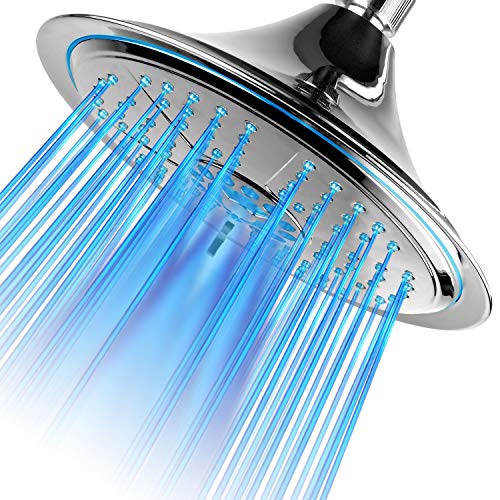
How Water-Powered LED Lighting Actually Works
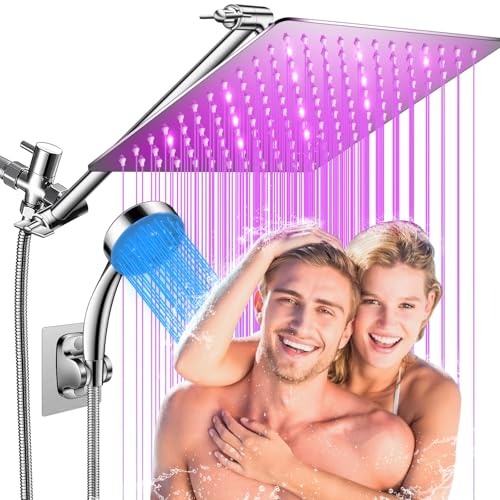
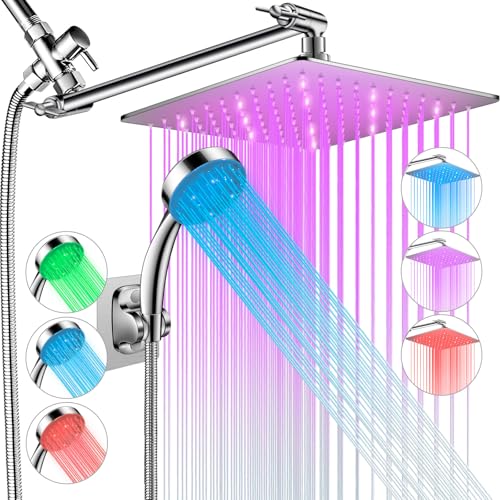
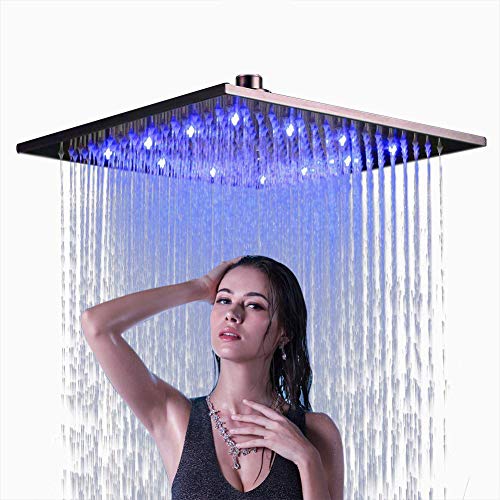
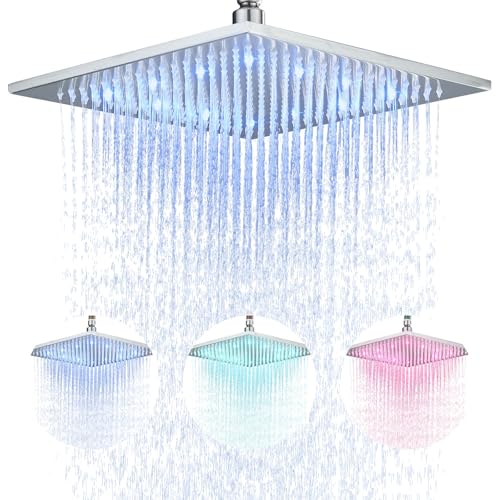
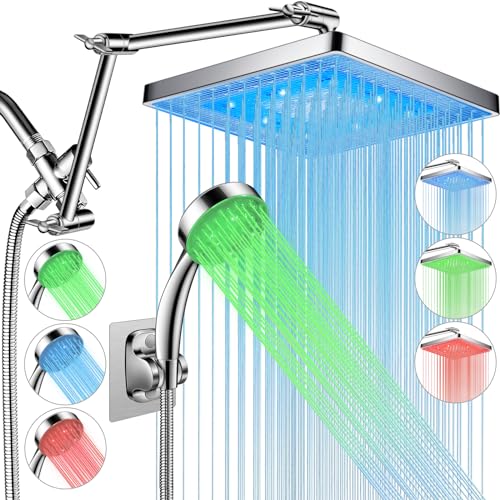
Nearly every fixture in this category uses a small hydro-turbine tucked inside the shower head housing. As water flows through, the turbine spins a tiny magnet past a coil of wire, generating just enough current to power a set of LEDs. No batteries, no wiring, no outlet anywhere nearby. The moment water stops flowing, the light shuts off on its own, and there's nothing left to charge or replace.
This differs from battery-powered or app-connected smart heads, which hold a charge even when the water is off and often bundle in extras like Bluetooth speakers or phone controls. A water-powered unit is simpler and essentially maintenance-free, but the light only works while water is actively moving through the head. If you like leaving a bathroom light glowing with the shower running but the tap shut off, this style won't do that for you.
Why Battery-Free Design Appeals to Most Buyers
Skipping batteries means skipping corrosion, skipping the moment the light dies mid-shower, and skipping the occasional teardown to swap cells in a humid, hard-to-reach housing. For a fixture that lives in a wet environment day after day, fewer components exposed to moisture is generally the safer bet.
Color-Change Modes: Temperature-Reactive vs. Fixed Color
Two different approaches show up under this label, and they are not interchangeable. Temperature-reactive models use a built-in sensor that reads the water as it passes through, then shifts the LED color along a scale, often green for cooler water, blue or purple for a comfortable range, and red once things heat up. Some units flash or strobe red when water crosses a scald-risk threshold, which works as a quiet visual warning for households with young kids or older adults.
Fixed-color or cycling models work differently. They rotate through a preset sequence of colors regardless of temperature, purely for ambiance, or let you lock in a single shade you like. If mood lighting for a relaxing soak matters more to you than a safety cue, this style fits better. Read the product description carefully, since "color changing" gets used loosely and can describe either behavior.
Water Pressure and Flow Rate: What Your Plumbing Needs to Support
Because the turbine needs moving water to generate power, weak water pressure is the most common reason an LED shower head disappoints someone after installation. Most units need a minimum flow rate, often somewhere around 1.0 to 1.5 gallons per minute, before the light turns on reliably. Homes on well water, older buildings with narrow pipes, or households running several fixtures at once can fall short of that threshold.
- Low-flow homes may see a dim, flickering, or inconsistent light rather than no light at all
- Multiple shower heads or handheld attachments sharing one line can each reduce the flow available to any single fixture
- Sediment or mineral buildup inside the head restricts flow over time, even when a home's overall pressure is fine
If your household already deals with weak water pressure, check your home's flow rate before buying, or look specifically for a model built to work at lower thresholds.
Swapping in an LED Shower Head: Installation Basics
Installation is one of the easier upgrades in a bathroom. These fixtures use the same standard threaded connection as a regular shower head, so no new plumbing, wiring, or professional help is typically needed. Unscrew the old head, wrap the shower arm threads with plumber's tape, then hand-tighten the new one and give it a final quarter turn with pliers if it needs one.
A couple of details are worth checking before you buy. Confirm the fixture uses a standard connector size rather than a proprietary fitting, and if you're choosing a handheld version, make sure the hose length and bracket suit your shower enclosure. Since there's no wiring involved, the whole swap usually takes under fifteen minutes from start to finish.
Where an LED Shower Head Makes the Biggest Difference
These fixtures tend to earn their keep in a few specific situations rather than being a universal upgrade. Parents often add one to a kids' bathroom, where the color-changing glow turns bath time into something a reluctant child looks forward to, while the temperature warning adds a layer of scald protection. When narrowing down the best led shower head for a kids' bathroom specifically, prioritize the temperature-warning feature over pure color variety.
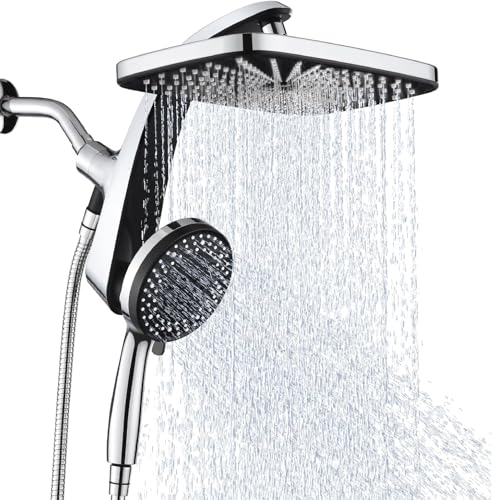
In a primary bathroom, a fixed-color or slow-cycling model can add ambiance for an evening soak without turning the room into a light show. Rental units and short-term housing benefit too, since the fixture unscrews as easily as it installs, making it simple to bring along or swap back to the original before moving out. For a household weighing spray style over the light feature, comparing a rain shower head alongside LED options can help clarify whether coverage or lighting matters more for a daily routine. Older adults or anyone sensitive to sudden temperature shifts benefit from the visual cue too, since it flags a spike in water temperature before it becomes uncomfortable.
Frequently Asked Questions
Do LED shower heads need electricity or batteries?
Most rely on a small internal turbine powered by water flow, so no batteries or outlet are needed. A smaller share of models use replaceable or rechargeable batteries instead, which adds occasional upkeep but lets the light run without water moving.
Will an LED shower head work with low water pressure?
It depends on the model's minimum flow requirement. Homes with weak pressure may see a dim or flickering light rather than a steady glow, so checking your home's flow rate before buying helps avoid disappointment.
Are LED shower heads safe to use since they mix water and light?
Yes. The electrical components sit inside a sealed housing separate from the water stream, and the low voltage generated by the turbine poses no shock risk during normal use.
How long do LED shower heads typically last?
Water-powered models tend to last for years since there are no batteries to degrade, though mineral buildup can eventually affect flow and dim the light. Periodic cleaning of the head extends its lifespan noticeably.
Can you replace a handheld shower head with an LED version?
Yes, as long as the hose connector uses a standard thread size. Most handheld LED models are designed as drop-in replacements for existing hoses and brackets.
Do the colors indicate exact water temperature?
They indicate a general temperature range rather than a precise number. Treat the color as a helpful visual cue, not a substitute for testing water temperature by hand, especially around young children.
Will installing one affect my water pressure or flow?
A well-fitted LED shower head shouldn't noticeably reduce pressure beyond what the turbine itself uses to generate power. Mineral buildup over time, not the light mechanism, is the more common cause of reduced flow.
Choosing the Right Fit for Your Bathroom
The best led shower head for your home depends less on how many colors it cycles through and more on how well it matches your water pressure, your reason for wanting the light, and how much hands-off convenience you want from the fixture. A water-powered, temperature-reactive model suits most households, while a fixed-color version fits anyone chasing ambiance over function. Match the fixture to your plumbing and your daily routine, and the light becomes a genuinely useful upgrade rather than a novelty that gets ignored after the first week.