
Best Robotic Pool Cleaner Under $1,500: Complete Buying Guide
Disclosure: We may earn a commission when you buy through links on this page, at no extra cost to you. As an Amazon Associate I earn from qualifying purchases. Learn more

Shopping for a robotic pool cleaner in the $1,000 to $2,000 range can feel confusing, because the feature lists start to blur together and the price tags don't always explain what you're actually paying for. If you're looking for the best robotic pool cleaner under $1,500, you're in the sweet spot where basic floor-only bots give way to machines that handle walls, waterlines, and smarter navigation, without stepping into premium territory. This guide breaks down what actually changes at this price point, where corded and cordless options fit, and how this tier compares to the budget models below it and the higher-end options above it. You'll also see how a robotic cleaner stacks up against a pressure-side cleaner, plus answers to the questions pool owners ask most often before buying.
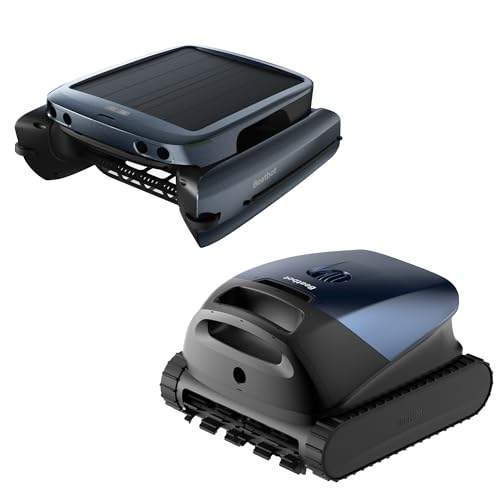
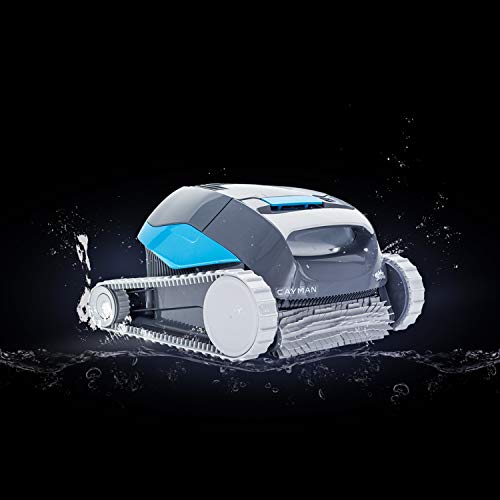
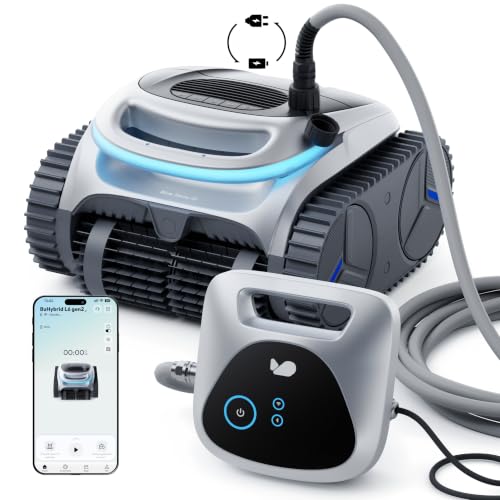
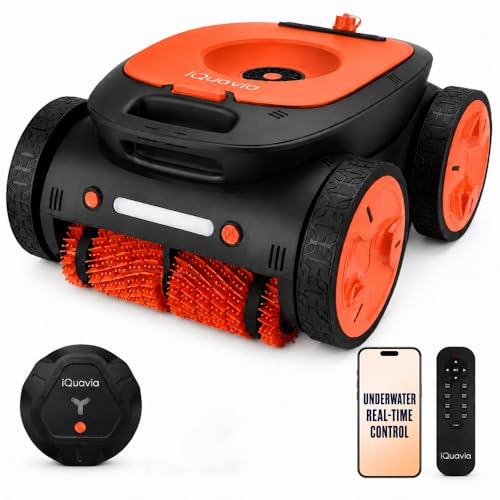

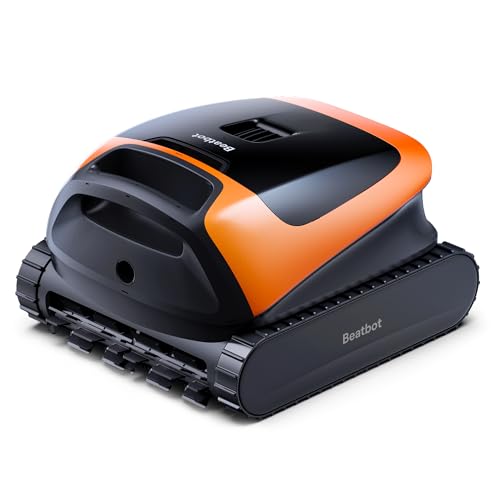
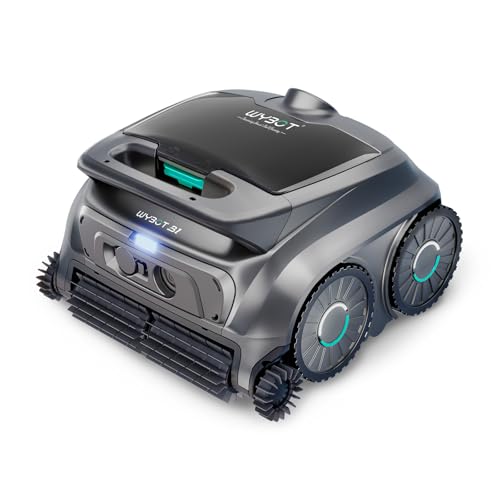
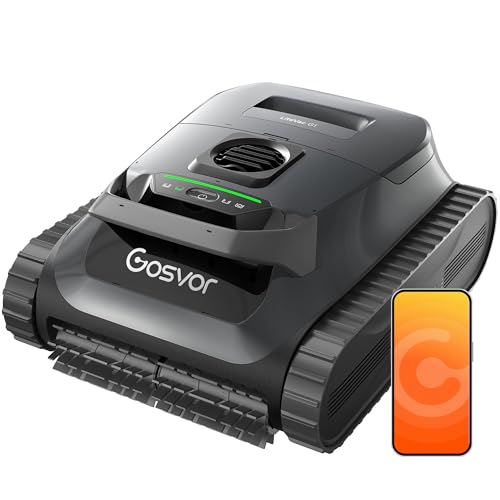

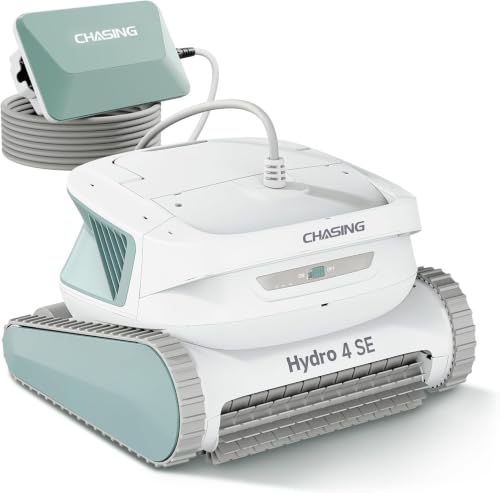
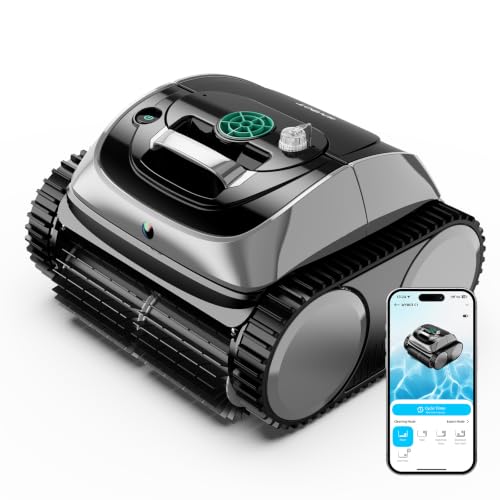
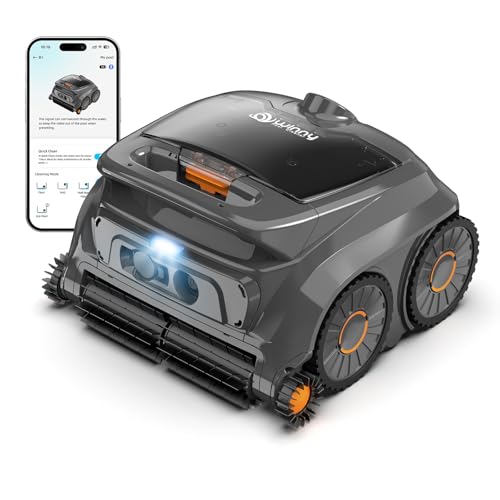
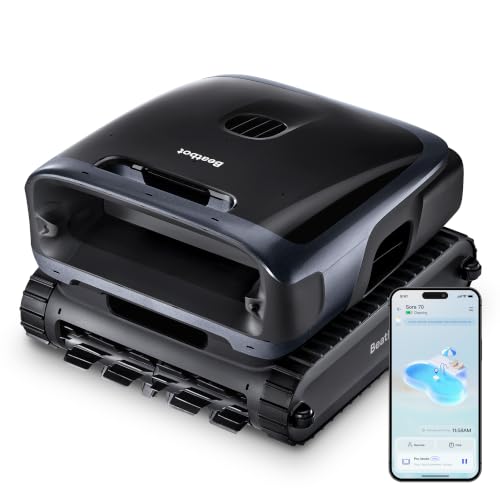
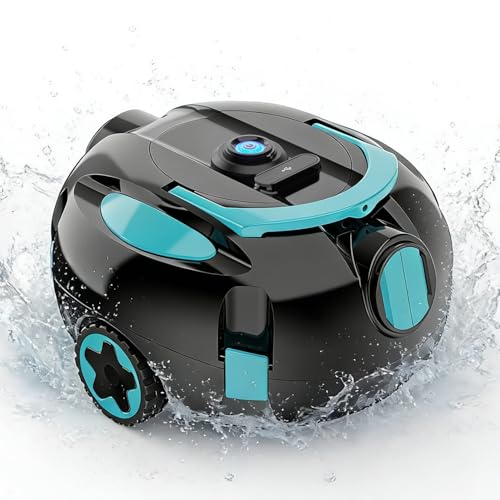
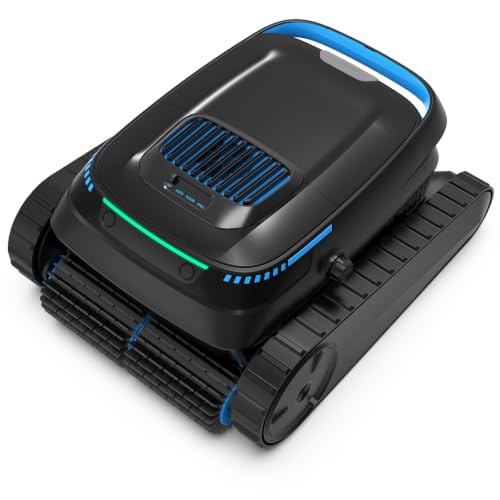
What Changes When You Move Up to a $1,500 Robotic Pool Cleaner
A worthwhile robotic pool cleaner under $1,500 usually delivers on at least two of three things: smarter navigation, wider coverage, or better filtration, and sometimes all three at once. Rarely do you get all three until you move well past this budget. At the $1,500 mark, you're typically buying a machine that can map the pool with some intelligence instead of bumping around at random, plus enough filtration to go longer between cleanings.
What You Gain Compared to Sub-$1,000 Models
Cheaper robotic cleaners, especially the ones you'll find in a robotic pool cleaner under $1,000 search, often clean the floor well but treat walls and the waterline as an afterthought. Moving up to this price band usually adds real wall climbing, waterline scrubbing, and a filter basket that can hold a full cycle's worth of debris without clogging halfway through. Navigation also tends to improve, moving from simple random-pattern movement to some form of mapped or gyroscope-assisted coverage.
What You're Still Not Paying For at This Tier
This budget generally doesn't buy the largest filter baskets on the market, dual-scan navigation systems, or the longest warranties, features that start showing up as you get closer to options closer to the $2,000 mark and beyond. If an oversized pool, heavy debris loads, or the most advanced app features matter more to you than price, it's worth comparing this tier against those pricier options before you decide.
Navigation, Coverage, and Filtration: What Actually Improves at This Price
Smart Navigation vs. Random-Pattern Cleaning
Budget robots often rely on random bumping and turning, which technically covers the pool eventually but wastes time re-cleaning the same spots. Any robotic pool cleaner under $1,500 worth its price should do better than that. Look for cleaners that use some form of mapping, gyroscope tracking, or sensor-based navigation. It won't be flawless, but it should noticeably cut down on missed patches and repeated passes over the same area.
Full Coverage: Floor, Walls, and the Waterline
The waterline is where most of the visible grime collects, since it's exposed to sunscreen residue, body oils, and airborne debris that never sinks to the floor. A cleaner that only scrubs the floor will leave a visible ring that you end up brushing off by hand anyway. Confirm that wall and waterline cleaning is a standard feature at this price, not an upgrade reserved for pricier models.
Filter Basket Size and Cycle Length
A larger filter basket means fewer stops to empty it mid-cycle and better water clarity by the end of a run. Fine or multi-layer filters catch smaller particles than basic mesh, which matters if your pool deals with a lot of fine sediment or algae. At this tier, expect a noticeable step up in filtration quality over entry-level bots, even if it isn't the finest filtration available on the market overall.
Corded or Cordless at This Budget
Picking a robotic pool cleaner under $1,500 usually comes down to one of the biggest forks in the road at this price, and it's worth thinking through before you commit. Corded models plug into an outlet, run as long as needed without recharging, and tend to be the more predictable, lower-maintenance choice over several years of ownership. Cordless models are easier to move around and store, with no cord to manage or tangle, but they depend on a rechargeable battery that will eventually need replacing.
That battery replacement is where cordless ownership costs sneak up on people. A replacement pack can run well over a hundred dollars, and depending on how often you clean, you may need one within a few years of purchase. Corded models avoid that cost entirely, though they trade it for less flexibility in where and how you can use the cleaner. Neither option is objectively better here, since it really comes down to whether you value convenience or lower long-term running costs more.
Robotic Cleaners vs. Pressure-Side Cleaners: Do You Need Both
If you already own or are considering a pressure-side cleaner, you might wonder whether a robotic cleaner in this price range makes it redundant. The short answer is that they solve different problems. Pressure-side cleaners run off your pool's existing pump and pressure line, which makes them efficient for larger debris like leaves, but they generally don't scrub the waterline or handle fine sediment as well as a robotic cleaner with its own filtration system.
A robotic cleaner in the $1,500 range is closer to a complete cleaning solution on its own, handling floor, wall, and waterline debris in one pass with its own independent filter. If your pool sees heavy leaf drop from nearby trees, keeping a pressure-side cleaner around for bulk debris while your robotic cleaner handles fine dirt and the waterline can still make sense. For most pools without that specific issue, the robotic cleaner alone covers the job.
Getting the Most Out of a Mid-Range Robotic Cleaner
A few habits make a real difference in how well a robotic pool cleaner under $1,500 performs over time. Rinse or empty the filter basket after every cycle, or at minimum every few uses, since a clogged filter is the single most common reason cleaning quality drops off. For cordless models, avoid letting the battery sit fully drained for long stretches, since deep discharges tend to shorten battery lifespan faster than regular partial charging.
Store the cleaner out of direct sun when it isn't in use, and check the drive brushes or tracks periodically for buildup, especially if your pool sees a lot of algae or fine debris. None of this takes more than a few minutes a week, but it's the difference between a cleaner that performs well for years and one that starts underperforming within its first season.
Frequently Asked Questions
Is a robotic pool cleaner under $1,500 actually worth it over a cheaper model?
For most pool owners moving up from a floor-only budget bot, yes. The added wall and waterline coverage, better filtration, and smarter navigation at this price genuinely reduce manual cleaning and improve water clarity. If your pool is small and low-maintenance, though, a cheaper model may cover your needs just fine.
What's the real difference between corded and cordless robotic pool cleaners?
Corded models plug into an outlet and run without needing a recharge, which makes them more predictable and cheaper to maintain long term. Cordless models are easier to move and store but rely on a rechargeable battery that will eventually need replacing, usually within a few years of regular use.
How long does a robotic pool cleaner run per cleaning cycle?
Most models at this price run a cleaning cycle of one and a half to three hours, which is enough to cover an average residential pool's floor, walls, and waterline in a single pass. Larger or heavily used pools may need longer or more frequent cycles.
Do robotic pool cleaners clean the waterline and climb walls?
At this price tier, yes, full coverage including the walls and waterline should be standard rather than an upgrade. Confirm this specifically before buying, since some cheaper models marketed as similar only clean the pool floor.
How much does a robotic pool cleaner cost to run over time?
Electricity costs are minimal, typically just a few cents per cleaning cycle. The bigger long-term cost for cordless models is battery replacement, which can run over a hundred dollars and may be needed within a few years. Corded models avoid that cost but have no other major running expenses.
How often should you clean or replace the filter?
Rinse or empty the filter basket after every cycle, or at least every few uses, to keep suction and cleaning quality consistent. A fully clogged filter is one of the most common reasons a robotic cleaner starts leaving the pool looking dirty.
Do you still need a separate pressure-side or suction cleaner?
For most pools, no, a robotic cleaner in this price range handles floor, wall, and waterline debris on its own. The exception is pools with heavy leaf drop or large debris, where a pressure-side cleaner running alongside a robotic one can still be useful.
Is $1,500 the Right Number for You
If you want meaningfully better coverage, filtration, and navigation than an entry-level bot without paying premium prices, this range is usually where that trade-off pays off. It's a practical middle ground: enough capability to handle a typical pool well, without the extra cost of features many owners never fully use. The best robotic pool cleaner under 1500 for your pool comes down to whether corded reliability or cordless convenience matters more to you, and how much coverage your pool actually needs.