Best Hardwood Floor Cleaner and Polish: A Buying Guide
Disclosure: We may earn a commission when you buy through links on this page, at no extra cost to you. As an Amazon Associate I earn from qualifying purchases. Learn more
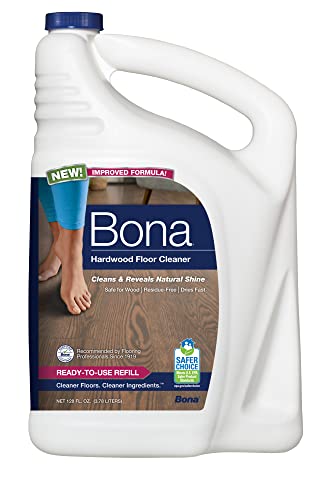
You mop your floors, and a week later they look duller than before you started. Or you reach for whatever spray bottle is under the sink, and now there is a hazy film that will not buff out. Picking the best hardwood floor cleaner and polish is trickier than it sounds because those are actually two different products doing two different jobs, and using the wrong one on the wrong finish can leave streaks, strip protective oil, or block a future recoat from bonding at all. This guide walks through how cleaner and polish differ, how to match a formula to your floor's finish, what makes a formula genuinely safe, and the habits that quietly wear down a finish over time.
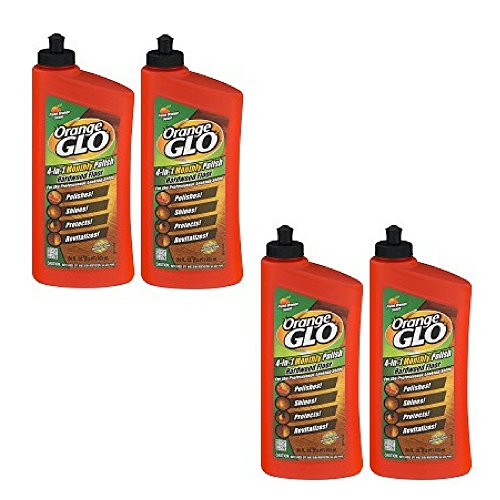
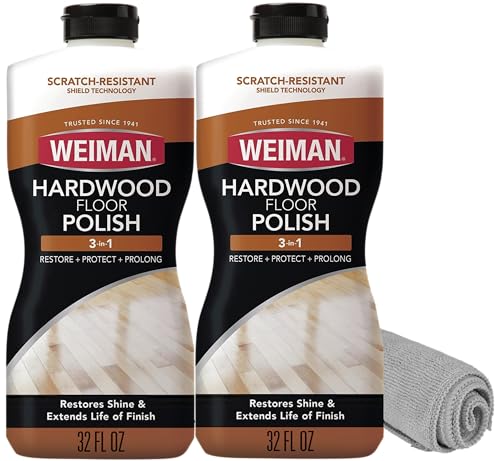

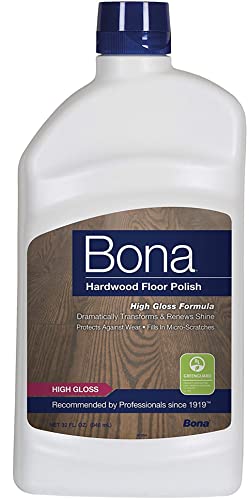
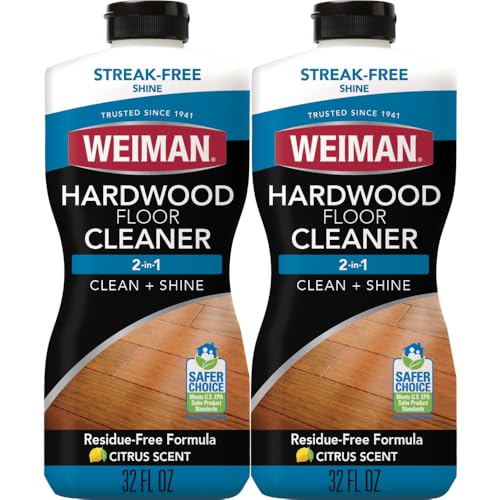
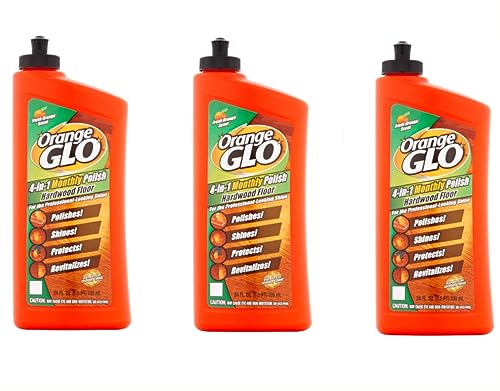
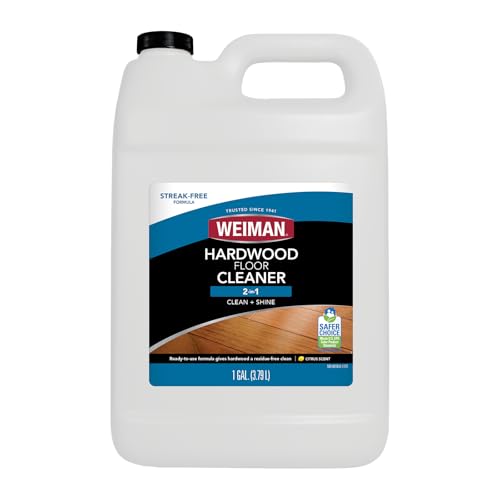
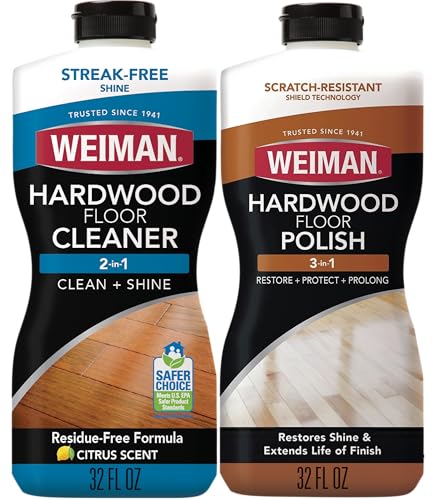
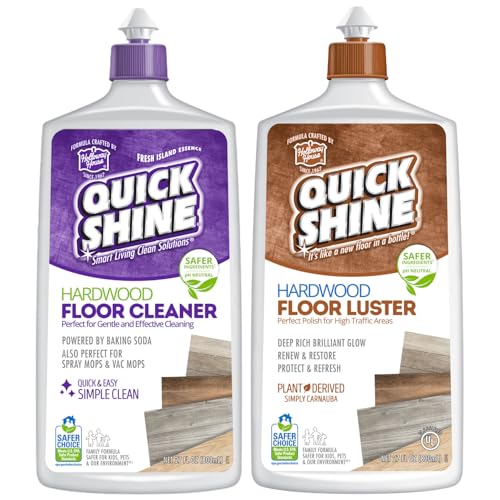
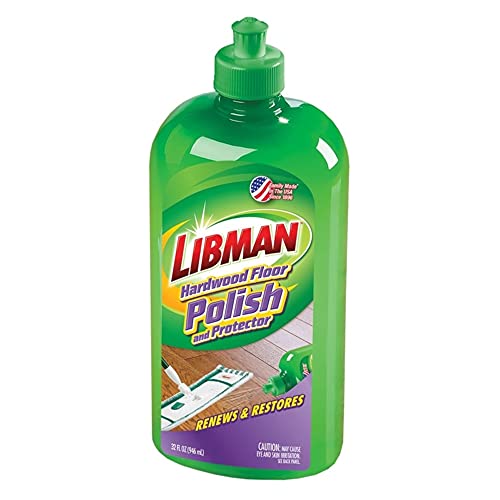
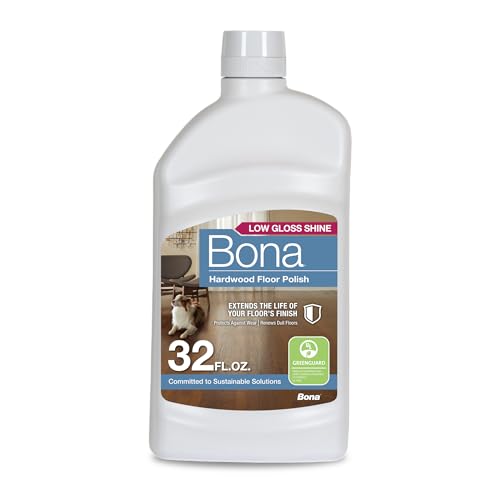
Cleaner or Polish? You're Probably Shopping for Two Different Products
Most people search for the best hardwood floor cleaner and polish as if it is one item, and plenty of combo products are marketed that way. In practice, cleaning and polishing solve different problems, and knowing which one you actually need will save you from buying the wrong bottle.
What a Hardwood Floor Cleaner Actually Does
A cleaner's job is hygiene. It lifts dust, tracked-in grit, food spills, and pet hair from the surface without leaving anything behind. A well-formulated hardwood cleaner is meant to evaporate cleanly or wipe away with a microfiber pad, not sit on the wood. That is the product you reach for weekly, or whenever the floor looks dirty rather than dull.
What a Polish or Restorer Adds On Top
A polish or restorer does not clean. It fills in fine surface scratches, evens out worn traffic lanes, and rebuilds sheen on a finish that has gone flat. Most manufacturers expect you to clean the floor thoroughly first, then apply polish as a separate, occasional step, not a substitute for regular cleaning. If you skip straight to polish on a dirty floor, you are sealing grit into the finish instead of restoring it.
If what you actually want is a device rather than a bottle, some people land here while really looking for a steam-cleaning appliance instead of a liquid cleaner. If that's you, see our guide to whether steam is even safe for your specific floor before you buy one.
Match the Formula to Your Floor's Finish
The single biggest factor in choosing the best hardwood floor cleaner and polish is not the brand or the price tier, it's what finish is actually on your floor. The wrong match can dull, cloud, or damage a finish that took years to build up.
Polyurethane and Other Sealed Finishes
Most modern hardwood floors are sealed with polyurethane, and this is where most water-based, pH-neutral cleaners are designed to work. What you want to avoid here is anything containing wax, oil soap, or silicone, since those ingredients can dull the finish and prevent a future recoat from bonding properly to the surface. A light film left behind by the wrong product is often the reason a poly floor starts looking cloudy within a year or two.
Oil-Finished Hardwood
Oil-finished floors do not have a hard topcoat sitting over the wood, the oil is worked into the grain itself. A standard cleaner made for polyurethane can gradually strip that oil, leaving the wood dry and prone to water marks. These floors need a cleaner formulated specifically for oil finishes, and periodic reoiling rather than a conventional polish.
Wax-Finished Floors
Wax finishes are the least common today but still show up in older homes. They need the gentlest approach of all: minimal water, wax-specific cleaning products, and never a polyurethane-based polish, since wax and poly do not bond and the result is a streaky, uneven surface. If you are not sure whether your floor has an old wax finish, a wax-specific cleaner is the safer starting point until you confirm otherwise.
What Makes a Formula Actually Safe to Use
Once you know your finish type, the next filter is the formula itself. A handful of chemistry basics separate a cleaner that protects your floor from one that slowly wears it down.
pH-Neutral and Water-Based, Not Acidic or Ammonia-Based
Acidic cleaners, including diluted vinegar, are one of the most common mistakes people make on hardwood. The acidity breaks down finish over time, leaving floors looking dull even though the floor technically got "cleaned." Ammonia-based all-purpose cleaners cause a similar problem. A pH-neutral, water-based formula made specifically for hardwood is the baseline you want, and it is worth checking the label rather than assuming any all-purpose cleaner will do.
No-Rinse and Residue-Free
A good hardwood cleaner should not require rinsing, and it should not leave a tacky or sticky film once it dries. Residue buildup from repeated use of a lower-quality cleaner is one of the most common reasons floors start attracting dirt faster and looking hazy under direct light. Some formulas carry an EPA Safer Choice certification, which is a reasonable trust signal if you want an extra layer of confidence beyond the marketing copy.
Ready-to-Use Spray, Concentrate, or Dedicated Restorer
Picking the best hardwood floor cleaner and polish format comes down to how much floor you have and how often you plan to clean, once the finish type and formula chemistry are sorted. A ready-to-use spray bottle is the simplest option for weekly maintenance on an average-sized home, since there is no mixing and less chance of getting the dilution wrong. A concentrate stretches further and costs less per use, which makes sense if you have a lot of square footage or clean often, but you do need to measure it accurately, since an overly strong mix can leave the same residue problems as a cheap ready-to-use formula. A dedicated polish or restorer is a separate purchase entirely, used far less often, and should always be labeled for your specific finish type rather than treated as a one-size-fits-all product. Whichever format you land on, the goal of any best hardwood floor cleaner and polish combination is the same: clean weekly, polish sparingly.
Habits That Dull or Damage a Finish Over Time
Even with the best hardwood floor cleaner and polish in hand, how you use it matters. A few habits show up again and again as the actual cause of finish damage, more often than the product itself.
Applying a polyurethane-based polish over an old wax layer is one of the most common and hardest to fix, since the two do not bond and the fix usually means stripping and refinishing. Polishing too often is another, since polish is meant to be occasional, and layering it weekly builds up a cloudy film rather than restoring shine. Skipping the finish check before buying the best hardwood floor cleaner and polish for a home you did not install the flooring in yourself is the root cause behind most of the damage complaints you will find in flooring forums. Using excess water with any cleaner, even a pH-neutral one, also adds unnecessary risk, since hardwood is still wood underneath the finish and standing moisture is never good for it regardless of what is dissolved in it.
Frequently Asked Questions
What's the difference between a hardwood floor cleaner and a floor polish?
This is the first thing to sort out before picking the best hardwood floor cleaner and polish for your home. A cleaner removes dirt and grime and is meant for regular use. A polish or restorer is a separate, occasional product that fills fine scratches and rebuilds sheen on a finish that has gone flat. Most manufacturers expect you to clean before you polish, not use polish as a substitute for cleaning.
Can you use vinegar to clean hardwood floors?
Regular use is not recommended. Vinegar is acidic, and that acidity gradually breaks down finish and leaves floors looking dull rather than clean. Flooring industry groups generally advise against it, and it should never be used on unfinished, waxed, or oil-finished floors at all.
Is it safe to use the same cleaner on polyurethane and oil-finished floors?
No, not reliably. A cleaner formulated for polyurethane can strip the oil out of an oil-finished floor over repeated use. Check the label for your specific finish type rather than assuming one bottle covers every kind of hardwood.
Will hardwood floor polish make the floor slippery?
It can if it is over-applied or layered too frequently without cleaning between coats, since buildup creates a slick film on top of the finish. Using polish sparingly, as an occasional touch-up rather than routine maintenance, avoids this.
How often should you polish hardwood floors?
Most manufacturers suggest polishing only every few months, or when the finish visibly looks worn or scratched rather than on a fixed schedule. Weekly or even monthly polishing is more likely to cause buildup than to help.
Can a hardwood floor cleaner remove old wax buildup?
A standard water-based cleaner will not fully remove wax, and using one on a heavily waxed floor can leave a streaky, uneven result. Wax buildup typically needs a dedicated wax-stripping product or a professional refinish, not a routine cleaner.
Do I need a different cleaner for engineered hardwood?
Engineered hardwood generally uses the same finish types as solid hardwood, polyurethane being the most common, so the same finish-matching rules apply. The main difference is that engineered floors have a thinner wear layer, so it's worth being extra cautious about excess water and harsh formulas either way.
Getting the Combination Right
The best hardwood floor cleaner and polish for your home is really two separate decisions: a cleaner that matches your finish and formulation needs, and a polish you reach for occasionally rather than routinely. Get the finish type right first, keep the chemistry pH-neutral and residue-free, and treat polish as a restorative extra rather than a weekly habit. That combination protects the finish you already have instead of slowly working against it.