Best Rated Stroller Car Seat Combo: A Buying Guide for Travel Systems
Disclosure: We may earn a commission when you buy through links on this page, at no extra cost to you. As an Amazon Associate I earn from qualifying purchases. Learn more

Shopping for a new baby often means buying a stroller and a car seat at the exact same time, which is stressful enough without also having to figure out whether the two will actually fit together. That's the appeal of a travel system: the car seat clicks straight into the stroller frame, so you can move a sleeping baby from the car to the sidewalk without a single wake-up call. A best rated stroller car seat combo takes the guesswork out of matching pieces, since the manufacturer has already engineered the fit. In the guide below, you'll find out what actually separates a great travel system from a mediocre one, how the click-in mechanism works, and which mistakes tend to cost parents the most money and frustration.
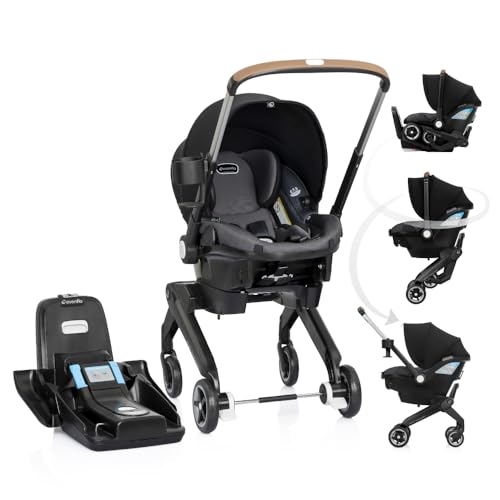
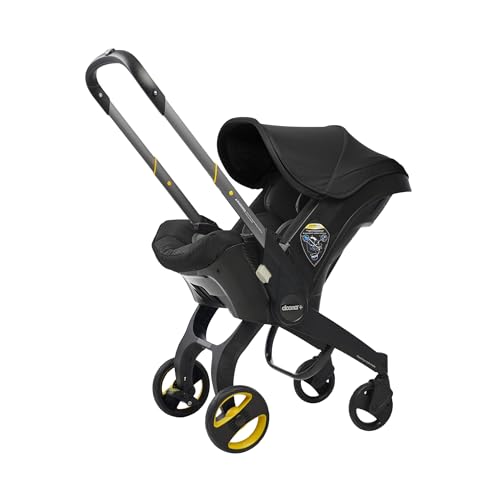
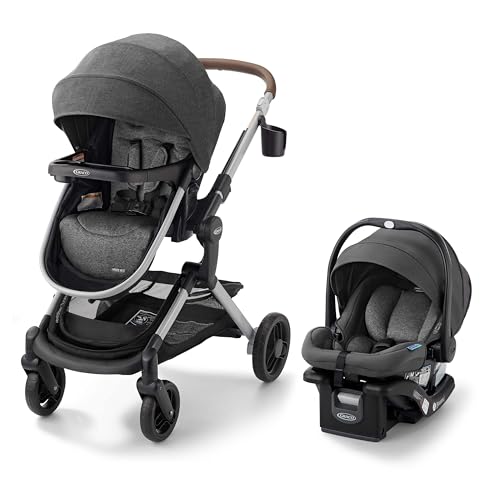
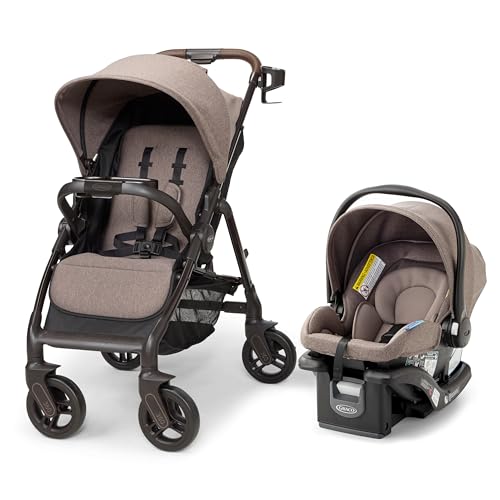
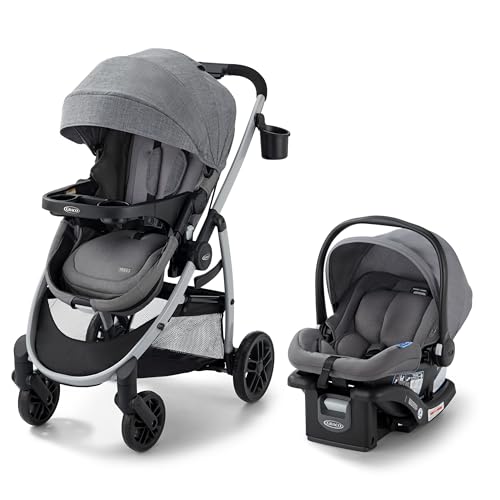


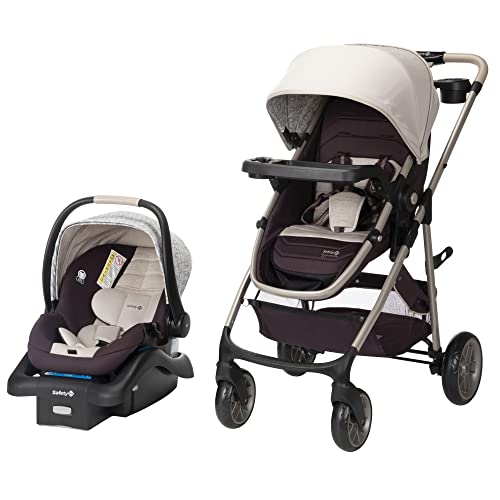
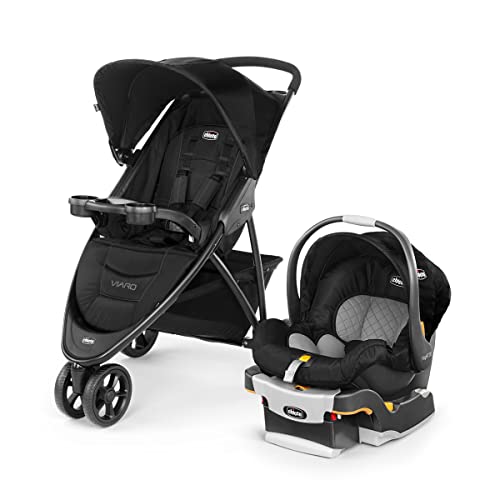

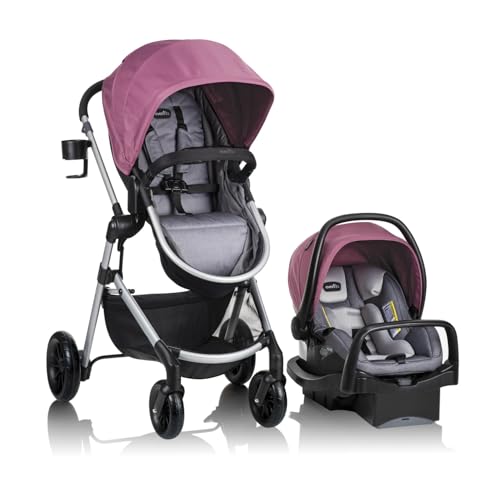
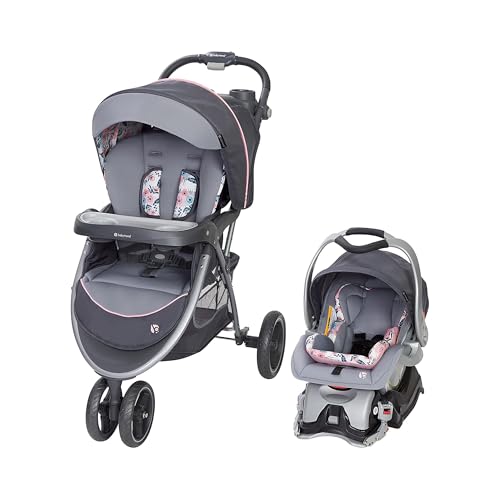
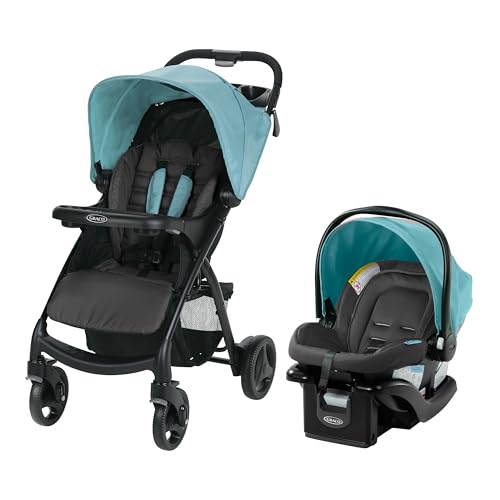
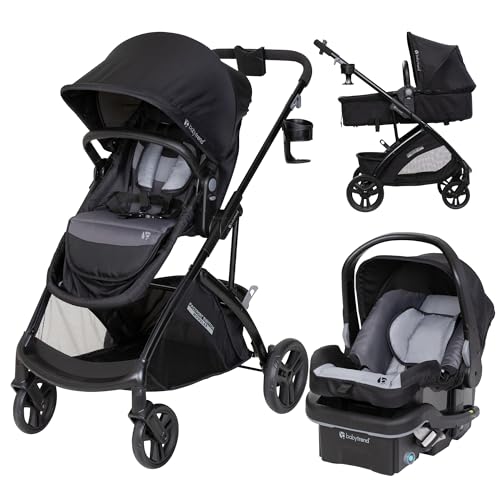
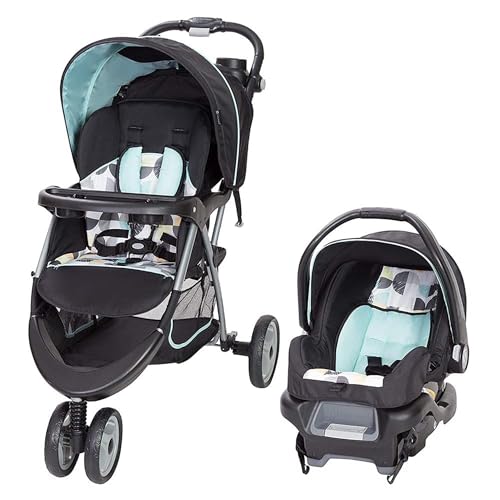
What You're Actually Buying: 2-in-1 vs. 3-in-1 Travel Systems
Most travel systems fall into one of two categories. A 2-in-1 system pairs a stroller frame with an infant car seat that clicks in and out, and nothing else. It's straightforward, usually lighter, and often less expensive because you're paying for fewer parts.
A 3-in-1 system adds a toddler seat or a reversible seat unit that replaces the infant car seat once your child outgrows it. That third piece is what lets the stroller keep working long after the infant car seat is retired, sometimes into the preschool years. If you're weighing a full travel system against buying pieces separately, a roundup of best baby strollers with car seat options can help you see how the frame-only versions compare on price and features.
Neither format is objectively better. A 2-in-1 suits parents who plan to upgrade to a dedicated toddler stroller anyway, while a 3-in-1 rewards buyers who want one purchase to last several years. When people search for a best rated stroller car seat combo, they're usually weighing exactly this tradeoff between simplicity now and longevity later.
Why Click-In Car Seat Compatibility Should Drive Your Decision
The single feature that defines a travel system is the click-in connection between the car seat and the stroller frame. When it's done well, you hear or feel a confirming click, the seat locks into place without wobble, and release requires a deliberate two-handed action so it can't pop loose by accident.
Some frames accept the matching car seat directly, while others need a separate adapter to bridge the two. Adapters aren't a dealbreaker, but they add one more part you have to buy, store, and remember to bring along. Before you commit to any system, confirm exactly which car seat models the stroller accepts and whether that list is likely to include a seat you'd actually choose.
This is really the heart of what makes a best rated stroller car seat combo worth the label. A stroller with beautiful wheels and a smooth ride isn't much use if the car seat sits crooked or takes both hands and a knee to unlatch in the rain.
Weight Limits and the Infant-to-Toddler Handoff
Infant car seats typically top out somewhere between 30 and 35 pounds, though most babies outgrow the seat by height before they hit that weight limit, often around 12 to 14 months. Once that happens, you'll either switch to the toddler seat that came with a 3-in-1 system or move to a standalone convertible car seat.
The stroller frame itself usually has a separate, higher weight limit, often 40 to 50 pounds or more once a toddler seat is attached. That gap matters: the stroller can keep working for years after the infant car seat retires, so don't judge the whole system's lifespan by the smaller seat's limit alone.
When that transition day comes, it helps to know what you're shopping for next. A comparison of best rated car seats for toddlers is worth bookmarking now, since convertible and toddler seats have their own installation rules and harness limits separate from anything on the infant seat.
Putting a Travel System to Work: Errands, Air Travel, and Ride-Shares
Daily life is where a travel system earns or loses its keep. For quick errands, a one-hand fold and a frame light enough to lift into a trunk with one arm free matter more than almost any other spec. Try folding the display model in the store with one hand before you buy, because catalog descriptions tend to be generous about what counts as "easy."
Air travel adds its own wrinkle. Most infant car seats are certified for airplane use, but the full stroller frame usually gets gate-checked, so a compact fold and a reasonably light frame reduce the hassle at security and the jet bridge.
Ride-shares are trickier still, since drivers aren't required to carry a car seat and many trips happen without one. Some parents keep a lightweight, FAA-approved car seat specifically for these situations rather than hauling the full travel system for a short ride. Knowing how you'll actually use the system day to day should shape your decision more than any spec sheet.
Safety Certifications and Getting the Base Installed Right
Every infant car seat sold in the US has to meet federal motor vehicle safety standards, and many brands go further with their own additional crash testing. Look for a seat with a clear certification label and, ideally, published side-impact test results, since federal standards don't mandate that specific test.
The stay-in-car base is just as important as the seat itself. A properly installed base shouldn't shift more than an inch side to side or front to back when you test it at the belt path. Most seats include a built-in level indicator and a lock-off clip that makes installation more consistent than relying on a seatbelt alone.
If you split time between two vehicles or two households, a second base is often the smarter buy over a second full car seat. It costs less, and it means you're not constantly uninstalling and reinstalling the base itself, which is where most installation mistakes happen.
Mistakes That Turn a Good Travel System Into a Frustrating One
The most common misstep is buying the stroller and car seat as separate impulse purchases rather than as a matched pair, then discovering at checkout that they need an adapter the store doesn't stock. Always confirm compatibility before you buy either piece on its own.
A close second is skipping the extra base for a second car or a grandparent's house, then improvising with a seatbelt install every single trip. That workaround is legal but far less consistent than a properly seated base, and it adds friction to trips that should be simple.
Parents also sometimes hold onto the infant car seat past its height or weight limit because the convertible seat purchase feels like a whole new expense. It doesn't have to be a big one. A list of options like best toddler car seat under 200 shows that a safe, well-reviewed next seat doesn't require a luxury budget.
Frequently Asked Questions
How long can you use the infant car seat that comes with a travel system?
Most infant car seats work for roughly the first 12 to 14 months, though the exact cutoff depends on your child's height and weight relative to the seat's limits. Once your child outgrows the seat by either measurement, it's time to move to a toddler or convertible seat.
Do I need a second base if I have two cars?
Yes, in most cases. A second base is usually far cheaper than a second full car seat, and it saves you from reinstalling the same base back and forth between vehicles, which increases the chance of an inconsistent fit.
Can I use any car seat with any stroller frame?
No. Click-in compatibility is specific to the stroller and car seat models involved, sometimes requiring a separate adapter. Always check the manufacturer's compatibility list before assuming a mix-and-match pairing will work.
Is it safe to leave my baby in the car seat for long stretches while it's attached to the stroller?
Extended time in a semi-reclined car seat isn't ideal for a young baby's developing spine and airway, even outside the car. Most pediatric guidance suggests limiting continuous time in any car seat, including while it's clicked into a stroller, to about two hours.
Should I buy a 2-in-1 or 3-in-1 travel system?
A 2-in-1 is usually lighter and less expensive but stops being useful once the infant seat is outgrown. A 3-in-1 costs more upfront but keeps the stroller frame in service well into the toddler years.
Are travel systems allowed on airplanes?
Infant car seats that meet FAA certification can typically be used onboard if you've purchased a seat for your child, and the stroller frame can usually be checked at the gate rather than at the main counter. Policies vary by airline, so it's worth confirming before you fly.
What should I check before buying a used travel system?
Confirm the car seat has never been in a moderate or severe crash and hasn't passed its expiration date, which is usually printed on the shell. A used stroller frame is generally safer to buy secondhand than a used car seat, since the seat's structural integrity is harder to verify after impact.
Getting the Right Fit for Your Family
There's no single travel system that works best for every household, since the right choice depends on your car, your daily routine, and how many years you want the stroller to last. Focus on the click-in fit, the weight limits, and how the system handles your actual errands rather than chasing the longest feature list. Get those fundamentals right, and the rest tends to fall into place.