Best Portable Ice Maker for RV: A Complete Buying Guide
Disclosure: We may earn a commission when you buy through links on this page, at no extra cost to you. As an Amazon Associate I earn from qualifying purchases. Learn more
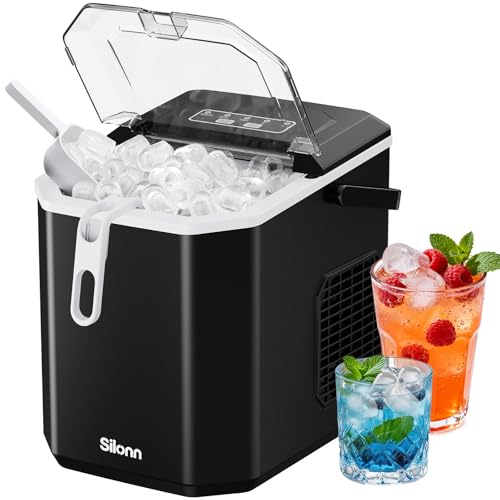
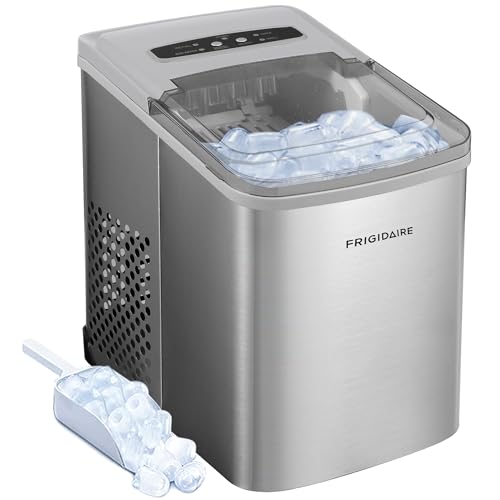
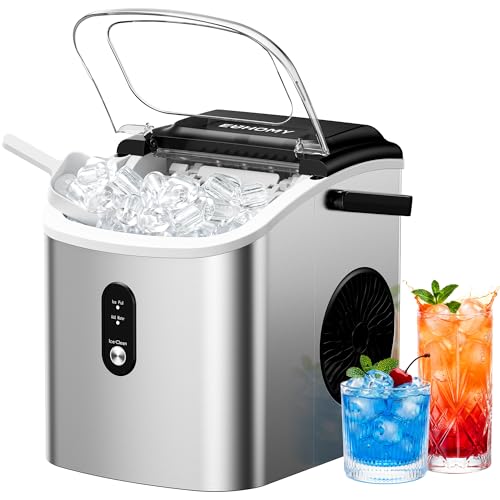
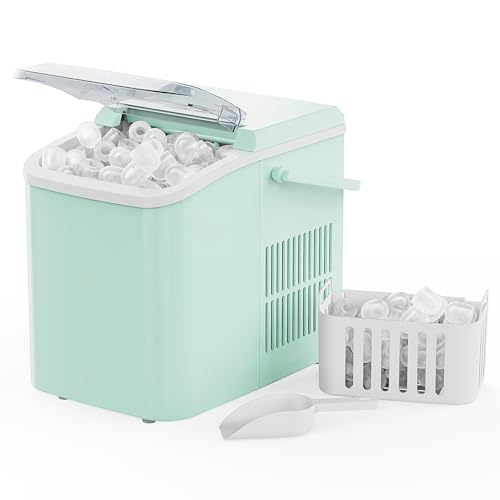
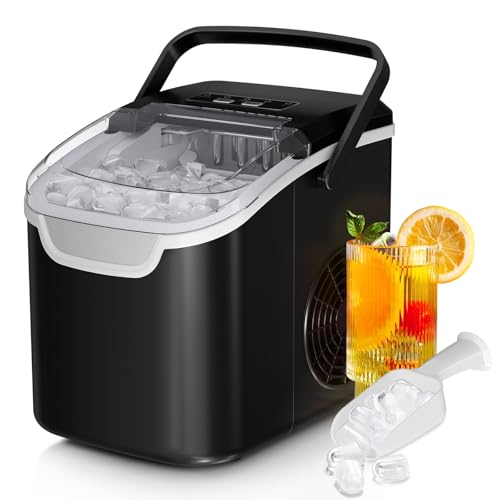
Ice runs get old fast when you are three days into a boondocking trip and the nearest gas station is forty-five minutes away. That is usually the moment RVers start looking for the best portable ice maker for RV use, something that can keep the cooler stocked without relying on a small fridge ice tray or another supply run into town. The right unit depends less on brand and more on how you actually camp: whether you rely on shore power, a generator, or your house battery, how much counter space you can spare, and how many people you are keeping drinks cold for. This guide walks through the factors that matter most for RV use, from power draw to water refills to what happens to the ice after it is made, so you can compare models with a clearer picture of what actually fits your rig.
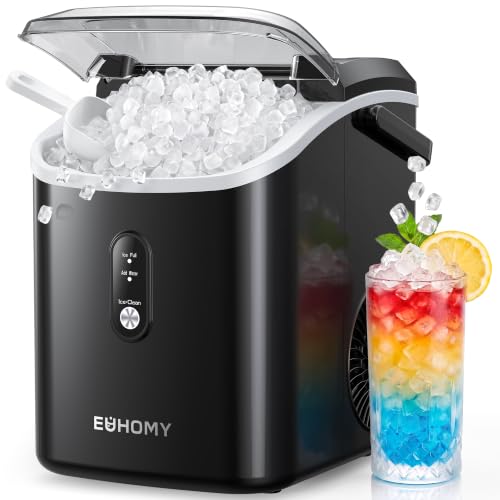

Power Source: Running an Ice Maker On and Off the Grid
Shore Power and Generators
Most portable ice makers on the market are built as standard 120V AC appliances, the same as a microwave or blender. That is a non-issue at a campground with a full hookup, and it is usually fine if you are running a generator, since these units typically draw somewhere between 100 and 200 watts once they are past the initial startup. The catch is that startup surge: the compressor needs a brief spike, often close to 300 to 500 watts, before power draw settles down. A generator sized for your other RV loads will usually handle this without trouble, but it is worth checking the wattage rating before assuming it will run alongside an air conditioner or other big draws. That is one of the first questions to sort out when shopping for the best portable ice maker for RV trips: what power source will you actually be running it on most of the time?
Battery Power and Inverters for Boondocking
Boondocking is where power source becomes the real decision point. A standard 120V unit can run off your house batteries, but only through a pure sine wave inverter rated to handle that startup surge, generally 300 watts continuous or more. Run the numbers before you buy: a machine pulling around 120 watts for a 30 to 45 minute cycle draws only a handful of amp-hours, which is a reasonable ask for a healthy battery bank with some solar input. If your rig already runs light on battery capacity, a 12V model that plugs into a cigarette lighter or hardwired 12V outlet skips the inverter altogether, trading some production speed for simplicity.
Sizing It to Fit Your RV Kitchen
Finding the best portable ice maker for RV kitchens often comes down to inches, not features, since counter space is usually the tightest constraint in the whole rig.
Counter Footprint
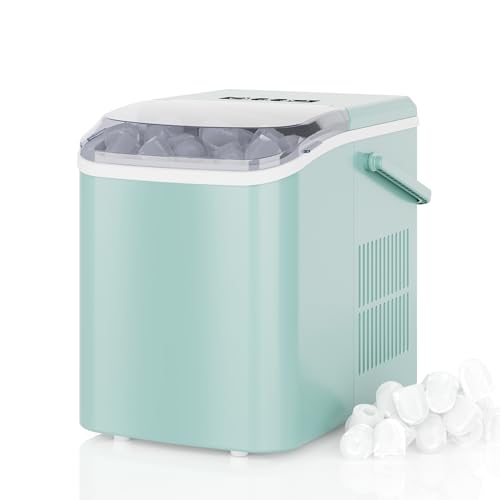
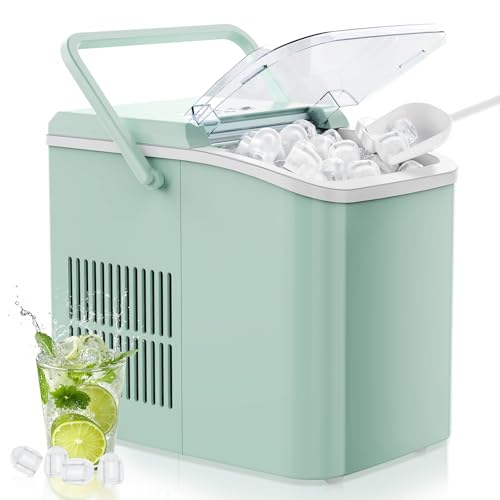
RV counters do not have the spare real estate a home kitchen does, so footprint matters as much as output. Compact countertop units are typically similar in size to a large coffee maker or toaster oven, roughly a foot wide and 10 to 12 inches deep, which is workable next to a sink or stove for the length of a batch. If your galley already juggles other small appliances, like a dedicated RV coffee maker, measure your actual open counter space before assuming a new unit will fit, since RV kitchens vary a lot in layout. That measurement is often the deciding factor when narrowing down the best portable ice maker for RV kitchens with limited counter space.
Storage When You're Not Using It
Because most portable ice makers are not left running around the clock, storage matters as much as counter space. Look for a unit light enough to move into a cabinet or basement compartment between uses, and check that it drains cleanly so you are not hauling standing water around when you stow it. A compact, boxy shape and a sturdy handle make a real difference when you are sliding it into a tight storage bay.
Water Access and Daily Ice Output
Once power and size are settled, the next question for the best portable ice maker for RV use is how much water it needs and how much ice it can actually deliver on a busy weekend.
Filling the Reservoir Off-Grid
Water reservoirs on portable ice makers generally range from about a liter and a half up to roughly two liters, small enough to fill straight from a jug or your RV's fresh water tank without any plumbing hookup. That is convenient for boondocking, since the machine does not need a dedicated water line, but it also means you will be refilling by hand every batch or two on a busy day. If you are camping with a group, keep a filled jug next to the unit so refills do not interrupt the flow of drinks.
How Much Ice You'll Actually Need for a Trip
Daily output is usually listed in pounds per 24 hours, and most portable units land somewhere between 26 and 30 pounds under ideal conditions. That number drops in hot weather or with well water that starts out warmer than tap water, so treat it as a best case rather than a guarantee. For a couple on a weekend trip, a unit at the lower end of that range is usually plenty. For a family or a group sharing one cooler, lean toward the higher end so you are not running batches back to back all afternoon.
Keeping the Ice You Make
This is the part most shoppers overlook when they compare units for the best portable ice maker for RV setup: these machines are not freezers. There is no mechanism keeping finished ice frozen once it sits in the storage basket, so it slowly melts and the meltwater usually cycles back into the reservoir to be refrozen. In practice, that means ice made in the morning will not still be solid by evening unless you move it somewhere colder. The simplest fix is to transfer batches into resealable bags in your RV freezer, or straight into an insulated cooler packed for the day, as soon as a cycle finishes. Budget on losing a portion of each batch to melt if it sits out for more than a couple of hours, and plan your ice-making schedule around when you actually need it rather than making one big batch in the morning and expecting it to last.
Frequently Asked Questions
Here are quick answers to the questions RVers ask most often when narrowing down the best portable ice maker for RV trips.
Can you run a portable ice maker off an RV battery?
Yes, but only through a pure sine wave inverter sized to handle the compressor's startup surge, typically 300 watts or more. A 12V model that skips the inverter entirely is a simpler option if your battery bank is limited.
How much power does a portable ice maker use?
Most units draw around 100 to 200 watts once running, with a brief spike closer to 300 to 500 watts at startup. That is modest compared to an RV air conditioner or full-size refrigerator.
Do portable ice makers work while boondocking?
Yes, as long as you have enough battery capacity and a properly sized inverter, or you choose a 12V model built for off-grid use. Water refills come from a jug or your fresh water tank, so no plumbing hookup is required.
How long does ice stay frozen in a portable ice maker?
Not long. Without a true freezer mechanism, ice typically starts melting within a couple of hours and needs to be moved to a cooler or RV freezer to last through the day.
What size inverter do I need for a portable ice maker?
Look for a pure sine wave inverter rated for at least 300 watts continuous, with some headroom for the compressor's startup surge, which can briefly reach 500 watts.
How much water does a portable ice maker use per batch?
Reservoirs typically hold around a liter and a half to two liters, and most of that water becomes ice over one or two cycles before a refill is needed.
Where should you store a portable ice maker in an RV?
A cabinet, basement storage bay, or any dry compartment works between uses. Make sure the unit is fully drained first so you are not storing standing water.
Making Your Decision
There is no single best portable ice maker for RV use, since so much depends on how you camp. Someone parked at full-hookup sites most of the season can prioritize output and counter convenience over power efficiency, while a dedicated boondocker should weigh inverter capacity and battery draw before anything else. Match the unit's power needs, footprint, and water reservoir to your actual trips rather than the biggest number on the spec sheet, and you will end up with a machine that earns its space on the counter.