
Best Nonstick Grill Pan: How to Choose, Use and Care for One
Disclosure: We may earn a commission when you buy through links on this page, at no extra cost to you. As an Amazon Associate I earn from qualifying purchases. Learn more

The best nonstick grill pan depends on more than a slick surface. Compare coatings, base metals, ridges and size, plus care tips that help it last.
Salmon that slides off the ridges, chicken cutlets that release without tearing, and a pan that rinses clean in under a minute: that is the promise of a nonstick grill pan. Finding the best nonstick grill pan for your kitchen, however, takes more than picking the first one with a slick black surface. Coatings, base metals, ridge design, and cooktop compatibility all change how well a pan performs and how long it lasts.
This guide focuses on choosing and caring for a nonstick grill pan. You will learn who benefits most from nonstick, how the main coatings differ, which features matter, and how to protect the surface so it keeps working.
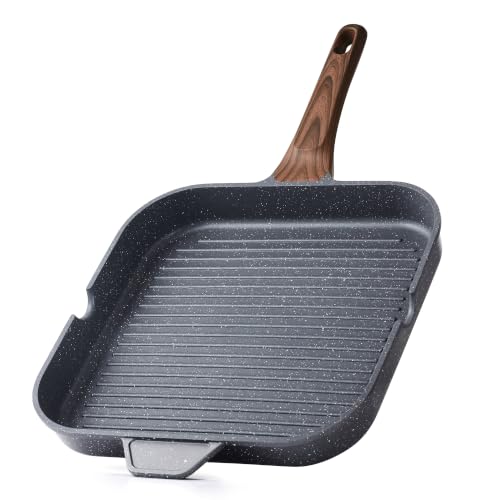
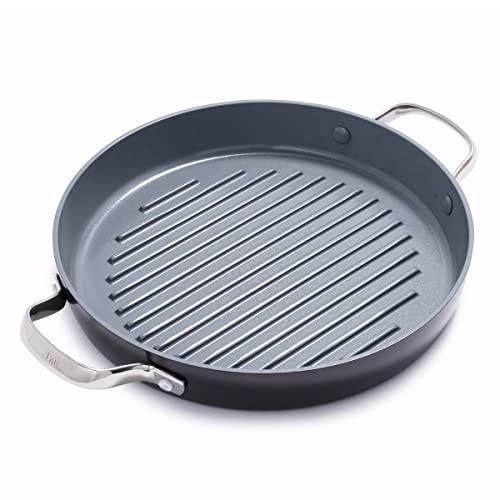
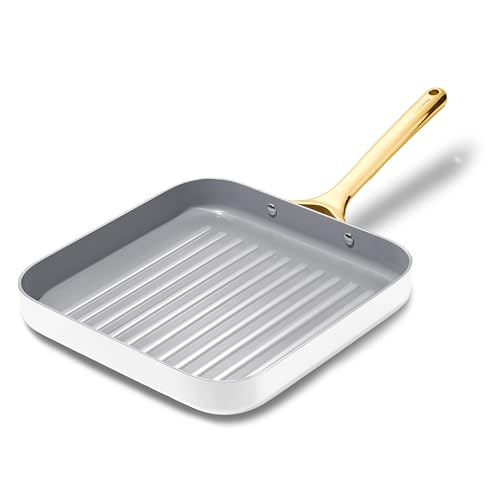
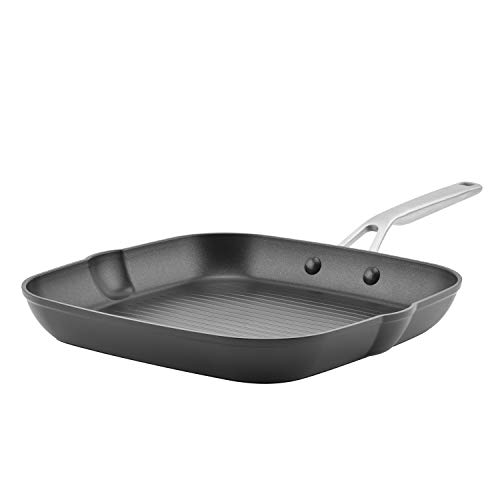
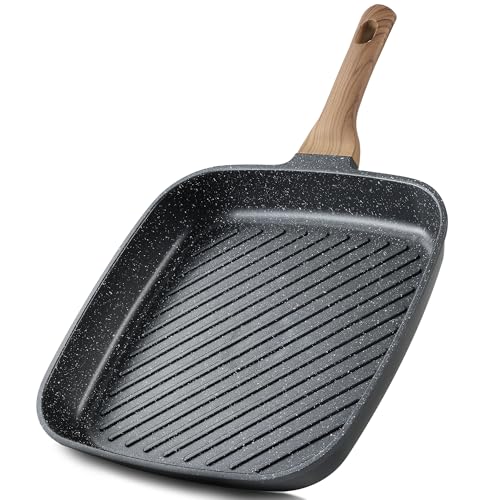

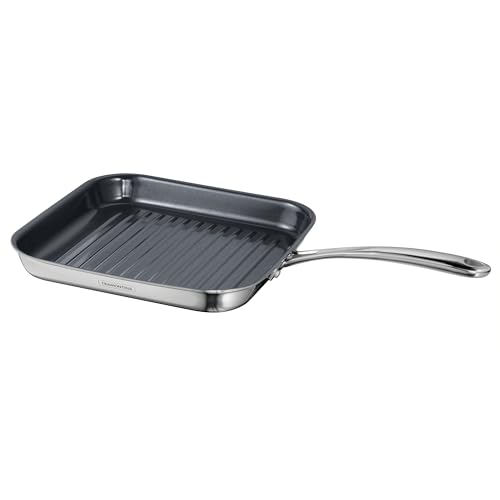
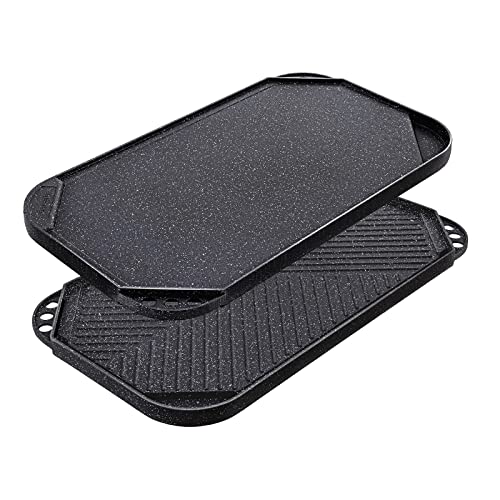
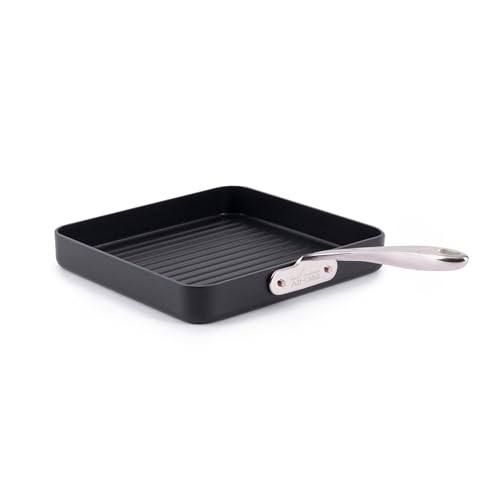
Who Should Buy the Best Nonstick Grill Pan?
A nonstick grill pan is not the right tool for every cook, but it fits many households well. It is a strong choice if you:
- Cook delicate proteins often. Fish fillets, shrimp, and thin chicken cutlets tend to stick and tear on bare metal ridges.
- Want easy cleanup. Sugary marinades and glazes that bake onto other pans usually wipe off a coated surface with far less effort.
- Prefer low-fat cooking. Because food releases readily, you can use a small amount of oil, and the ridges keep food above rendered fat.
- Are newer to cooking. Nonstick is more forgiving while you learn heat control and timing.
- Cook in a small kitchen. A lightweight pan is easier to lift, store, and wash by hand than a heavy cast iron model.
If your priority is a deep, hard sear on thick steaks at very high heat, or you want one pan to last for decades, another material may suit you better. The comparison table later in this guide shows where each option fits.
PTFE vs. Ceramic vs. Other Coatings
The nonstick coating is the heart of the pan, so it deserves the most attention when you shop. Here is an honest look at the common types.
PTFE Nonstick
PTFE is the traditional nonstick material. It is known for a very slick surface, reliable food release, and easy cleaning. Many pans use several layers of it, often applied over a roughened or textured base so the coating grips the metal.
- Pros: Excellent release, long-lasting slickness when cared for properly, and a wide range of price points.
- Cons: It has a heat limit, so empty preheating at very high heat and cooking at maximum burner settings are best avoided. It can also scratch if you use metal utensils.
- Lifespan: With gentle use, many cooks get several years from a well-made pan, but the real number depends on heat, utensils, and cleaning habits.
Ceramic Nonstick
Ceramic nonstick is a silica-based coating, usually applied as a thin sol-gel layer. It is popular with shoppers who want a PTFE-free option, and it often has a smooth, glossy look. If you lean toward ceramic, this guide to the best ceramic grill pans compares popular choices.
- Pros: No PTFE in the coating, and a good initial release that works well for eggs and fish.
- Cons: Many ceramic coatings lose their slickness sooner than PTFE under everyday use. They can be sensitive to oil buildup, high heat, and abrasive cleaning.
- Lifespan: Often shorter than PTFE in daily use, though results vary by product and care.
Other Coating Types
Some pans use reinforced coatings with mineral or metal particles added for extra hardness, and some use textured or etched surfaces designed to protect the coating from utensils. These can improve scratch-resistant performance, but no coating is truly scratch-proof. Treat marketing terms as a starting point, then read what the maker says about utensils and heat.
What About “PFAS-Free” Labels?
You will see PFAS-free on many product pages. PTFE belongs to the broader PFAS chemical family, so pans advertised as PFAS-free generally avoid it and rely on ceramic or other alternatives. If this matters to you, read the product description and the manufacturer's documentation to see exactly what the coating is made of. We do not make health claims here, and the best move for any pan is to use it exactly as the manufacturer directs.
Follow the Manufacturer's Temperature Guidance
Every coating has a recommended maximum temperature, and those numbers vary between products. Always follow the heat and oven guidance in the care booklet or on the product page. When in doubt, medium heat is a safe default for a nonstick grill pan.
Base Metals: What Is Under the Coating?
The coating gets the attention, but the metal underneath controls heating, weight, and warp resistance. A great coating on a thin, flimsy base will not perform well. Shoppers who also want a matching skillet can browse these nonstick pan picks.
Hard-Anodized Aluminum
Hard-anodized aluminum is aluminum that has been treated electrochemically to form a harder, denser surface. It is a popular base for the best nonstick grill pan models because it is relatively light, heats evenly, and resists warping better than plain thin aluminum.
Cast Aluminum
Cast aluminum is poured into a mold, which lets makers create thick bases and deep, well-defined ridges. Cast pans often feel substantial yet lighter than cast iron, and the thicker body helps hold heat steady.
Forged Aluminum
Forged aluminum is pressed under high pressure into shape. The result is usually a dense, sturdy body that resists warping, often with a thick base for even heating. These pans may cost more than basic stamped options.
Stamped Aluminum
Stamped aluminum is cut and pressed from a sheet. It is lightweight and affordable, and it heats quickly. The tradeoff is that thin stamped pans can warp over time and may develop hot spots, so check for a thicker base if you plan to cook often.
What Sets the Best Nonstick Grill Pan Apart: Ridges, Spouts, Handles and Lids
Ridge Design and Grease Drainage
Ridges lift food above rendered fat and create sear lines. Look for raised ridges with wide channels so grease can collect away from the food. Very shallow ridges leave food sitting in oil, while sharp, narrow channels can be hard to clean. Smooth, rounded transitions between ridge and channel help the coating wear evenly and make wiping easier.
Pour Spouts
Pans with pour spouts let you tip out rendered fat or excess marinade without a mess. One spout is helpful, and two make it easier to pour from either side regardless of whether you are right- or left-handed.
Wall Height
Low walls make flipping easy and let steam escape, which helps with browning. Taller walls contain splatter and handle juicy, marinated foods better. If you cook sausages or bone-in chicken often, taller sides are worth considering.
Handle and Lid
- Handle: Look for a comfortable, firmly attached handle that stays cooler on the stovetop. Riveted metal handles are usually sturdy, while silicone-wrapped handles stay cooler but may limit oven use.
- Helper handle: On larger pans, a small second handle makes lifting safer.
- Lid: A lid is optional, but it helps when you want to finish thick chicken pieces or melt cheese on a burger. Check that the lid fits snugly and note its own temperature limit, which can be lower than the pan's.
Oven, Dishwasher and Induction Limits
Oven Safety
Searing on the stovetop and finishing in the oven is a handy technique. Oven limits for nonstick pans are often set by the handle, lid, or coating, not just the aluminum body. Check the stated maximum for the pan and for any lid before you use it that way.
Dishwasher Safe or Not?
Some pans are listed as dishwasher safe, but harsh detergents and high heat drying can wear coatings faster than gentle hand washing. Even if a pan is rated for the dishwasher, many cooks hand wash to protect the surface. Follow the manufacturer's instructions, and remember that easy cleanup by hand often takes less than a minute anyway.
Induction Compatibility
Induction cooktops need magnetic cookware. Aluminum alone is not magnetic, so look for a pan with an induction base, usually a bonded steel plate or magnetic layer on the bottom. Check the product description for induction compatibility before you buy. Also make sure the base is flat so it makes full contact with the cooktop.
Choosing the Right Size and Shape
- Round, 10 to 12 inches: Fits most burners and works well for one or two people.
- Square, 11 inches or larger: More usable surface, so it fits several cutlets, burgers, or vegetable slices at once.
- Rectangular or double-burner: Useful for families and meal prep, but confirm it fits your stove, sink, and storage space.
Match the pan to the burner as closely as you can. A pan much larger than the burner may heat unevenly, and one much smaller wastes cooking surface. Remember also that crowding the pan lowers its temperature and causes food to steam instead of sear.
Best Foods for a Nonstick Grill Pan
The best nonstick grill pan shines with foods that are delicate, lean, or sticky.
- Fish: Salmon, cod, and other fillets release cleanly, so the skin and flesh stay in one piece.
- Eggs: Grilled sandwiches, French toast, and breakfast wraps are easy, and eggs can be cooked in a small amount of fat.
- Chicken cutlets: Thin cutlets cook quickly and get neat sear lines without tearing.
- Sticky marinades: Teriyaki, honey-based, and barbecue-style glazes tend to burn onto bare metal. A coated surface makes cleanup much easier.
- Vegetables: Zucchini, peppers, eggplant, asparagus, and corn slices brown well with minimal oil.
For thick, well-marbled steaks that need very high heat for a deep crust, many cooks prefer cast iron or stainless steel, since those materials tolerate higher temperatures.
How to Preheat and Cook Without Damaging the Coating
- Start with a clean, dry pan. Residue left from the last meal can burn on and dull the surface.
- Preheat over low to medium heat. Give the pan a minute or two to warm evenly. Avoid heating an empty pan on a high setting.
- Use a small amount of oil. Brush a thin layer of oil on the food rather than pouring it in the pan. Avoid aerosol cooking sprays, because propellants and additives can leave a sticky film that is hard to remove and may reduce release over time.
- Cook at medium heat. A nonstick surface does not need maximum heat to brown food. Patting food dry and not crowding the pan does more for browning than raising the burner.
- Use the right utensils. Silicone, nylon, and wooden tools protect the coating. Skip metal tongs, forks, and knives unless the manufacturer says otherwise.
- Let food release on its own. Wait until it moves freely before flipping instead of prying it off.
- Ventilate. Turn on the range hood, since any grill pan can create smoke when fat drips into the channels.
Cleaning and Storage
- Let the pan cool first. Cold water on a hot pan can stress the coating and may warp thin metal.
- Wash with warm water, mild soap, and a soft sponge. A soft brush can help with the channels between ridges.
- Avoid steel wool and abrasive cleaners. These can wear away the coating quickly.
- Remove stubborn residue gently. Soak the pan in warm, soapy water for a while, then wipe. A paste of baking soda and water can help lift stains.
- Dry thoroughly before storing.
- Protect the surface in storage. If you stack pans, put a paper towel, cloth, or pan protector between them so ridges do not scrape against other cookware.
When to Replace Your Pan
A nonstick pan is a consumable item, not a lifetime purchase. Consider replacing it when you notice:
- Flaking, peeling, or bubbling coating
- Deep scratches that expose bare metal
- Food that sticks even with oil and proper heat
- A warped base that no longer sits flat on the burner
- Stubborn, sticky discoloration that does not come off with gentle cleaning
- A loose or damaged handle
If you are unsure, check the manufacturer's guidance for your specific pan. Replacing a worn pan on time is cheaper and safer than fighting with a surface that no longer works.
Common Mistakes to Avoid
- Cooking at the highest setting. Heat is the fastest way to shorten a coating's life.
- Using aerosol sprays. Residue can build up in the ridges.
- Reaching for metal utensils. Even a few scratches add up over time.
- Preheating an empty pan for too long. This is a common way to overheat a coating.
- Putting a hot pan under cold water. Sudden temperature changes are hard on the pan.
- Scrubbing hard. A rough scouring pad does more harm than the food ever could.
- Ignoring oven, lid, and induction limits. Always check the specifications before you buy and before you cook.
- Stacking without protection. Ridges can scratch the coating of the pan below.
Nonstick vs. Stainless Steel vs. Cast Iron
If you are still deciding between materials, this short comparison shows the main tradeoffs.
| Feature | Nonstick | Stainless Steel | Cast Iron |
|---|---|---|---|
| Food release | Excellent with little oil | Needs preheating and oil | Good once seasoned |
| Heat tolerance | Moderate, follow maker's limit | High | Very high |
| Searing power | Moderate | Very good | Excellent |
| Utensils | Silicone, nylon, wood | Metal is fine | Metal is usually fine |
| Cleaning | Very easy, gentle hand wash | Soak and scrub | Brush, dry, re-oil |
| Weight | Light to medium | Medium | Heavy |
| Typical lifespan | Years, then replace | Very long | Generations with care |
| Best for | Fish, eggs, cutlets, glazes | Browning and pan sauces | Thick steaks and high-heat searing |
Frequently Asked Questions
What is the best nonstick grill pan material?
For most cooks, the best nonstick grill pan has a hard-anodized or heavy cast aluminum body with a multi-layer coating. The best choice depends on whether you prefer PTFE or a ceramic coating, your cooktop type, and how much weight you can comfortably lift.
Is PTFE or ceramic nonstick better for a grill pan?
Neither is better for everyone. PTFE usually offers a longer-lasting slick surface, while ceramic appeals to people who want to avoid PTFE. Whichever you choose, follow the manufacturer's temperature and utensil guidance.
Can I use a nonstick grill pan on an induction cooktop?
Only if it has an induction-compatible base. Aluminum on its own does not work, so look for a magnetic base layer and confirm it in the product description.
Can a nonstick grill pan go in the oven?
Some can, within limits. The handle, lid, and coating often set a lower maximum than the metal body, so check the stated oven temperature for the exact pan you own.
Is a nonstick grill pan dishwasher safe?
Some are labeled dishwasher safe, but hand washing with a soft sponge is gentler and often helps the coating last longer. Follow the instructions that came with your pan.
Can I use cooking spray on a nonstick grill pan?
It is best to avoid aerosol sprays. They can leave a sticky residue that builds up in the ridges. Brush a thin coat of oil on the food or use a small amount of oil in the pan instead.
How long does a nonstick grill pan last?
There is no single answer. Lifespan depends on the coating, how hot you cook, which utensils you use, and how you clean the pan. Replace it when the coating flakes, scratches deeply, or stops releasing food.
Why is my nonstick grill pan sticking?
Common causes include worn coating, oil residue left on the surface, overheating, or moving the food too soon. Try a gentle deep clean with warm soapy water and a soft sponge. If food still sticks, the coating may be at the end of its life.
Final Thoughts
The best nonstick grill pan is the one that matches how you cook. Start with the coating that fits your priorities, then check the base metal, ridge design, pour spouts, handle, size, and cooktop compatibility. Add the habits that protect the surface: medium heat, no aerosol sprays, soft utensils, and gentle hand washing.
Do that, and your nonstick grill pan will give you fast weeknight meals, clean sear lines, and easy cleanup for as long as the coating holds up. When it finally starts to flake or stick, replace it and start fresh.


