
Best Ceramic Nonstick Pans (2026): Buying Guide
Disclosure: We may earn a commission when you buy through links on this page, at no extra cost to you. As an Amazon Associate I earn from qualifying purchases. Learn more

Choose the best ceramic nonstick pan for your stove and routine: compare size, base, oven limits, coating care and budget before you replace your old skillet.
A crowded weekday morning shows why pan choice matters at home. Eggs stick, cleanup eats into your evening, and a pan that is too large crowds the stove and the cabinet. The right best ceramic nonstick pan should match your household size, your storage space, and the meals you cook most often.
This guide helps you choose by space, routine, and budget instead of by bold claims. Use the product table to compare current options, then work through the checklist before you spend anything.
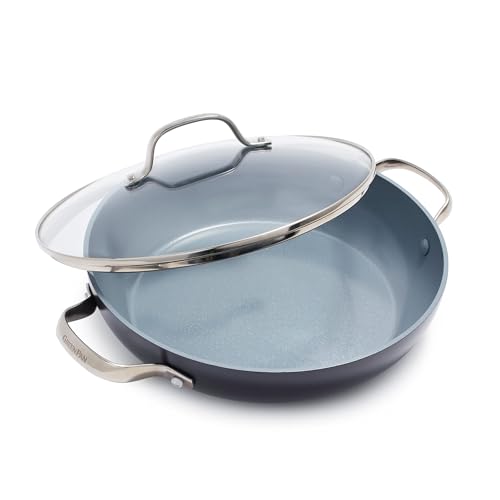


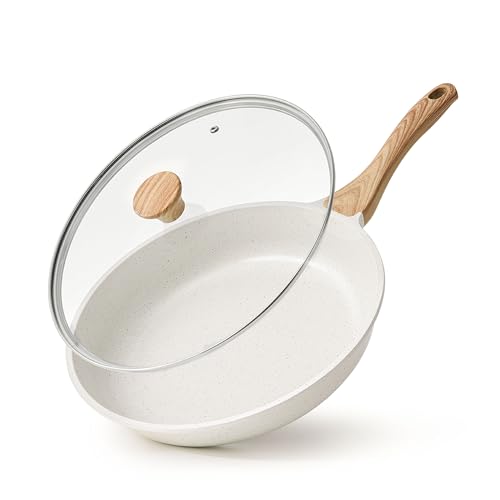

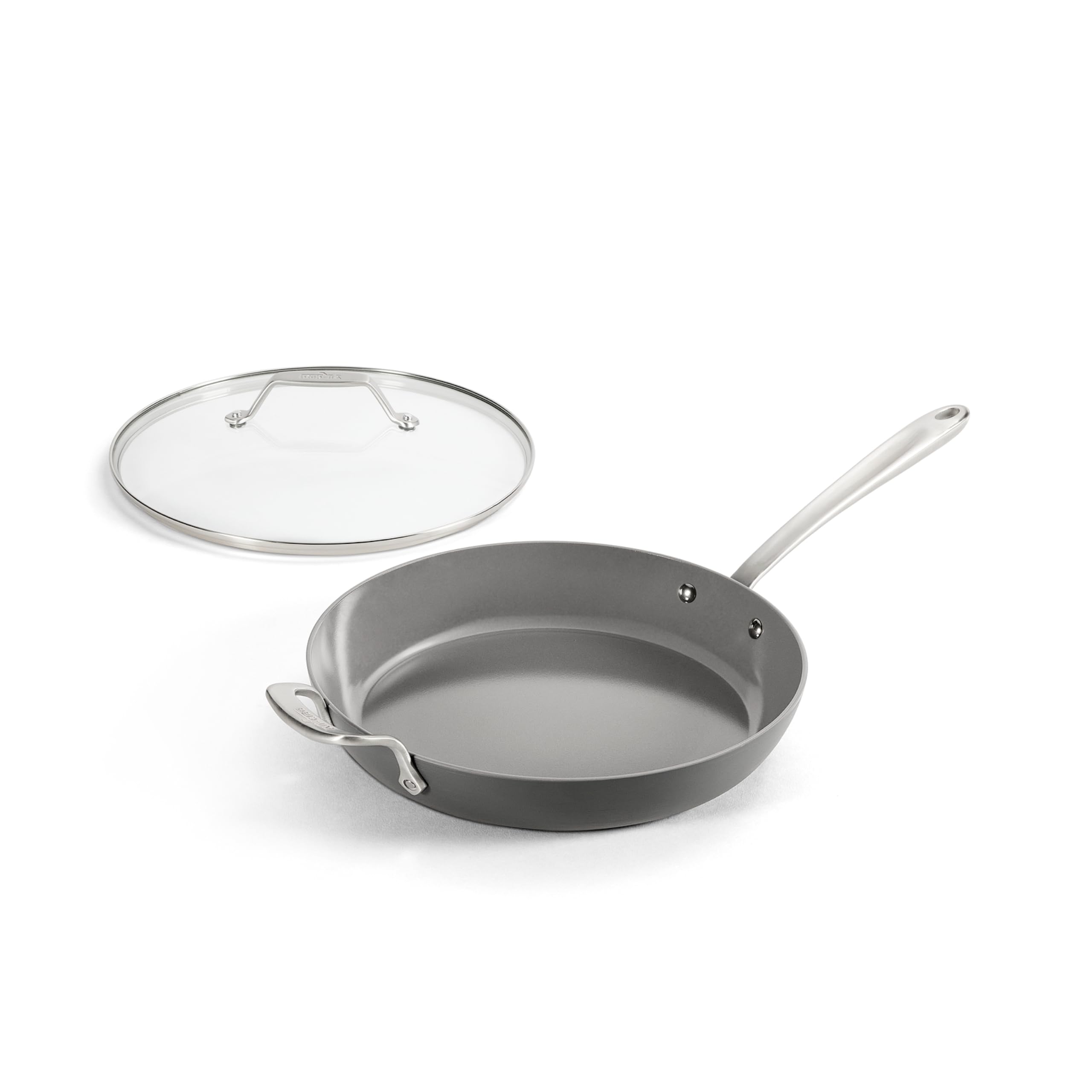


Quick Answer: The Main Types in 30 Seconds
For most homes, a 10 inch or 11 inch ceramic coated aluminum pan covers eggs, grilled sandwiches, fish, and reheated leftovers without taking over a cabinet. Small households often do better with an 8 inch pan plus one larger option for shared meals.
Choose a thicker base if your stove heats unevenly, and an induction ready base if you cook on induction. If easy release matters more than browning, ceramic is a strong fit.
Before You Buy: A Quick Checklist for Choosing a Nonstick Pan
Size: Match It to Your Space
Measure your largest burner and your cabinet shelf before you choose a diameter. An 8 inch pan suits one or two eggs and single servings, and it stores easily in a small kitchen. A 10 inch pan is the workhorse for two people, while 11 inch and 12 inch pans give room for family portions and wide foods such as pancakes. A large pan on a small burner heats unevenly, so bigger is not always better. If storage is tight, one versatile size beats a bulky set you rarely open.
Which Type Fits Your Routine
Ceramic coatings are made without PTFE, which appeals to shoppers who want to avoid that material. Aluminum bodies heat quickly and stay light enough for daily lifting, tossing, and washing. Hard anodized aluminum adds a tougher shell and often feels sturdier, though it can cost more. Hybrid designs pair a metal cooking surface pattern with a coating, and they aim for better browning. Granite style finishes are usually a coating look rather than solid stone. Think about your routine first. Frequent egg and fish cooking points you toward smooth ceramic, and our guide to the best nonstick pan for eggs covers that narrow use in more depth.
Features Worth It, and Ones to Skip
A lid is worth paying for if you steam vegetables, melt cheese, or finish grains in the pan, since it holds moisture and reduces splatter. A stainless steel handle is worth it if you often move the pan into the oven. Skip extra lids and large accessory bundles if you lack storage, since each extra piece needs a home. Fancy finishes and matching extras rarely change how food cooks.
Is a Ceramic Pan Non Toxic?
Ceramic coatings are generally sold as free of PFAS, PFOA, and PTFE, and that is the main reason many shoppers seek them out. The coating itself is a silica based layer applied to a metal body, often aluminum. That does not mean every claim on a box tells the full story, so read what the maker says about the base metal, the handle, and any colored outer finish. If avoiding PFAS across your whole pan collection is your priority, compare the options in our guide to the best non toxic nonstick pan before you buy.
Induction, Gas, and Glass Top Compatibility
Check the base, not just the coating, before you match a pan to your stove. Gas burners work with almost any flat base, while glass top stoves need a smooth, flat bottom that will not scratch or rock. Induction needs a magnetic base, so a plain aluminum pan will not work unless it has a bonded steel plate on the bottom. The listing should name induction clearly. If that is your stove type, our guide to the best nonstick pan for induction explains base construction in detail.
Oven Safe Temperature and Handles
Oven limits vary a lot, and the handle often sets the limit rather than the pan body. Many ceramic pans are rated to about 350 to 450 degrees Fahrenheit, while some metal handled models allow more. Silicone wrapped handles feel comfortable on the stove but may lower the oven rating. Always check the rating for the exact size you buy, since it can differ within one product line. If you plan to finish frittatas or keep food warm in the oven, put this rating near the top of your list.
Realistic Budget Ranges
Price mostly reflects base thickness, handle build, and whether a lid is included. At under $20, expect a light pan for gentle daily use and a shorter service life. At about $30 to $50, you usually get a thicker base and a sturdier handle. At about $50 to $100, pans often add induction ready bases, better balance, and longer warranties. Spending more does not make a coating last forever, so treat any ceramic pan as a replaceable tool. For a wider view of price tiers, see our guide to the best nonstick pan and compare what each tier actually adds.
Types Compared: Three Routes That Fit Different Homes
Instead of chasing one winner, match the type to your home. The three routes below cover the most common household needs, from a compact starter kitchen to a busy family stove.
Light Aluminum Pans for Most Homes
A mid size aluminum pan with a ceramic coating is the easiest starting point for most households. It heats fast, stays light for daily use, and releases eggs and delicate foods with little oil. This route suits renters, new kitchens, and anyone who cooks simple meals most nights. The trade off is lifespan. The coating will wear with time, high heat, and careless utensil choice, so budget for replacement rather than expecting a decade of use from one pan.
Compact Pans for Small Budgets and Small Spaces
An 8 inch or 10 inch value priced pan makes sense for dorms, first apartments, and single person households. It costs less to replace, stores in a drawer or narrow cabinet, and handles breakfast and reheating jobs well. Keep heat moderate and use it for the foods it does best, such as eggs, quesadillas, and warmed leftovers. The limits are clear. Portions stay small, browning space is tight, and thin bases can warp if you heat the pan empty on a strong burner.
Thicker Base Pans as a Longer Term Investment
A heavier pan with a thick forged or hard anodized body spreads heat more evenly and resists warping better than a thin base. Many models in this group add induction ready bottoms, metal handles, and higher oven ratings. You pay more upfront and lift more weight at the sink. For homes that cook daily and store one main skillet, that trade can be worthwhile, since even heating reduces hot spots that scorch sauces and eggs.
How to Compare Ceramic Pans
Compare pans using maker specifications, stated oven and stove limits, base construction, and patterns in verified buyer reviews. The useful criteria are heat distribution, coating durability, material disclosures, stove and oven compatibility, and ease of cleaning.
Strengths and Limits of Ceramic Versus Other Nonstick Pans
Ceramic coatings release food well when new, need little oil, and clean up with a soft sponge and warm soapy water. They also give you a PTFE free cooking surface, which many households prefer. On the other side, ceramic coatings tend to lose release sooner than traditional nonstick coatings, especially under high heat. Browning is lighter, so steaks and skin on chicken will not develop the same crust.
Traditional nonstick often keeps its release longer but uses PTFE, which some shoppers want to avoid. Stainless steel browns deeply and lasts for years, yet eggs demand more oil and more skill. If that trade off is your main question, read our comparison of nonstick vs stainless steel.
Common Buying Mistakes to Avoid
- Buying a 12 inch pan for a small burner and a narrow cabinet, which leads to uneven heating and storage frustration.
- Ignoring replacement cost, since a ceramic coating is a wear surface and will not perform like new forever.
- Paying for a large set when you only use one size, which wastes money and shelf space.
- Skipping the stove check, since a non magnetic base will not work at all on an induction cooktop.
- Choosing by color or finish alone, while base thickness and handle build shape daily use far more.
Cost of Ownership and Care
Ownership cost is mostly replacement timing plus a few simple habits. Use low to medium heat for most cooking, since repeated high heat is the fastest way to dull a ceramic coating. Cook with wood, silicone, or nylon tools, and avoid cooking sprays, which can leave a sticky film that is hard to remove. Store the pan with a cloth or paper layer if you stack other cookware on top of it.
Wash the pan by hand once it has cooled, using a soft sponge rather than an abrasive pad. Our guide on how to clean a nonstick pan covers stuck residue and film removal in detail. Replacing one well chosen pan every few years usually costs less over time than buying a large set and replacing all of it at once.
Your Questions, Answered
Are ceramic nonstick pans worth it?
Yes, for households that cook eggs, fish, and vegetables often and want a PTFE free surface with easy cleanup. They are less worthwhile if you sear meat at high heat most nights, since the coating wears faster and browning stays light. Think of the purchase as a comfort and convenience choice with a limited lifespan, not as a permanent upgrade. If your meals lean gentle and your cleanup time matters, the value is real.
How long does a ceramic nonstick pan last?
Most ceramic pans keep good release for about one to three years of regular use, though gentle care can stretch that span. Early signs of wear include food gripping in the center, a dull or rough feel under a fingertip, and eggs that need scraping. Once release fades across most of the surface, no cleaning routine restores it. Planning a replacement budget from the start prevents disappointment and keeps you from overheating a worn pan to force results.
How do you clean a ceramic nonstick pan?
Let the pan cool fully before washing, since pouring cold water into a hot pan can stress the base and coating. Wash with warm water, a small amount of dish soap, and a soft sponge, working in circles over any film. For stubborn spots, soak the pan for about 15 minutes rather than scrubbing harder. Dry it fully before storing, since lingering moisture under a stacked pan can leave marks and odors that transfer to the next meal.
What is the most reliable ceramic nonstick pan brand?
No single brand wins for every home, so judge reliability by signals you can check. Look for clear oven and stove limits, a stated coating system, a warranty that covers coating defects, and consistent sizing across a product line. A maker that publishes care limits honestly is a better bet than one that promises permanent release. Reviews that mention performance after a year of use tell you more than reviews written during the first week.
Can a ceramic nonstick pan work on induction?
Yes, but only when the base contains magnetic metal. A quick home check helps before you order a second pan for the same stove. Hold a kitchen magnet against the bottom of a pan you already own in that line. If it grips firmly across the base, induction models in that line are likely built the same way. If it slides or grips only at the edge, expect weak heating and possible error messages from the cooktop.
Final Thoughts: Best Ceramic Nonstick Pan
The right choice comes down to fit. Match the size to your burner and cabinet, the base to your stove, and the price to a realistic replacement cycle. When you compare the product table above with those needs in mind, the best ceramic nonstick pan for your home is usually the simple one you will use daily, wash gently, and replace without regret.


