
Best Road Bike Helmet Under $100: What You Actually Get at This Price
Disclosure: We may earn a commission when you buy through links on this page, at no extra cost to you. As an Amazon Associate I earn from qualifying purchases. Learn more

You have narrowed your budget to $100 or less, and now you are wondering if that number buys real protection or just a foam shell that looks the part. It is a fair question. Helmet marketing loves to imply that safety scales with price, and that simply is not how the testing works. Finding the best road bike helmet under 100 dollars comes down to understanding which corners actually get cut at this price and which ones do not matter nearly as much as the marketing suggests. This guide walks through certification, rotational protection, construction quality, and fit, so you know exactly what you are trading off before you check out.
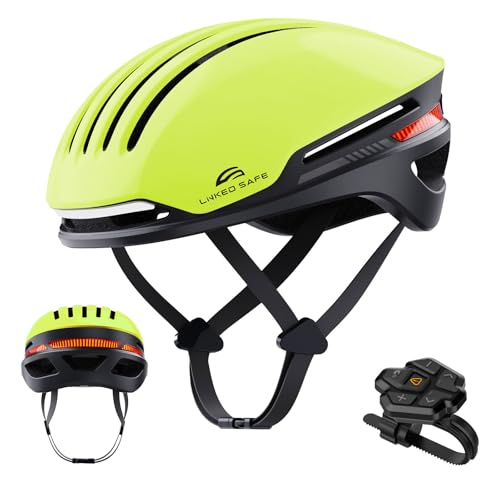
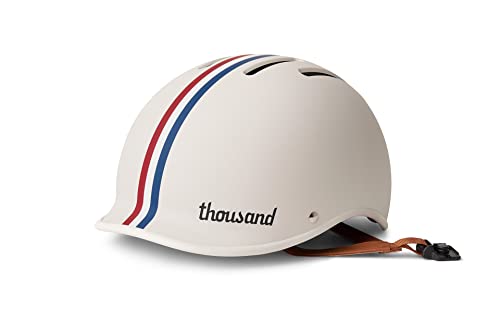
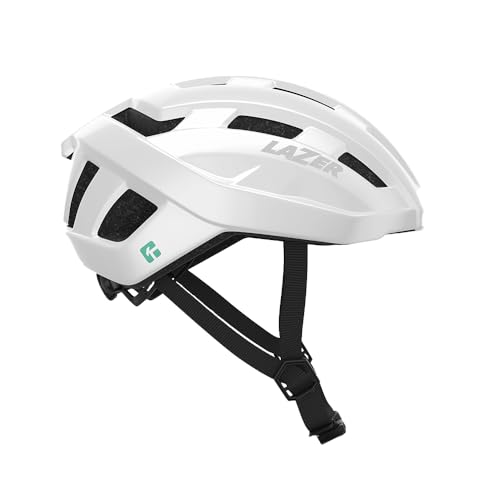
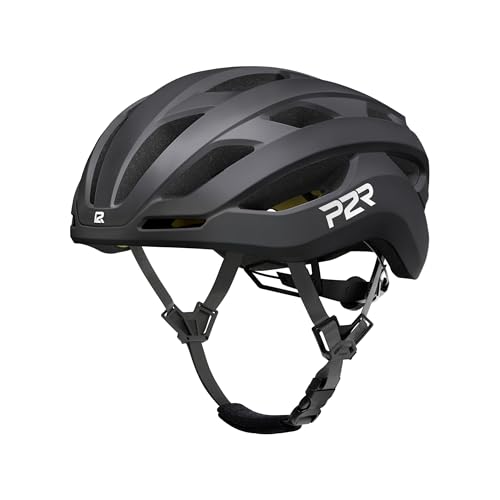

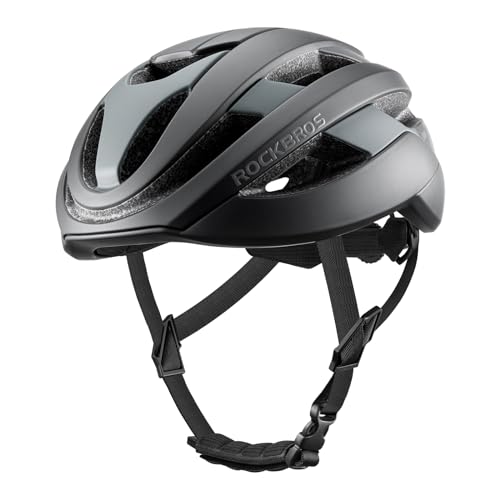
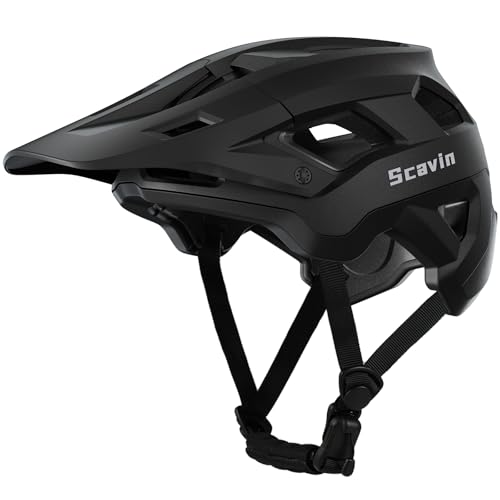
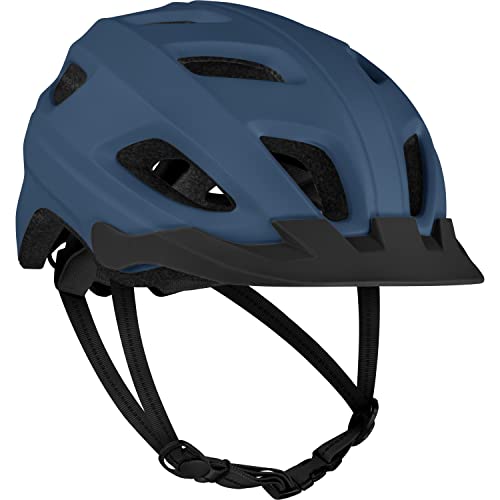
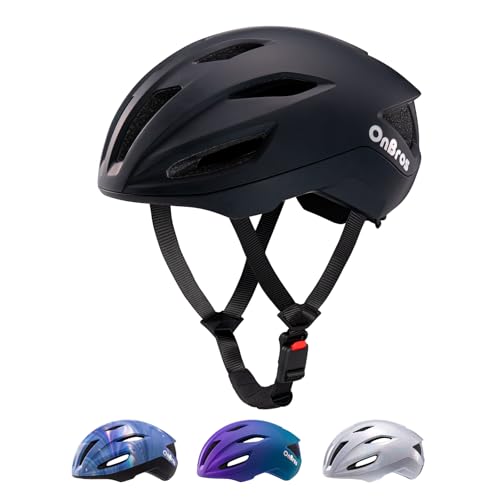
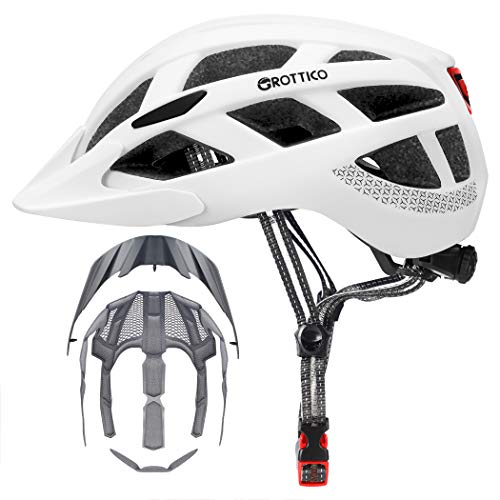
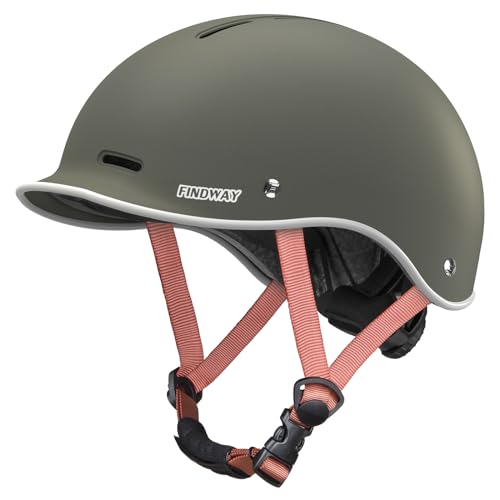
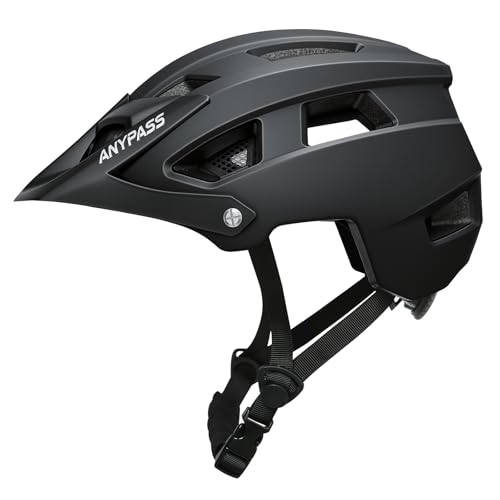
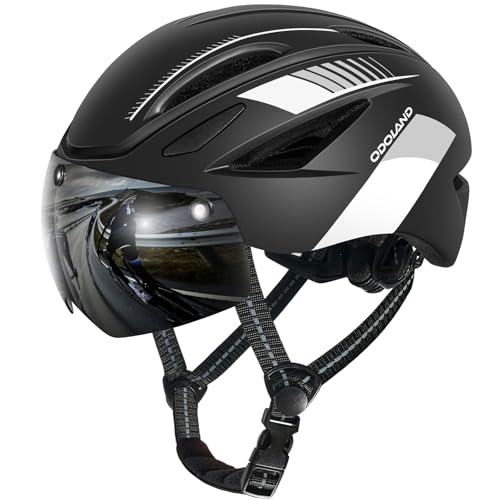
Why Certification Matters More Than the Price Tag
Every legitimate bike helmet sold in the United States has to pass the same federal safety test regardless of what it costs. That test measures how much force reaches your head during an impact, and a helmet either passes or it does not. There is no tiered version of the standard for cheaper helmets.
What CPSC Certification Actually Guarantees
Look for a small sticker or printed label inside the helmet referencing CPSC compliance. That label means the helmet has been tested against the same impact attenuation, retention system, and coverage requirements as a helmet costing three times as much. It will not tell you how comfortable the helmet is or how well it ventilates, but it confirms the part that actually protects your skull in a crash.
A Low Price Doesn't Mean Lower Safety, If It's Certified
Independent lab testing has repeatedly found that certified helmets across a wide price range perform almost identically on standard impact tests. What separates a $40 helmet from a $150 one is mostly comfort, weight, ventilation, and finish, not the core protection you are paying for in a crash. That is genuinely good news if your budget caps out under $100, as long as you confirm certification instead of assuming it.
Where You Buy It Matters as Much as What You Buy
The safety-parity point above comes with one real catch. A handful of recalls and enforcement actions in recent years targeted bicycle helmets sold cheaply through online marketplaces that failed impact, retention, or labeling requirements outright. These were not name-brand helmets sold at a discount. They were unfamiliar listings with vague branding, stock photos that did not match what buyers received, and no clear certification documentation.
Spotting an Uncertified or Counterfeit Listing
Before you buy, check that the listing names a real manufacturer, shows the certification label in product photos, and comes from a seller with a track record rather than a brand-new storefront. A price under $100 is not the red flag by itself. A price that seems too low compared to every other certified helmet in that category, paired with a seller you cannot verify, is the actual warning sign.
Rotational Protection: Where MIPS Shows Up Under $100
MIPS and similar rotational protection systems add a low-friction layer inside the shell that lets the helmet shift slightly during an angled impact, which can reduce some of the twisting force transferred to your head. It started as a premium add-on, but that has changed faster than most shoppers realize.
Why It's Inconsistent at This Tier
Under $100, rotational protection is genuinely hit or miss. You will find it built into some models near the top of that range, and you will find plenty of certified, perfectly safe helmets below $50 that skip it entirely to hit their price point. Unlike the $150 to $200 range, where rotational protection has become close to standard equipment, under $100 it is still a feature you have to look for rather than expect by default.
How to Confirm Before You Buy
Check the spec sheet or product description for the specific system used rather than trusting a generic "safety technology" claim in the marketing copy. If rotational protection matters to you and your budget is firm at $100, expect to shop closer to the top of that range and to give up something else, most often a few grams of weight or a step down in vent shaping, to get it. Shoppers hunting for a road bike helmet under 100 dollars with rotational protection built in will usually have the best luck between $70 and $95.
Shell Construction and Ventilation at This Price
Nearly every road helmet, budget or flagship, is built around a core of expanded polystyrene foam that absorbs impact energy, covered by a thin outer shell. What changes at this price is how that shell is attached and how much design work went into the vents.
In-Mold vs Glued-Shell Construction
Pricier helmets fuse the shell to the foam during manufacturing, which saves weight and allows more complex vent channels. Many sub-$100 helmets instead glue a separate shell on afterward. That construction still passes the same certification, but it tends to be a little heavier and can show wear, like shell lifting at the edges, sooner than in-mold builds.
Fewer Vents, and Why That's the Trade-off
Budget helmets typically have fewer, simpler vents than models built with wind-tunnel and airflow modeling. That usually means somewhat less airflow across your scalp on long or hot rides, though it rarely makes the helmet unsafe or unusable. If you ride mostly short distances or in cooler conditions, this trade-off matters a lot less than it would for someone logging long weekend miles. For a deeper look at how vent shaping and aero design interact on pricier helmets, the full road bike helmet buying guide covers that trade-off in more detail.
Fit and Retention Hardware You Can Expect
At this budget, expect a simpler rear dial with fewer adjustment positions and pads that are functional rather than plush. That is not a dealbreaker. A snug, correctly adjusted fit still matters more for both comfort and safety than any premium hardware, so measure your head, try the size range recommended by the manufacturer, and check the return policy before you buy rather than guessing. Riders who are budgeting closely on a helmet often make similar trade-offs elsewhere on the bike, and it is worth comparing notes on other entry-level component upgrades if you are outfitting a bike on a tight budget overall.
Frequently Asked Questions
Is a cheap road bike helmet safe to ride with?
Yes, as long as it carries a genuine CPSC certification label. Certified helmets across a wide price range perform similarly on impact tests, since price mostly buys comfort and refinement rather than core protection.
Do road bike helmets under $100 have MIPS?
Some do, especially closer to the top of that price range, but it is not guaranteed the way it is at $150 and up. Check the product listing for the specific rotational protection system rather than assuming it is included.
What's the difference between a $50 and a $100 bike helmet?
Both have to meet the same safety certification. The extra budget at $100 usually goes toward better ventilation shaping, a more refined retention dial, lighter materials, or a rotational protection layer that a $50 helmet may not include.
How do I know if a bike helmet is CPSC certified?
Look for a printed or stamped label inside the helmet referencing CPSC compliance with the federal bicycle helmet safety standard. Reputable retailers also list certification in the product description, and you can typically verify the brand independently if you have doubts.
Can you buy a fake or uncertified bike helmet online?
Unfortunately, yes. Regulators have flagged multiple cheap helmets sold through online marketplaces for failing impact or labeling requirements. Buy from established brands and sellers with a verifiable track record rather than the cheapest unfamiliar listing you can find.
Is it worth spending more than $100 on a road bike helmet?
It depends on your priorities. If you want guaranteed rotational protection, lighter weight, and more refined ventilation, moving up in budget makes that easier to find without hunting for it. If you mainly want certified, reliable protection, a well-chosen sub-$100 helmet can serve you just as safely.
How long does a bike helmet last before you need to replace it?
Most manufacturers recommend replacing a helmet every three to five years even without a crash, since foam and straps degrade with age, sweat, and sun exposure. Replace it immediately after any real impact, regardless of price or how new it is.
Setting Realistic Expectations
A sub-$100 budget is not a compromise on core safety if you buy a properly certified helmet from a reputable seller. What you are actually trading off is refinement: fewer vents, simpler shell construction, and rotational protection that you have to look for rather than expect. Keep certification as your non-negotiable, treat MIPS as a bonus to confirm rather than assume, and the best road bike helmet under 100 dollars for your riding will be a straightforward, safe choice rather than a gamble.