Best Kids Play Tents: A Complete Buying Guide
Disclosure: We may earn a commission when you buy through links on this page, at no extra cost to you. As an Amazon Associate I earn from qualifying purchases. Learn more
A cardboard box holds a kid's attention for about ten minutes. A good play tent holds it for years, turning a corner of a bedroom, playroom, or backyard into a spot that feels like it belongs to them. Not every tent earns that kind of loyalty, though. Some collapse the moment a sibling leans on the doorway, some trap heat within minutes, and some end up folded into a closet once the novelty wears off. Finding the best kids play tents for your family starts with understanding the real differences between pop-up designs, teepees, playhouse-style tents, and tunnel-connected sets, then matching that style to your child's age, your available floor space, and how much daily wear the tent actually needs to survive.
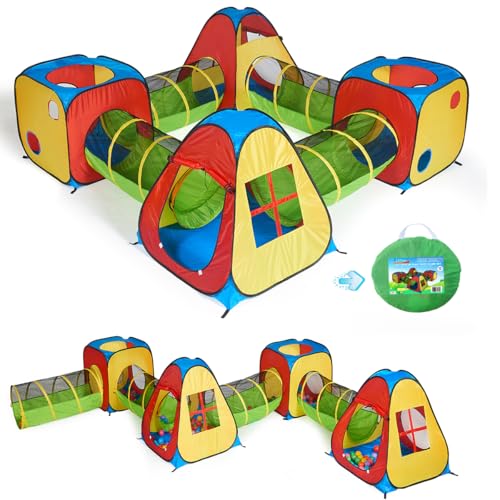
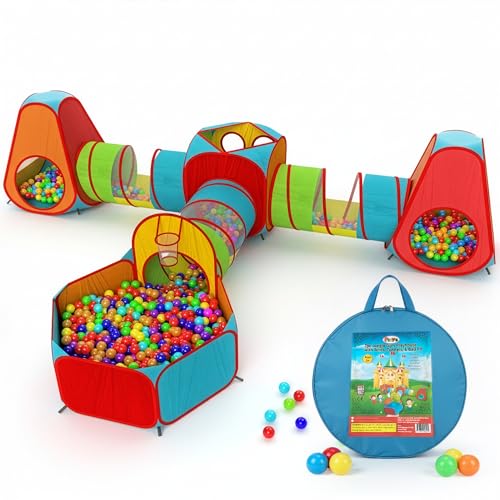
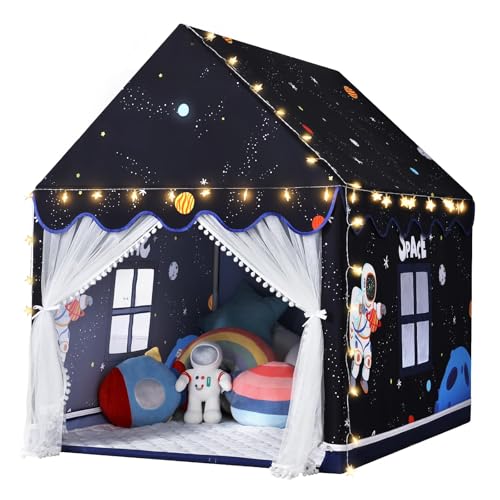
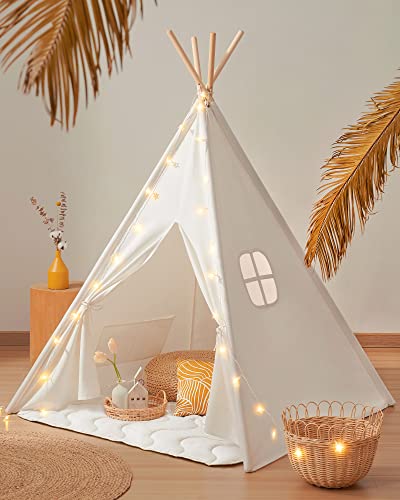
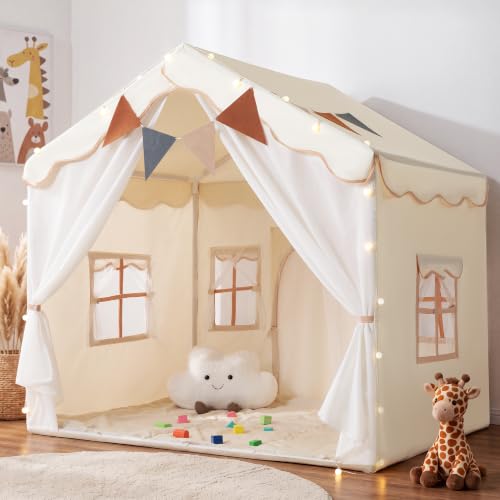
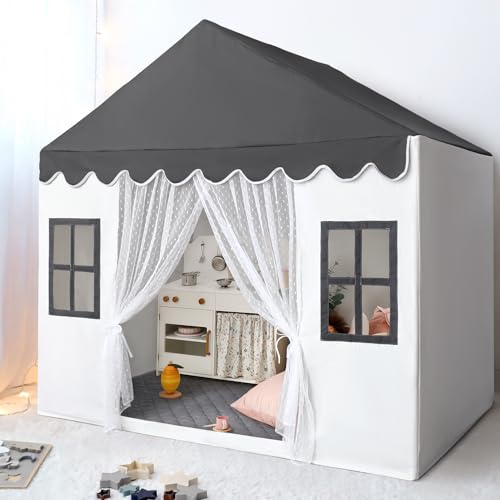
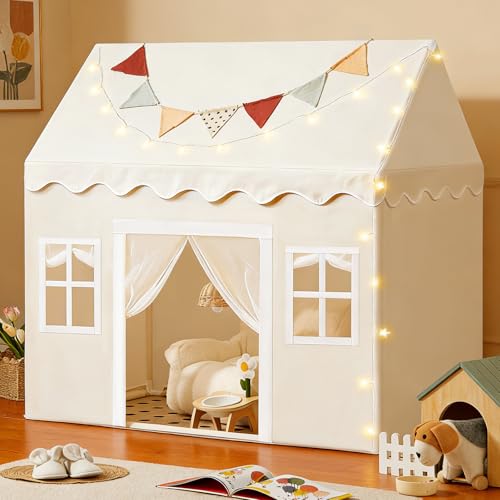
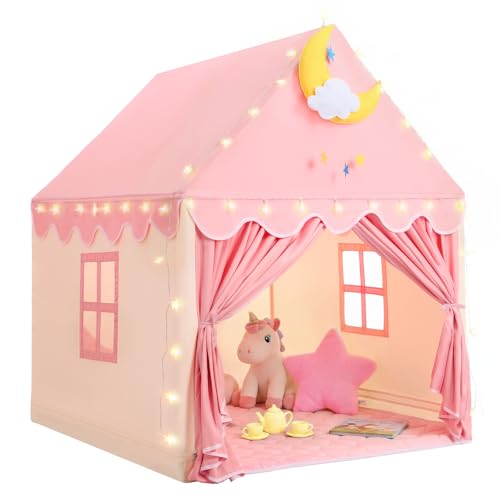
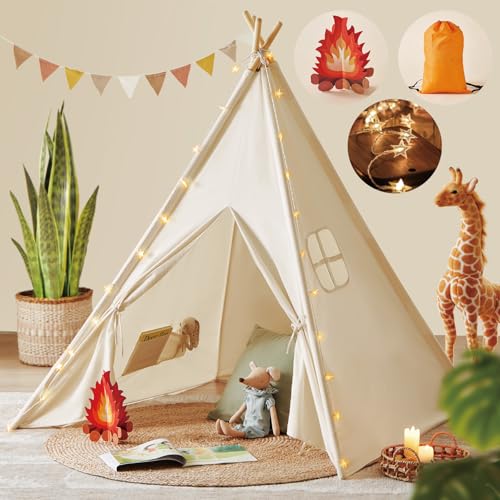

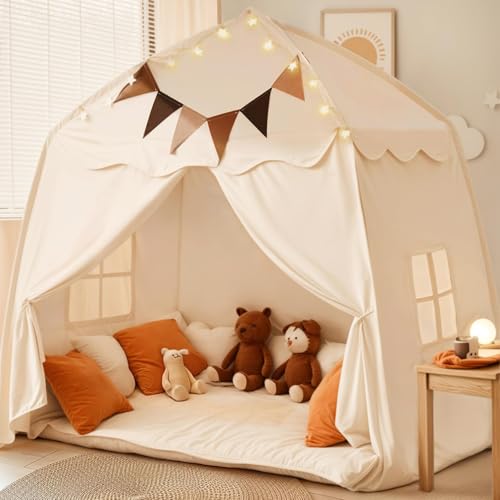
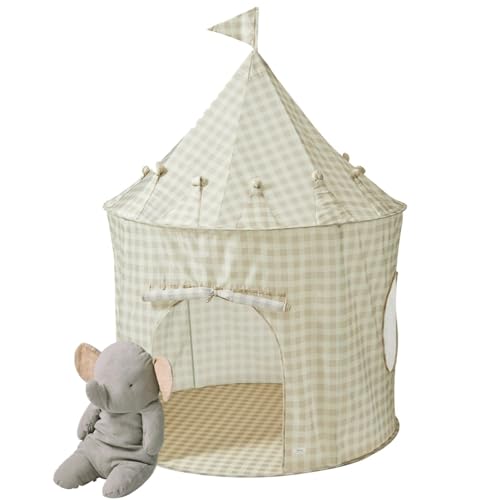
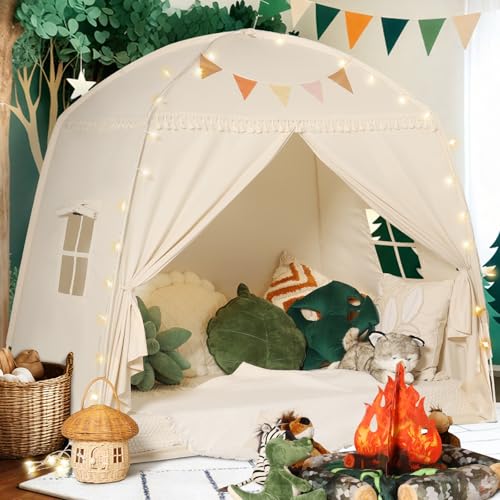
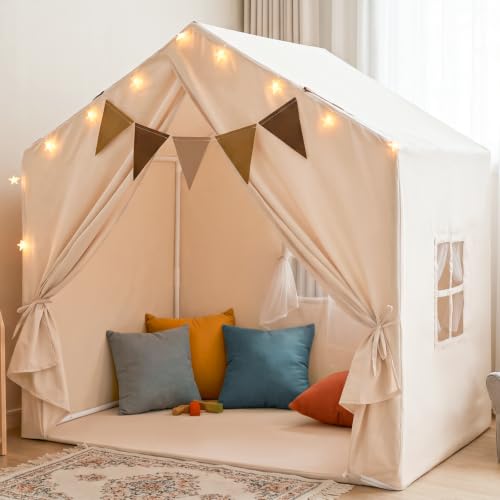
Pop-Up Tents, Teepees, Playhouses, and Tunnel Sets: Picking the Right Style
Pop-up tents use a coiled spring frame that snaps into shape the moment you unzip the carry case, which makes them the fastest option to set up and the easiest for a toddler to manage without help. They fold flat again in seconds, but that same lightweight frame can feel flimsy once an older child starts climbing on top of it rather than crawling through the door.
Teepees lean more toward decor and quiet play, with wood or bamboo poles that stand taller and hold their shape better under regular leaning and pulling. For the classic teepee look specifically, see the best kids teepee tents for a closer look at frame and fabric options.
Playhouse-style tents add walls, a peaked roof, and sometimes a window or two, which makes them heavier and better suited to a corner where they can stay put rather than being packed away daily. Tunnel-connected sets link two or more tents with crawl-through tubes, and they tend to be the top pick for siblings or regular playdates since they give more than one child their own space while still connecting the play.
Fabric and Frame Quality That Hold Up to Daily Play
Tightly woven cotton canvas breathes better than synthetic fabric and generally holds its shape wash after wash, which matters once snacks and markers inevitably make their way inside. Polyester and parachute-style nylon show up often on pop-up tents because they are light and inexpensive, but they can feel stiff, trap warmth, and pill faster with regular handling.
Frame material matters just as much as the fabric covering it. Wood or bamboo poles flex instead of snapping outright and tend to outlast plastic or fiberglass versions, which can crack with age and splinter when they finally do fail. On pop-up and tunnel sets, check the spring steel ring itself. A ring that feels loose or bends out of round after folding a few times is a sign the tent will not hold its shape for long.
Matching Tent Size to a Child's Age and Your Play Space
Most play tents work well starting around eighteen months, with the real sweet spot for imaginative play landing somewhere between two and six years old, right as pretend play takes off. Older kids often keep using a tent well past that range too, just for reading or a quiet retreat rather than pretend games, so buying with a little extra room to grow tends to pay off.
Before ordering anything, measure the actual corner or room where the tent will live. Floor footprint varies widely between styles, and a tunnel-connected set in particular can eat up far more square footage than the box photo suggests. Peak height matters too, since a tent tall enough for a child to stand in gets used far more than one they can only sit inside. If two kids will regularly share the space, size up rather than assuming they will happily take turns.
Safety Certifications and Fabric Treatments Worth Checking
Look for fabric labeled to meet ASTM F963 or carrying a CPAI-84 flammability rating, both of which point to a manufacturer that tested the material rather than skipped that step. That said, it is worth knowing that some play tents have historically relied on chemical flame retardants to meet those standards, and several of those chemicals have since drawn scrutiny over long-term exposure in young children. Tightly woven natural fabric can meet flammability requirements with less chemical treatment, so it is a reasonable detail to ask about if it is not listed on the product page.
Beyond fabric, check that the frame has a stable base so it will not tip if a child grabs the doorway to stand up, and confirm there are no small trim pieces, buttons, or bells that could come loose with a toddler in mind. A tent that stays upright on its own, without leaning against furniture, is generally the safer long term choice.
Indoor Use, Outdoor Use, and What Changes
Indoor tents can prioritize breathable fabric and a soft, washable floor panel since wind and rain are not a factor. Ventilation still matters, though. A tent with only a single small doorway can get stuffy fast, especially in a bedroom that already runs warm.
Outdoor use asks more of the fabric and the frame. Water-resistant or coated material sheds a light drizzle better than plain cotton, and a heavier base or built-in stakes help the tent stay put in a breeze. Even tents rated for outdoor use generally do best brought inside after each session, since leaving one out overnight invites moisture, mildew, and faster fading than most fabric can handle.
Setup, Storage, and the Regrets Parents Mention Most
The most common regret with any of the best kids play tents is not the tent itself, but how it fits into daily life once the excitement fades. A tent that takes real effort to fold back down tends to get left out permanently, which works fine in a playroom but crowds a shared bedroom fast. Look for a frame that collapses into a flat bundle and a carry bag it actually fits back into, rather than one that requires wrestling poles out of fabric sleeves every time.
Buying too small is the other frequent misstep. A tent that fits a toddler comfortably can feel cramped within a year, especially once a friend or sibling wants to join in. Sizing up slightly, and checking floor space honestly before ordering, saves a lot of frustration compared to guessing from a product photo alone.
Frequently Asked Questions
What age is right for a child's first play tent?
Most tents are suitable starting around eighteen months with supervision, though the real sweet spot for imaginative play is usually between two and six years old. Simple, floorless designs tend to work best for the youngest toddlers.
How much floor space does a play tent actually need?
It depends heavily on style. A single pop-up or teepee usually needs a modest corner, while tunnel-connected sets can take up significantly more room once fully assembled, so it helps to measure the space first.
Are pop-up tents sturdy enough for rough, everyday play?
They hold up fine for crawling in and out and light play, but the coiled frame is not built for a child standing or jumping on top of it. Teepees and playhouse-style tents with rigid poles tend to tolerate rougher use better.
Is cotton or polyester better for a kids' play tent?
Cotton canvas breathes better, holds its shape, and typically softens with washing instead of thinning out. Polyester is lighter and cheaper but tends to trap heat and feel stiffer over time.
Do play tents need to be flame retardant?
Look for fabric that meets recognized flammability standards, but know that some manufacturers achieve that with chemical treatments worth asking about. Tightly woven natural fabric can meet the same standards with less added chemical treatment.
Can the same tent be used both indoors and outdoors?
Some are designed for both, but check the fabric first. Untreated cotton can absorb moisture outdoors, so it is best brought inside after outdoor play rather than left out overnight.
Finding the Style Your Kids Will Actually Use
Among the best kids play tents, the one that gets used for years is rarely the flashiest option in a product photo. It is the one sized right for the space you have, sturdy enough for how your kids actually play, and simple enough to fold away that it does not become a permanent fixture in the middle of the floor.