Best Rugs for Kids: A Complete Buying Guide
Disclosure: We may earn a commission when you buy through links on this page, at no extra cost to you. As an Amazon Associate I earn from qualifying purchases. Learn more

A practical guide to choosing safe, durable rugs for kids' bedrooms and playrooms, covering materials, pile height, size, and easy cleanup.
Kids spend more time on the floor than almost anywhere else in the house, which makes the rug underneath them one of the most-touched surfaces in a child's room. A good kids rug softens falls, warms up cold flooring, and gives toddlers a defined spot to build towers or spread out puzzle pieces. The wrong one, though, can trap allergens, slide out from under running feet, or fall apart after a single juice spill. This guide walks through what actually matters when picking one, based on how families use these rugs day to day rather than a generic checklist.
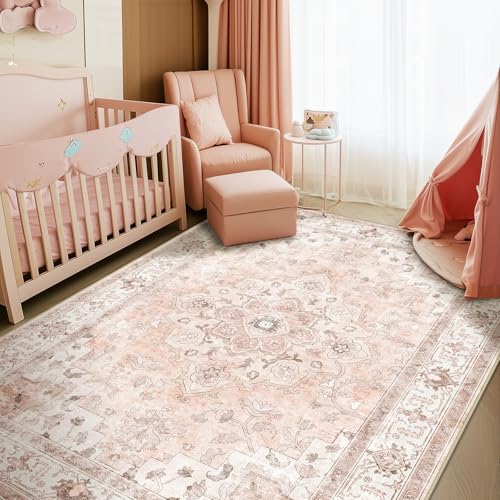
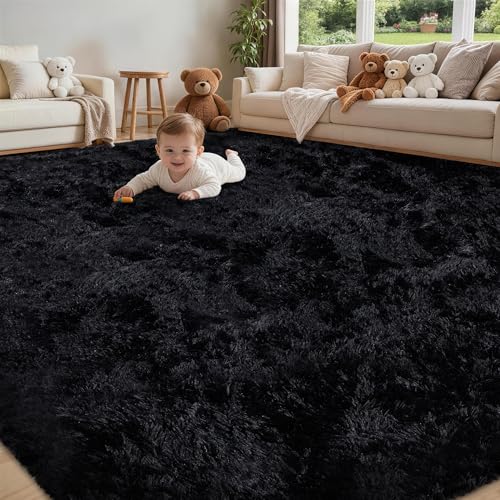
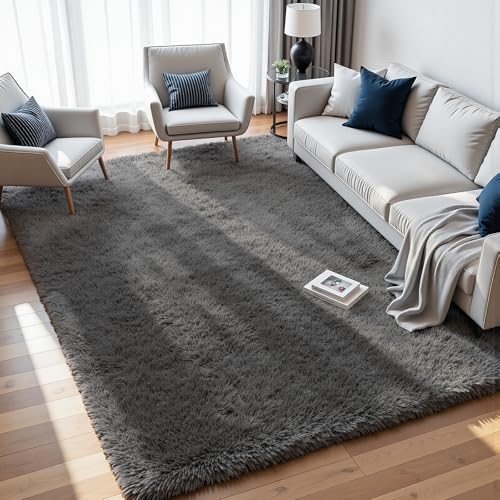
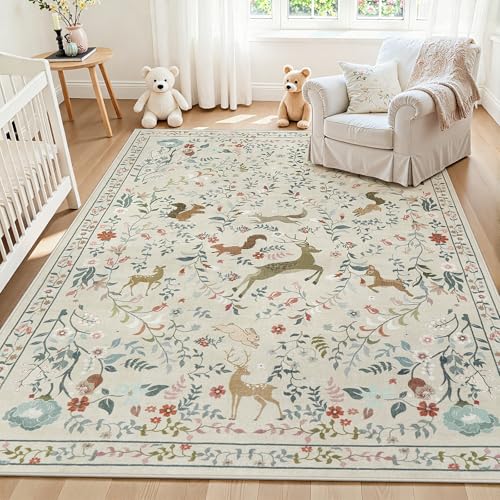
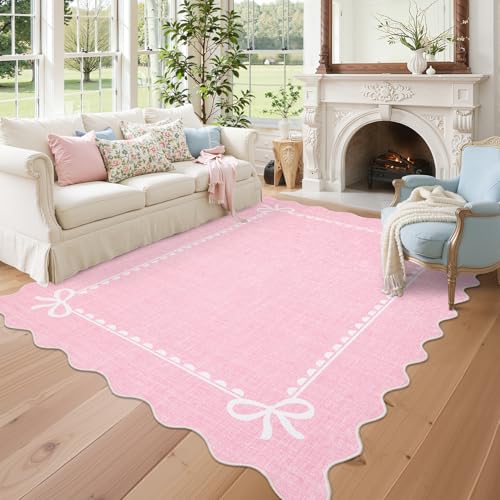
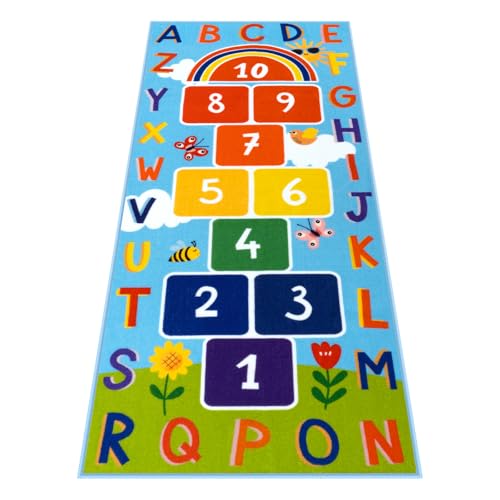
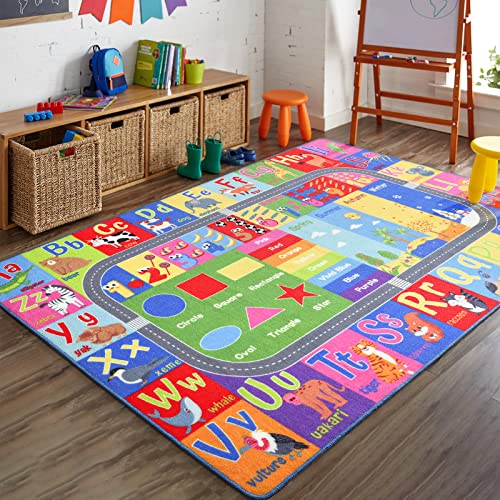
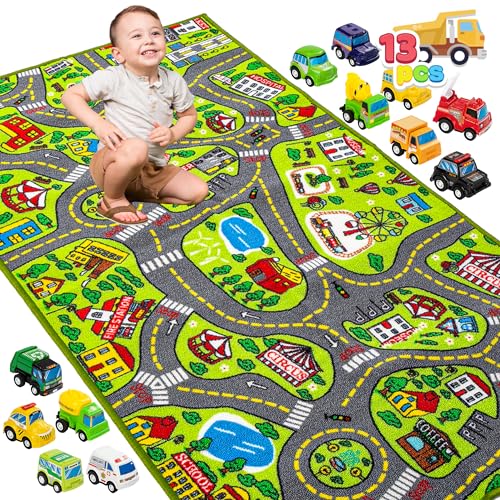
Materials That Keep Little Hands and Noses Safe
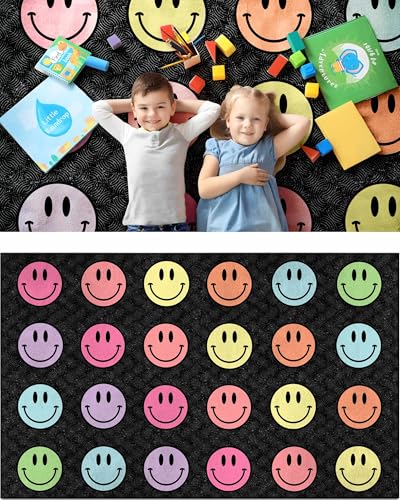
Babies and toddlers spend a lot of time with their faces close to the floor, so what a rug is made of matters more here than in almost any other room. Natural fibers such as wool, organic cotton, or jute tend to off-gas far less than synthetic piles, and they hold up well to years of crawling and rough play. Synthetic blends aren't automatically a problem, but they should carry a recognized low-emission certification rather than a vague "eco-friendly" label on the packaging.
Look for a rug labeled as non-toxic, ideally backed by testing such as OEKO-TEX or GREENGUARD Gold, which check for volatile organic compounds, formaldehyde, and heavy metals in dyes. This matters even more for kids with asthma, eczema, or seasonal allergies, since a rug that sheds chemical residue or fine synthetic fibers can aggravate both. A quick sniff test at the store is not a substitute for a real certification, since off-gassing doesn't always announce itself with a strong smell.
Sizing a Rug for a Bedroom Nook or a Full Playroom
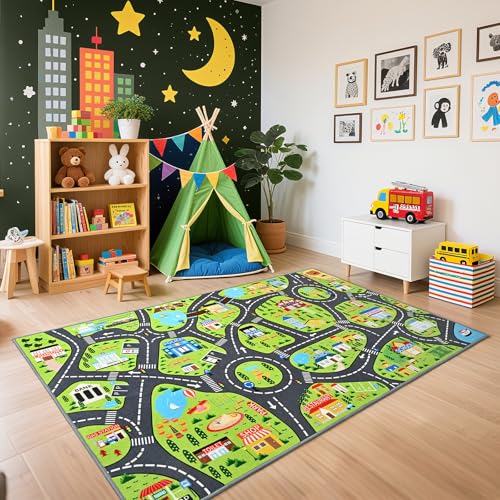
A rug that's too small ends up as an island in the middle of the room, and kids will inevitably end up half on, half off it during play. For a play corner within a bedroom, a 4x6 or 5x8 foot rug usually carves out enough space for building blocks or a reading nook without swallowing the whole floor. In a dedicated playroom, sizing up to 8x10 or 9x12 feet lets the rug function as the main play surface, leaving a foot or two of bare floor around the edges.
Round rugs work well for smaller spaces or reading corners, since they soften the hard edges that toddlers tend to bump into while running. Whatever shape gets chosen, measure the actual floor space first rather than guessing, since even a few inches off can mean furniture legs land awkwardly on the rug's edge instead of fully on or off it.
Pile Height, Cushioning, and Non-Slip Backing for Safer Play
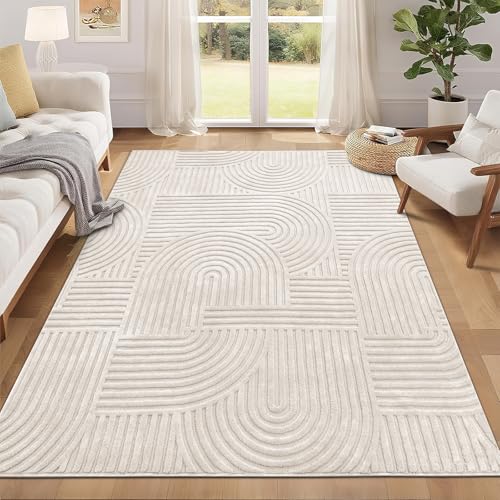
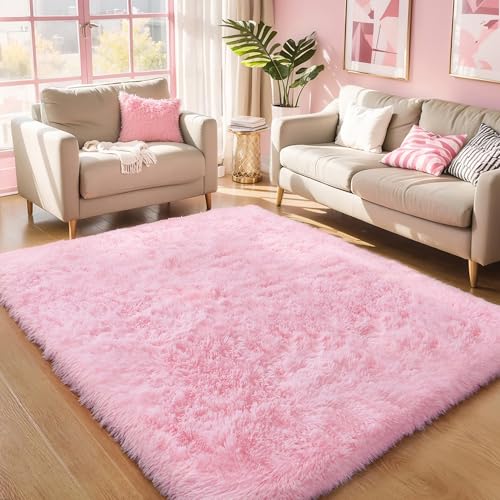
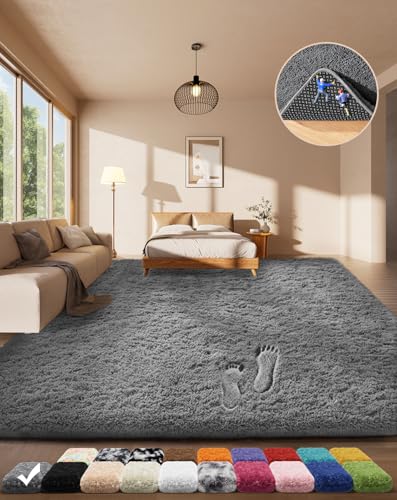
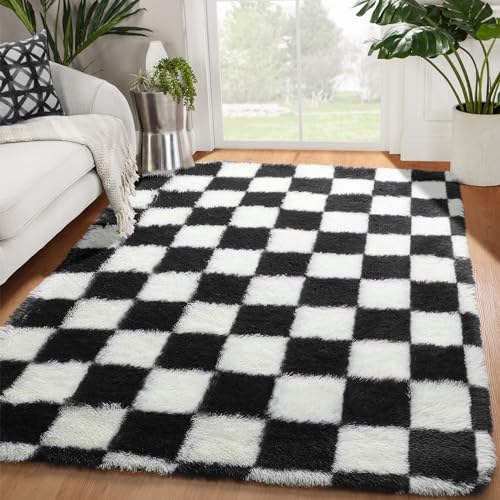
Pile height affects both comfort and safety more than most parents expect. A low to medium pile, generally under half an inch, gives babies enough cushioning for tummy time and early crawling while staying easy for toddlers to walk across without catching their toes. Very thick, shaggy piles look cozy in photos, but they can shift underfoot and make it harder for a new walker to keep balance.
Whatever pile height gets chosen, a secure non-slip backing is non-negotiable in a room where children run, spin, and jump. Rugs without proper backing can bunch up or slide across hard flooring, which turns an otherwise safe rug into a genuine fall hazard. If the rug's manufacturer doesn't include a grip backing, adding a separate rug pad underneath solves the same problem and also adds a bit more cushioning; a rug pad built for the size of the room is a low-cost way to fix a slippery rug without replacing it.
Spills, Snacks, and Keeping a Kids Rug Clean
Anyone who has hosted a toddler's snack time on the living room floor knows that spills are not a matter of if but when. A washable rug, one that can go into a home washing machine or at least be hosed down and air dried, saves an enormous amount of hassle compared to a rug that requires professional cleaning after every mishap. Machine-washable synthetic weaves tend to dry faster than natural fiber rugs, which matters if the rug needs to go back on the floor the same day.
Between full washes, regular vacuuming keeps crumbs, pet hair, and dust from building up in the pile, and it matters more for kids' rooms than almost anywhere else in the house given how much floor time happens there. Rugs with a tighter, low-pile weave are noticeably easier to vacuum thoroughly than deep shag styles, where debris can settle down near the backing. For families dealing with frequent stains, a portable carpet cleaner handles spot treatments between full washes without needing to haul the whole rug outside.
Area Rug or Interlocking Play Mat: Choosing the Right Base
Not every child's room needs a traditional rug at all. Foam interlocking play mats offer more cushioning for a dedicated tumbling or crawling zone, and their individual tiles can be swapped out if one section gets damaged or stained beyond saving. They tend to look more utilitarian, though, and most parents phase them out once a child moves past the crawling stage.
A traditional rug wins on style and versatility, since it works for reading, building, and general play well into the elementary years, and it can move to a different room if the child's needs change. For outdoor-adjacent spaces like a covered porch playroom or a sunroom, checking out indoor-outdoor rug options can offer a middle ground of durability and easy hosing-off cleaning that a standard playroom rug may not handle as well.
Questions Parents Ask About Rugs for Kids' Rooms
What pile height is safest for a toddler's room?
A low to medium pile, roughly under half an inch, offers enough cushioning for falls while staying stable underfoot for new walkers and reducing tripping risk.
How often should a kids rug be washed?
Vacuum weekly and do a full wash or deep clean every one to two months, or sooner after major spills, pet accidents, or visible staining.
Are wool rugs safe for babies with allergies?
Wool is naturally low in allergens for most children and resists dust mites well, though families with a diagnosed wool sensitivity should choose organic cotton instead.
Do kids rugs need a separate pad underneath?
Only if the rug lacks its own grip backing; a thin non-slip pad prevents sliding and adds cushioning on hard flooring like wood or tile.
What size rug works best for a shared kids room?
An 8x10 foot rug usually gives two children enough separate floor space for individual play zones without either side feeling cramped.
Can a rug trigger allergies in a child's bedroom?
Yes, low-quality synthetic rugs that trap dust and shed fibers can worsen allergy symptoms, which is why certified low-emission materials and regular vacuuming both matter.
Bringing It All Together for a Safer Play Space
Choosing a rug for a child's room comes down to a handful of practical questions: what it's made of, how it holds up to daily play, and whether it stays put underfoot. Materials and certifications protect indoor air quality, sizing determines whether the rug actually functions as a play surface, and a secure backing keeps active kids from slipping. None of these decisions require guesswork once the room's actual size, flooring type, and the child's age are factored in.
A little extra research before buying pays off in fewer returns and a rug that survives years of spills, crawling, and rearranged furniture. Prioritizing safety and easy cleaning over trends ensures the rug still looks and performs well long after the room's decor has changed.