
Best Metal Patio Furniture: A Complete Buying Guide
Disclosure: We may earn a commission when you buy through links on this page, at no extra cost to you. As an Amazon Associate I earn from qualifying purchases. Learn more
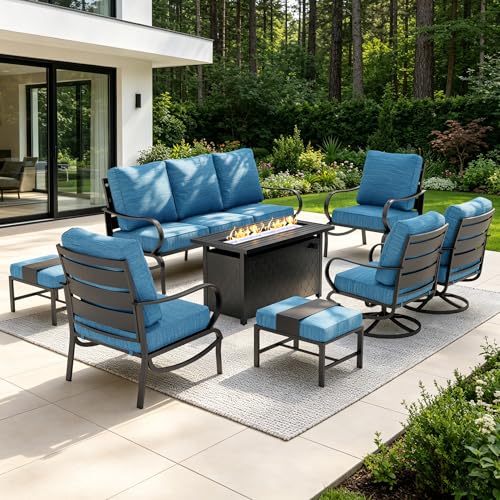
Walk into any outdoor furniture showroom and "metal" can mean five completely different things, from a featherlight aluminum bistro chair to a wrought iron sofa that takes two people to lift. That range makes shopping for the best metal patio furniture more confusing than picking between two similar-looking sets, because the material itself changes how much a piece weighs, how it handles rain and salt air, and how long it lasts before rust or fading sets in. This guide compares the main metal types side by side, breaks down which finishes actually hold up outdoors, and walks through how climate and wind should factor into your decision. If you already know aluminum is your pick and want to go deeper on one specific style of aluminum frame, we cover that in a separate, more detailed guide linked below.
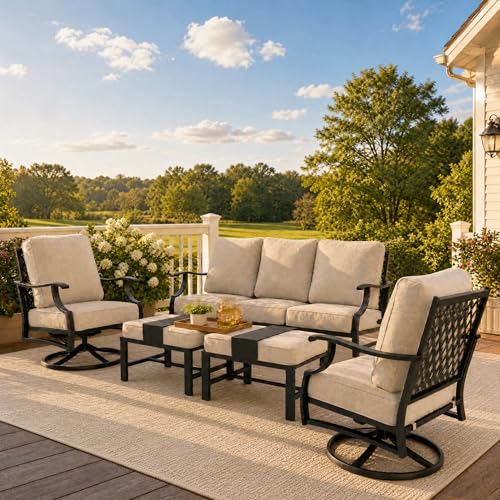
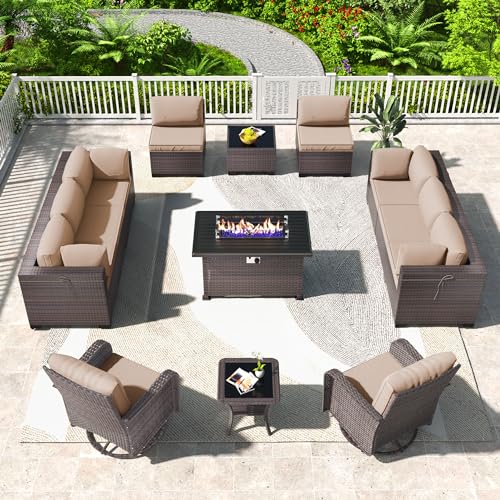
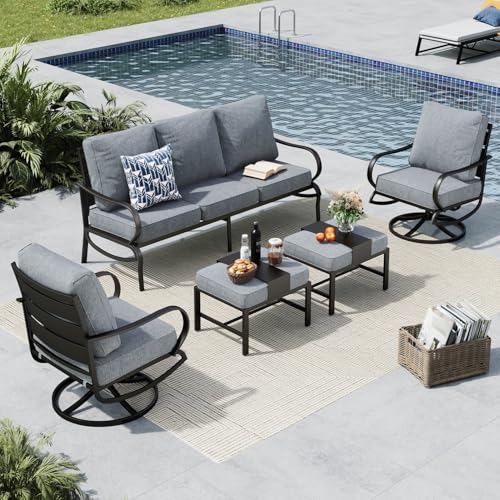
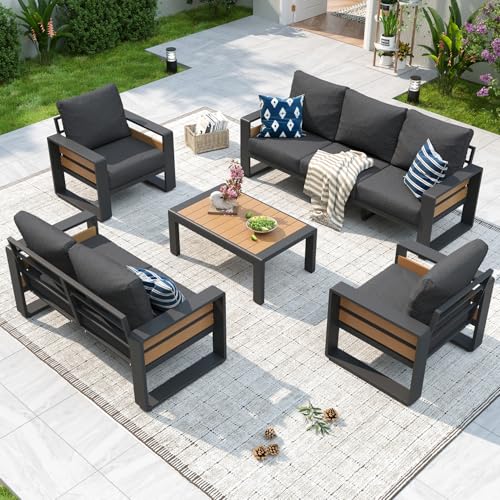

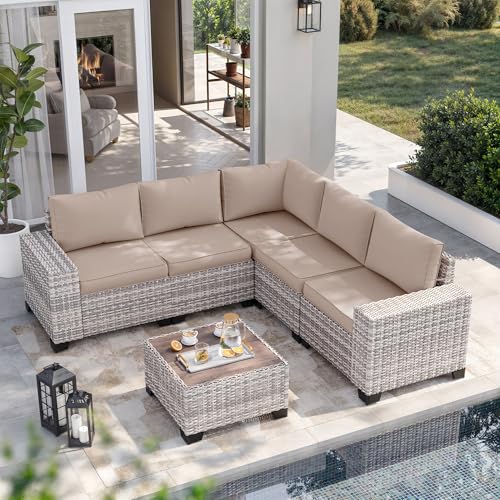
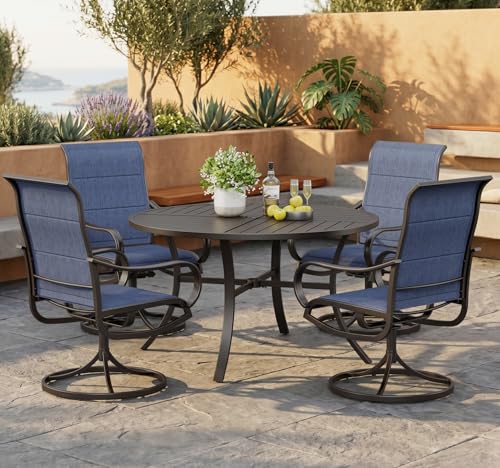

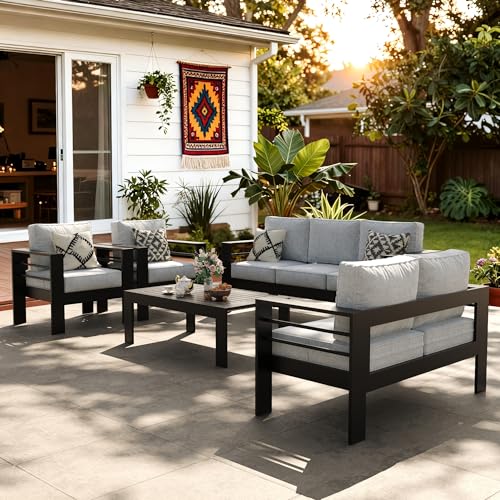
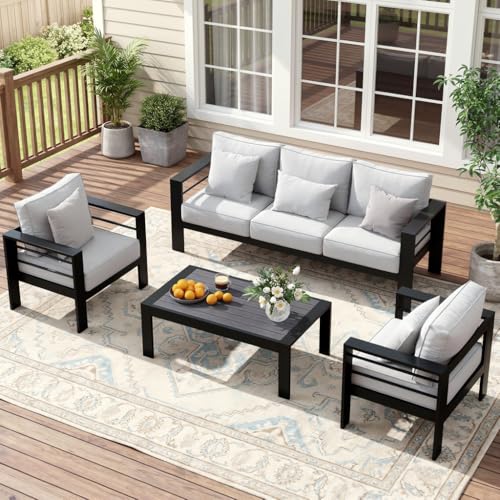
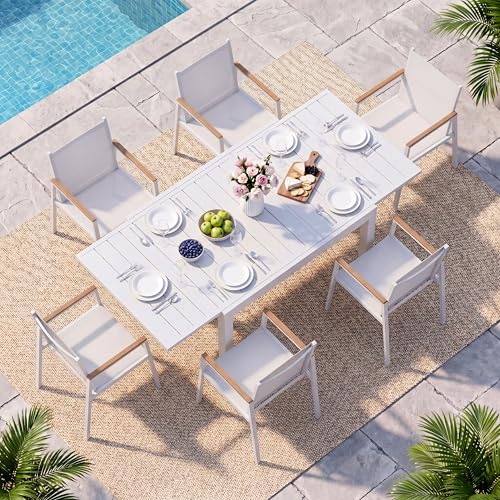
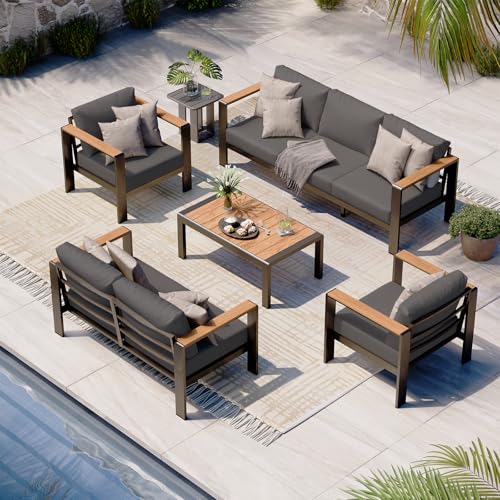
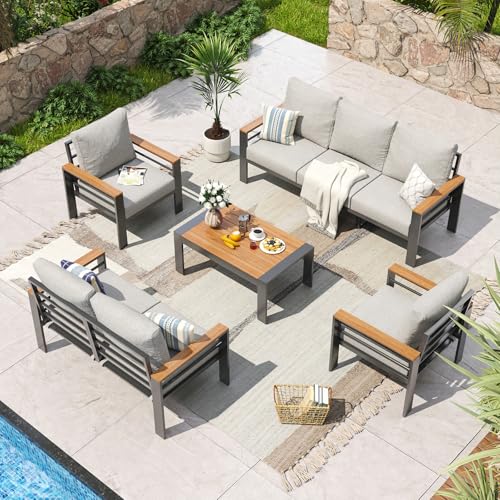
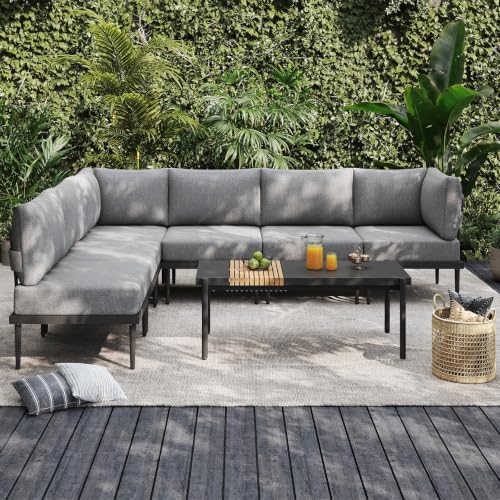
Aluminum, Steel, or Wrought Iron: Comparing the Main Metal Types
Before comparing finishes or price ranges, it helps to understand what each metal brings to the table on its own, since the base material sets the ceiling on weight, maintenance, and lifespan no matter how nice the finish looks.
Aluminum: Lightest and Lowest Maintenance
Aluminum is the most common metal in outdoor furniture today because it resists rust without any special coating, and it is light enough for one person to rearrange without help. Tubular aluminum frames keep costs down and cushions light on top, while cast aluminum frames add weight and detail for a sturdier, more traditional look. If you want a deeper look at how cast aluminum frames are made and what separates a well-built set from a flimsy one, our guide to cast aluminum patio furniture covers that in detail. For most climates, aluminum in either form is the safest default.
Steel: The Middle Ground for Durability and Weight
Powder-coated steel splits the difference between aluminum and wrought iron, offering more heft and wind resistance than aluminum without the full weight of iron. The tradeoff is that steel relies entirely on its coating to stay rust-free, so any chip or scratch that exposes bare metal becomes a weak point. Tubular steel frames are common in budget and mid-range dining sets because they hold up well to daily use while staying reasonably easy to move.
Wrought Iron: Heaviest and Most Traditional
Wrought iron delivers a classic, scrollwork look that aluminum and steel rarely replicate convincingly, and its sheer weight makes it the most stable option on open, windy patios. That same weight makes it harder to rearrange or move for winter storage, and iron needs a well-maintained coating to avoid rust since the metal itself offers no natural resistance. Wrought iron tends to suit homeowners who value style and stability over portability.
Stainless Steel: The Premium, Low-Maintenance Option
Stainless steel shows up less often in full patio sets but appears frequently in frame accents, table bases, and higher-end collections. It resists corrosion better than standard steel even without a heavy coating, which makes it a strong choice near pools or coastal air, though it typically costs more than the other three options. For buyers who want the durability of steel without the ongoing coating maintenance, stainless steel is worth the higher price.
Weight and Wind Resistance: Picking Furniture That Stays Put
When you're comparing options for the best metal patio furniture on a windy or exposed patio, weight becomes as important as finish quality. A lightweight aluminum chair is easy to carry in before a storm but can tip or slide in strong, sustained wind on an open deck or rooftop patio. Heavier steel or wrought iron pieces stay planted without help, which matters more for exposed balconies, hilltop patios, or areas that see frequent gusts. If you split the difference and want furniture light enough to rearrange but sturdy enough for a busy household, look at patio chairs built with reinforced aluminum frames, which add stability without the full weight of steel or iron. Anchoring accessories like furniture clips or weighted bases can help lighter pieces stay put without switching materials entirely.
Finishes and Coatings That Actually Prevent Rust
The metal underneath matters less than most shoppers expect once a quality finish is applied, since a well-cured powder coating protects steel and iron nearly as well as aluminum's natural resistance. Look for an even, smooth coating with no visible drips, bubbling, or thin spots, especially around welded joints where finish tends to wear first. Multi-step processes that include a rust-inhibiting primer layer before the top coat hold up considerably longer than a single spray application, particularly on steel and wrought iron frames. Hardware matters too. Stainless steel bolts and screws resist corrosion far longer than standard zinc-plated hardware, which can streak a finish with rust stains within a season, regardless of how good the frame's coating is.
Matching Metal Furniture to Your Climate and Setting
Coastal air accelerates corrosion on every metal except aluminum, so homes near saltwater benefit most from aluminum frames or marine-grade coatings on steel and iron pieces. Regions with hot, direct sun should watch finish color as much as material, since dark powder coats on any metal absorb more heat and can feel uncomfortably hot to the touch by midafternoon. In climates with real winters, furniture that stays outside year-round needs a finish rated for freeze-thaw cycles, while pieces that get stored need to be light enough to move without a second person. Pairing your frame choice with a well-fitted all-weather outdoor furniture set keeps the whole setup consistent in how it holds up outside.
Frequently Asked Questions
What is the best metal for outdoor patio furniture?
Aluminum is the best all-around choice for most patios since it resists rust naturally and stays light enough to move easily. Steel and wrought iron are better picks if you need extra weight for stability in windy spots or prefer a heavier, more traditional look.
Does metal patio furniture rust?
Aluminum does not rust because it lacks iron, though a damaged finish can develop white oxidation over time. Steel and wrought iron both rust once their protective coating is scratched or worn through, so touch-ups matter more with those metals.
Is steel or aluminum better for patio furniture?
Aluminum wins on weight and low maintenance, while steel offers more mass and wind resistance for the same footprint. Neither is universally better, since the right choice depends on how exposed your patio is and how often you plan to rearrange furniture.
How do you keep metal patio furniture from rusting?
Rinse frames periodically to remove dirt, pollen, and salt residue, and dry them fully rather than letting water sit in joints or crevices. Touch up chipped or scratched finish quickly, since exposed metal is far more likely to rust than a fully coated surface.
Can metal patio furniture stay outside all winter?
Aluminum handles winter weather well with little more than an occasional wipe-down. Steel and wrought iron can also stay outside with a quality coating, though covering pieces during heavy snow or ice reduces wear on the finish over time.
Does metal patio furniture get too hot to sit on in the sun?
Any metal can feel hot after hours of direct summer sun, though lighter finish colors stay noticeably cooler than dark bronze or black coatings. Cushions add a layer of protection and make bare metal seating more comfortable regardless of which metal frame sits underneath.
Is metal patio furniture better than wicker or resin?
Metal generally holds up longer in direct sun since woven synthetic fibers can turn brittle after years of UV exposure, while a well-coated metal frame keeps its finish intact much longer. Wicker and resin pieces are usually lighter and less prone to denting, which matters if you move furniture often.
Which Metal Should You Choose
There is no single best metal patio furniture material for every patio, only the option that best fits your climate, your willingness to move furniture around, and how much upkeep you want to commit to. Aluminum remains the safest default for most homeowners thanks to its natural rust resistance and light weight, while steel and wrought iron earn their place on exposed or windy patios that need extra stability. Whichever metal you land on, prioritize finish quality and hardware over style alone, since those details decide how the furniture actually holds up outside.


