
Best Men's Dress Shirts Made Simple: A Clear Buying Guide
Disclosure: We may earn a commission when you buy through links on this page, at no extra cost to you. As an Amazon Associate I earn from qualifying purchases. Learn more

A first buyer guide to the best men's dress shirts: fits, fabrics, collars, sizing and care explained.
A good dress shirt makes a suit look sharp, keeps a business casual outfit polished and carries you through interviews, weddings and long workdays. A poorly fitting one bunches at the waist, pulls at the buttons or wrinkles by noon. If you are buying dress shirts for the first time, or replacing a closet of tired ones, the terms can be confusing: neck and sleeve sizes, slim and regular fits, poplin, pinpoint and non iron finishes. This beginner guide to the best men's dress shirts explains the basics in plain English, so your next shirt fits and lasts.
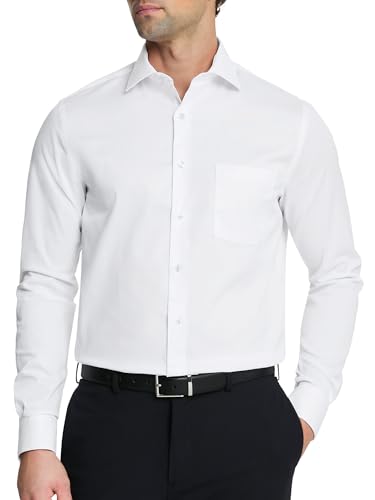
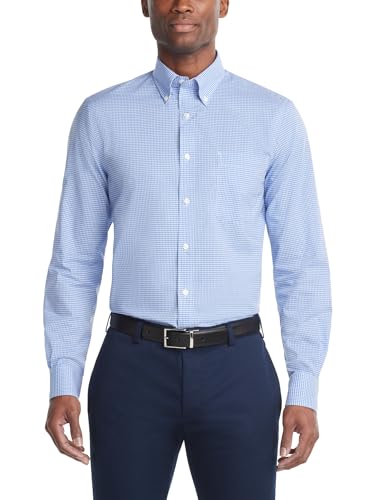
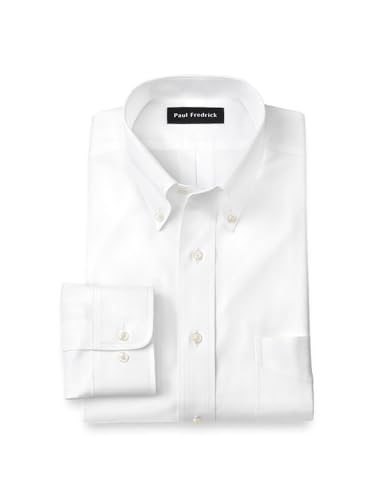
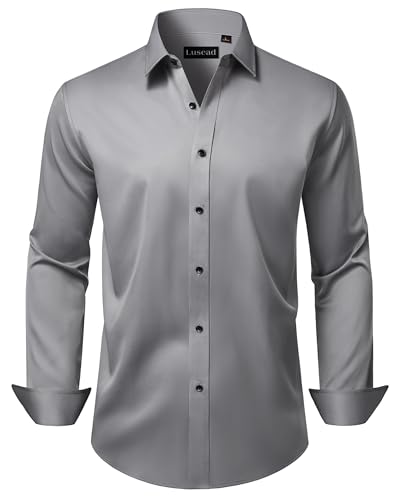
We cover dress shirt basics, the specs that matter, rookie mistakes, first wear tips and answers to common questions. The table above lists shirts from Van Heusen, Tommy Hilfiger, Calvin Klein, Paul Fredrick, Amazon Essentials and others, all sold new on Amazon US.



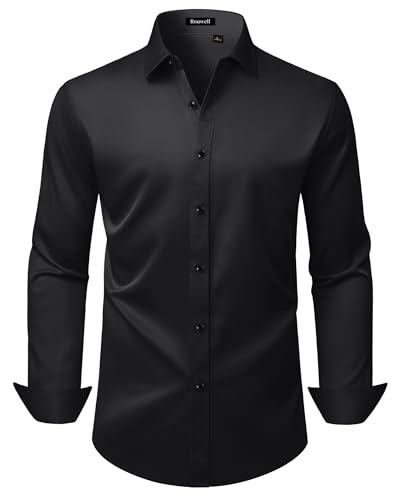
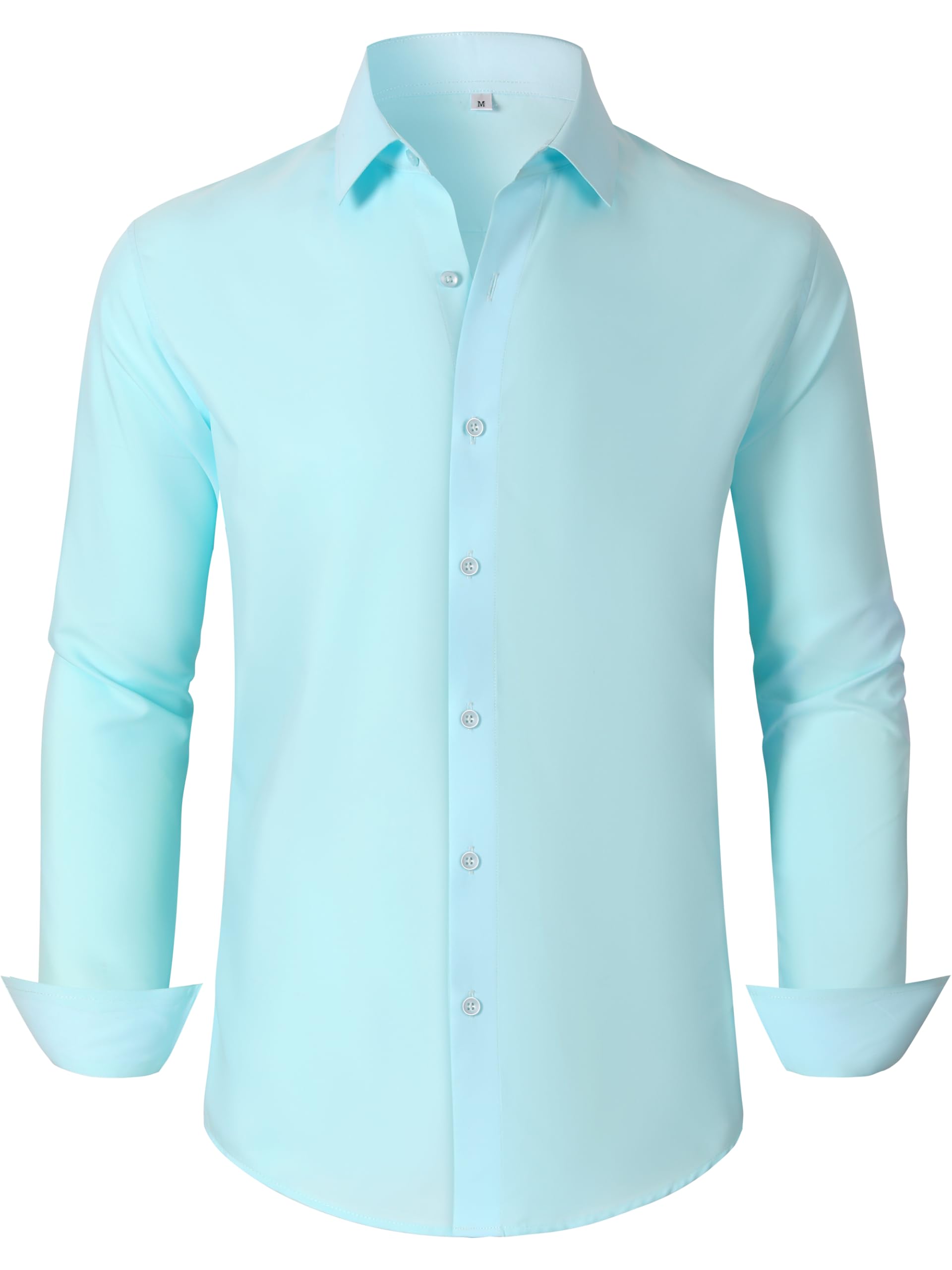
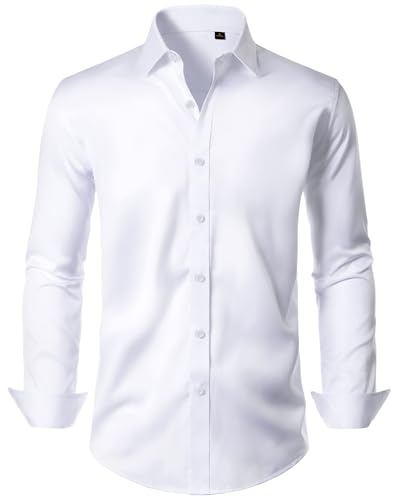

Dress Shirts 101: The Basics
A dress shirt is a long sleeve, collared, button front shirt designed to be worn tucked in, often with a tie and jacket. Dress shirts differ from casual button downs in their sizing, collar construction and fabrics. Most are sized by neck circumference and sleeve length, such as 16 inch neck and 34 to 35 inch sleeve, while some casual dress shirts use small, medium and large sizing.
Fit describes the cut through the body. Regular or classic fit offers a generous cut through the shoulders, chest and waist, like Van Heusen's regular fit. Slim fit tapers closer to the body, like the Amazon Essentials slim fit shirt. Tailored or athletic fits sit between, often with room in the chest and a tapered waist.
Collars and cuffs vary too. Spread collars suit most tie knots, button down collars look slightly more casual and point collars are traditional. Barrel cuffs button, while French cuffs need cufflinks.
For most men, a few versatile shirts in white and light blue cover interviews, office days and formal events.
Finding the best men's dress shirts for you starts with knowing your measurements and the occasions you dress for. A shirt for daily office wear needs easy care and comfort, while a shirt for weddings and interviews should look crisp and fit precisely.
Key Specs of the Best Men's Dress Shirts, Explained in Plain English
Fit, fabric, practical features, breathability, care and sizing matter most. Here is what each spec means and what to choose.
What Men Should Look For
Start with fit at the shoulders, which is hard to alter. The shoulder seam should sit at the edge of your shoulder bone. Next check the collar: you should fit one or two fingers inside when buttoned. Sleeves should end at the base of your thumb, showing a little cuff beyond a jacket sleeve.
Recommendation: begin with white and light blue solids in a fit that matches your build, then add patterns like gingham or stripes.
Check the body fit by tucking the shirt in and raising your arms. A good fit stays tucked without large folds of fabric at the waist, and the buttons should lie flat across the chest without pulling into an X shape.
Body type guides fit choice: athletic builds often prefer tailored or athletic fits with room in the chest, slim builds look sharp in slim fits and larger builds are usually most comfortable in regular fits.
Fabric and Material
Most dress shirts use cotton or cotton blends. Poplin is smooth and lightweight, pinpoint oxford is slightly textured and durable, twill has a diagonal weave that drapes well and resists wrinkles and herringbone adds subtle texture. Paul Fredrick lists pinpoint cotton for its non iron shirts, and Calvin Klein offers a non iron herringbone.
Blends with stretch fibers or modal, like Amazon Essentials' cotton and modal poplin, feel soft and move with you.
Recommendation: choose 100 percent cotton for breathability and a classic feel, and stretch blends for comfort and movement.
Thread count and ply matter less in shirts than fabric weave and yarn quality. Two ply cotton shirts feel more substantial and resist wear better than single ply, though they cost more and can be warmer.
For travel, wrinkle resistant fabrics and stretch blends pack well and look neat after hours in a suitcase, while 100 percent cotton shirts usually need a quick steam on arrival.
Pockets and Practical Features
Practical features include chest pockets, adjustable cuffs, flex collars and wrinkle resistant finishes. Van Heusen's Flex Collar stretches up to half an inch for comfort, and its adjustable cuffs have two button positions. Non iron and wrinkle free finishes save time ironing.
A chest pocket is useful for pens and cards, though some formal shirts skip it for a cleaner look.
Gussets at the side seams, split yokes across the back and reinforced buttonholes signal better construction. These details are common in premium shirts but appear in some midrange models too.
Button down collars, with small buttons holding the collar points, keep collars neat without ties and suit business casual looks.
Breathability and Moisture Wicking
Lightweight cotton poplin and fine weaves breathe best in warm weather. Non iron treatments can make cotton feel slightly less breathable. Performance dress shirts with stretch or moisture wicking fabrics suit commuters and people who run warm.
Recommendation: choose light poplin or performance blends for hot climates, and twill or oxford for cooler months.
Wearing a thin, moisture wicking undershirt helps prevent sweat marks and protects dress shirts from deodorant stains, which extends their life. Choose a V neck undershirt if you wear the collar open.
Short sleeve dress shirts exist, but in most business settings long sleeves with rolled cuffs look more polished on hot days.
Durability and Care
Durable shirts have tight stitching, sturdy buttons and quality fabrics that resist pilling. Non iron cotton shirts come out of the dryer smoother, while untreated cotton needs ironing but often feels softer.
Washing in cold water, using gentle cycles and hanging shirts promptly extend their life. Collar stays keep collars crisp.
Rotate shirts so each gets time to rest between wears, and avoid overcrowding the closet, which crushes fabric and creates wrinkles. Treat collar and cuff stains quickly, since body oils set over time.
Professional laundering keeps shirts crisp, but frequent heavy starch and high heat can shorten fabric life. Ask for light or no starch to keep shirts lasting longer.
Fit and Sizing
Measure your neck at the Adam's apple and add half an inch for comfort, then measure sleeve length from the center back of your neck, over the shoulder, to your wrist. Brands differ, so check each size chart. Many shirts list sleeve ranges like 34 to 35 inches.
If you are between sizes, choose the larger neck size and a slimmer fit to avoid a tight collar.
Many men find their ideal fit varies by brand. Once you find a brand and size that fit well, note the exact fit name and size, so reordering is simple.
Shirts sized small, medium and large, like many budget stretch shirts, usually list chest and length measurements instead of neck and sleeve, so compare those numbers with a shirt that already fits you well.
Rookie Mistakes to Avoid
- Buying by S/M/L when neck sizing is available. Neck and sleeve sizing fits more precisely.
- Choosing the wrong fit. Slim fit on a broad build pulls at buttons; regular fit on a slim build balloons.
- Ignoring sleeve length. Sleeves that are too long or short look sloppy.
- Skipping basics. Start with white and light blue before bold colors.
- Using high dryer heat. It shrinks cotton and damages fabrics.
Another common slip is choosing fabrics that are too shiny or thin for business settings. Matte cotton in solid colors or subtle patterns looks more professional than satin finishes.
Finally, avoid buying a whole wardrobe in a new brand before trying one shirt. Fit varies, and one shirt tells you whether the size and cut work for you.
Getting Started: Setup and First Use
Unpack the shirt, remove all pins and clips and check for collar stays. Wash it once before wearing if the label allows, which softens fabric and handles any small initial shrinkage. Iron or steam if needed, starting with the collar, then cuffs, sleeves and body. Hang shirts on wide shoulder hangers with the top button fastened to keep collars shaped.
Try the shirt on with the trousers and jacket you plan to wear to confirm fit and sleeve length.
Keep a few essentials on hand: spare collar stays, a lint roller and a travel steamer for quick touch ups before meetings or events. A small stain remover pen handles coffee spills during the day.
For important events, try the full outfit a few days ahead so there is time to exchange a size or have sleeves adjusted.
Frequently Asked Questions
Here are quick answers to the questions first time dress shirt buyers ask most.
What makes dress shirts for men different?
Men's dress shirts are sized by neck and sleeve, cut in regular, slim or athletic fits and designed with structured collars and cuffs for ties and jackets. Buttons sit on the right side, and fits account for men's shoulder and chest proportions.
Many brands also offer big and tall and slim fits within the same line, so men of different builds can match shirts across a wardrobe.
Are premium brands worth it?
Premium brands can be worth it for better fabrics, more precise sizing and finer construction, like Paul Fredrick's pinpoint cotton non iron shirts. For everyday office wear, mainstream brands like Van Heusen and Tommy Hilfiger offer good value with flex collars and non iron finishes.
Budget brands like Alex Vando, ROUWELL and Lusead offer wrinkle free stretch shirts at low prices, which work well for occasional wear and events.
Tommy Hilfiger and Calvin Klein offer non iron options in regular and slim fits, which suit men who want a brand name shirt without premium tailored prices.
How do I wash dress shirts?
Unbutton the shirt, including collar and cuffs, pretreat collar and cuff stains and wash in cold or warm water on a gentle cycle. Tumble dry low or hang dry, removing promptly to reduce wrinkles. Iron while slightly damp for crisp results.
For non iron shirts, remove them from the dryer while still warm and hang immediately, which keeps them smooth without ironing.
How should they fit?
A well fitting dress shirt has shoulder seams at the shoulder bone, a collar that fits one or two fingers, sleeves ending at the base of the thumb and a body that tucks in neatly without billowing or pulling at the buttons.
A tailor can take in the sides or shorten sleeves inexpensively, which can make an affordable shirt look custom.
What fabric is best for hot weather?
Lightweight cotton poplin, linen blends and performance fabrics with moisture wicking are best for hot weather. They breathe well and dry quickly. Avoid heavy oxford and twill on hot days.
Lighter colors reflect heat better than dark colors, which helps on sunny days.
Our Verdict
The best men's dress shirts fit well at the shoulders, collar and sleeves, use a fabric that suits your climate and are easy to care for. Start with white and light blue shirts in your fit, such as Van Heusen Flex Collar for comfort, Amazon Essentials for slim fit value or Paul Fredrick for premium pinpoint cotton.
For more menswear guides, see the best quality men's dress shoes, the best men's dress watches, the best winter dress boots men's and the best mens winter boot. Then compare current prices in the product table above.
Build your collection gradually. Two white and two light blue shirts in the right fit cover most work and formal needs, and you can add patterns and colors once the basics are in place. A small, well fitting rotation beats a closet full of shirts that do not fit.


