
Best Mattress Protectors: What Actually Matters Before You Buy
Disclosure: We may earn a commission when you buy through links on this page, at no extra cost to you. As an Amazon Associate I earn from qualifying purchases. Learn more

The best mattress protectors checklist: waterproofing, noise, fit and allergen coverage, plus three picks.
A mattress protector is the cheapest insurance you can buy for your mattress. It blocks spills, sweat, accidents and allergens from soaking in, keeps mattresses fresh and helps protect warranties that require a stain free mattress. But protectors differ in waterproofing, noise, breathability and fit. This guide to the best mattress protectors walks through the checklist we use to judge them, so you can choose one you will barely notice while it quietly protects your bed.
We cover our evaluation criteria, three picks that pass, a quick buyer checklist, red flags, care tips and answers to common questions. Every protector in the table above is sold new on Amazon US.





How We Evaluate Mattress Protectors
We judge mattress protectors on six points: materials, certifications, coverage and allergen protection, size and fit, noise and comfort feel. A protector that is fully waterproof, quiet, breathable and fits snugly passes; one that crinkles, traps heat or slips off corners fails.
The best mattress protectors balance full protection with comfort, so we weigh waterproofing, noise and breathability most heavily.
Material and Fill
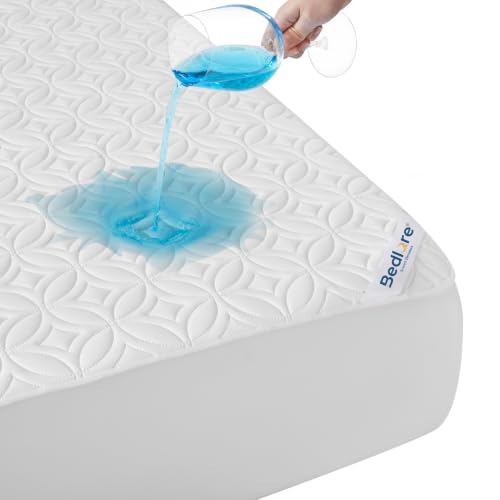
Most protectors use a soft top fabric, such as cotton, polyester knit, bamboo viscose or Tencel, bonded to a thin waterproof membrane, usually TPU. Quilted protectors, like BEDLORE and SafeRest CloudGuard, add a padded layer. Natural options include Woolroom's washable wool protector and Naturepedic's organic cotton protector pad.
Good: a soft, breathable top with a thin TPU layer. Poor: stiff vinyl backings that crinkle and trap heat.
Terry cotton tops absorb moisture quickly, which suits people who sweat at night, while smooth knit tops feel cooler and silkier. Bamboo topped protectors, like PlushDeluxe's, feel soft and breathable.
Wool protectors, like Woolroom's, regulate temperature and wick moisture naturally while adding gentle cushioning.
Polyester knit tops are affordable, stretchy and dry quickly after washing.
Check the top fabric's feel description if texture matters to you.
Certifications (CertiPUR US, OEKO TEX, RDS)
OEKO-TEX Standard 100 indicates fabrics were screened for harmful substances, and GOTS certifies organic cotton, like the Treescend and Bioweaves organic protectors. CertiPUR-US applies to foam, so it matters only for padded protectors with foam layers. RDS covers down, which appears in some topper style protectors.
Good: named certifications with details. Poor: vague "non toxic" claims.
Organic cotton protectors cost more but appeal to families focused on natural materials, especially for children's beds.
Certification details are often listed in product images or descriptions; look for license numbers when available.
Coverage and Allergen Protection
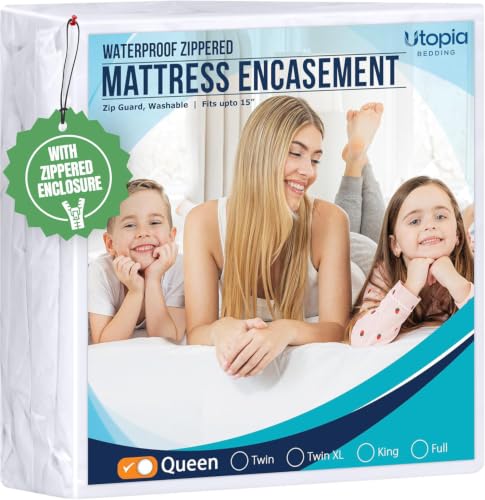
Fitted protectors cover the top and sides like a fitted sheet. Encasement protectors, like the Utopia Bedding zippered encasement, wrap all six sides and zip closed, which helps guard against dust mites and bed bugs. Fitted styles are easier to remove and wash.
Good: encasements for allergy or bed bug concerns, fitted styles for everyday protection. Poor: protectors that leave mattress sides exposed when you need full coverage.
For bed bug protection, encasements must be fully zipped and ideally have a zipper guard. Inspect seams and zippers regularly, and use encasements on box springs too if bed bugs are a concern.
Allergy sufferers may also benefit from encasing pillows with matching protectors.
Washing protectors in hot water, where labels allow, helps reduce dust mites.
Size and Fit
Check mattress depth, including toppers. Utopia's encasement fits queen mattresses up to 15 inches deep, while BEDLORE's protector fits up to 18 inches. Deep pocket designs with elastic all around stay put better than corner straps.
Good: snug fit without wrinkles. Poor: shallow pockets that pop off corners.
Sleeper sofa mattresses need special sizes; Utopia sells a zippered sleeper sofa queen protector designed for thinner sofa bed mattresses.
Split king and adjustable beds need protectors sized for each half, so check before ordering.
Measure after adding a topper, since toppers can add two to four inches of depth.
Noise and Crinkle
Modern TPU membranes are much quieter than old vinyl. SafeRest describes its protector as quiet and breathable, Utopia says its encasement is non crinkling and BEDLORE markets its protector as noiseless.
Good: silent movement. Poor: crinkly sounds when you turn over.
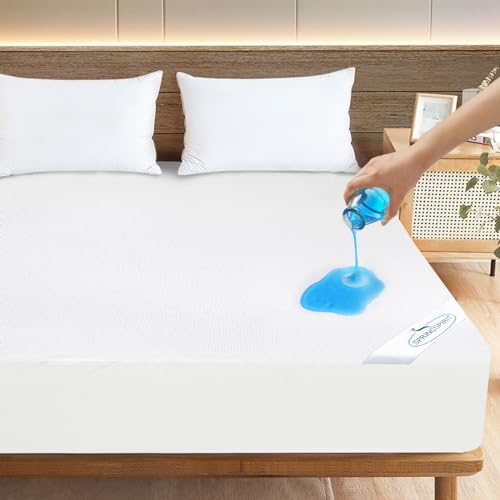
Absorbent fitted sheet style protectors, like the SPRINGSPIRIT protector, combine a sheet like feel with a waterproof layer at a low price.
A quiet protector is especially important for light sleepers and couples.
Run your hand across the protector on arrival; a soft, quiet surface is a good sign.
Quiet protectors also suit children who are easily woken by sounds.
Comfort and Feel on Your Mattress
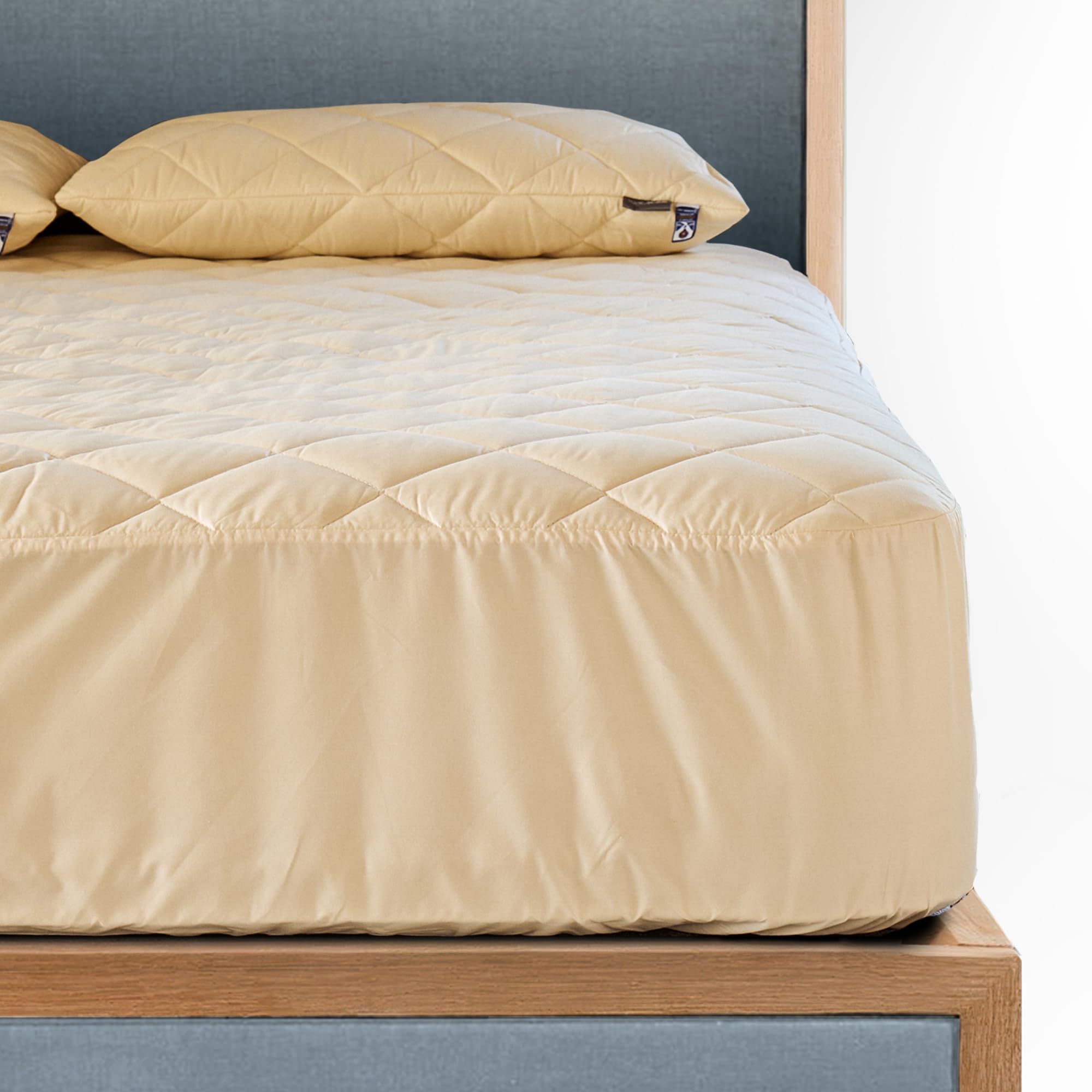
A thin protector should not change how your mattress feels. Padded hybrid protectors, like SafeRest CloudGuard and Beckham Hotel Collection, add softness, which some people like and others do not. Breathable tops prevent the hot, plasticky feel of cheap protectors.
Good: protection without altering mattress feel. Poor: thick protectors that make firm mattresses feel spongy unless you want that.
If your mattress feels too firm, a padded protector is a cheaper fix than a new mattress, though a dedicated topper changes feel more.
Breathability matters more than thickness for comfort over time.
Fitted protectors with stretchy sides adapt to slightly different mattress depths without bunching on top.
3 Picks That Pass Our Checklist
Our picks are the SafeRest Waterproof Mattress Protector for most beds, the Utopia Bedding zippered encasement for value and allergen protection and the Purple Waterproof Mattress Protector as a premium choice. All three are fully waterproof.
Other strong options include PlushDeluxe's bamboo protector for hot sleepers, BEDLORE's quilted noiseless protector for added softness and organic picks from Treescend and Bioweaves for natural materials.
For pet owners, choose a protector with a durable top fabric that resists claws and washes well.
Best Overall: SafeRest Waterproof Mattress Protector
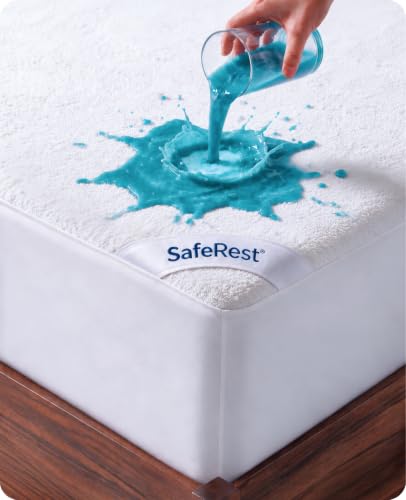
The SafeRest protector suits most households, at around $40 for a queen. It is designed to keep mattresses dry from fluids, urine and perspiration, with a quiet, breathable surface, according to SafeRest. It fits like a fitted sheet and is machine washable on cold with tumble drying.
Two strengths stand out: quiet, breathable comfort that does not interrupt sleep and protection against allergens and unwanted creatures. SafeRest also markets it as an essential for Airbnb hosts and new apartments. The limitation is that it covers the top and sides, not all six sides. Skip it if you need a zippered encasement for bed bug concerns.
Best Value: Utopia Bedding Zippered Mattress Encasement
The Utopia Bedding encasement is for shoppers who want full six sided protection for little money, at around $25 for a queen. It fits 60 by 80 inch queen mattresses up to 15 inches deep, uses a wrap around zipper and has TPU backing on all sides for 100 percent waterproof protection, according to Utopia.
Its strengths are full coverage against dust mites and bed bugs and a non crinkling knitted polyester fabric. It machine washes and tumble dries on low. The trade off is that encasements take more effort to remove and reinstall than fitted protectors. Skip it if you want a protector you can pull off quickly for frequent washing.

Best Premium Pick: Purple Waterproof Mattress Protector
The Purple protector suits owners of premium mattresses who want a protector from a well known mattress brand, at around $169 for a queen. It is 100 percent waterproof according to the listing and designed to pair with Purple's mattresses and other beds.
The appeal is brand trust and a protector designed to maintain the feel of premium mattresses. The limitation is price, which is several times higher than many effective protectors. Skip it if you want strong protection at a budget price.

Quick Buyer Checklist
- Is it fully waterproof, with a TPU rather than vinyl layer?
- Does it fit your mattress depth, including toppers?
- Do you need full encasement for allergies or bed bugs?
- Is it quiet and breathable?
- Does it change the feel of your mattress?
- Is it machine washable?
- Does it carry certifications you care about?
If you check most boxes, the protector will likely serve you well for years.
Families with young children may want two protectors per bed for quick changes after nighttime accidents.
Red Flags to Watch For
- Vinyl backings. Noisy and hot compared with TPU.
- Vague waterproof claims. Water resistant is not the same as waterproof.
- Shallow pockets. Protectors that do not fit deep mattresses slip off.
- No care instructions. Improper washing ruins membranes.
- Unclear sizing. Listings should state dimensions and depth.
Also watch for protectors that smell strongly of chemicals on arrival; airing out and washing should clear normal packaging odors, but persistent smells suggest poor materials.
Sizes that only list bed names without dimensions can lead to poor fit on thicker modern mattresses.
Tips to Get the Most From Your Mattress Protector
Wash protectors every one to two months, or right after spills, on cold or warm with mild detergent and no bleach, then tumble dry low or air dry. Avoid ironing and high heat, which damage TPU. Keep a spare protector so the bed is never unprotected on laundry day.
Put the protector on a new mattress immediately, before any spills happen, since many warranties exclude stained mattresses. Clean spills promptly by blotting, then wash the protector.
Use one protector on every bed in the home, including guest and kids' beds, where accidents are more common.
Rotate between two protectors to extend the life of both.
Mattress Protectors: Your Questions Answered
How do I wash mattress protectors safely?
Wash on a gentle cycle in cold or warm water with mild detergent, skip bleach and fabric softener and tumble dry on low or air dry. SafeRest recommends washing on cold and tumble drying. High heat can damage waterproof layers.
Wash new protectors before first use to remove packaging odors.
Avoid wringing protectors, which can stretch or crack the membrane.
How often should I replace my mattress protector?
Replace protectors every one to three years, or when the waterproof layer cracks, leaks or the elastic wears out. Check by holding it up to light after washing.
Protectors on children's beds or in homes with pets may need replacing more often due to frequent washing.
Protectors that leak in one spot should be replaced, since small holes grow with washing.
Are cooling mattress protectors worth it for hot sleepers?
Yes, breathable protectors with bamboo, Tencel or cotton tops help hot sleepers by reducing the trapped heat common with cheap protectors. They will not cool a mattress dramatically but prevent extra heat buildup.
Pair a breathable protector with percale or linen sheets for the coolest setup.
Avoid protectors with thick quilted padding if you sleep hot, since padding traps heat.
Will a protector change how my mattress feels?
Thin fitted protectors barely change mattress feel. Padded or quilted protectors add some softness. If you love your mattress's feel, choose a thin protector rather than a padded hybrid.
Memory foam mattresses can feel slightly firmer under protectors with stiff membranes, so choose stretchy knit protectors for foam beds.
Most people stop noticing a thin protector after a night or two.
Is a higher thread count always better?
No. For protectors, breathability and softness of the top fabric matter more than thread count. Knitted and terry tops feel soft and absorb moisture well.
A soft, tightly woven top resists pilling and feels smooth under sheets.
The Bottom Line
The best mattress protectors are waterproof, quiet, breathable and fit your mattress snugly. SafeRest is our best overall pick for everyday protection, Utopia Bedding's encasement offers great value with six sided coverage and Purple's protector is a premium choice. Check depth, noise and care instructions, and keep a spare.
For more bedding guides, see the best bed pads, the best memory foam mattress protector, the best boxed mattresses and the best duvet inserts. Then compare current prices in the product table above.
A protector costs far less than replacing a stained mattress, so it is one of the smartest bedding purchases you can make.


