
Best Duvet Inserts Made Simple: A Clear Buying Guide
Disclosure: We may earn a commission when you buy through links on this page, at no extra cost to you. As an Amazon Associate I earn from qualifying purchases. Learn more

A first buyer guide to the best duvet inserts: down, down alternative, wool and silk fills explained.
The duvet insert is the part of your bed that actually keeps you warm. It sits inside a duvet cover, and the right one feels light yet cozy, while the wrong one leaves you shivering at 3 a.m. or kicking off a sweaty heavy layer. Inserts come with down, feather, down alternative, wool, silk and bamboo fills, in weights from summer light to winter heavy. This beginner guide to the best duvet inserts explains the basics in plain English, so your first purchase fits your bed, your climate and the way you sleep.
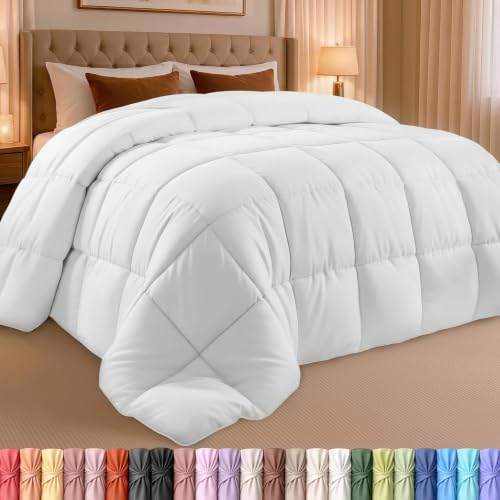
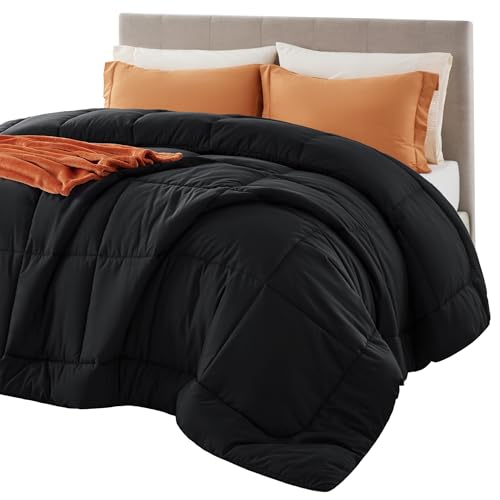
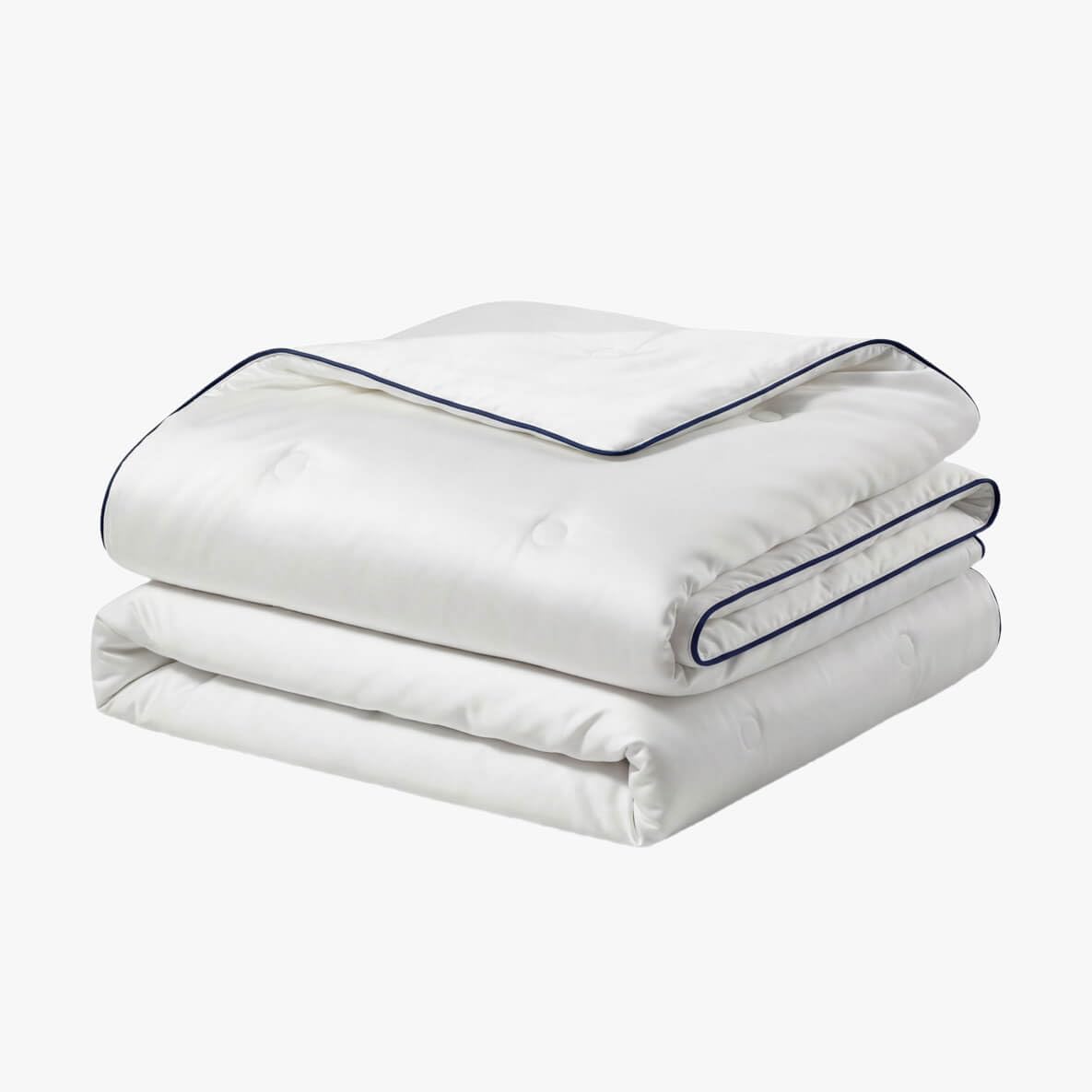
We cover how duvet inserts work, the key specs, rookie mistakes, setup and care steps and answers to common questions. The table above lists inserts from Utopia Bedding, Bedsure, Pacific Coast, Lincove, Woolino, Vesta, Buffy and others, all sold new on Amazon US.




Duvet Inserts 101: The Basics
A duvet insert is a fluffy blanket filled with down, feathers or synthetic fibers, designed to go inside a removable duvet cover. The cover protects the insert and is easy to wash, so you clean the insert only a few times a year. Many inserts are sold as comforters that work with or without a cover.
Inserts use stitching patterns to keep fill in place. Box stitching creates pockets so fill does not shift, while baffle box construction uses fabric walls between the top and bottom layers for more loft. Corner loops or tabs tie to the inside of a duvet cover, which stops the insert from bunching.
Warmth depends on the type of fill, the amount of fill and the fabric shell. Fill power describes the loft of down; higher numbers trap more air and feel lighter for the same warmth. Fill weight describes how much material is inside.
Most people choose by climate and how hot or cold they sleep: lightweight inserts for warm rooms and hot sleepers, all season weights for most homes and heavyweight inserts for cold bedrooms.
Choosing the best duvet inserts is easier once you separate the two jobs: the insert provides warmth, and the cover provides style and easy washing. Get the warmth right first, then pick any cover you like.
Duvet inserts and comforters are often the same product. Comforters are usually sold to use on their own, sometimes with a decorative shell, while inserts are designed for covers. Many modern comforters, like Utopia's and Bedsure's, are marketed as both.
Key Specs Explained in Plain English
Fill type, warmth and loft, construction, size, care and breathability matter most. Here is what each spec means and what to choose.
Material and Fill
Down alternative inserts, like Utopia Bedding and Bedsure, use polyester fibers that feel soft, cost little and wash easily, which suits allergy sufferers and budget shoppers. Down inserts, like the Lincove Canadian down comforter and Pacific Coast down comforters, feel light and lofty and regulate temperature well. Wool inserts, like Woolino's Australian wool duvet, breathe well and manage moisture. Silk inserts, like Vesta's, feel light and smooth for hot sleepers, and bamboo viscose shells, like Cariloha's, feel cool and silky.
Recommendation: choose down alternative for value and easy care, down for lightweight warmth, wool for temperature regulation and silk or bamboo for cooling.
Down blends, labeled as down and feather or down fiber, mix clusters with feathers or synthetic fibers to lower cost. They feel heavier than pure down but cost less. Read fill descriptions carefully; down fiber and down alternative are not the same as down clusters.
Allergy sufferers often choose down alternative or washable wool. Many reactions blamed on down come from dust mites, so washable inserts and covers help regardless of fill.
Silk inserts are naturally hypoallergenic and resist dust mites.
Warmth, Loft, and Weight
Loft is how fluffy an insert is. Higher loft traps more air and feels warmer. For down, fill power of 600 and above indicates quality; ComfyDown lists 650 plus fill power on its goose down comforter. Weight labels such as lightweight, all season and heavyweight help you match warmth to your room.
Recommendation: all season weights suit most bedrooms year round; add a blanket in winter if needed.
Fill weight matters as much as fill power. Two inserts with the same fill power can feel very different if one contains more fill. Lightweight summer inserts may have half the fill of winter weights.
If you live somewhere with hot summers and cold winters, consider two inserts, one lightweight and one heavier, and swap them seasonally inside the same cover.
Down alternative inserts often list fill weight in grams per square meter (GSM); higher GSM means a warmer, heavier insert.
Construction and Stitching
Box stitching keeps fill evenly spread and is common on budget and midrange inserts, like Utopia's box stitched design. Baffle box construction adds fabric walls for higher loft and is common on premium down. Corner tabs or loops help keep the insert in place inside a cover; Lincove includes corner loops.
Recommendation: choose box stitching for value and baffle box for premium loft.
Sewn through quilting, where top and bottom layers are stitched together, is common on lightweight inserts and creates cold spots at seams in very cold rooms. Baffle box designs avoid this by letting fill loft fully between fabric walls.
Edge piping and double stitched seams reinforce the perimeter, where inserts take the most stress when you tug them into covers. Check seams after washing and repair small openings before fill escapes.
Sleep Position and Personal Temperature
Sleep position matters less for duvets than for pillows, but body temperature matters a lot. Hot sleepers do better with lightweight, breathable fills like silk, wool or low loft bamboo; Cariloha describes its insert as low loft. Cold sleepers often prefer higher loft down or heavier down alternative.
Couples with different needs can use two twin size inserts in one large cover or layer a light blanket on the colder side.
Room temperature changes the picture too. Sleep experts often suggest a cool bedroom, around the mid 60s Fahrenheit, for comfortable sleep. In a cool room, a medium weight insert usually feels just right, while a warm room calls for a lighter insert.
Durability and Care
Down alternative inserts are usually machine washable at home, while large down inserts may need a large capacity machine or professional cleaning. Wool inserts like Woolino's list machine washability. Durable inserts have tight, down proof shells and strong stitching.
Recommendation: use a duvet cover to protect the insert and reduce how often it needs washing.
Air the insert regularly by hanging it outdoors on a dry day or tumbling it on low with dryer balls, which restores loft between washes. Store off season inserts in breathable cotton bags rather than plastic, which traps moisture.
Spot clean small stains on the shell with mild soap and a damp cloth instead of washing the whole insert, which saves wear on the fill.
Cooling and Breathability
Breathable shells, like 100 percent cotton, help heat escape. Natural fills such as down, wool and silk breathe better than dense polyester. Buffy's Cloud comforter is marketed as a cooling option for hot sleepers, and Vesta's silk fill suits warm sleepers.
Recommendation: hot sleepers should prioritize breathable fills and cotton shells over high loft.
Pairing a cooling insert with heavy flannel sheets cancels out much of the benefit, so match breathable sheets and covers to a breathable insert.
Rookie Mistakes to Avoid
- Mismatched sizes. Measure your duvet cover; inserts and covers vary by brand.
- Buying too warm. A heavyweight insert in a warm room leads to night sweats.
- Ignoring corner loops. Without ties, inserts shift inside covers.
- Washing large inserts in small machines. Overcrowding damages fill and machines.
- Skipping the cover. Inserts wear out faster without protection.
Also avoid judging warmth on the first night after unboxing, since compressed inserts need a day or two to reach full loft.
Choosing the Right Size
Insert sizes vary by brand. Utopia's queen measures 88 by 88 inches, while the Egyptian Bedding queen comforter measures 90 by 90 inches. Match the insert to your duvet cover dimensions, or choose an insert an inch or two larger for a fuller look. Oversized queen inserts, like some Pacific Coast models, hang lower over the sides of thick mattresses.
A cover that is too large lets the insert shift and bunch, even with corner ties, so measure before buying.
Getting Started: Setup and First Use
Unpack the insert and fluff it by shaking it out and letting it rest for a few hours, or tumble it on low with dryer balls, since compressed shipping flattens loft. Check the size against your cover, tie corner loops to the cover's ties and close the cover.
Wash the duvet cover every one to two weeks, and the insert only a few times a year according to its label. Rotate mattresses every 3 to 6 months and wash sheets weekly in warm water to keep the whole bed fresh.
Some new inserts have a slight odor from packaging, especially down. Airing the insert for a day in a ventilated room usually clears it. If odor persists, a gentle wash and thorough drying help.
Duvet Inserts: Your Questions Answered
How often should I replace my duvet insert?
Down alternative inserts often last three to five years, while quality down and wool inserts can last ten years or more with care. Replace an insert when it clumps, flattens, smells after washing or no longer keeps you warm.
Using a protective cover and washing it regularly is the easiest way to extend an insert's life.
Shake the insert daily when making the bed to redistribute fill and keep it lofty.
Which fill is best for hot sleepers?
Hot sleepers usually do best with silk, wool or lightweight down inserts in breathable cotton shells, or low loft bamboo designs. These fills manage heat and moisture better than heavy polyester. Pair them with breathable sheets.
Night sweats that persist regardless of bedding can have medical causes, so mention them to a doctor if they continue.
Is a higher thread count always better?
No, a higher thread count is not always better for duvet shells. A tightly woven, down proof shell in the 230 to 400 range keeps fill in and breathes well. Very high thread counts can trap heat.
Cotton shells breathe better than polyester microfiber shells at similar thread counts.
Are cooling duvet inserts worth it for hot sleepers?
Yes, cooling duvet inserts can help hot sleepers by using breathable fills and shells that let heat escape. They work best with breathable sheets and a cool bedroom. Results vary by person.
Silk and wool fills are often the most effective natural cooling choices because they wick moisture rather than simply feeling cool to the touch.
How do I wash duvet inserts safely?
Check the label. Wash in a large front loading machine on a gentle cycle with mild detergent, rinse well and dry on low heat with dryer balls until completely dry, which can take several hours. Use a laundromat for king size inserts if your machine is small.
Make sure the insert is completely dry before putting it back in its cover, since trapped moisture can cause mildew and odors.
Final Thoughts
The best duvet inserts match your climate, body temperature and care preferences. Utopia Bedding and Bedsure offer affordable, washable down alternative inserts, Pacific Coast and Lincove deliver lightweight down warmth and Woolino, Vesta and Cariloha suit hot sleepers. Check size, weight and corner loops, and protect your insert with a cover.
For more bedding guides, see the best duvet cover, the best budget comforter, the best down feather pillows and the best cooling bed sheets. Then compare current prices in the product table above.
If you are unsure, start with an affordable all season down alternative insert, see how warm you sleep and upgrade to down, wool or silk later if you want a different feel.


