
Best Magnetic Screen Door: What to Know Before You Buy
Disclosure: We may earn a commission when you buy through links on this page, at no extra cost to you. As an Amazon Associate I earn from qualifying purchases. Learn more

A complete buying guide to choosing a magnetic screen door: measuring your opening, mesh and magnet quality, door-type fit, installation, and how it holds up with kids and pets.
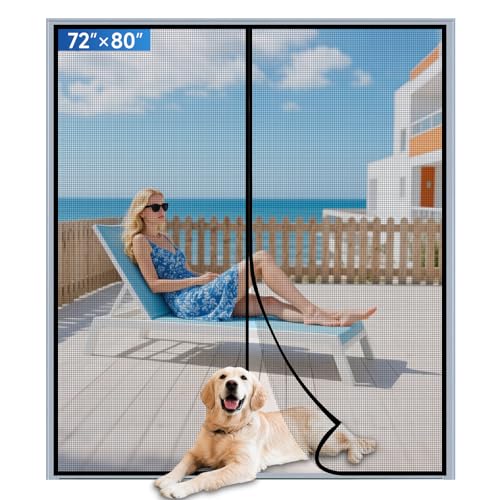
Leaving your front or patio door open on a nice day sounds simple, until the flies, mosquitoes, and stray leaves start drifting in behind it. A screen door solves that problem, but a full hinged screen isn't always practical to install, especially if you're renting or dealing with an odd-sized opening. That's where the best magnetic screen door options come in: a mesh curtain that hangs in the doorway, held together by a strip of magnets that snap shut the second you walk through. In this guide, you'll learn how to measure your doorway correctly, which mesh and magnet setup actually holds up, how to match the screen to your specific door type, and what to expect once kids or pets start using it daily.


Measuring Your Door Opening the Right Way
Every review and every return complaint about a magnetic mesh screen door traces back to the same root cause: a measurement taken in a hurry. Most magnetic screen doors are cut a few inches oversized on purpose, so the mesh can overlap the frame and the magnets can seal fully, but that only works if you measured the actual opening rather than guessing from across the room. Measure the width at three points, top, middle, and bottom, since older door frames are rarely perfectly square. Measure the height the same way, from the top of the frame down to the threshold. Get this step right first, and finding the best magnetic screen door for your doorway gets a lot simpler from there.
Standard vs. oversized door openings
A standard single door opening typically falls between 30 and 36 inches wide and 80 to 82 inches tall, and most off-the-shelf screens are sized to fit that range with room to trim. If your doorway falls outside those numbers, whether it's an older home with a narrower frame or a modern build with taller ceilings, look specifically for a listing that states its maximum size rather than assuming a "one size fits most" screen will stretch far enough.
Why single vs. double door width changes what you need
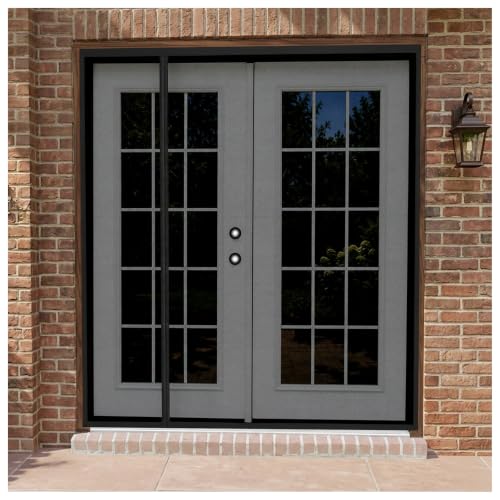
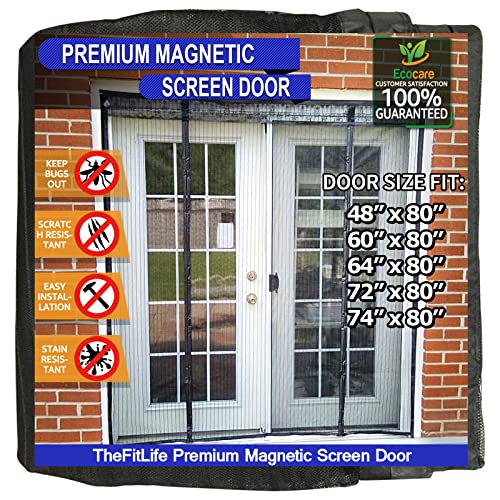
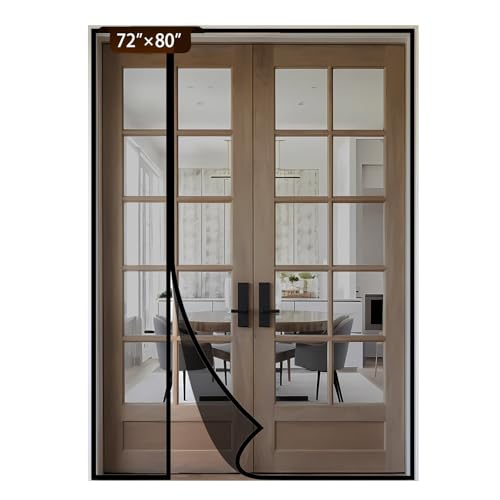
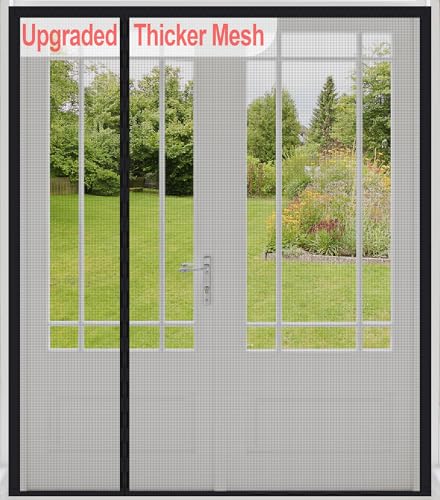
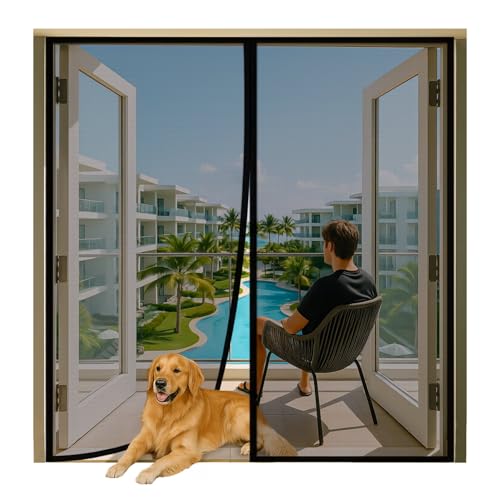
A double door or French door opening needs a screen built for that width from the start, not two single screens taped together in the middle. Manufacturers sell dedicated double-door kits with a center overlap designed to close cleanly, and trying to improvise with a single-door product usually leaves a gap right where the two panels should meet, which defeats the purpose of the screen entirely.
Mesh Material and Magnet Placement That Hold Up Over Time
Once the size is sorted out, the mesh material and magnet placement are what really separate the best magnetic screen door from one that stops working after a season.
Fiberglass vs. polyester mesh
Fiberglass mesh tends to hold its shape better and resists tearing from claws or curious fingers, though it's usually a bit less see-through. Polyester mesh is lighter, more transparent, and often cheaper, but a lower-quality weave can sag or stretch out after repeated use. If you also want to block sun and prying eyes on an adjoining balcony, the mesh used in the best balcony privacy screens follows a similar fiberglass-versus-polyester tradeoff, so the same reasoning applies there too. If you have an energetic dog or a household with small children constantly pushing through, fiberglass is generally the safer long-term choice, while a lighter-duty polyester screen is fine for a quieter household. That single tradeoff often decides whether a screen becomes the best magnetic screen door for a specific home.
Why magnet count and spacing matter more than people expect
Magnet count varies widely between products, from just a handful of magnets near the bottom to a full strip running the entire height of the opening. A full strip of closely spaced magnets closes faster, seals more evenly, and is far less likely to leave a gap that lets bugs slip through before it shuts. Screens with only a few widely spaced magnets tend to flap open in a breeze or fail to snap fully closed after someone walks through quickly. If keeping insects out is the whole point of buying one, magnet density is worth paying closer attention to than almost any other spec.
Matching the Screen to Your Door Type
Not every magnetic screen door is built for every kind of door, which is a big part of why the best magnetic screen door for a neighbor's house isn't necessarily the right one for yours.
Standard hinged entry doors
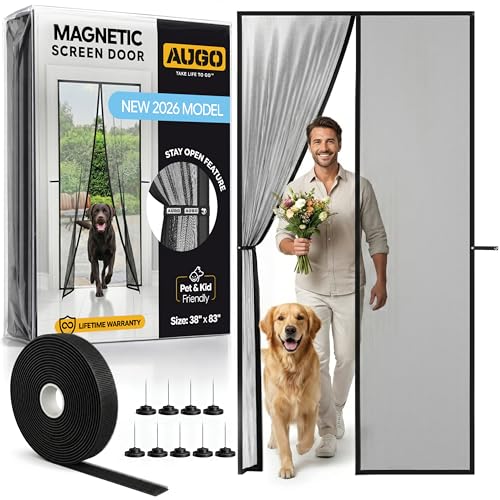
A single hinged front or back door is the easiest case, since most standard-width magnetic screens are designed with this exact opening in mind. Look for a model with hook-and-loop side strips in addition to magnets, which helps the screen stay put against the frame instead of billowing when the door itself is opened wide.
Sliding and patio doors
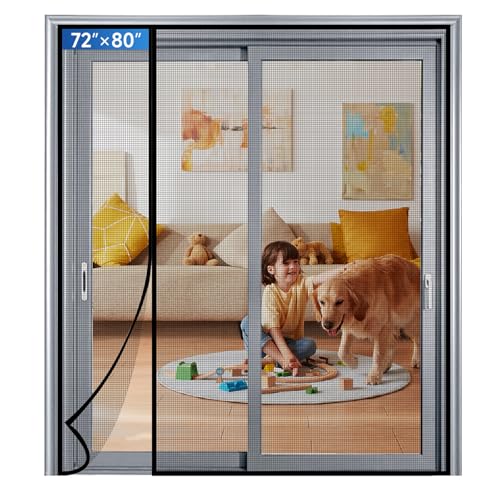
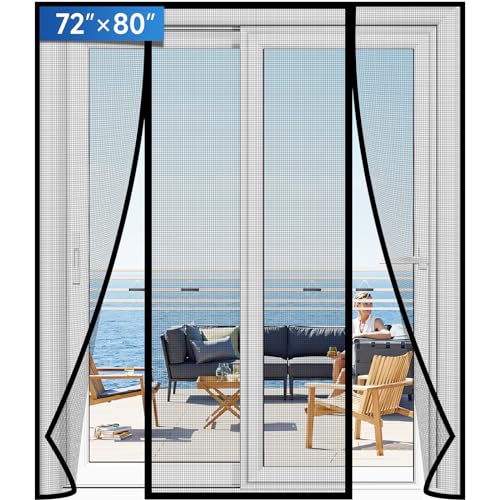
Sliding glass doors get used constantly in warm weather, which means the screen covering them needs a tighter mesh weave and a slightly heavier magnet strip to hold up to that traffic. A well-fitted screen here also means you can leave the actual glass door open for airflow, which pairs well with running something like the best air purifier in the room if allergy season tends to bring pollen in along with the breeze. This is exactly the kind of daily use where the best magnetic screen door earns its keep.
French and double doors
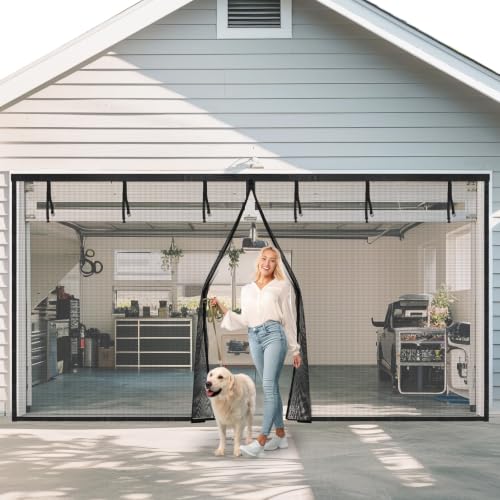
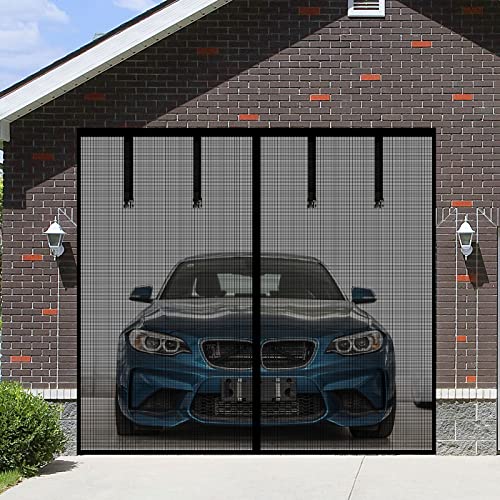
As mentioned above, French and double doors need a screen sized and seamed for that specific width. Beyond size, check that the center magnet strip is reinforced, since that's the seam that takes the most stress every time both panels are used at once. It's also worth noting that a magnetic screen door and a garage door screen solve two different problems: one covers a walk-through opening you pass through constantly, while the other covers a much larger vehicle-sized opening that stays closed most of the time.
Installing It Without Damaging Your Frame (and Keeping It From Sagging)
Most magnetic screen doors attach using adhesive hook-and-loop strips, though some include small tacks or nails as an alternative. Which one you use should depend on your frame material rather than whichever option is listed first in the instructions. Getting this step right is a big part of what separates the best magnetic screen door from one that peels off the frame within a month.
Choosing the right fastening method for your frame
Adhesive strips work well on painted wood, vinyl, and metal frames, and most residential-grade adhesive removes cleanly if you peel it slowly rather than yanking it off. Tacks or small nails hold more securely on bare or unpainted wood but will leave small holes behind, so they're worth avoiding on rental properties or trim you don't want to patch later. Whichever method you choose, press the strips firmly along the entire frame rather than just the corners, since gaps in the adhesive are usually where the screen starts to peel first.
Preventing gaps, sagging, and premature wear
Screens that sag at the top usually weren't pressed on firmly enough during install, or the adhesive lost its grip after repeated humidity or temperature swings. Trimming excess mesh so it doesn't drag, keeping the top strip flush, and avoiding repeatedly yanking the mesh open with force all extend the screen's life. A screen held taut from day one keeps its shape far longer than one left loose "to be safe."
How Magnetic Screen Doors Hold Up With Kids and Pets
This is one of the biggest reasons people choose a magnetic mesh screen door over a traditional hinged one in the first place: no handle to fumble with, no door slamming shut, and no risk of little fingers getting caught in a hinge.
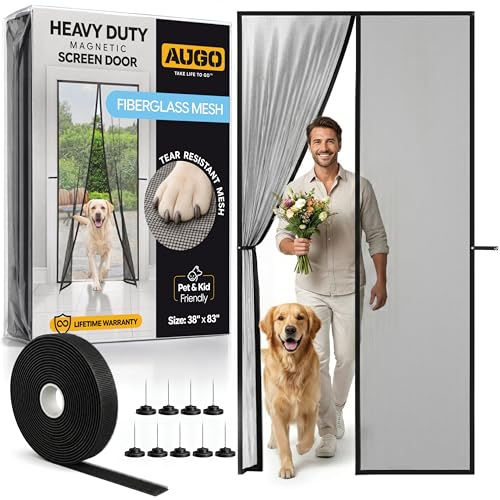
Kids and pets can walk straight through without slowing down, and the magnets pull the mesh shut again within a second or two. That said, a larger or more determined dog can stretch the mesh out of shape over time by pushing through at full speed rather than walking through calmly, which is exactly why mesh material and magnet strength matter so much for pet households specifically. A screen with a full magnet strip and a sturdier fiberglass weave tends to hold up noticeably better under repeated pet traffic than a light polyester screen with only a few widely spaced magnets. If you have a particularly large or strong dog, it's worth checking whether the manufacturer specifically rates the screen for pet use before buying, since not every listing is built with that kind of daily wear in mind. For pet-heavy households, durability under repeated pushing through is usually the real test of whether a screen deserves to be called the best magnetic screen door for that home.
Frequently Asked Questions
Here's what people weighing the best magnetic screen door options for their home tend to ask before buying.
How does a magnetic screen door work?
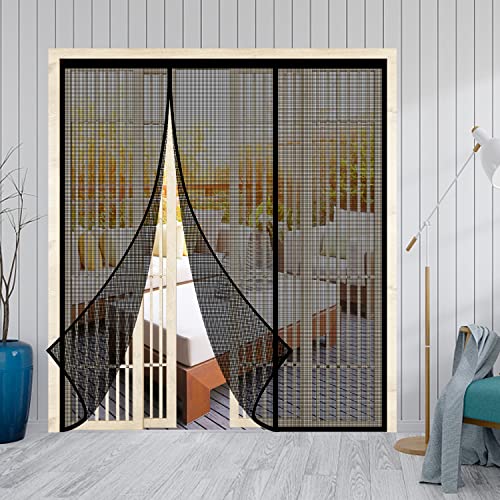
The screen is made of two mesh panels attached to the doorframe, with a line of magnets sewn along the center edge of each panel. When the panels swing shut, the magnets pull together and seal the opening, then release again the moment someone pushes through.
Do magnetic screen doors actually keep bugs out?
Yes, as long as the magnets are strong and closely spaced enough to seal fully after each use. A screen with gaps between magnets or a loose fit around the frame will let insects slip through before it closes.
Are magnetic screen doors safe for pets?
Generally yes, since there's no hard door or hinge to injure a paw or tail. Cats and most dogs can push through comfortably, though very large or forceful dogs may stretch a lighter mesh out of shape over time.
Can you use a magnetic screen door on a sliding glass door?
Yes, but look for a model sized and reinforced specifically for sliding or patio doors, since these openings see more daily traffic and need a tighter mesh weave and sturdier magnet strip than a standard entry door.
How long do magnetic screen doors typically last?
A well-installed screen with quality mesh and a full magnet strip can last several years of regular use. Cheaper screens with thin mesh or minimal magnets often show tearing or sagging within a single season.
Will a magnetic screen door stay closed in windy conditions?
It depends on magnet density. Screens with a full, closely spaced magnet strip hold up much better in a breeze than ones with only a few magnets near the bottom. Some models also include a wind-resistant hasp or hook-and-loop side strip for extra hold.
What is the difference between a magnetic screen door and a retractable screen door?
A magnetic screen hangs as a curtain-style panel that closes itself via magnets, while a retractable screen slides open and shut inside a fixed track, similar to a window blind. Retractable versions cost more but offer a cleaner look and don't require walking directly through mesh.
How do you measure a door for a magnetic screen?
Measure the width and height of the actual opening at multiple points, not just once, since older frames are rarely perfectly square. Round up slightly, since most screens are designed to overlap the frame edges for a secure magnetic seal.
The Bottom Line
Choosing the best magnetic screen door for your home really comes down to three things: an accurate measurement of your opening, a mesh and magnet combination that matches how much daily traffic it'll see, and an installation method suited to your frame. A quiet household with a standard entry door has very different needs than a busy home with kids, pets, and a sliding patio door in constant use. Get those three details right, and a magnetic screen door can replace the hassle of a permanent hinged screen, letting in fresh air and keeping bugs out without adding another door to maintain.