
Best Garage Door Screen: A Complete Buying Guide
Disclosure: We may earn a commission when you buy through links on this page, at no extra cost to you. As an Amazon Associate I earn from qualifying purchases. Learn more

If your garage turns into a mosquito lounge the moment you crack the door open on a warm evening, you already know the problem. A garage door screen lets air move through the space while keeping bugs, leaves, and the neighbor's cat out, without permanently sealing off the opening. The tricky part is that these screens are not all built the same way, and picking the wrong closure type or size for your setup is the fastest route to a screen that flaps in the wind or rips within a season. This guide walks through how the different systems close, how to size one correctly, and what actually holds up once pets and weather get involved.

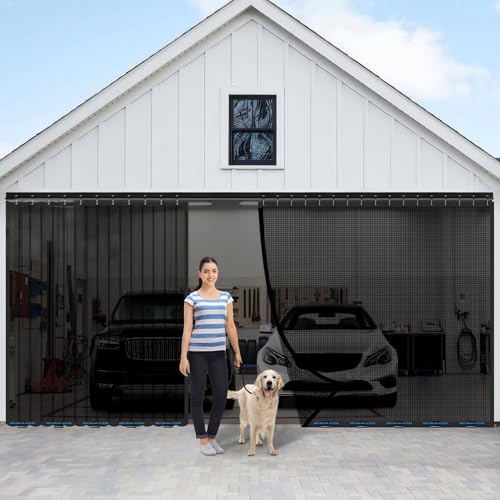
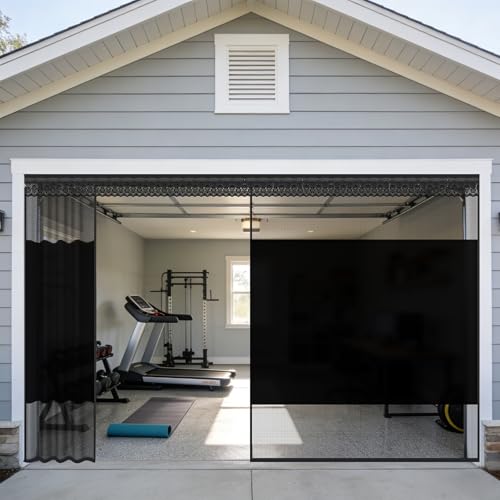
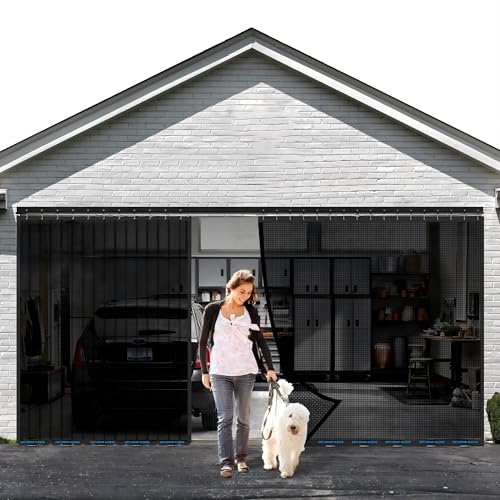
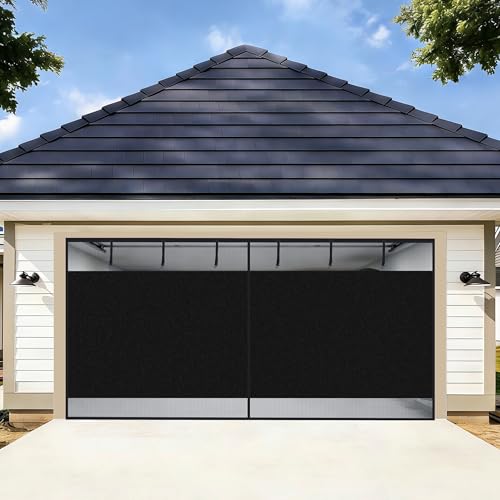
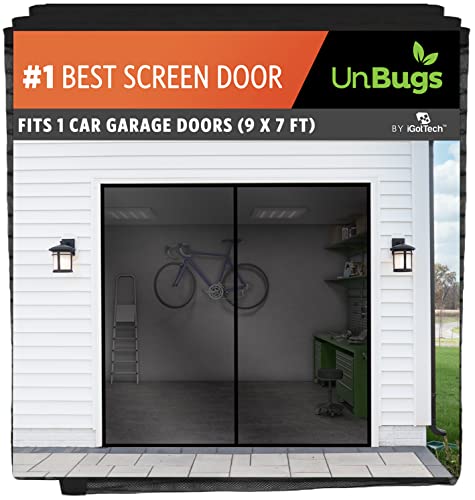
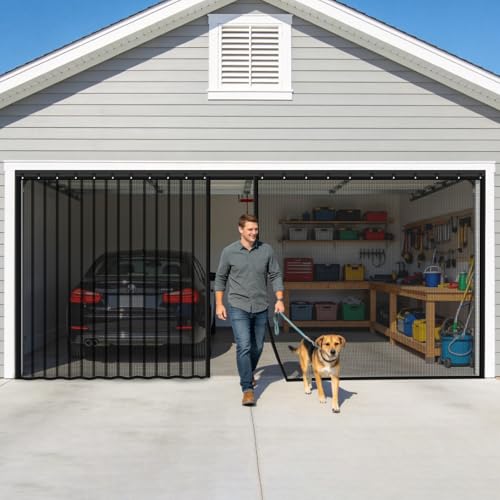
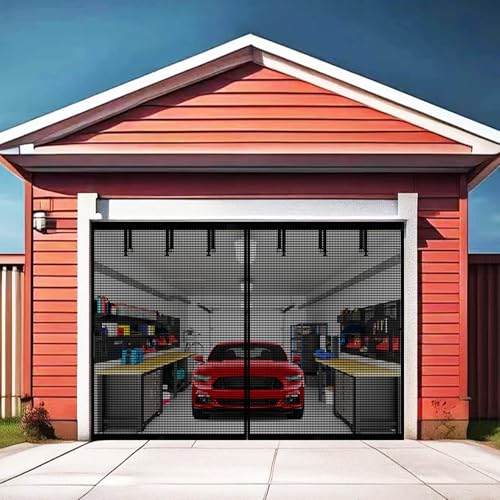
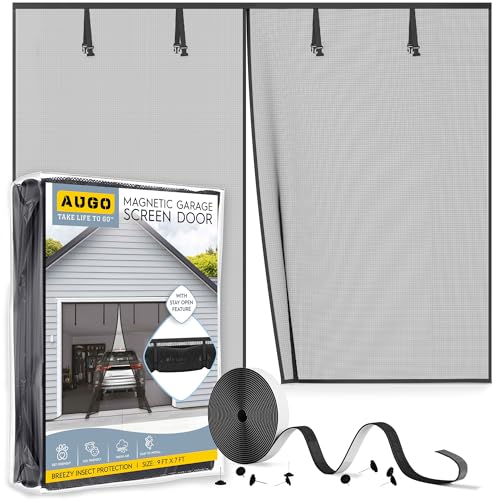
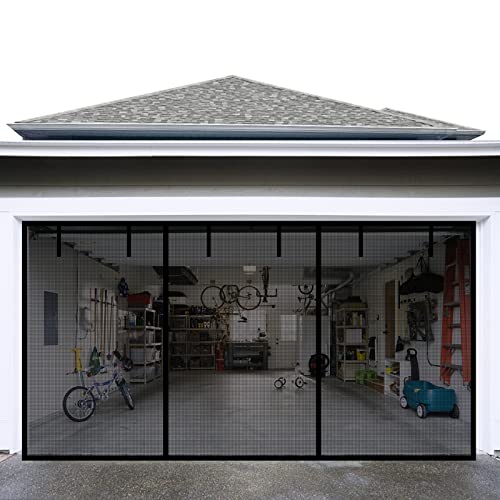
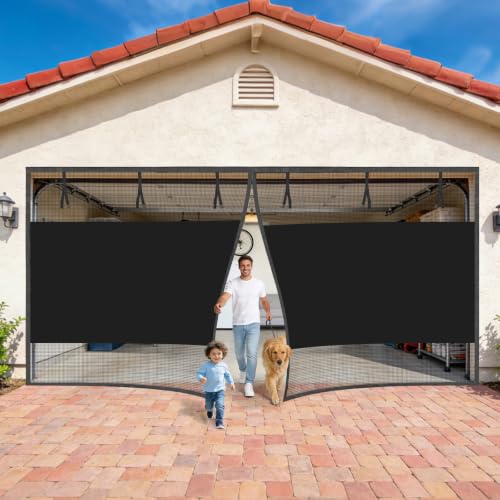
Magnetic, Sliding, or Zip Track: How These Screens Actually Close
Almost every garage door screen on the market uses one of three closure systems, and the one you pick affects how often you will walk through it and how long it lasts.
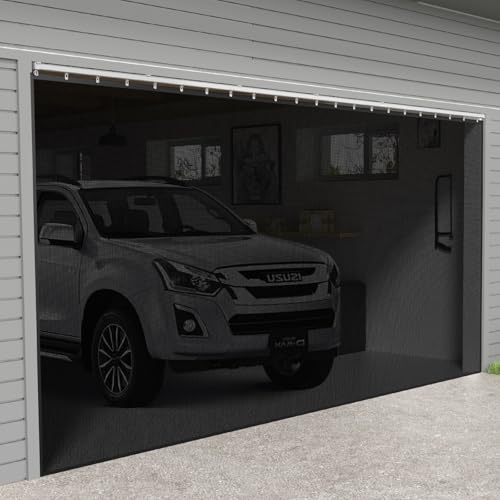
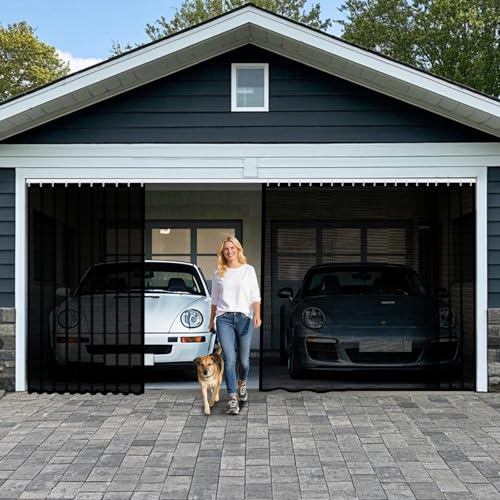
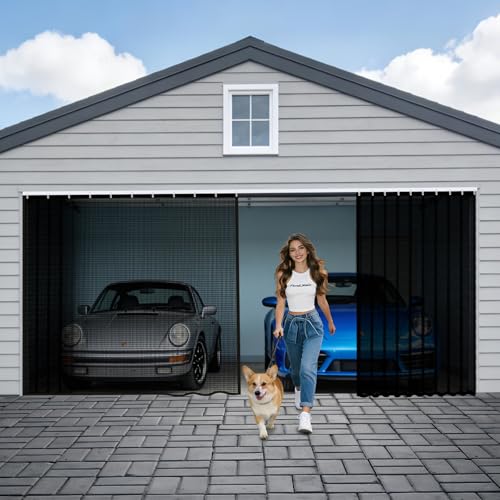
Magnetic Center-Seam Screens
These hang as one large panel with a row of magnets sewn down the middle. Walk through and the two halves snap shut behind you automatically, hands free. They are the cheapest option and the fastest to put up, but a screen with only a handful of scattered magnets will pop open in a light breeze. Count the magnet pairs before buying; more magnets spaced tightly along the seam means a firmer seal. This same closure logic shows up on a smaller scale in a magnetic screen door sized for a standard entry, if you need something similar for a side door off the garage.
Zip Track Screens
These mount into a track along the door frame and use a zipper down the center, similar to a tent door. You get a tighter, more weatherproof seal than magnets, and many versions let you zip open just a walk-through panel while leaving the rest closed. The trade-off is a slower setup and a track that needs occasional cleaning so the zipper does not snag.
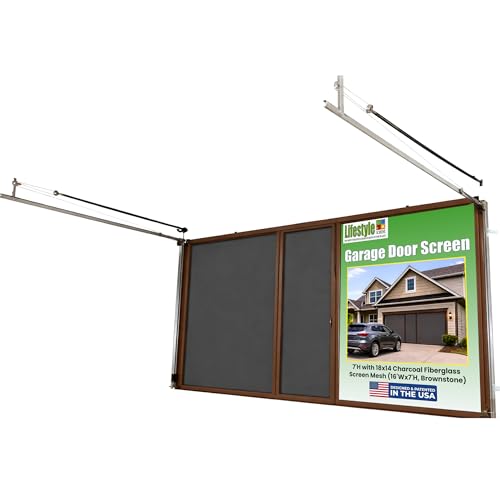
Sliding Panel Screens
Mounted on an overhead track, these slide open horizontally like a patio door. They open and close faster than either magnetic or zip options and tend to hold their shape better over time, though the hardware involved makes them the most involved to install and the priciest of the three.
Sizing a Screen for a One-Car or Two-Car Opening
Standard single-car garage doors run close to 8 or 9 feet wide by 7 feet tall, while two-car openings are typically in the 16-foot range. Those numbers are only a starting point, though, since actual openings vary by builder and by house.
Measure the opening jamb to jamb for width and from the floor to the underside of the header for height, and take each measurement in at least two spots. Garage openings are rarely perfectly square, so use the smaller of the two readings rather than the larger one. Most manufacturers ask for these raw numbers and add their own margin for mounting hardware, so resist the urge to round up on your own. A screen that is even slightly undersized will gap at the corners and give bugs an easy way in, which defeats the purpose of buying one in the first place.
Mesh That Can Take a Beating From Pets and Weather
Fiberglass mesh is the standard choice because it is affordable, breathable, and resists sun damage reasonably well. It is also the first thing to tear if a dog leans on it or a cat decides to climb it. If pets are going to be pushing through the screen daily, look for PET mesh or a vinyl-coated polyester weave instead. Both resist tearing, oxidation, and repeated scratching far better than basic fiberglass, and the price difference is usually modest compared to how much longer they last.
Wind is the other stress test most screens fail. A loose panel with no weight at the bottom will billow and slap against the frame in any real gust, which stretches the seams over time. Screens with a weighted or reinforced bottom bar, or a channel you can slide a rod into, stay flatter and quieter in wind. A tight, well-sealed screen also cuts down on how often bugs slip through in the first place, though for the odd one that still gets in, a good insect trap tucked in a corner handles the rest without much effort. Some homeowners pair their screen with a bug repellent for evenings spent working or relaxing in the garage, especially in areas with heavy mosquito pressure.
Will It Work With Your Existing Garage Door Opener
This is where a lot of buyers get tripped up. Retractable roll-up screens mount above the door opening and coil into their own housing, so they operate completely independently of your garage door opener and cause no interference. Sliding and fixed magnetic panels sit inside the opening itself, which usually means you open the garage door fully before using the screen rather than running both at once.
If you plan to use the space as a workshop or a hangout spot in the evenings, it is worth thinking about the whole setup at once rather than just the screen on its own. Whatever closure type you land on, check the manufacturer's compatibility notes for chain-drive versus belt-drive openers, since lift arm clearance is the detail that trips up sliding screen installs most often. A quick call to the manufacturer's support line before ordering can save you a return shipment later.
Frequently Asked Questions
Do garage door screens actually keep bugs out?
A properly sized, well-sealed screen keeps the vast majority of bugs out. The results depend heavily on fit though, since gaps at the edges or a weak magnetic seal let insects slip through easily.
What size garage door screen do I need for a two-car garage?
Most two-car openings measure around 16 feet wide by 7 feet tall, but always measure your own opening rather than assuming a standard size, since actual dimensions vary by builder.
Will a screen work with my automatic garage door opener?
Retractable roll-up screens work independently of the opener and cause no conflict. Sliding or fixed panels typically require the garage door to be fully open first, so check clearance before buying if this matters to you.
Are magnetic garage door screens durable enough for daily use?
Good ones are, provided they have a high magnet count and a decent mesh weight. Budget versions with sparse magnets tend to pop open and wear out faster under daily foot traffic.
Can I install a garage door screen myself?
Yes, most magnetic and zip track versions are designed for DIY installation with basic tools, and the process typically takes well under an hour once you have accurate measurements.
Do garage screens hold up in windy conditions?
Screens with a weighted bottom bar or a rod pocket resist billowing far better than loose hanging panels. If you live somewhere with regular wind, prioritize that feature over a basic budget model.
Are garage door screens safe for dogs and cats to push through?
Standard fiberglass mesh tears fairly quickly under repeated scratching or pushing. Pet owners are usually better off with PET mesh or a vinyl-coated weave built to handle that kind of daily wear.
The Bottom Line
The right garage door screen comes down to matching the closure type to how you actually use the space, sizing it accurately instead of guessing, and choosing mesh that can handle your climate and your pets. Get those three things right and the screen will earn its keep for years instead of ending up in a pile in the corner after one windy weekend.