Best Luxury Bathtubs: A Buying Guide for Every Bathroom
Disclosure: We may earn a commission when you buy through links on this page, at no extra cost to you. As an Amazon Associate I earn from qualifying purchases. Learn more
Not every bathtub is built for the same job. A standard tub gets you clean; a luxury one turns bath time into an actual retreat. When you start comparing the best luxury bathtubs, you quickly notice the differences go well beyond size or shape. Soak depth, material, weight, and spa-style extras all separate a premium tub from the basic model builders install by default. Getting this right matters because a bathtub is one of the few fixtures you cannot easily swap out once it is set and tiled around. This guide walks through what actually elevates a tub into luxury territory, the tradeoffs of premium materials and spa features, and the structural realities you need to plan for before you fall in love with a showroom display.
What Actually Separates a Luxury Tub from a Standard One
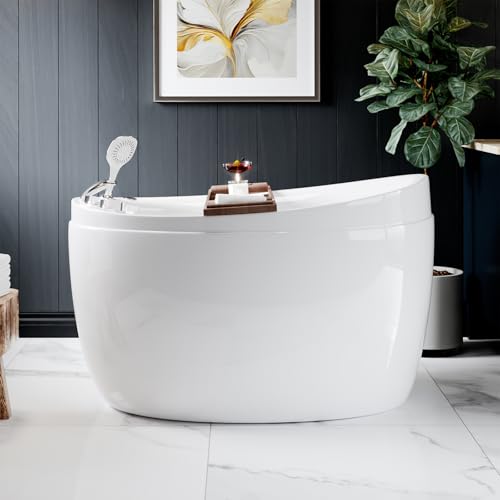
Price alone does not make a tub luxurious. The real differentiators are soak depth, sculptural form, and how the material feels and performs over years of use. A standard alcove tub typically holds water to around 14 to 16 inches; premium soaking tubs are often built 20 inches or deeper, letting you submerge your shoulders instead of just your legs. That extra depth changes the entire experience from a quick rinse to a genuine soak.
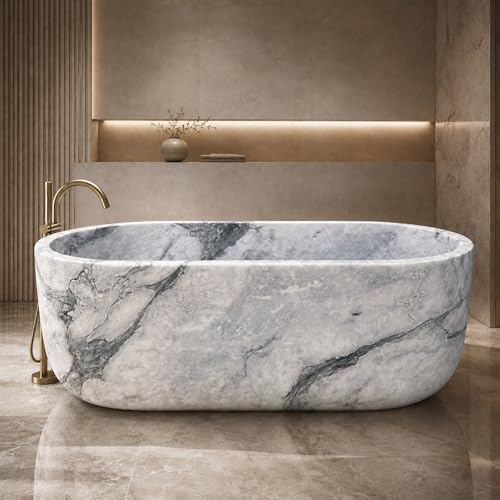
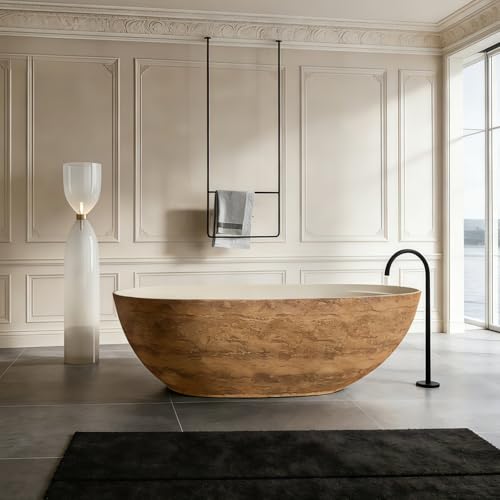
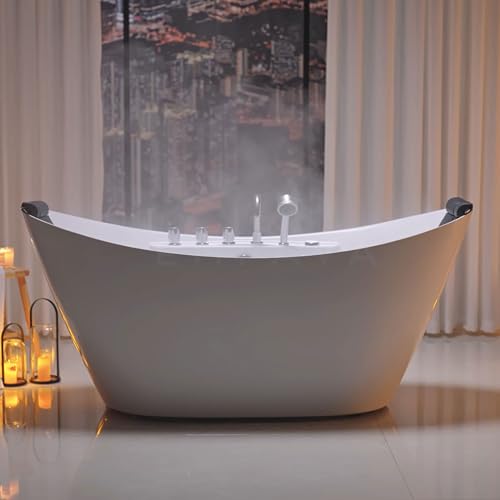
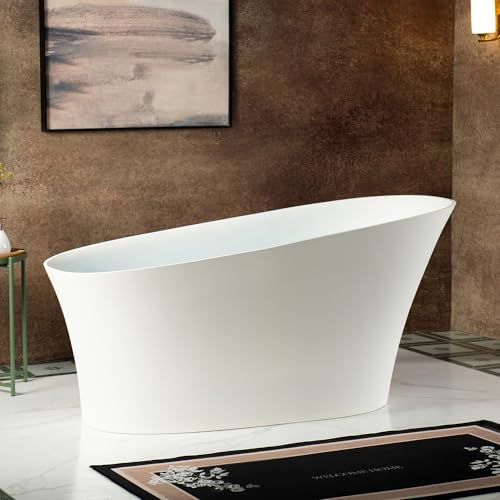
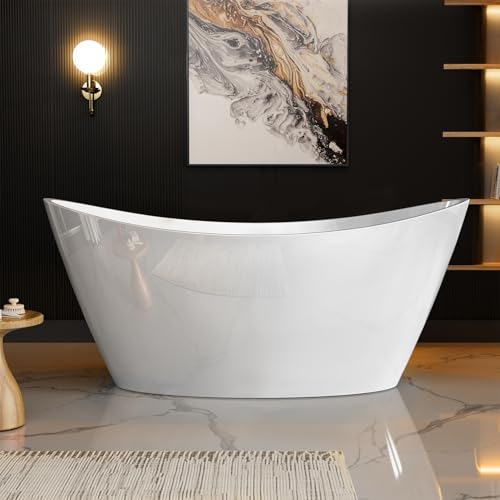
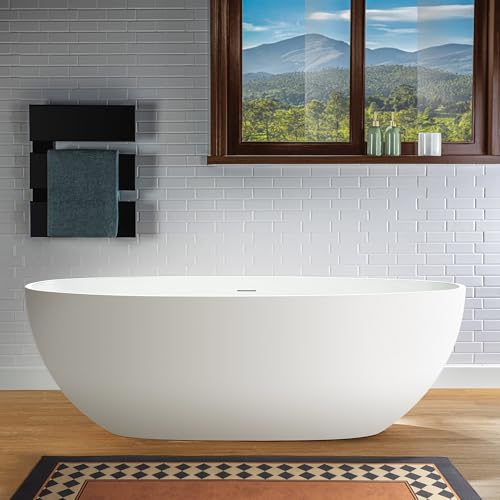
Freestanding shapes also matter. Where a builder-grade tub tucks into an alcove between three walls, a luxury tub is frequently designed as a standalone sculptural object meant to be seen from every angle. That means the underside, the rim profile, and the way it sits on the floor all get design attention that a hidden alcove tub never needs.
Finally, material quality affects how the tub feels against skin and how long heat lingers in the water. Cheaper acrylic tubs lose warmth quickly once the faucet is off. Among the best luxury bathtubs, material is often the single biggest factor separating a fixture that still looks and feels great after a decade from one that starts showing scratches and dull spots within a few years.
Comparing Premium Materials: Stone Resin, Solid Surface, and Cast Iron
Once you get past acrylic and fiberglass, three materials dominate the premium tier, each with a distinct feel.
Stone Resin (Solid Surface Composite)
Stone resin blends natural stone powder with resin binders to create a dense, warm-to-the-touch surface with a matte or satin finish. It holds heat noticeably longer than acrylic and can be molded into sculptural, seamless shapes. It is also heavy and can be repaired if scratched, since the color runs through the material rather than sitting on a thin surface layer.
Cast Iron with Enamel
Cast iron tubs are coated in a fired porcelain enamel that resists chipping and staining for decades. They retain heat extremely well and have a substantial, permanent feel, but they are among the heaviest tubs you can buy and are almost always installed on the ground floor unless the structure is reinforced.
Copper and Other Specialty Finishes
Hammered copper and other metal tubs offer a distinctive look and naturally resist bacteria, though they require occasional polishing to maintain their patina and are typically a higher investment than stone resin or acrylic options.
Whirlpool Jets, Air Systems, and Chromotherapy: Are Spa Features Worth It
Many premium tubs add mechanical extras borrowed from spa design, but each one adds complexity you should weigh honestly.
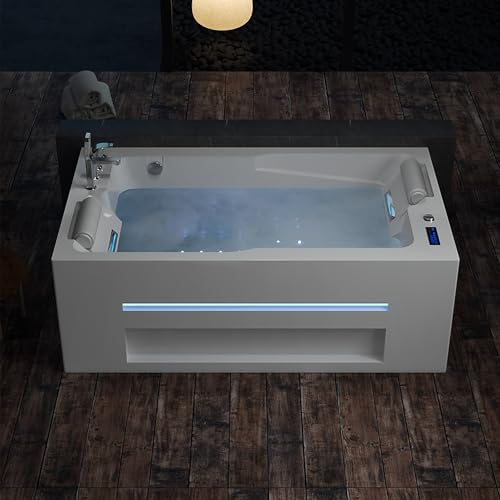
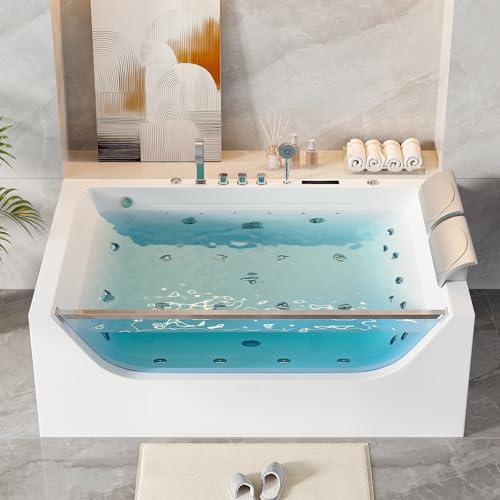
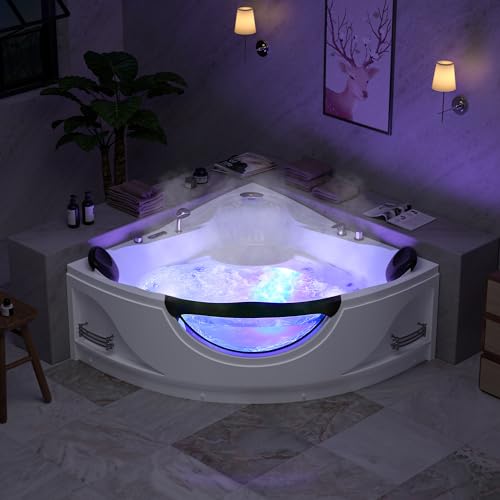
- Whirlpool jets push water through nozzles for a massaging effect but require the plumbing lines to be flushed and cleaned regularly to prevent residue buildup inside the tubing.
- Air jet systems push warm air through hundreds of small openings for a gentler, champagne-bubble sensation and are generally easier to keep clean than water jets.
- Chromotherapy lighting cycles through colored LEDs meant to set a mood; it is purely aesthetic and adds little maintenance burden.
- In-line heaters keep bathwater at a set temperature during a long soak, which matters more in colder climates or if you tend to linger.
If low maintenance matters more to you than spa-level features, a simple deep soaking tub without jets often delivers most of the comfort with a fraction of the upkeep.
Weight, Floor Support, and Installation Realities
Stone resin and cast iron tubs can weigh several hundred pounds even before they are filled with water, and a full tub adds hundreds of pounds more. That combined load is significant enough that many contractors recommend confirming floor joist capacity before installing a heavy freestanding tub on any level above the ground floor.
Doorways, stairwells, and hallway turns also need to be measured against the tub's dimensions well before delivery, since sculptural one-piece tubs cannot be disassembled the way modular alcove units sometimes can. It is worth asking your contractor or the manufacturer for the exact shipping weight and dimensions, then confirming both the entry path and the subfloor can handle it, rather than assuming a bathroom built for a standard tub can automatically accommodate an upgrade.
Designing the Room Around a Statement Tub
Because luxury tubs are often meant to be seen, placement becomes part of the design decision rather than an afterthought. A freestanding tub positioned under a window, facing a fireplace, or centered in an oversized primary bathroom reads very differently than the same tub pushed into a corner. Floor-mounted or wall-mounted tub fillers are common pairings, since they let the tub stand free of surrounding plumbing walls.
If you already have a broader sense of tub shapes and materials but want the full range of standard-to-premium options compared side by side, the bathtub buying guide covers that ground in more depth. For a primary suite renovation, many homeowners also weigh resale value: a well-placed luxury tub can be a selling point, but an oversized one in a small bathroom can just as easily make the room feel cramped to a future buyer. Scale the tub to the room, not the other way around.
Frequently Asked Questions
How much deeper is a luxury soaking tub compared to a standard tub?
Standard tubs typically hold water 14 to 16 inches deep, while premium soaking tubs often reach 20 inches or more, enough to submerge your shoulders while seated.
Do I need to reinforce my floor for a stone resin or cast iron tub?
Often yes, especially above the ground floor. A filled stone resin or cast iron tub can weigh over a thousand pounds, so checking joist capacity with a contractor before installation is strongly recommended.
Are whirlpool jets hard to maintain?
They require more upkeep than a plain soaking tub. Water jets need periodic flushing with a cleaning solution to prevent mineral and residue buildup inside the internal tubing.
What is the difference between air jets and water jets?
Water jets push pressurized water for a stronger massage effect, while air jets push warm air bubbles for a gentler sensation and are generally simpler to clean.
Is a freestanding tub always better than a built-in one?
Not necessarily. Freestanding tubs offer more visual impact and design flexibility, but built-in tubs use space more efficiently and can be easier to enter for some users.
Does buying a premium bathtub improve home resale value?
A well-scaled, quality tub in a primary suite can be an appealing feature to buyers, but an oversized tub crammed into a small bathroom can hurt perceived space and usability instead.
What material holds heat the longest during a long soak?
Cast iron and stone resin both outperform acrylic significantly for heat retention, with cast iron often holding warmth the longest due to its density.
Making the Soak Worth the Investment
A luxury bathtub earns its place by changing how a daily routine feels, not just how a bathroom photographs. Weigh soak depth, material, and any spa features against your maintenance tolerance and your floor's structural limits before choosing among the best luxury bathtubs for your space. Get those fundamentals right and the tub becomes a room you actually want to spend time in, not just a fixture.