
Best Pruning Shears: The Complete Buying Guide for Gardeners
Disclosure: We may earn a commission when you buy through links on this page, at no extra cost to you. As an Amazon Associate I earn from qualifying purchases. Learn more

Your rose bushes are getting leggy, the hedge trimmer feels like overkill for a few stray stems, and the pruners you have been using for years finally gave out. If you are standing in the garden aisle wondering where to start, you are not alone. Picking the best pruning shears comes down to matching the tool to your plants, not just grabbing whatever is cheapest or has the most reviews. In this guide, you will learn the real differences between bypass, anvil, and ratchet pruners, which specs actually matter versus which ones are marketing noise, and where pruning shears fit among the rest of your garden tools.
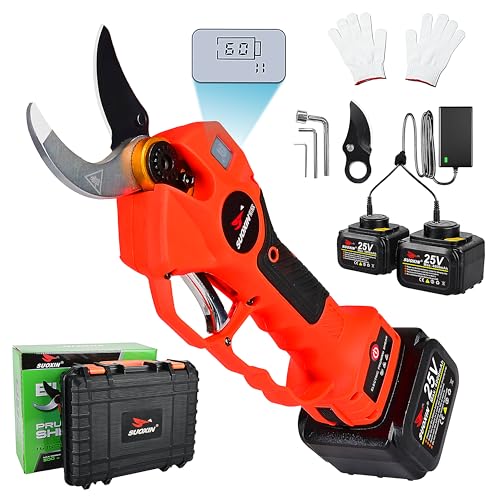
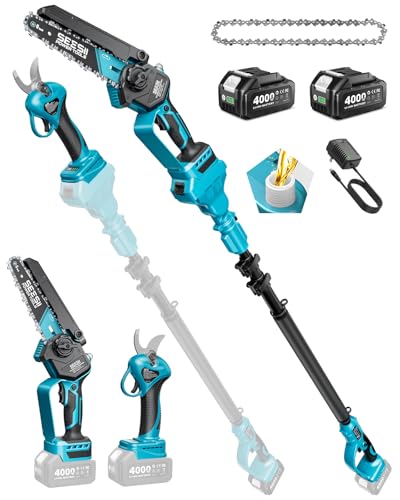
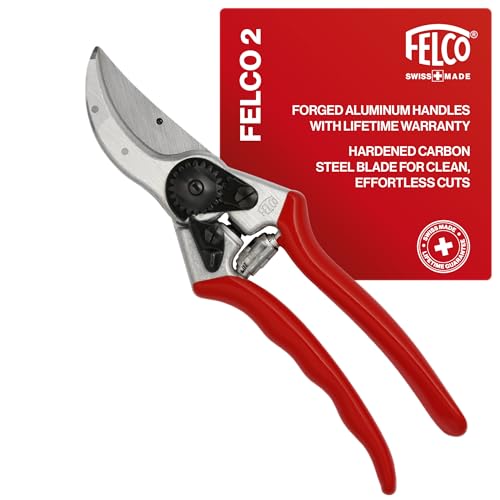
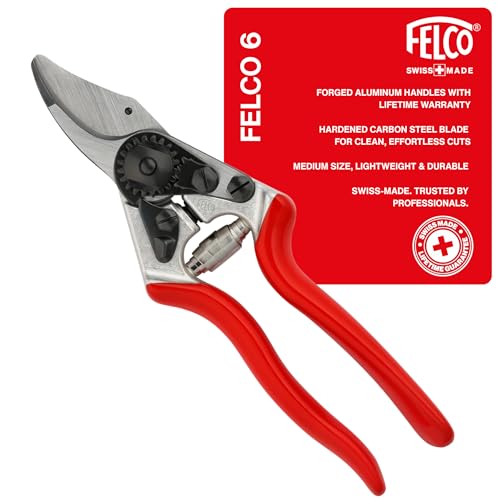
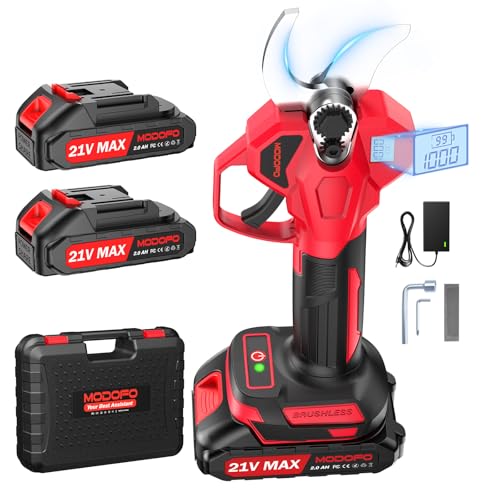
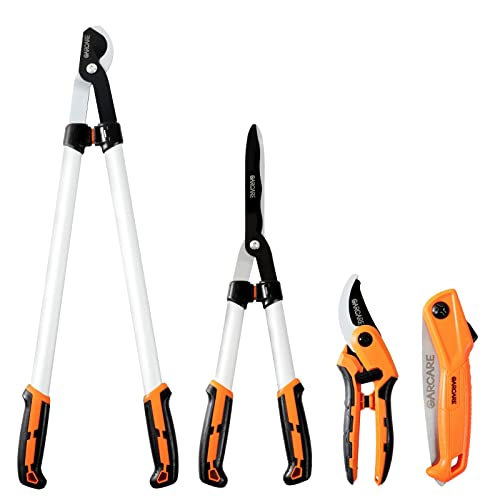
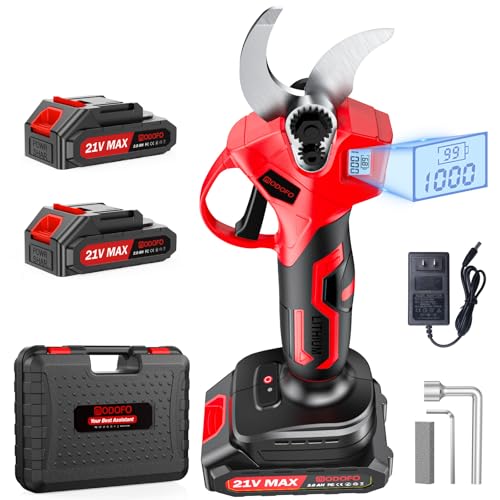
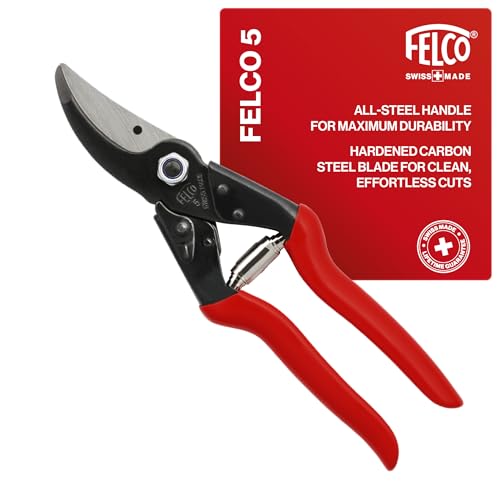
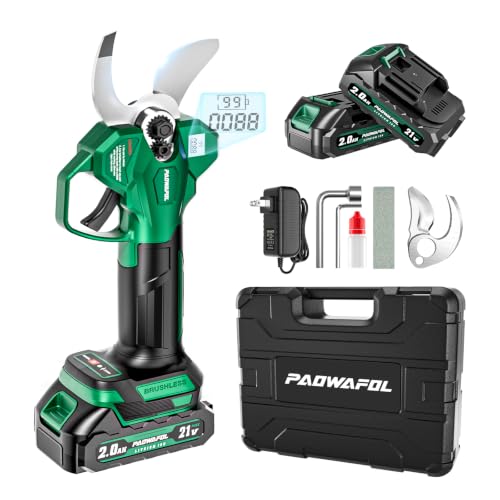
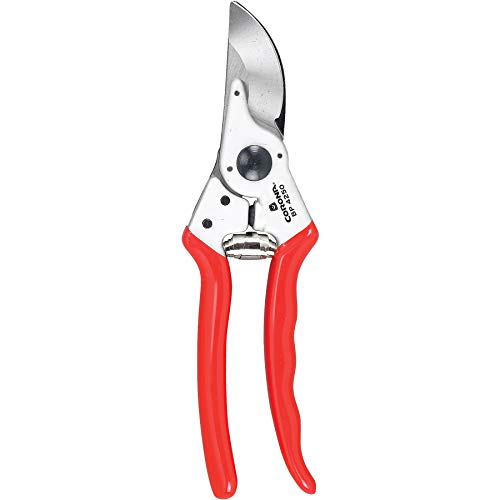
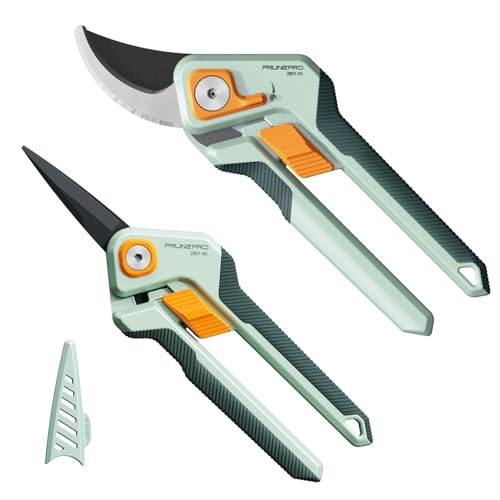
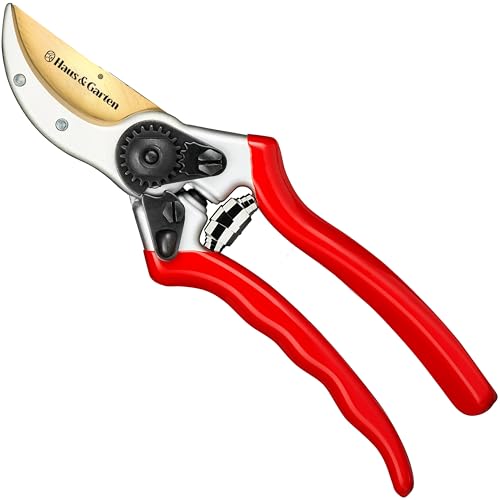

Bypass, Anvil, or Ratchet: The Type That Actually Matches Your Garden
Every pruning shear on the market falls into one of three mechanical categories, and picking the wrong one is the single most common reason people end up disappointed with a new pair. The blade mechanism determines whether you get a clean, healing cut or a crushed, ragged one, so this decision matters more than brand or price.
Bypass Pruners for Live Stems and Clean Cuts
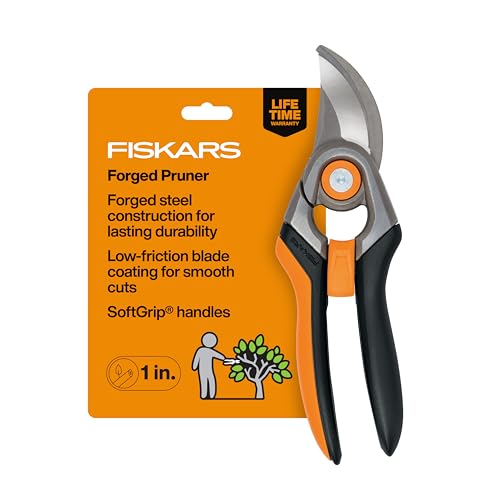
Bypass pruning shears use two curved blades that slide past each other like scissors, with only the top blade sharpened. That scissor action shears through live stems and branches cleanly instead of squeezing them, which matters because a crushed cut heals slower and opens the plant up to disease. Most home gardeners reach for bypass pruners for the majority of everyday cuts, including deadheading flowers, shaping shrubs, and trimming stems up to around three-quarters of an inch thick.
Anvil Pruners for Dead Wood and Heavier Growth
Anvil pruners work differently. A single sharpened blade closes down onto a flat metal plate, similar to a knife hitting a cutting board. That design delivers more cutting force, which makes anvil pruners a better match for dead, dry, or woody growth. Use them on live green stems, though, and the flat anvil tends to crush the tissue instead of slicing it cleanly, leaving a ragged wound that is slower to recover.
Ratchet Pruners for Weak Grip or High-Volume Pruning
Ratchet pruners are a variation on the anvil design that closes the blade in stages instead of one squeeze. Each partial squeeze locks the progress before you release and squeeze again, so cutting through a branch takes several small efforts instead of one hard grip. That makes them worth considering if you have limited hand strength, arthritis, or carpal tunnel issues, or if you are pruning for long stretches and want to save your grip for later in the day.
Whichever type you land on, it helps to think of pruning shears as one piece of a bigger toolkit rather than a standalone purchase. Pairing them with the rest of your basic hand tools covers most routine garden maintenance without needing a shed full of specialized gear.
Cutting Capacity, Blade Material, and Grip: What Separates a Reliable Pair From a Frustrating One
Match Cutting Capacity to What You Actually Prune
Every pruner has a rated cutting capacity, usually listed as a maximum branch diameter in inches, and understanding it is one of the fastest ways to narrow down the best pruning shears for your specific garden rather than picking whatever ranks highest online. Pushing a pruner past its rated limit is a common mistake, and the fastest way to bend the blade, strip the pivot bolt, or end up with a mangled cut that takes three tries. If most of what you cut is soft new growth and flower stems, a smaller-capacity pair with a tighter, more precise blade will actually perform better than an oversized one. Save the bigger cutting capacity for a pair dedicated to thicker, woodier branches, and switch to loppers once you are regularly cutting past what your hand pruners are rated for.
Blade Material and Why It Determines How Long an Edge Lasts
Blade material is where cheap and quality pruners really diverge. Hardened, high-carbon steel holds an edge through a full pruning season without needing constant touch-ups, while softer stamped steel dulls quickly and starts crushing stems instead of cutting them within weeks. Some blades come with a non-stick or rust-resistant coating, which helps in humid climates or when cutting sappy plants like roses, where residue builds up and drags on the blade. Replaceable blades are worth paying a little extra for since they let you keep the handles and pivot for years instead of replacing the whole tool the moment the edge wears out.
Handle Comfort, Weight, and Hand Size
A pruner you are not comfortable holding is one you will avoid using, which usually means overgrown, neglected plants. Look for handles sized for your hand, since compact grips reduce fatigue for smaller hands and heavier-duty handles give more leverage for bigger cuts. Soft, textured grips help in wet weather when metal or bare plastic gets slippery. A spring-loaded design that pops the blades back open after each cut saves real effort over a long pruning session, and a thumb-operated safety lock is worth having so you can pocket or holster the tool between cuts without the blade staying exposed.
Where Pruning Shears Actually Earn Their Keep
Pruning shears are not a one-task tool, and understanding where they fit relative to other yard equipment makes it easier to judge whether you need a second, specialized pair or whether one good all-purpose pruner covers your garden. After a heavy pruning session, giving beds a deep drink from a garden hose also helps stressed plants recover faster.
Everyday Trimming, Shaping, and Deadheading
Most of the time, pruning shears are doing light, precise work: deadheading spent flowers, shaping small shrubs, and trimming back stems that have outgrown their space. For this kind of everyday task, hand pruners beat power tools because you can control exactly where the cut lands, which matters near buds and branch collars where a stray cut affects next season's growth. A cordless string trimmer is useful for covering large areas of overgrown grass or light brush quickly, but it cannot replace the precision a pruner offers close to a plant's main structure.
Harvesting and Cutting Back Perennials
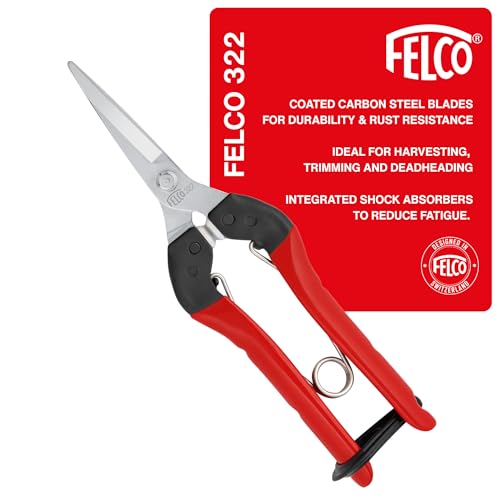
Beyond shaping, pruning shears do double duty at harvest time, snipping herbs, cutting flowers for indoor arrangements, and taking vegetables like peppers or squash off the vine without damaging the stem. They are also the right tool for cutting back perennials at the end of the season, removing dead or damaged growth to encourage healthier growth the following year. If you are just getting your gardening routine established, a reliable pair of pruners is one of the first tools worth investing in properly, since you will reach for it in nearly every part of the season.
Frequently Asked Questions
What's the difference between bypass and anvil pruning shears?
Bypass pruners use two blades that slide past each other like scissors, giving a clean cut ideal for live stems. Anvil pruners use one blade that presses onto a flat surface, which works well on dead or woody growth but tends to crush live tissue instead of cutting it cleanly.
Which type of pruning shears is better for live plants?
Bypass pruners are the better choice for live stems, flowers, and actively growing branches. Their scissor-style cut does not crush the plant tissue, which helps the wound heal faster and lowers the risk of disease getting into the cut.
What size branch can pruning shears cut through?
Most hand pruners are rated to cut branches up to around three-quarters of an inch in diameter, though this varies by model and blade type. Once you are regularly cutting thicker than what your pruner is rated for, it is time to switch to loppers instead.
How often should you sharpen pruning shears?
For regular home garden use, sharpening once or twice a season is usually enough, though heavier use calls for more frequent touch-ups. A dull blade bruises stems instead of slicing them, so if cuts start looking ragged, that is the signal it is time to sharpen.
How do you clean and store pruning shears properly?
Wipe sap and plant residue off the blades after each use, since dried sap causes drag and speeds up dulling. A light coat of oil on the pivot and blades prevents rust, and storing pruners closed with the safety lock engaged keeps the edge protected between uses.
What's the difference between pruning shears, secateurs, and loppers?
Secateurs is simply another term for one-handed pruning shears, so the two names describe the same tool. Loppers are a larger, two-handed version with long handles that give more leverage for cutting thicker branches than hand pruners can manage.
Are ratchet pruners good for people with limited hand strength?
Yes. Ratchet pruners cut in stages, letting you close the blade gradually across several smaller squeezes instead of one hard grip. That makes them a solid option for gardeners with arthritis, carpal tunnel, or general hand fatigue.
Making the Right Call for Your Garden
Choosing the best pruning shears for your garden really comes down to matching the tool to what you will actually cut most often. If your days are mostly deadheading and shaping live growth, a comfortable bypass pruner with solid blade material will handle nearly everything. If you are clearing dead wood or dealing with grip limitations, an anvil or ratchet design is worth the switch. Pay attention to cutting capacity and blade quality over flashy extras, since those two factors determine how clean your cuts are and how long the tool lasts. A well-chosen pair, kept clean and sharp, should last for years of regular seasonal work rather than needing replacement every year.