Best Kids Teepee Tents: A Complete Buying Guide
Disclosure: We may earn a commission when you buy through links on this page, at no extra cost to you. As an Amazon Associate I earn from qualifying purchases. Learn more
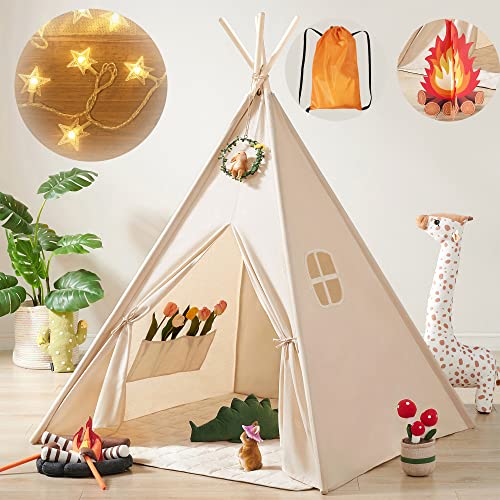
A pile of blankets in the corner of a bedroom does not feel like anywhere in particular. A teepee changes that instantly, and it is one of the easiest ways to turn an ordinary playroom corner into a spot a child actually wants to spend time in. Because so many kids teepee tents look nearly identical in a product photo, though, it is easy to end up with one that sags within a week, tips over the moment a toddler leans on it, or barely fits between the bed and the closet. This guide walks through what actually separates a teepee tent that survives years of daily play from one that gets folded up and forgotten after a month, including frame materials, fabric quality, sizing, and what setup and storage really look like day to day.
![4 Pack Teepee Tent for Kids [Thickened] with Light String and Inflatable](https://images-na.ssl-images-amazon.com/images/I/31gGZQtHSnL.jpg)
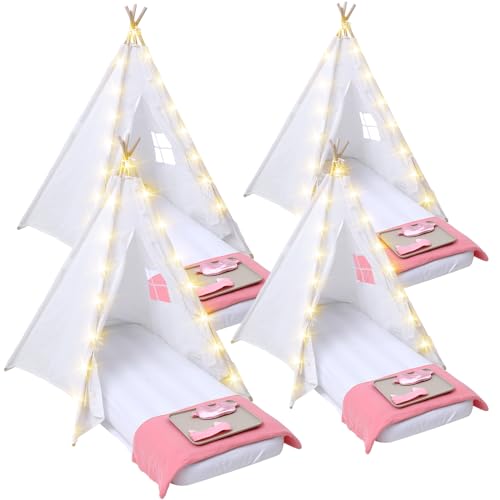
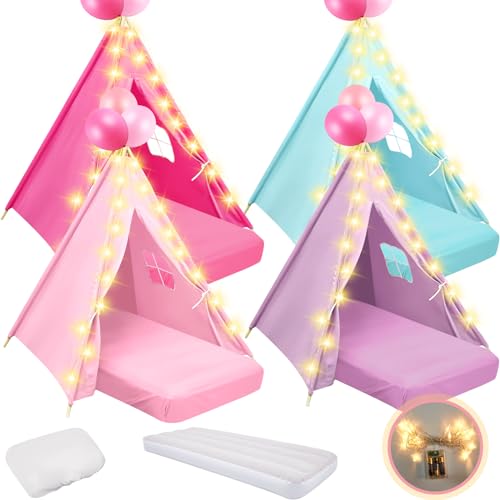
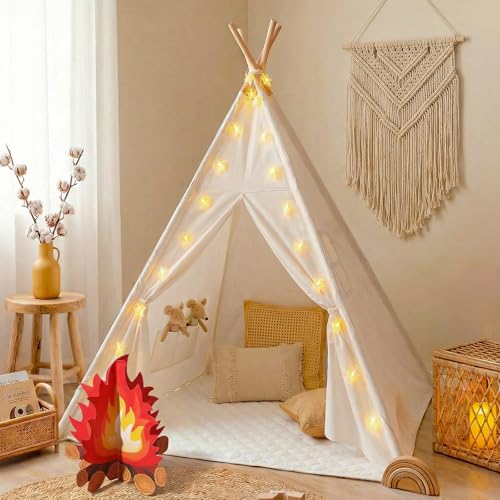
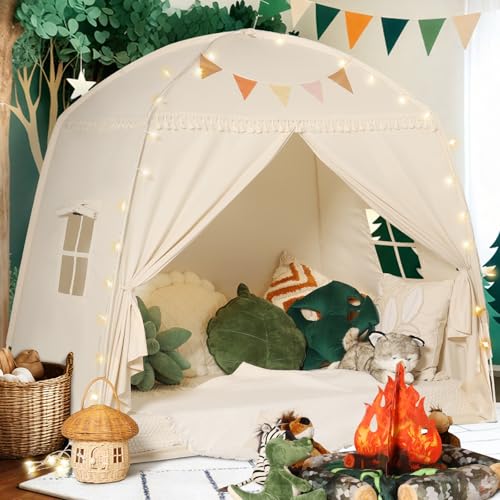
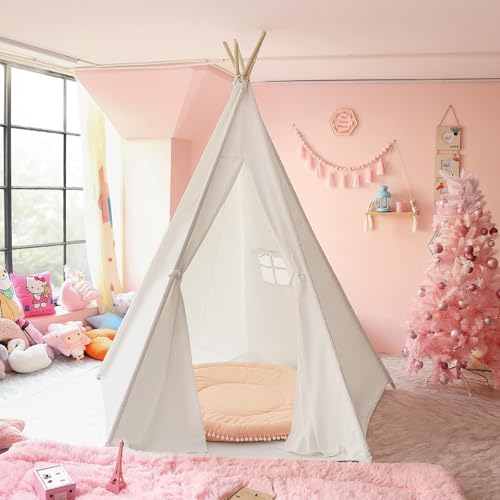
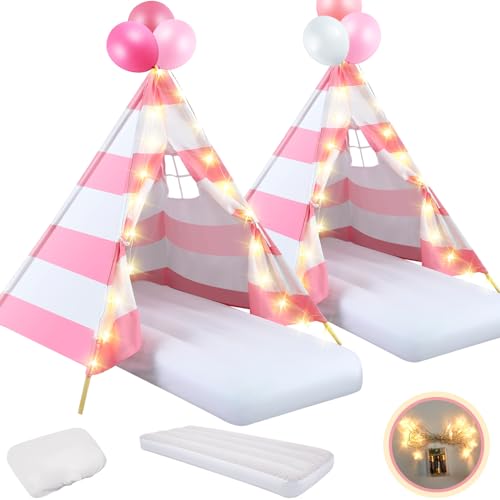
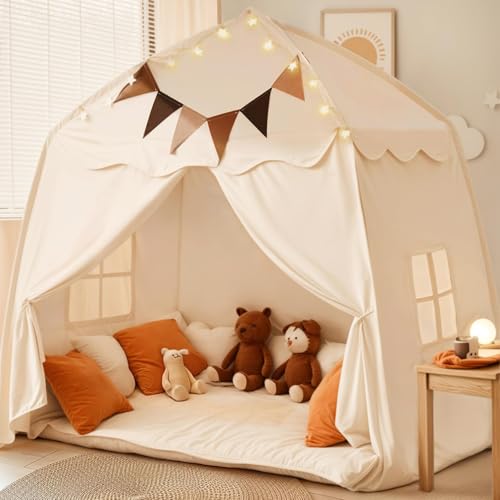
Frame Materials That Determine How Long It Actually Lasts
Unlike a tent that straps to a tree branch or a swing that bolts into a ceiling joist, freestanding kids teepee tents have to hold their own shape and stay upright on nothing but a floor. That makes the frame the single biggest factor in how well it performs over time, and it is worth understanding before anything else.
- Solid wood poles are sturdy and give the tent a nice weight that resists tipping, but they add bulk and can feel heavy for a young child to move on their own.
- Bamboo poles flex slightly instead of snapping, which makes them one of the more forgiving options for a room where a child is climbing in and out constantly.
- Fiberglass or plastic poles keep the tent lightweight and inexpensive, but they are more prone to cracking with age, and when they do fail they tend to splinter into small, sharp pieces rather than breaking cleanly.
For a room where the tent will be pushed, leaned on, and dragged around several times a week, a wood or bamboo frame is usually the safer long term bet. Check how the poles connect at the top, too. A simple hub or sleeve joint that a parent can tighten occasionally will outlast a frame that relies purely on friction to stay together.
Fabric and Construction Quality Worth Paying Attention To
The fabric covering the frame gets more daily wear than almost any other part of most kids teepee tents, from small hands grabbing the doorway to snacks and crayons making their way inside. Cotton canvas is the material to look for first. It breathes well, holds its shape, and generally softens rather than thinning out with repeated washing. Thin polyester is common on budget options, and while it is fine for occasional outdoor use, it tends to feel stiff, trap heat, and pill faster once it goes through a wash cycle or two.
Beyond the base fabric, look at how the panels are finished. Reinforced seams at the corners and around the door opening are usually the first spots to give out, so double stitching there is worth more than any printed pattern or extra window. If the tent will live in a child's bedroom, a machine washable cover matters more than it might seem. Kids eat snacks inside, spill drinks, and track in whatever they were playing with outside, and a cover that can go straight into the laundry saves a lot of frustration later.
Sizing a Teepee Tent to Fit the Room and the Child
One of the most common regrets with kids teepee tents is buying based on the picture rather than the actual footprint. Most freestanding teepees take up somewhere around a four foot by four foot square on the floor, and they need a bit of extra clearance around the entrance so a child can crawl in and out without knocking into furniture. Before ordering, it genuinely helps to measure the intended corner and mark it with tape to see how it feels in the room.
Peak height matters just as much as the floor footprint. A tent with roughly four to five feet of interior height lets most children stand up straight inside without ducking, which makes a real difference in how much they actually use it versus just crawling in to sit. If more than one child will be sharing the space, whether siblings or regular playdates, look for a floor area on the larger side so two kids are not constantly bumping elbows. It is also worth leaving a little room just outside the entrance for a small basket of building toys or books, since most kids end up dragging things in and out rather than keeping everything neatly stored inside.
Setting It Up and Folding It Away When Playtime Ends
This is where freestanding kids teepee tents differ most from tents that mount on hardware or hang from something overhead. There is nothing to install, so setup usually comes down to sliding the poles through the fabric sleeves and spreading the base, which most parents can do in a few minutes without tools. The tradeoff is that the whole structure needs somewhere to live when it is not in use, especially in a smaller bedroom that also has to function as a place to sleep.
Look closely at how the frame collapses. Poles that fold down into a compact bundle and slide into a carry bag are far more practical day to day than a frame that has to be fully disassembled every time. If floor space is genuinely tight and folding the tent up every night is not realistic, it is worth considering alternatives that do not compete for floor space at all. A hanging tree tent straps around a sturdy branch instead of standing on the ground, which works well for a yard with the right tree.
Indoors, a teepee style swing chair that hangs from a ceiling mount can deliver a similar cozy nook without taking up any square footage, which is worth a look for anyone who liked the idea of a teepee swing chair for an indoor corner but has limited floor room to spare.
Frequently Asked Questions
What age range are kids teepee tents appropriate for?
Most freestanding teepees suit children roughly ages two through ten. Younger toddlers should only use one with supervision, since the poles and fabric can tip if a child pulls on them the wrong way.
How much floor space does a teepee tent actually need?
Plan for roughly a four by four foot footprint plus a little extra clearance around the entrance. Measuring the corner ahead of time avoids a tent that ends up blocking a door or dresser.
Are fiberglass poles safe for a kids' play tent?
They can be fine for light, occasional use, but they become more brittle over time and can splinter when they crack. Wood or bamboo poles tend to hold up better under daily play.
What is the best fabric for a kids' teepee tent?
Cotton canvas is generally the top choice. It breathes better than polyester, holds its shape, and typically softens with washing instead of thinning out.
Can a teepee tent be used both indoors and outdoors?
Many are designed for both, but check the fabric before leaving one outside for long. Untreated cotton canvas can absorb moisture, so it should be brought in during humid or wet weather.
How do you clean a kids' teepee tent?
Check the care label first. Many cotton canvas covers can be removed from the frame and machine washed on a gentle cycle, while the frame itself just needs a wipe down with a damp cloth.
Making the Right Call for Your Space
The most reliable kids teepee tents come down to a fairly short list: a frame that will not splinter or wobble, a fabric that survives regular washing, a footprint that actually fits the room, and a folding process simple enough that it gets put away instead of left in a heap. Once those boxes are checked, the rest, colors, patterns, and extra add ons, comes down to what a particular child will love most.