
Best Building Toys for Kids: A Complete Buying Guide
Disclosure: We may earn a commission when you buy through links on this page, at no extra cost to you. As an Amazon Associate I earn from qualifying purchases. Learn more

Toy bins fill up fast, and most of what lands in them gets forgotten within a week. If you are tired of buying toys that lose their appeal almost immediately, you are not alone. Parents searching for the best building toys for kids usually want the same thing: toys that hold a child's attention over months, not days, and that grow along with new skills. The right building toys for kids do more than fill an afternoon. They encourage problem-solving, patience, and creativity while surviving years of stacking, snapping, and rebuilding. This guide covers what to look for, the main types on the market, the real developmental benefits, and mistakes to avoid so you can shop with confidence.



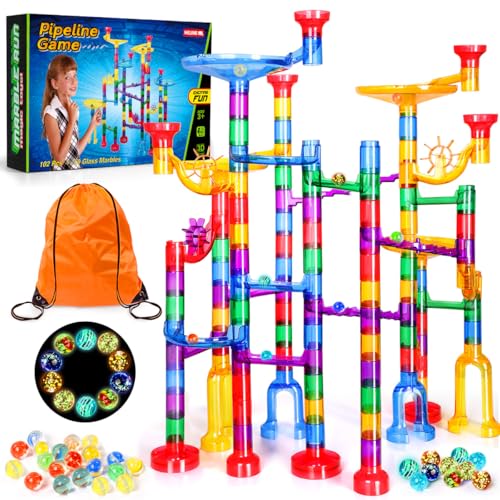
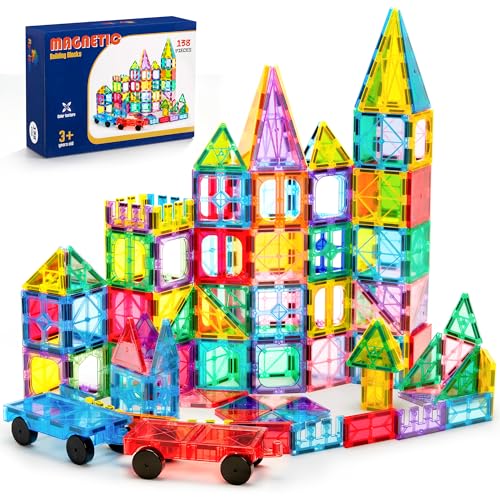
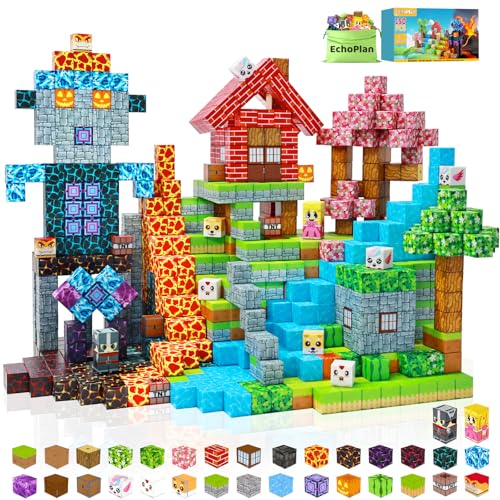
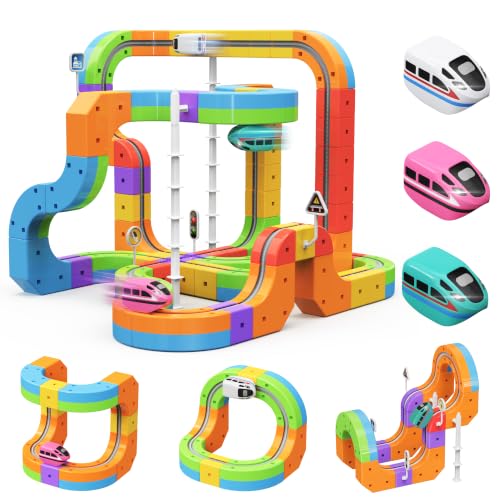
What to Look for in Building Toys
Not every set on the shelf is worth the shelf space it takes up. Before you add anything to your cart, run it through a few practical checks. These criteria apply whether you are shopping for a toddler or an older child chasing a bigger challenge, and they are the same checklist experienced parents and early childhood educators return to again and again when picking building toys for kids.
Age-Appropriate Design and Piece Size
Piece size matters more than almost anything else on this list. Toddlers need chunky, oversized pieces that are impossible to swallow, while grade-schoolers are ready for smaller, more intricate components that reward patience. Always check the manufacturer's age label, but also think about your own child's attention span and current fine motor development. A set that is technically rated for their age can still be frustrating if it is a stretch too far.
Safety and Material Quality
Look for non-toxic materials, whether that means BPA-free plastic, splinter-free finished wood, or lead-free paint on any painted surfaces. Reputable sets list the safety standards they meet on the packaging. Smell the product if you can before buying online reviews mention it; a strong chemical odor is a red flag. For younger kids, avoid anything with small magnets or button batteries unless the compartments are secured shut.
Durability and Build Quality
Kids are not gentle with their toys, so durability has to be part of the equation. Pieces that snap together firmly, resist cracking, and survive being dropped from a shelf will last through multiple siblings and years of use. Cheaper sets often use thinner plastic or looser connections that wear out within a season, which ends up costing more in the long run.
Open-Ended Play Potential
The best sets do not come with a single "correct" way to play. Look for building toys that support open-ended play, meaning a child can build a spaceship one day and a castle the next using the same pieces. Kits that only ever produce one finished model tend to get set aside once that model is built, while open-ended sets stay in rotation for years.
Compatibility and Expandability
If your child already owns a set of building pieces, check whether new purchases are compatible with what they have. Being able to combine sets from different purchases (or even different lines within the same product family) means every new gift adds to the collection instead of starting from scratch. This also makes it easier to build bigger, more ambitious projects as your child grows.
Types of Building Toys Explained
Building toys are not a single category. Each type teaches slightly different skills and suits different ages, so it helps to understand the main options before you decide where to spend your budget.
Interlocking Bricks
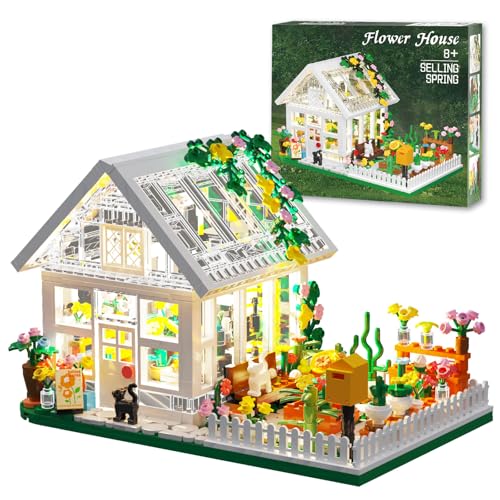
Small studded bricks that snap together are the most familiar type of building toy, and for good reason. They reward precision and planning, work for a huge age range depending on brick size, and scale from simple towers to elaborate builds. Because so many brands produce compatible pieces, collections tend to grow easily over time.
Magnetic Building Tiles
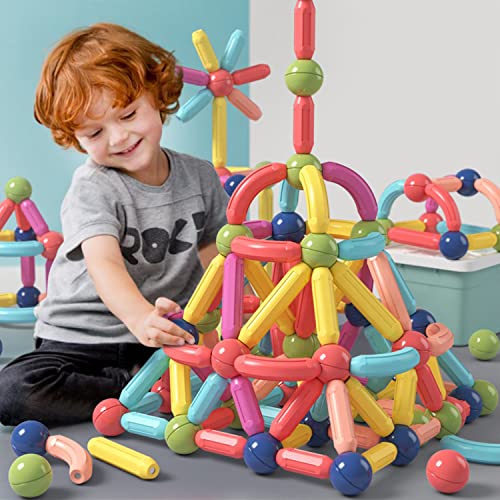
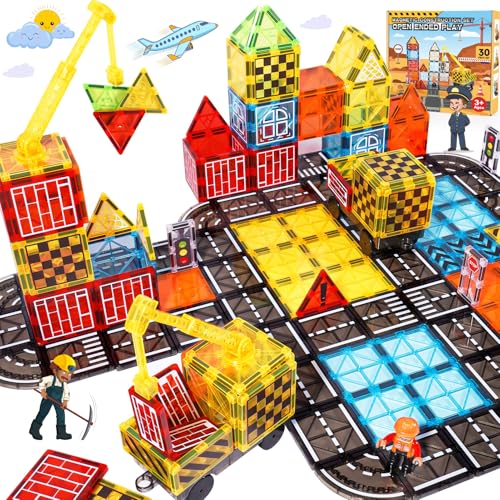
Flat, geometric tiles that snap together with embedded magnets let kids build three-dimensional shapes almost instantly, with no force or precision required to connect pieces. This makes magnetic building tiles especially popular with younger children and kids who get frustrated by fiddly connections. They also introduce early geometry concepts, since children see how flat shapes fold into solid forms.
Wooden Block Sets
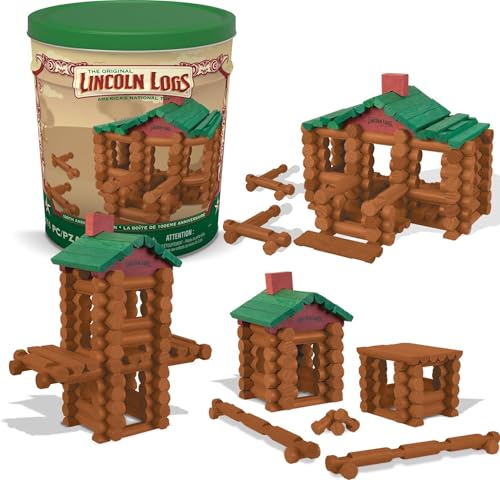
Simple, unpainted or lightly finished wooden blocks are the oldest form of building toy, and they remain popular for a reason. They rely on balance and gravity rather than snapping mechanisms, which makes them ideal for toddlers just learning to stack. Wooden sets also tend to be extremely durable and free of small connective parts that can break.
Engineering and STEM Construction Kits
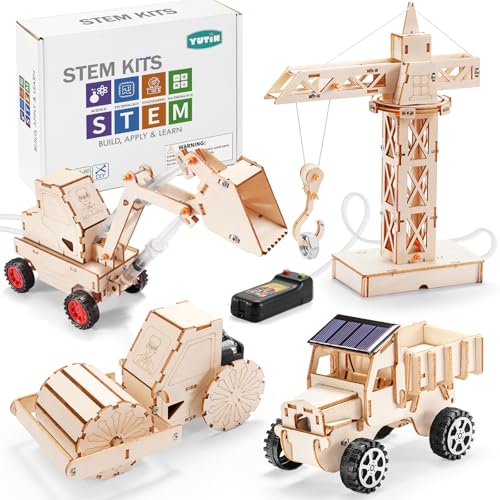
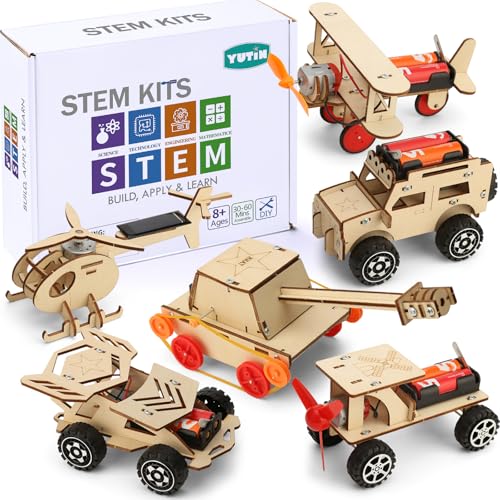
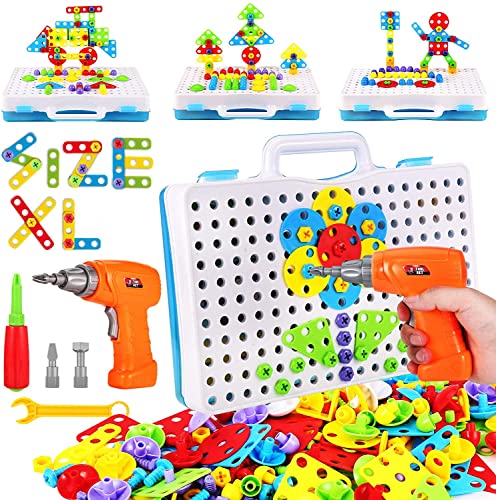
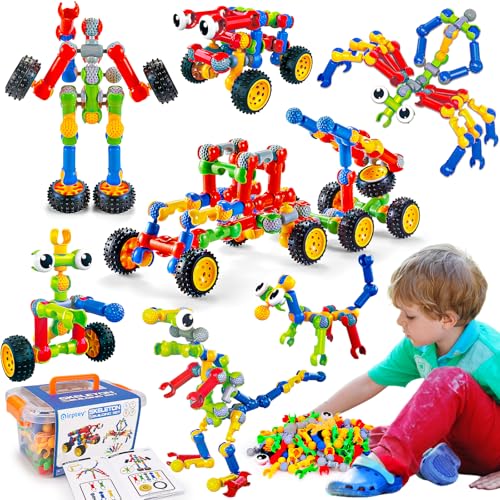
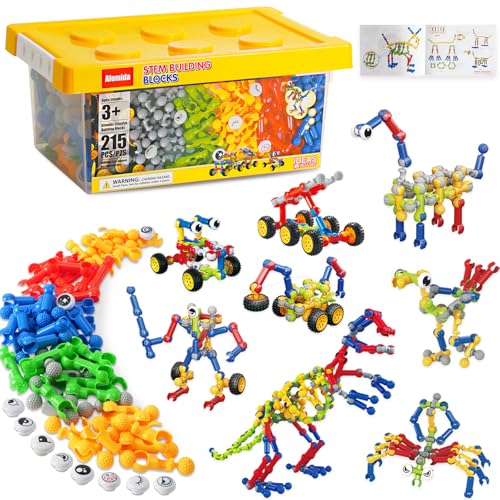
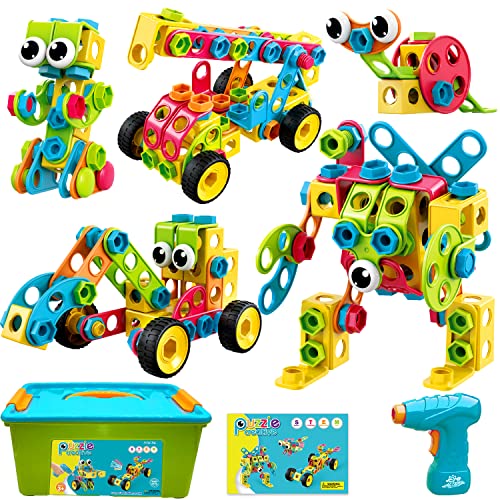
Kits built around gears, beams, wheels, or simple machines push older kids toward genuine engineering thinking. These sets usually include moving parts, so children see cause and effect: turning a crank spins a gear, which moves a wheel. They are generally best suited to school-age children who already have basic building experience.
Benefits of Building Toys for Child Development
Building play is not just a way to pass time before dinner. Stacking, snapping, and balancing pieces strengthens fine motor skills and hand-eye coordination, since small hands have to grip, twist, and place objects with real precision. Figuring out how a structure stays upright, or how two mismatched pieces might still connect, builds spatial reasoning that carries over into math and science later on.
There is also a strong case for building play supporting early STEM learning. Trial and error is built into every construction project: towers fall, plans need adjusting, and kids learn to try again rather than give up. Building alongside a sibling or friend adds a social layer too, since kids negotiate roles, share pieces, and solve problems together. None of this requires a screen or a scripted activity, which is part of why building toys remain a favorite recommendation among educators.
Common Mistakes to Avoid
A few avoidable missteps account for most of the "toy sat in the closet" complaints parents mention online. Keep these in mind before you buy.
- Choosing a set that is too advanced, which leads to frustration instead of fun, or too simple, which gets outgrown within weeks.
- Ignoring storage. Loose pieces scattered across the floor are a hazard and a headache; sets with a bin, bag, or organizer tend to get used more.
- Buying only themed, single-build kits instead of at least one open-ended set that supports repeat play.
- Overlooking compatibility with pieces your child already owns, which fragments the collection instead of growing it.
- Assuming a bigger piece count always means better value; a smaller set with well-designed pieces often gets more actual playtime.
- Skipping the safety label, especially for households with children of different ages who might share a play space.
Frequently Asked Questions
What age should a child start with building toys?
Most children can start with oversized soft blocks or chunky stacking pieces around one year old. Standard interlocking bricks and more detailed sets typically become appropriate between ages three and six, depending on the piece size and the specific child's development.
Are magnetic building tiles safe for toddlers?
Magnetic tiles designed for toddlers use large pieces with securely sealed magnets, which makes them safe for supervised play. Smaller magnetic sets marketed toward older kids are not appropriate for toddlers, since loose magnets can pose a serious swallowing risk.
What is the difference between building blocks and construction toys?
Building blocks usually refer to simple stacking pieces, like wooden cubes or basic bricks, that rely on balance or straightforward connections. Construction toys typically include more complex mechanisms, such as gears, wheels, or beams, aimed at slightly older children exploring engineering concepts.
Do building toys really help with STEM skills?
Yes. Building play naturally introduces early engineering, geometry, and problem-solving concepts long before a child sees a formal classroom lesson on the subject. The repeated cycle of planning, testing, and adjusting a structure mirrors the engineering process at a level young children can grasp.
Are wooden blocks better than plastic building toys?
Neither material is objectively better; they simply suit different goals. Wooden blocks tend to be more durable and better for very young children focused on balance and gravity, while plastic interlocking or magnetic pieces often support more detailed, elaborate builds for older kids.
How many pieces does a good starter set need?
There is no magic number, but a starter set with somewhere between 50 and 150 pieces usually gives a young child enough variety to build multiple things without becoming overwhelming to clean up or sort.
Can building toys be used for group or classroom play?
Many building toy types work well in group settings, since large sets can be divided among several children who then combine their builds. Open-ended sets in particular tend to encourage cooperative play, turn-taking, and shared problem-solving among a group.
Final Thoughts
Choosing well-made building toys for kids does not require guesswork once you know what to check. Focus on age-appropriate piece sizes, verified material safety, sturdy construction, and open-ended play value, and you will land on a set that earns its shelf space. Whether you lean toward interlocking bricks, magnetic tiles, wooden blocks, or an engineering-focused kit, the goal is the same: a toy that keeps getting pulled back out long after the wrapping paper is gone.


