
Best Hanging Tree Tent for Kids: A Complete Buying Guide
Disclosure: We may earn a commission when you buy through links on this page, at no extra cost to you. As an Amazon Associate I earn from qualifying purchases. Learn more
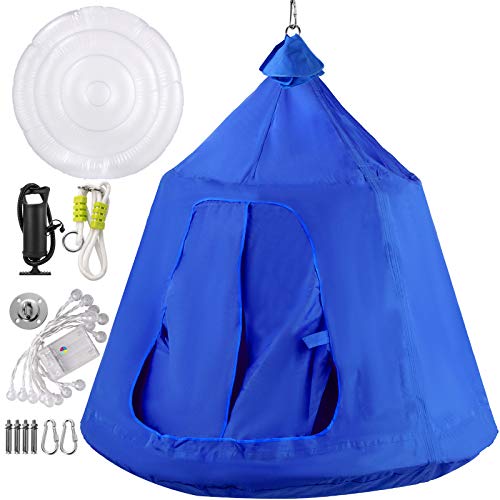
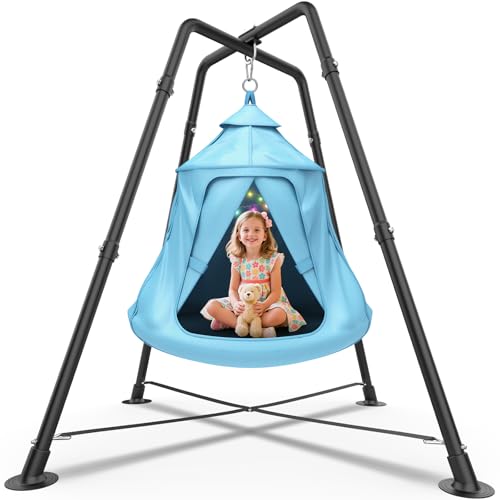
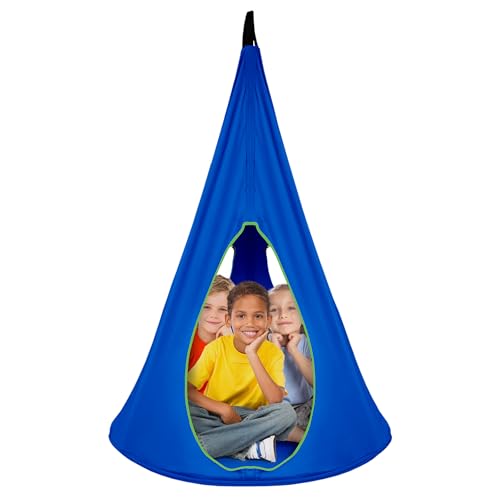
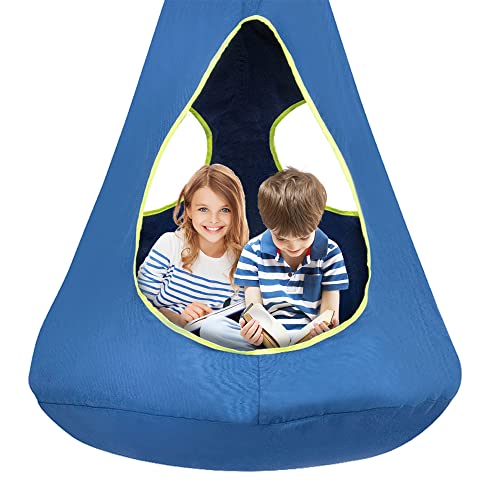
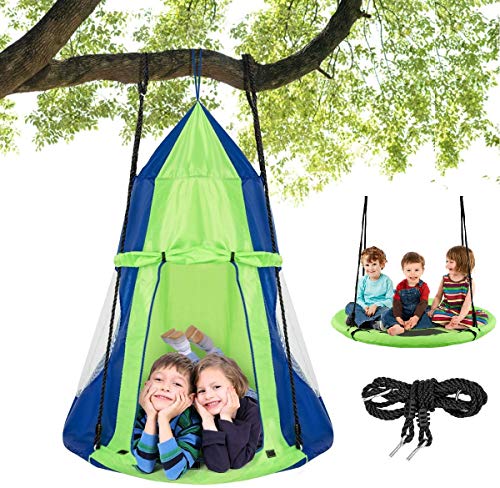
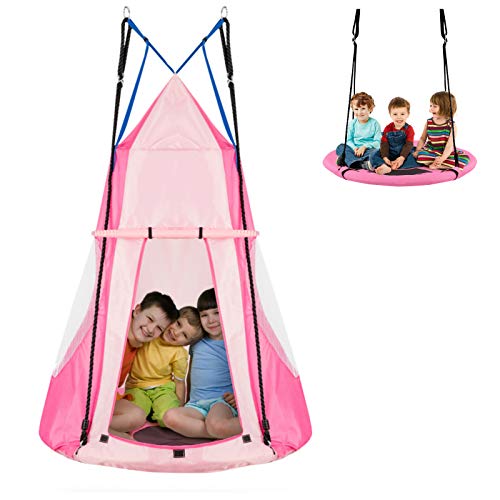
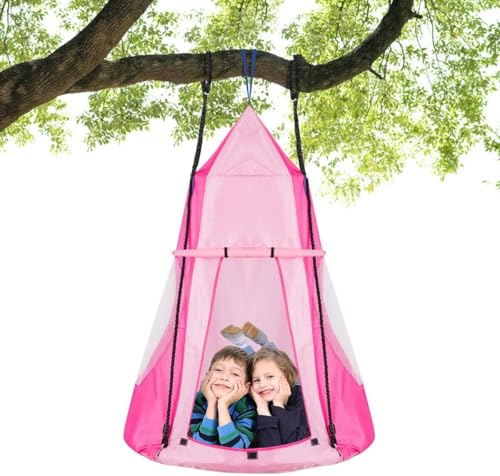
Picking the best hanging tree tent for kids comes down to a handful of details that a photo on a product page won't tell you: how much weight the suspension hardware actually rates for, how the straps attach to a tree without damaging it, and whether the whole setup can handle wind and rain once it's up. These pod-shaped tents hang from a rope, chain, or webbing strap and sway gently, giving a child a cozy pocket of their own for reading, quiet time, or sleepover games. Unlike a tent that sits on the ground, a hanging model puts mounting hardware and height off the ground at the center of the decision, not floor space or stakes. This guide walks through what genuinely matters before you buy one.
Weight Limits and Suspension Hardware That Actually Hold Up
Every hanging tree tent lists a maximum weight capacity, and that number is the first thing to check against how the tent will actually be used. A single child rarely comes close to the rated limit, but two or three kids playing together, plus a cushion and blanket, add up fast. Look for a stated capacity in the 300 to 450 pound range and treat the manufacturer's number as a ceiling, not a target to reach regularly.
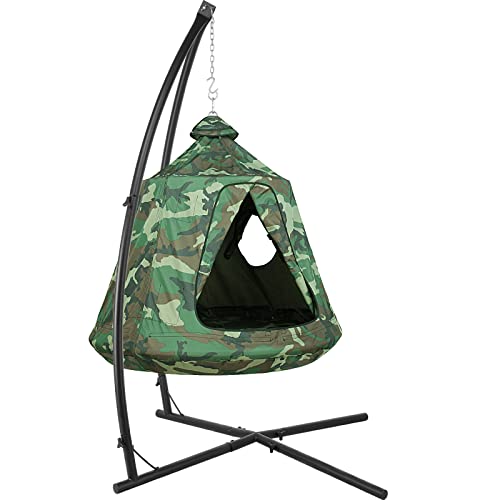
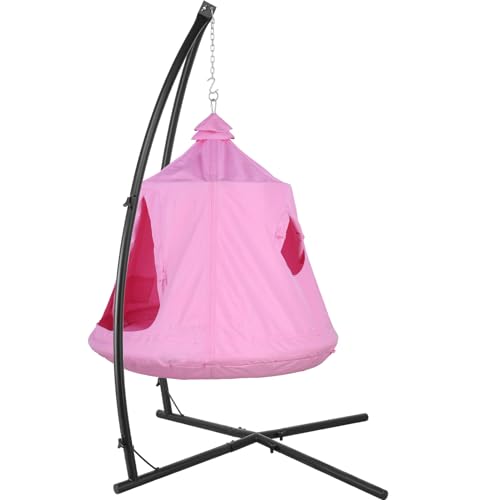
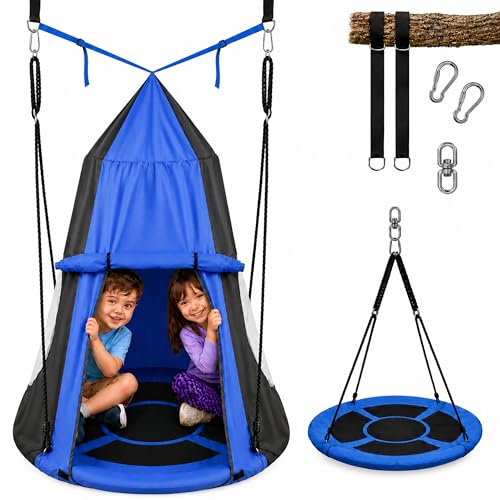
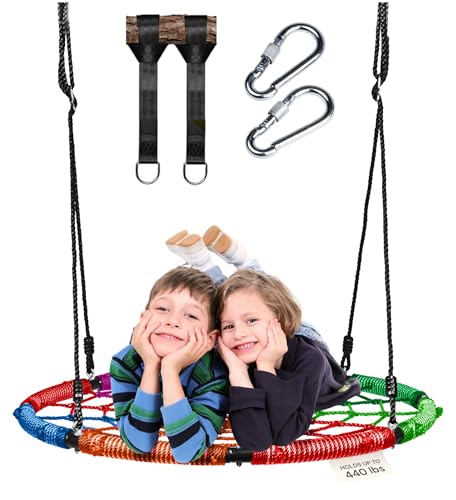
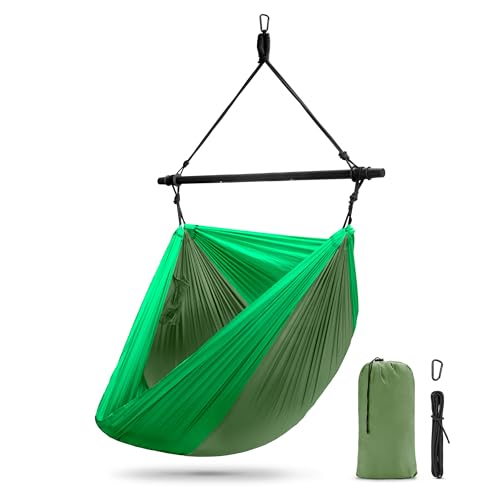
The straps matter just as much as the number on the box. Wide, flat webbing distributes pressure across a tree limb far better than thin rope or wire, which can cut into bark and stress the branch over time. Metal rings, swivels, and carabiners should be rated for suspension use, not decorative hardware borrowed from a general hardware aisle. That distinction is often what separates a genuinely best hanging tree tent for kids pick from a bargain pod that looks similar in photos, and it's the same rule that applies if you're comparing it against a similar hanging option like a pod-style swing seat.
Keeping Kids Safe While They're Off the Ground
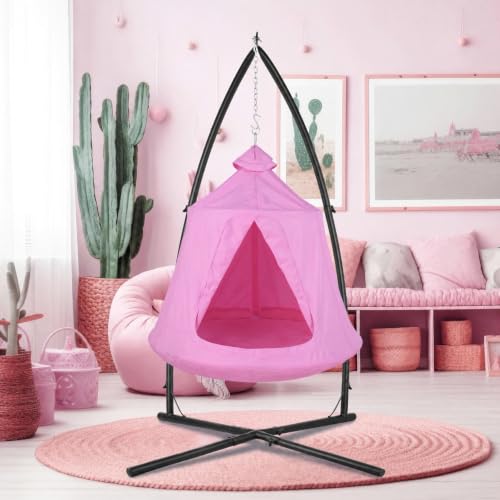
A hanging tent should stay low enough that a fall isn't a real hazard, and most family-friendly models are designed to sit close to the ground rather than several feet up. Keep the resting height modest, ideally low enough that a child's feet nearly touch the ground when the tent is still, and always supervise younger kids while they climb in and out.
Mount the tent to a living limb that's thick and healthy, not a dead branch or a young sapling that can't bear repeated weight shifts. Double-check that carabiners lock and that straps aren't twisted or frayed before every use, especially after the tent has been left outside through a stretch of wind or rain. Padded rims and covered base rings also help, since they keep hard edges away from small hands and knees during rougher play.
Sizing It for One Child or a Sibling Pair
Single-occupant tents tend to run around three to four feet across, enough for a child to sit up, stretch out, or lie back with a pillow. If two kids will regularly share it, look for a wider base and taller dome so both can sit without constantly bumping heads. Cramped headroom is one of the most common complaints in reviews, so it's worth checking the listed interior height rather than just the diameter.
Think about how long the tent needs to fit its intended user. A model sized for a five-year-old may feel tight within a couple of years, while one built with a slightly larger frame gives more room to grow into. Families comparing options against a standard kids play tent on the ground should keep in mind that hanging models trade floor space for a more enclosed, cocoon-like feel, which some kids love and others find too snug.
Getting It Hung Without Losing a Whole Afternoon
Setup difficulty varies a lot between models. Some use a single adjustable strap that loops over a branch and locks with a ratchet or cam buckle, which one adult can manage alone in a few minutes. Others require threading multiple straps, inflating a base cushion, and fine-tuning the hang height, which usually goes faster with a second set of hands.
Check whether the base is an inflatable cushion or a fixed foam pad. Inflatable versions pack down smaller for storage but need to be reinflated each season, while foam bases are ready to go but bulkier to store over winter. Either way, plan on taking the tent down before serious storms and stowing it somewhere dry, since prolonged sun and moisture exposure wear out both the fabric and the straps faster than normal use.
Backyard Play Pod or Overnight Camping Gear
Most hanging tree tents are built for daytime lounging, reading nooks, and short evening hangouts rather than unattended overnight sleeping outdoors. The fabric shell and any included rain cover handle a passing shower fine, but they aren't a substitute for a fully weatherproof camping tent if the plan is an actual night outside. Treat it as a supervised play space first and a novelty sleep spot only for short, closely watched stretches.
Where it really shines is everyday backyard use: a spot to disappear into with a book, a quiet corner during a sleepover, or a novel alternative to a regular swing. Setting expectations around that purpose from the start avoids disappointment if a family was hoping for something closer to true camping gear.
Frequently Asked Questions
How much weight can a kids hanging tree tent hold?
Most models rated for children hold between 300 and 450 pounds combined, enough for two or three kids at once. Always check the manufacturer's specific rating rather than assuming based on similar products.
What height should it hang above the ground?
Keep it low, close enough that a seated child's feet are near the ground when still. This limits fall risk and makes it easier for kids to climb in and out on their own.
Can a hanging tree tent stay outside year-round?
It's better to take it down during storms, heavy snow, or extended periods of disuse. Constant sun and moisture exposure shorten the life of both the fabric and the suspension straps.
Does it work on any tree?
It needs a thick, living, healthy limb that can bear repeated weight shifts without bending or cracking. Avoid dead branches, young saplings, or anything that flexes noticeably under light pressure.
How many kids can fit inside at once?
Single-child models comfortably fit one, while wider designs are made for two kids sitting side by side. Check the interior diameter and height, not just the weight rating, before assuming it fits more than one.
Is a hanging tree tent safe for toddlers?
Most are designed for children around three years and up who can climb in and settle without help. Toddlers should always be supervised closely, since balance and grip strength are still developing at that age.
Does it keep out bugs and light rain?
Many models include a mesh panel or zippered flap for airflow and bug protection, plus a basic rain cover for brief showers. Neither is designed to handle sustained heavy rain the way a full camping tent would.
Making the Call for Your Family's Backyard
The best hanging tree tent for kids comes down to a suspension system you trust, a size that fits how many kids will use it, and realistic expectations about what it's for. Weigh the weight rating and strap quality as heavily as the look of the fabric, since those details determine how safely it holds up over years of use. Once those basics check out, the rest is really about picking a style your kids will want to climb into.