Best Car Key Shells: A Buying Guide for Replacing a Cracked Fob Case
Disclosure: We may earn a commission when you buy through links on this page, at no extra cost to you. As an Amazon Associate I earn from qualifying purchases. Learn more
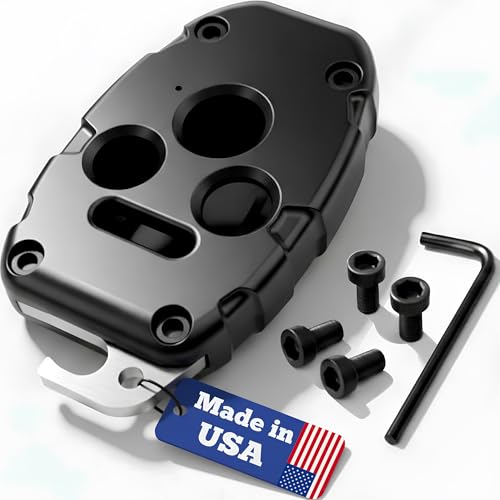
If the plastic case around your car remote has finally cracked, chipped, or come apart at the seams, you do not need to replace the whole key fob. The best car key shells let you keep your original circuit board, chip, and battery while giving the housing itself a fresh start. This guide walks through what actually matters when shopping for a replacement shell, from matching your exact button layout to confirming the blade or insert type your vehicle uses. You will also learn how to move your electronics over safely, what a fair price range looks like, and which mistakes tend to turn an easy fix into a return-and-reorder headache.

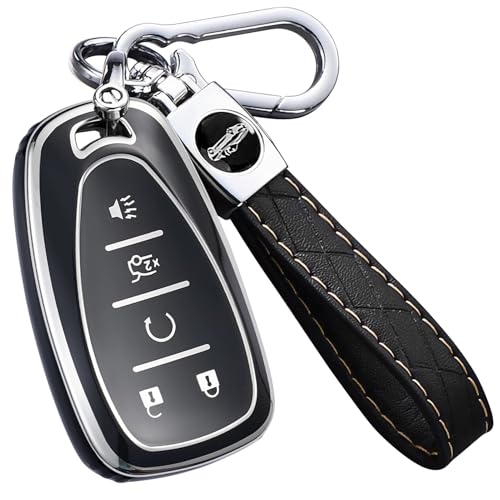
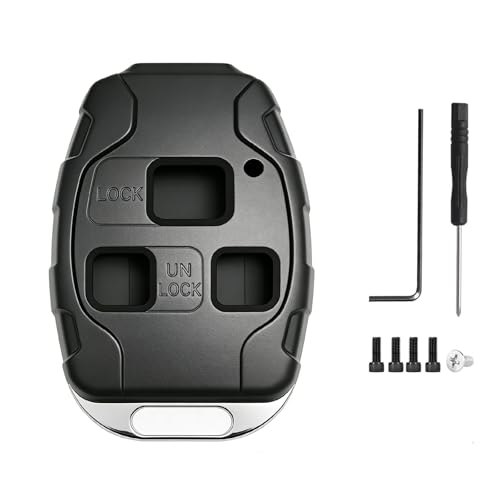
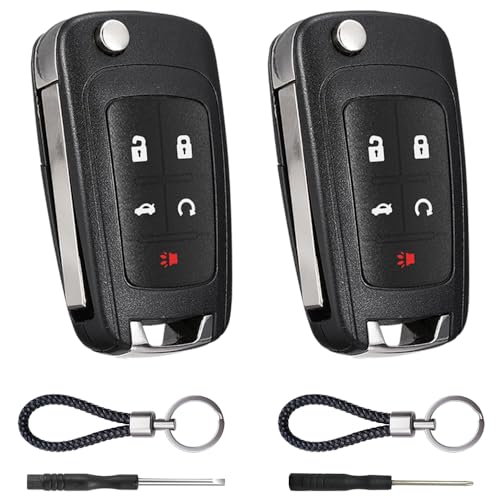

Matching Button Layout, Blade Type, and Material to Your Fob
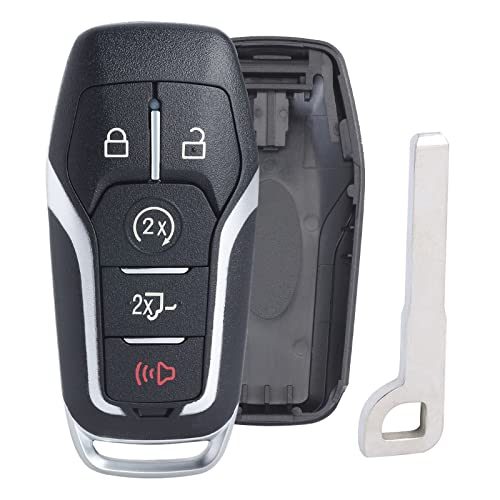
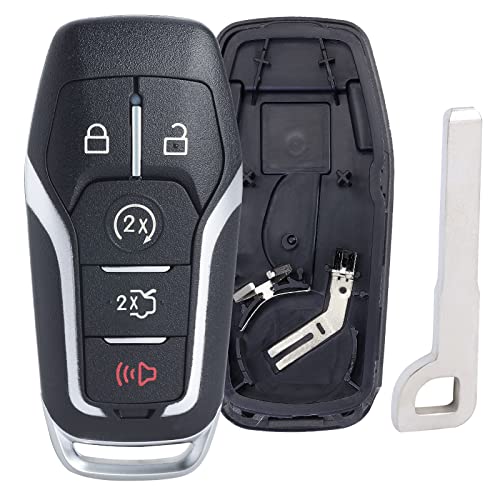
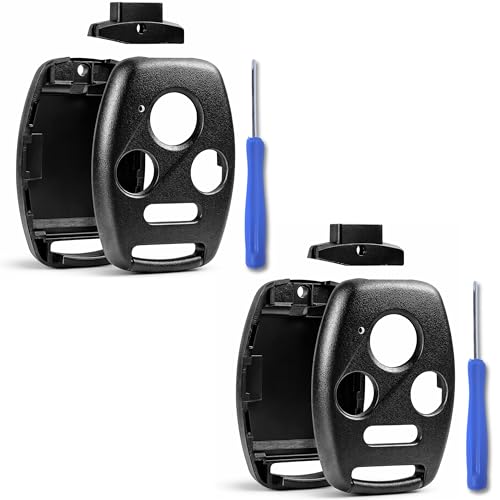
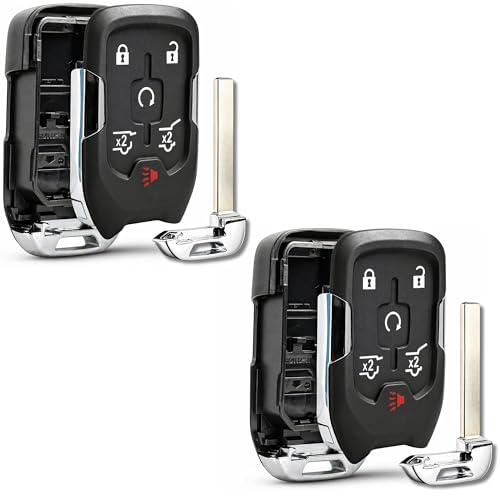
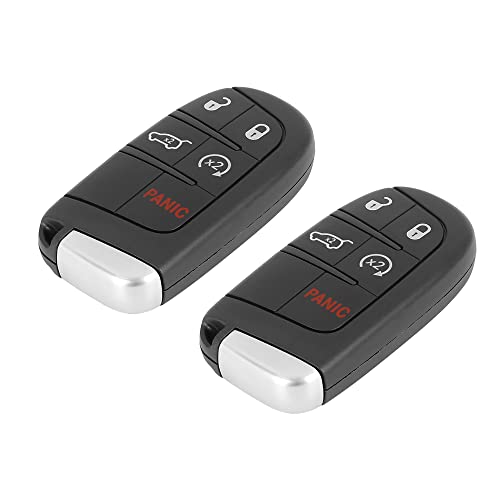
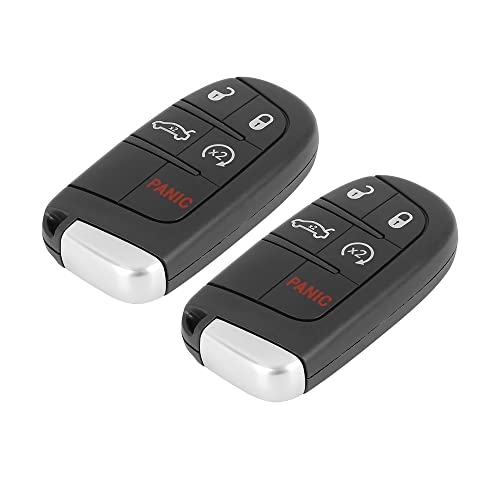
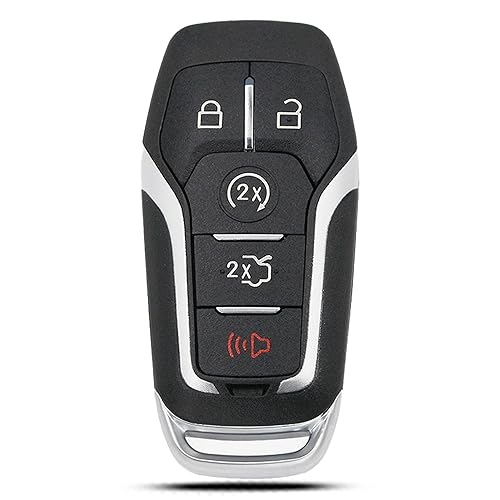
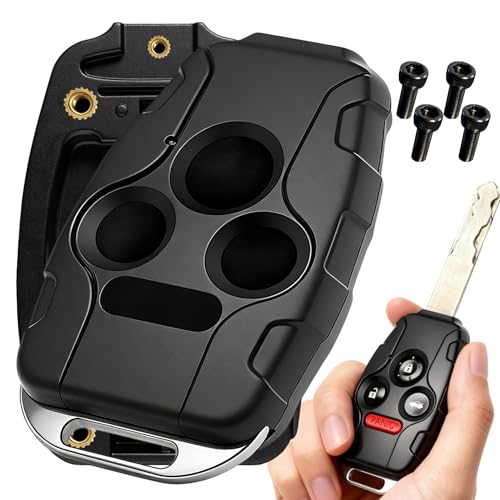
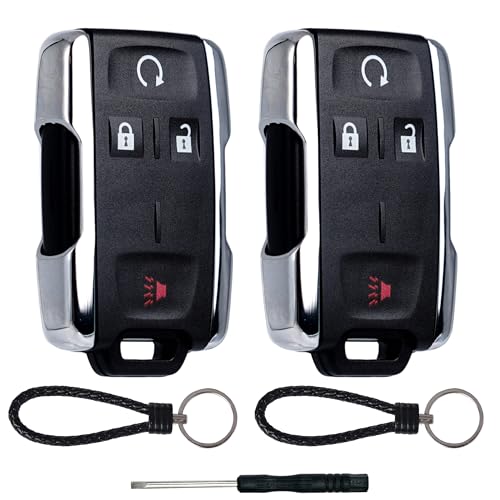
Every key fob shell is molded around one specific button arrangement, so the single most important step is counting your buttons and noting their order before you shop. A three-button shell with lock, unlock, and trunk release will not work for a fob that also has remote start or a panic button, even if the outer shape looks similar. Take a close look at your current shell, or the fob itself if it is still holding together, and match the layout exactly.
Next, check whether your key uses a fixed blade, a flip-out blade, or no blade at all if your car relies on a separate insert key. Shells are built around one of these formats, and swapping between them usually is not possible without buying a different part entirely. If your original shell has a metal blade attached, you will typically need a blank cut to match, which a hardware store or locksmith can usually handle quickly.
Material matters more than people expect. Basic plastic shells are lightweight and affordable, but thicker, textured housings tend to resist cracking better if you drop your keys often or carry them loose in a bag. A slightly heavier shell with reinforced button caps will usually outlast a thin, glossy one, even though the two can look nearly identical in photos.
Confirming the Shell Fits Your Exact Key Fob Model
Because so many key fobs share a similar silhouette, it is easy to order a shell that looks right in a listing photo but does not actually fit your circuit board. Before buying, measure your current shell's length and width, and compare those numbers against the dimensions listed for the replacement. A difference of even a few millimeters can mean the battery clip or button contacts do not line up once you try to close the case.
If you know your vehicle's make, model, and approximate age, use that information to narrow down your options rather than relying on appearance alone. Many fobs that look nearly identical across a few model years actually have different internal layouts. When a listing lets you search or filter by vehicle, take the extra minute to do it. A shell that fits close but not exactly can still snap shut, yet loose button contact or a poorly seated battery is a common source of a fob that only works some of the time after the swap.
Moving Your Electronics Into the New Shell Without Damage
Once you have the right shell, the actual swap is mostly a matter of patience rather than skill. Start by removing the battery from your old fob, then use a small flathead screwdriver or a plastic pry tool to gently separate the case along its seam. Avoid metal tools with sharp edges near the circuit board, since a slipped screwdriver can crack a solder point or snap off a button contact.
Before you move anything, take a photo of the circuit board's orientation inside the old shell. It needs to sit in the new shell exactly the same way, with buttons facing the same direction, for the fob to work correctly afterward. Lift the board out carefully, holding it by the edges, and set it into the new shell in that same position. Snap the case together, reinsert the battery, and test every button before you consider the job finished. Because you are reusing the original chip and remote module, there is normally no reprogramming step involved. Your car already recognizes the electronics inside; only the housing around them has changed.
Shell-Only Replacement vs. a Full New Fob: What Changes in Cost
A shell-only replacement is almost always the cheaper route, since you are paying for a molded plastic case and sometimes a blank blade, rather than a working transponder chip and remote module. A full replacement fob, by contrast, includes all of the electronics and usually needs to be cut and programmed to your vehicle, which adds both cost and time.
If your current fob still locks, unlocks, and starts your car reliably and the only problem is a cracked or loose case, a shell swap is the more practical value. It solves the actual problem, physical damage, without paying again for electronics that already work. A full fob replacement only makes sense once the buttons stop responding, the remote no longer transmits, or the chip itself has failed. When comparing listings for the best car key shells, prioritize sellers who clearly state button count, blade type, and vehicle compatibility over ones that only show a generic photo, since that detail tells you far more than the price alone.
Mistakes That Turn a Simple Shell Swap Into a Bigger Problem
The most common mistake is ordering by vehicle name alone without checking the button layout against your actual fob. Two trims of the same model, or the same model across different years, can use different button counts, so a listing that mentions your car but shows the wrong number of buttons is worth skipping.
Another frequent issue is forcing a shell closed when the fit is slightly off. If the case does not snap together cleanly on the first try, stop and double check the orientation of the circuit board rather than pressing harder, since that is often what cracks a brand new shell on its first day of use.
Shoppers also sometimes assume a shell swap requires reprogramming and either skip the purchase or pay for services they do not need. Because the original circuit board, chip, and remote transmitter move over untouched, a shell-only swap does not reset or require re-pairing with your car. If a seller insists otherwise for a basic shell replacement, that is a sign to look elsewhere.
Frequently Asked Questions
Do I need to reprogram my key after replacing just the shell?
No, as long as you are only replacing the outer case and moving the original circuit board, chip, and battery into it, there is no code or pairing to reset. Reprogramming only becomes necessary when you replace the internal electronics themselves, such as with a full new fob.
How do I find the right button layout for my fob?
Compare your current shell's buttons, both count and order, against the replacement listing before buying, and check that the shape and spacing of each button match rather than just the general size of the case. If your original shell is too damaged to read clearly, your vehicle's owner information usually lists the remote functions built into the factory key.
Can I repair a cracked shell instead of replacing it?
Small cracks can sometimes be closed temporarily with a strong adhesive, but plastic that has already flexed or split rarely holds up to regular pocket or bag use. A full shell replacement is usually more reliable long term, and it often costs about the same as a proper repair kit.
What tools do I need to swap a key fob shell?
Most swaps only require a small flathead screwdriver or a plastic pry tool to separate the case, plus tweezers if you want extra control over the battery and any loose contacts. You generally do not need any specialized equipment.
Will a new shell affect my remote's range or signal?
A properly fitted shell should not reduce your remote's range, since the antenna and transmitter are part of the circuit board you are transferring over, not the plastic housing around it. Range issues after a swap are almost always caused by a battery that needs replacing or contacts that did not seat correctly.
Does a replacement shell come with a cuttable key blade?
Some shells include an uncut blank blade, while others are designed for fobs that use a separate physical key. Check the listing carefully, and if a blade is included, plan on having it cut by a locksmith or hardware store to match your vehicle's ignition and doors.
Why does my fob work sometimes after I install the new shell?
Intermittent function almost always points to a circuit board that shifted slightly out of position or a battery that is not seated firmly against its contacts. Open the shell again, confirm the board sits exactly as it did in the original case, and reseat the battery before testing each button.
Getting Your Key Fob Back to Full Working Order
A cracked or worn-out case does not mean your key fob is finished, and in most cases the electronics inside are still perfectly fine. Choosing among the best car key shells comes down to matching your exact fob, not chasing the lowest price. Take the time to confirm your button layout and blade type first, and the swap itself will likely take less time than shopping for the part did.