
Best Indoor AeroGarden: A Complete Buying Guide
Disclosure: We may earn a commission when you buy through links on this page, at no extra cost to you. As an Amazon Associate I earn from qualifying purchases. Learn more
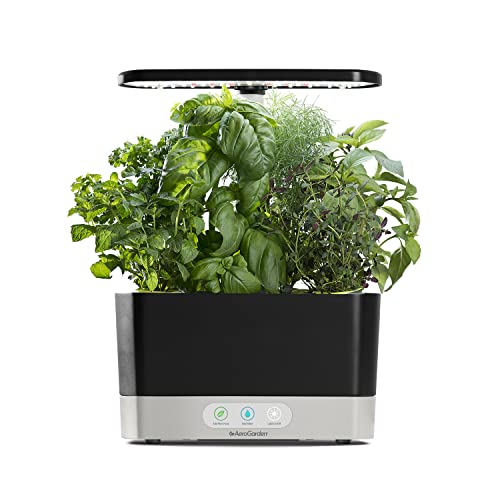
Fresh basil that doesn't wilt by Thursday, lettuce you can cut a handful from instead of buying a whole clamshell, a countertop that actually grows something instead of collecting mail. That's the pitch behind an indoor hydroponic garden, and AeroGarden is the name most people picture first since it's become almost shorthand for the whole category of countertop pod-based growing systems. Before buying one, though, it helps to know what these systems are genuinely good at, where owners run into trouble, and what the real ongoing cost looks like once the initial excitement wears off. This guide walks through how the technology works, how to size one to your kitchen habits, and the maintenance realities that don't always make it into the marketing copy.
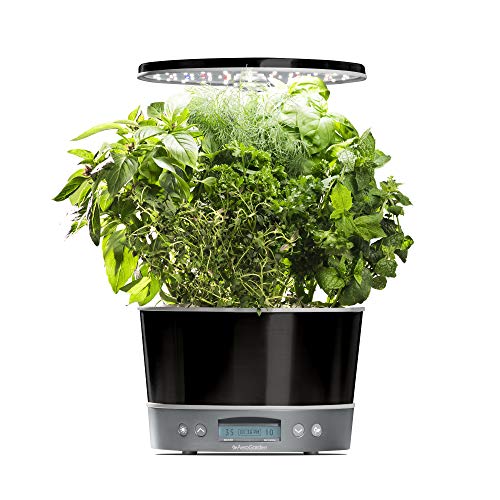
How Indoor Hydroponic Gardens Actually Work
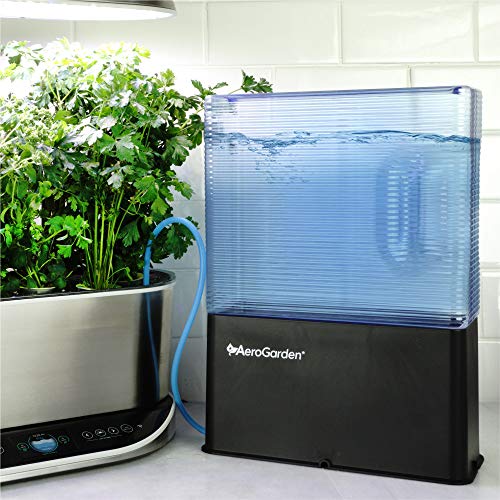
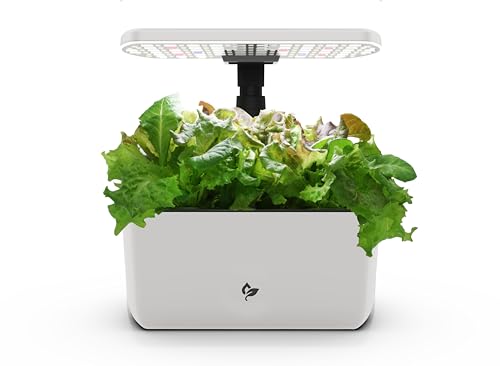
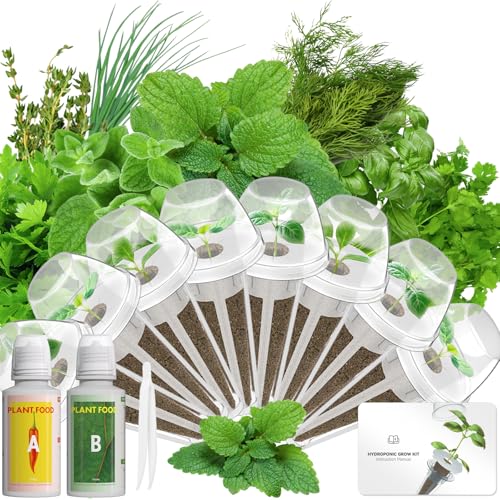
Every countertop hydroponic system runs on the same basic principle. A water reservoir sits at the base, seed pods or grow sponges sit in slots above it, and plant roots grow directly down into nutrient-enriched water instead of soil. A small submersible pump keeps that water circulating and oxygenated, since roots sitting in stagnant water will suffocate and rot. Above the pods, an LED light stands in for the sun, running on a timer for roughly 14 to 16 hours a day to trigger normal photosynthesis. There's no dirt to spill, no watering can, and no guessing whether a plant is getting enough light, which is exactly why this category appeals to people who've killed a windowsill herb pot more than once. The tradeoff is that everything the plant needs, water, nutrients, and light, comes entirely from the machine, so when one of those systems slips, the plant shows it fast. Most kits also start plants from a pre-seeded pod rather than a bare seed, which shortens the germination guesswork considerably. The pod's sponge material holds moisture around the seed until it sprouts, then the roots push down through a small opening into the reservoir below, at which point growth speeds up noticeably since the plant has direct, constant access to water and nutrients instead of whatever moisture happens to be left in a pot of soil.
Picking the Right Pod Capacity for How You Actually Cook
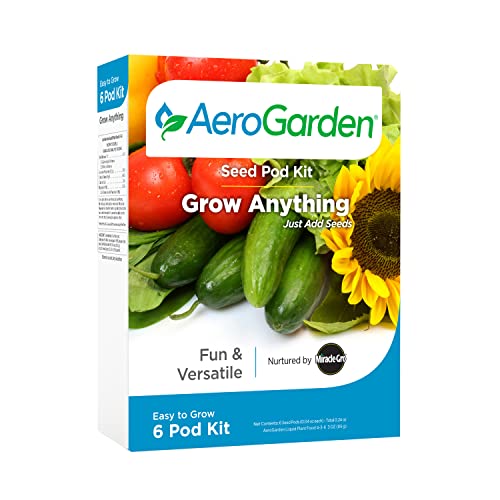
Pod count is the number one decision, and it's easy to overbuy. A 3 to 6-pod countertop unit covers a household that just wants a rotating supply of basil, mint, and cilantro for cooking, and it's the easiest size to keep fed with nutrients and free of algae since there's less reservoir to manage. Stepping up to 6 to 9 pods gives room to mix herbs with compact salad greens or a couple of pepper plants, which is where most households actually land once they've used a smaller unit for a season. Larger 12 to 24-pod systems start to resemble a small indoor farm, and they're genuinely useful for people who cook from scratch constantly or want a serious year-round harvest, but they also demand more counter or floor space, a bigger reservoir to sanitize, and a steadier commitment to refilling nutrients on schedule. If you're not sure a fully hydroponic setup is worth the commitment yet, it's worth comparing against soil-based indoor herb gardens, which trade some of the convenience for a lower learning curve and no reservoir to maintain at all. It also helps to think in terms of harvest speed rather than just pod count. A 6-pod unit growing only herbs will keep up with normal cooking demand indefinitely, since herbs regrow after trimming, but the same unit growing lettuce or other one-and-done greens gets harvested out much faster and needs replanting more often than most first-time buyers expect.
The Ongoing Cost: Pods, Electricity, and Replacement Parts
The sticker price on the unit itself is only part of the budget. Proprietary seed pod refills carry a real markup, and it's a common enough complaint online that a small workaround culture has formed around it: saving the plastic pod baskets from the original kit and refilling them with bulk grow sponges and separately purchased seeds instead of buying pre-packaged replacement pods every time. That approach cuts cost but adds effort, so it's worth deciding upfront whether you want the convenience of official refills or the savings of doing it yourself. Electricity is the smaller line item by far. A typical countertop system with its LED light and small pump running most of the day adds somewhere in the range of eight to fifteen dollars a month to a power bill, depending on local electricity rates and how many hours the light runs. The LED itself is also part of what you're paying for in the first place, and the same brightness-and-wavelength tradeoffs that matter here apply to standalone LED grow lights if you ever expand into growing plants outside a dedicated pod system. Liquid nutrients are a recurring but modest cost too, typically added every couple of weeks. Replacement parts are the least talked-about cost, but they add up over a few years of use: pumps wear out, light hoods can crack, and app-connected models introduce another part that can fail outright rather than just wear down gradually. Factoring a rough annual budget for pods, nutrients, and the occasional replacement part into the purchase decision gives a far more honest picture than the sticker price on the box alone.
Reservoir Care: Algae, Smell, and Pump Noise
The water reservoir is where most day-to-day frustration shows up, and almost all of it is preventable. Algae grows when light reaches the water, which happens most often when a unit sits near a sunny window or when pod slots are left open and uncovered instead of capped. Keeping the system away from direct sunlight and using the grow domes or spacers that come with most kits solves this before it starts. A full rinse and refill roughly every four weeks helps prevent mineral buildup and keeps the water from developing an off smell, and sanitizing the reservoir between plantings clears out any algae or bacteria that built up during the previous growing cycle. Pump noise is usually a maintenance signal rather than a design flaw. A properly running pump sounds about like a basic aquarium filter, a quiet background hum, and if it gets noticeably louder, that almost always means the air stone is clogged or debris has worked into the pump's intake. A monthly wipe-down with a soft brush during the reservoir refill usually fixes it. Anyone deciding between a hydroponic setup and traditional potted plants might also compare notes with a pH meter for hydroponics, since water chemistry is one of the few things a fully automated system doesn't manage for you.
Where These Systems Actually Perform Best in a Home
Because the LED supplies all the light a plant needs, these units don't need a window at all, and placing one in direct sun tends to cause more harm than good by warming the reservoir and feeding algae growth. A kitchen counter away from direct light, a dining nook, or even a windowless corner near an outlet all work fine, since the light timer does the job sunlight normally would. The bigger practical constraint is vertical clearance. The light arm needs room to rise as plants grow taller, especially for fruiting plants like tomatoes or peppers, so a spot tucked under a low cabinet can start to feel cramped by week six or seven even if it looked fine on day one. Humidity and heat matter too. A spot right next to a stove or oven exposes the reservoir and pods to temperature swings and grease-laden air that a countertop several feet away avoids entirely, and a kitchen with generally high humidity from cooking or dishwashing can slightly speed up algae growth compared to a drier dining room or office nook. If counter space is tight, some households keep the hydroponic unit for herbs and greens specifically and rely on a separate automatic watering system for their other houseplants rather than trying to consolidate everything into one growing setup.
Questions to Settle Before You Buy
How long before I see results? Most herbs sprout within a week to ten days and reach usable size within three to four weeks, while fruiting plants like tomatoes or peppers can take eight to twelve weeks before flowering and setting fruit. Do I need any gardening experience? No. The system handles watering, nutrient circulation, and light automatically, so the main skill required is remembering to refill the reservoir and add nutrients on schedule. Will plants always turn out well? Not automatically. Results vary based on pod placement, how crowded the growing area gets, and how consistently nutrients get added, and a common fix for weak growth is thinning out crowded pods rather than letting every slot compete for the same light and water. Is it realistic for someone who travels often? Reservoirs typically hold enough water and nutrients to run unattended for a week to ten days depending on plant size, which covers most short trips without extra setup. Weigh that against how often you're actually home to tend a windowsill pot, and the honest answer for most people is that the convenience is real, as long as expectations about cost and upkeep stay realistic from the start.