
Best Indoor Herb Gardens: What to Look for Before You Buy
Disclosure: We may earn a commission when you buy through links on this page, at no extra cost to you. As an Amazon Associate I earn from qualifying purchases. Learn more
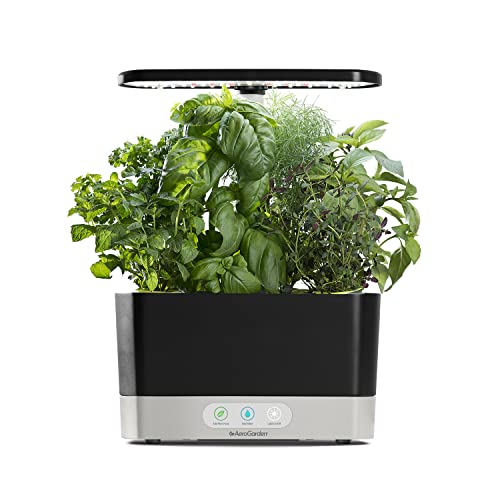
Fresh basil or mint on the kitchen counter sounds simple, until you start comparing units and realize every option promises something different: grow light hours, pod counts, self-watering reservoirs, app alerts. The best indoor herb gardens solve one problem above all others, keeping small plants alive and productive without direct sunlight, a green thumb, or constant fussing. Some rely on hydroponic pods and a built-in light. Others are simple soil trays parked near a sunny window. Neither approach is universally better; the right pick depends on how much hands-on care you want to give, which herbs you actually cook with, and how much counter space you can spare. This guide walks through the decisions that matter before you buy, not the ones printed on the box.
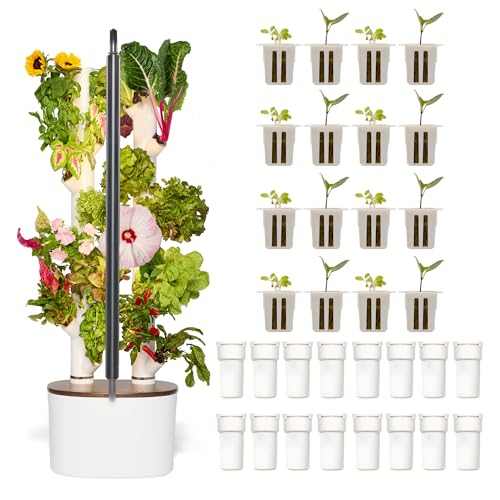
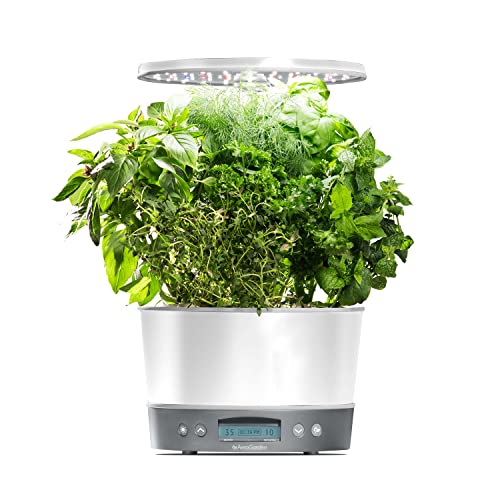
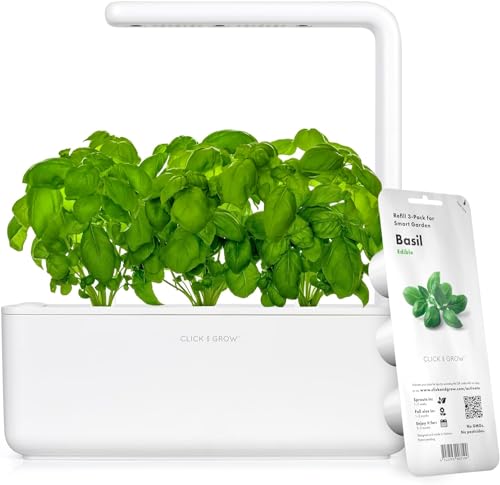
Hydroponic Pods or Soil Trays: Choosing Your Growing Method
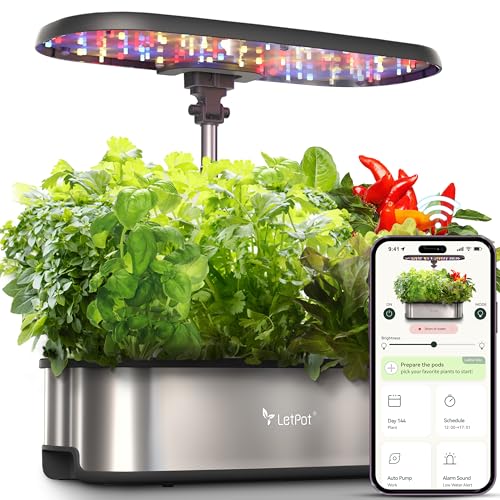
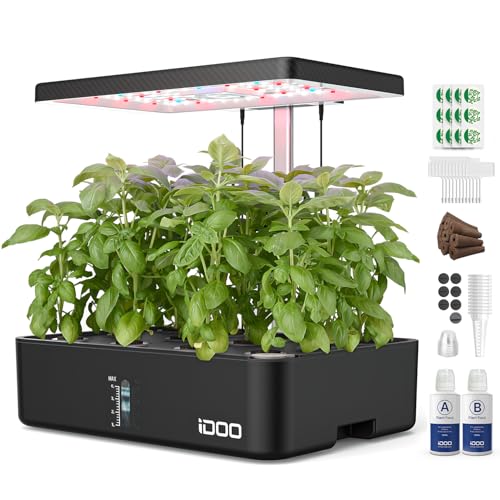
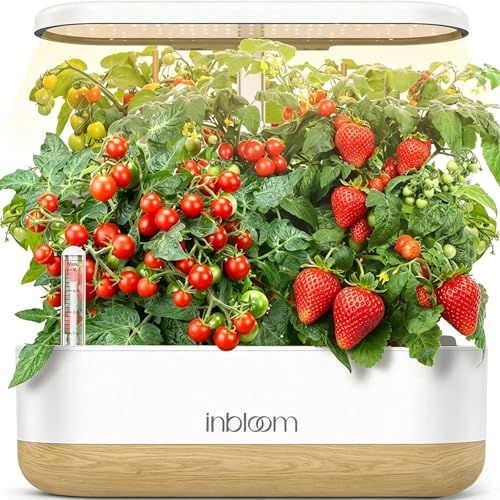
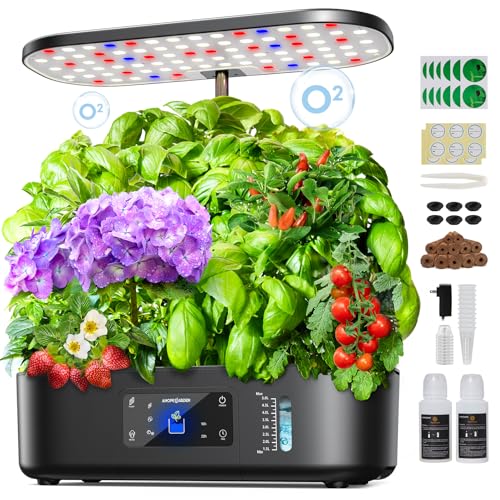
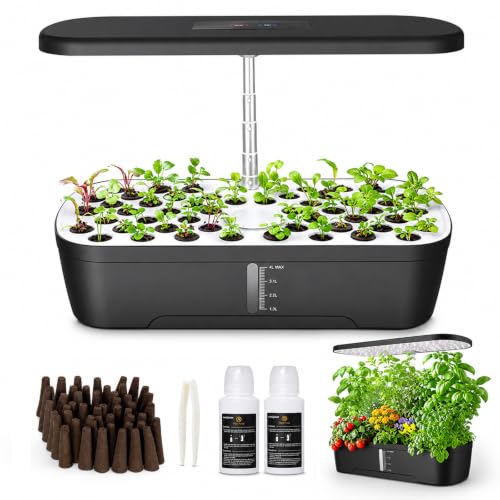
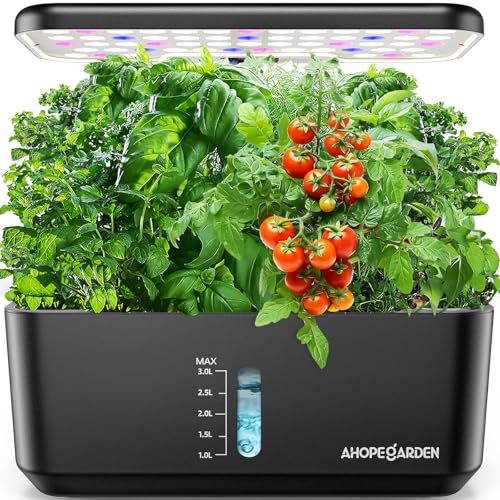
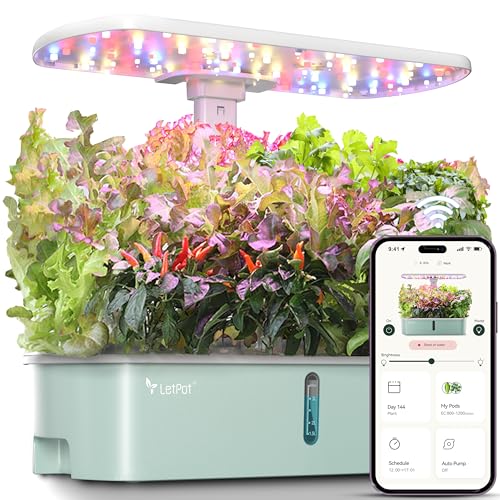
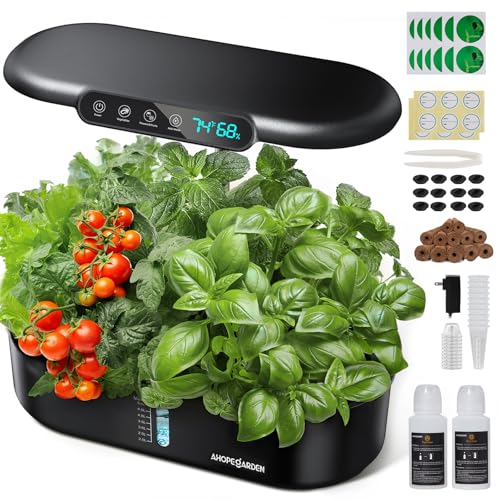
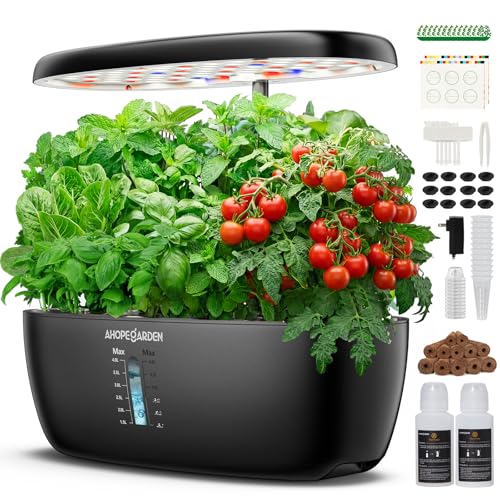
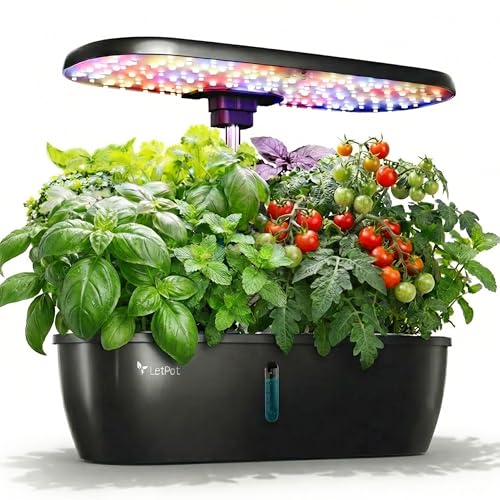
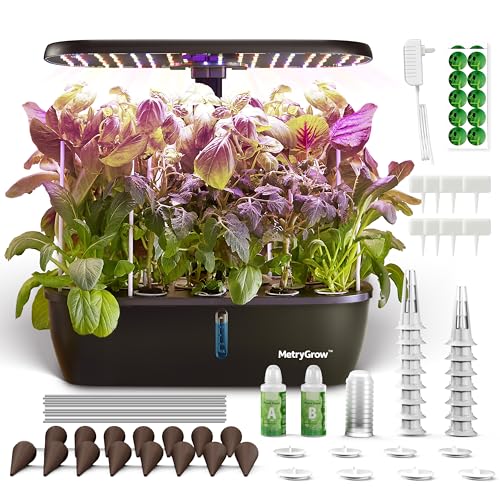
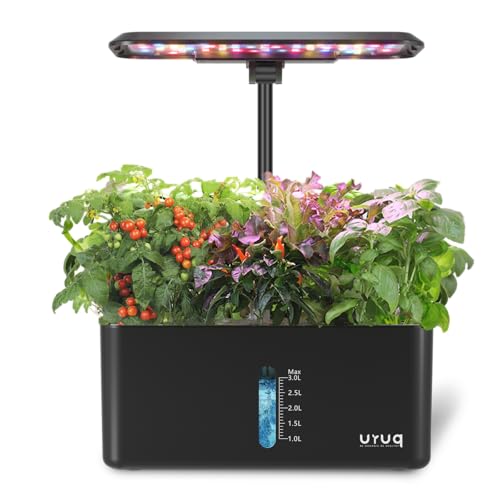
Hydroponic kits suspend herbs in water mixed with liquid nutrients, using foam pods or a mesh basket instead of dirt. There's no spilled soil, no fungus gnats, and the plant pulls water on its own schedule, which removes overwatering, the most common reason indoor herbs die in the first place. The tradeoff is that you're tied to that system's pods, nutrient refills, and occasional pump cleaning.
Soil-Based Setups
Soil trays are more forgiving and more familiar. You can swap in seedlings from a nursery, repot into something bigger, or move plants around without worrying about a reservoir or pump. Growth tends to be slower than hydroponic setups, and soil can attract gnats if you overwater, but mistakes here are easier to recover from than a fouled nutrient tank.
If you've never kept a houseplant alive past a month, a self-contained hydroponic kit with automatic watering reminders removes more guesswork. If you already garden outdoors and want flexibility, soil pots under a grow light give you room to experiment.
Grow Light Coverage and Timer Settings Worth Checking
Most indoor spots, even bright ones, don't deliver the six to eight hours of strong light herbs need every day. That's why nearly every countertop system built for indoor growing includes an LED strip rather than relying on a windowsill alone. What varies is coverage and control.
Spectrum and Positioning
Look for lights described as full-spectrum, meaning they cover both the blue wavelengths that drive leafy growth and the red wavelengths that support flowering herbs like basil once it starts to bud. A light mounted too high or angled away from the plants leaves outer pods stretching and leggy.
Timers
A built-in timer matters more than raw brightness. Herbs generally do best with 12 to 16 hours of light followed by real darkness; a system that runs on a fixed schedule saves you from remembering to flip a switch twice a day, and it keeps the plants on a consistent cycle even when your own routine isn't.
Herbs That Actually Thrive Indoors
Not every herb performs the same way under artificial light and limited space. Basil, mint, cilantro, parsley, and chives tend to be reliable indoor growers; they're fast, forgiving of imperfect light, and productive enough that you'll actually use what you grow. Thyme and oregano do reasonably well too, though they grow more slowly and prefer slightly drier conditions than a constantly moist hydroponic pod provides.
Rosemary, lavender, and other woody Mediterranean herbs are the ones that struggle. They evolved for intense outdoor sun and airflow that most indoor systems can't replicate, and they're prone to root rot in setups that keep the growing medium consistently damp. If those are herbs you want, a soil pot with drier watering habits usually works better than a hydroponic pod built for leafy greens.
Keeping the System Running: Water, Nutrients, and Pruning
Every indoor herb garden needs upkeep, just less of it than an outdoor bed. Hydroponic reservoirs typically need topping off every one to two weeks and a nutrient dose on the same schedule; most kits include a simple measuring cap so you're not guessing. Soil pots need checking more often since they dry out faster, especially near a heating vent or sunny window.
Among the best indoor herb gardens on the market, the ones people stick with are the ones that make this upkeep easy rather than another chore to remember. Pruning matters as much as watering. Herbs that get harvested regularly branch out and keep producing; herbs left alone get leggy, flower early, and slow down. Snipping the top inch or two every week or so, even when you don't need it for cooking, keeps the plant pushing new growth instead of running out of energy.
Where It Fits: Counters, Small Kitchens, and Year-Round Growing
Countertop systems are designed for exactly that, a spot near where you cook, close enough that snipping basil takes ten seconds instead of a trip outside. For apartment dwellers without a balcony or yard, a compact hydroponic unit or a couple of soil pots under a small LED grow light can replace an outdoor garden entirely, running year-round regardless of season.
Size matters more than people expect. A six-pod system sounds appealing, but if your counter is already crowded, a smaller two- or three-pod unit that actually gets used beats a larger one pushed into a corner and ignored. If you're leaning toward hydroponics and want more control over nutrient balance, pairing the system with a basic pH meter helps catch problems before leaves start yellowing.
Frequently Asked Questions
Do indoor herb gardens need direct sunlight?
No. Systems with a built-in grow light are designed to replace sunlight entirely, which is why they work in windowless kitchens. Soil pots on a windowsill still benefit from natural light, but a grow light can supplement or replace it.
How long do herbs from a countertop kit actually last?
Fast growers like basil and mint can produce for several months with regular harvesting. Slower herbs like thyme last longer but yield less at any given time, so expect a steady trickle rather than a big harvest.
Is hydroponic growing more expensive than soil?
The upfront cost is usually higher because of the light, pump, and pods, but ongoing costs are mostly just nutrient solution and occasional replacement pods. Soil setups cost less initially but need pots, potting mix, and more frequent seedling replacement.
Can herbs grown indoors get root rot?
Yes, especially in soil that's watered too often or hydroponic pods with a malfunctioning pump that leaves roots sitting in stagnant water. Checking the reservoir or soil moisture regularly prevents most cases.
Do you need to add nutrients if you're growing in soil?
Occasionally. Potting mix has some nutrients built in, but they deplete over a few months, so a diluted liquid fertilizer every few weeks keeps growth steady. Hydroponic systems need nutrients added on a stricter schedule since there's no soil to buffer deficiencies.
Why are my indoor herbs leggy and pale?
That's almost always a light problem, either too far from the light source or not enough hours of it. Moving pots closer to the light or extending the timer usually fixes new growth within a couple of weeks.
Which herbs should a beginner start with?
Basil and mint are the most forgiving choices for a first attempt at the best indoor herb gardens, since they grow fast, tolerate minor mistakes, and give quick feedback when something's off. Cilantro and chives are close seconds.
Settling on a Setup That Fits Your Kitchen
There's no single right answer between hydroponic and soil, only the setup that matches how much attention you want to give and which herbs you actually cook with. Start with the herbs you'll use weekly, match the light and watering style to your routine, and the rest tends to fall into place. A system that gets used every day beats a more elaborate one gathering dust on a shelf.