
Best Carpenter Hammer: A Complete Buying Guide
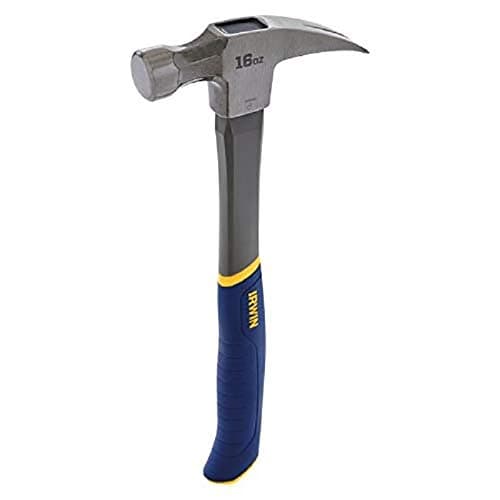
Walk into any job site and you'll find carpenters who are fiercely loyal to one hammer and refuse to touch another. That kind of loyalty is earned, not given, because a hammer that feels wrong in your hand can turn a full day of framing or trim work into a miserable slog. Finding the best carpenter hammer for your own work means understanding a handful of specs that actually matter, from head weight to claw shape to what the striking face is made of. This guide walks through what separates a tool that disappears in your hand from one that fights you on every swing, so you can shop with confidence instead of guessing.
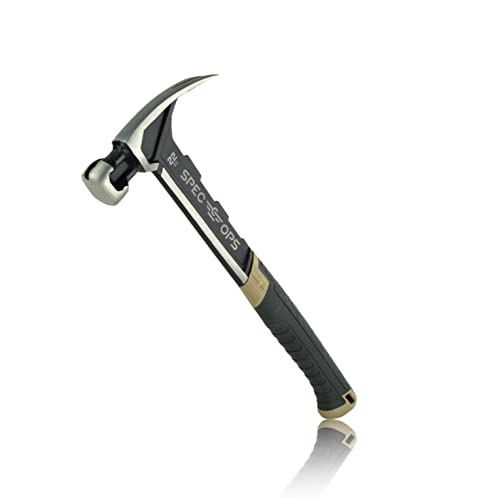

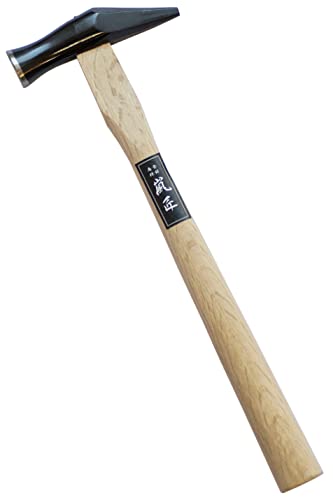


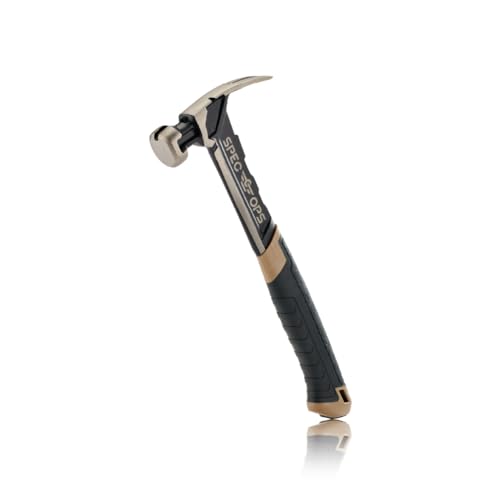
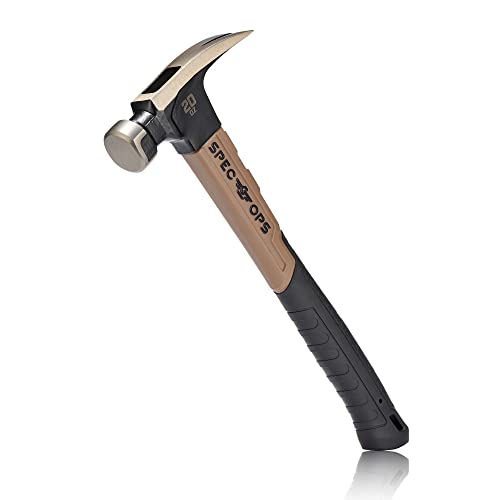

Weight and Balance: Finding the Sweet Spot for Your Swing
Head weight is the first spec most carpenters check, and for good reason. It changes everything about how a hammer feels after the fiftieth swing of the day, not just the first one. Heavier heads in the 20 to 24 ounce range drive framing nails in fewer strikes and hold up better against dense lumber, which is why so many framers reach for them. Lighter heads in the 12 to 16 ounce range trade some of that driving power for control, making them a better match for trim, cabinetry, and any job where accuracy matters more than raw force.
Balance matters just as much as raw ounces. A head-heavy hammer paired with a short, stiff handle can feel powerful in the showroom but tiring by lunchtime, while a well-balanced tool distributes weight so the swing feels natural instead of forced. If you're driving hundreds of fasteners in a single day, some carpenters skip a lot of that swinging altogether and reach for a framing nail gun for repetitive structural work, saving the hammer for touch-ups, tight corners, and anything a gun can't reach. Picking the best carpenter hammer weight for your body and your typical workday will save your shoulder and elbow a lot of wear over the years.
Handle Materials: Wood, Fiberglass, or Steel
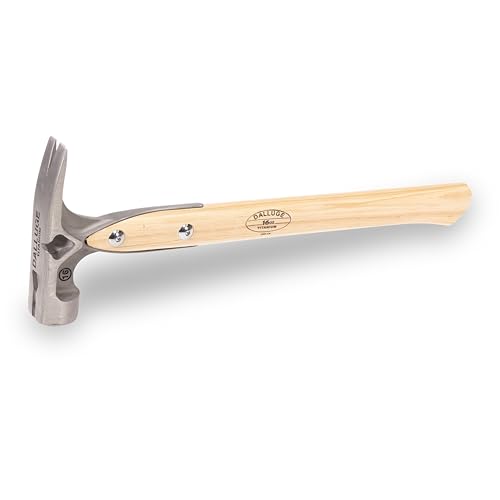
The handle material changes how much vibration reaches your hand and wrist with every strike, which matters more than most first-time buyers expect. Wood handles, usually hickory, absorb shock better than almost anything else on the market and keep the weight concentrated in the head where it belongs. The tradeoff is durability: wood can crack, dry out, or loosen from the head if it sits in a damp truck bed or a hot garage too long.
Fiberglass splits the difference. It holds up to weather and rough handling far better than wood while still damping vibration noticeably better than solid steel, which is why it has become the default choice for a lot of production framers. Steel handles, often forged in one piece with the head, are nearly indestructible and popular with masons and demo crews, but they transmit the most shock straight into your joints. If you deal with a lot of trim and cabinet work, pairing a fiberglass or wood-handled hammer with a set of quality cordless screwdrivers covers most of the fastening jobs a jobsite throws at you. For anyone shopping for the best carpenter hammer who deals with elbow or wrist strain, handle material deserves just as much attention as head weight.
Curved Claw or Rip Claw: Matching the Claw to the Job
The shape of the claw tells you a lot about what a hammer was designed to do. A curved claw is bent at roughly a 45 degree angle, which creates strong leverage for pulling nails cleanly without gouging the surrounding wood. It is also shorter overall, so it maneuvers easily inside stud bays, cabinets, and other tight spaces where a longer tool would bump into everything around it.
A rip claw, on the other hand, is nearly straight and built for prying apart boards, splitting shakes, and tearing into framing during demolition. It won't pull a finish nail as neatly as a curved claw, but it will rip through subfloor and blocking without complaint. Carpenters who split their time between framing and finish work often end up owning one of each rather than trying to make a single claw shape handle everything. If pulling and setting fasteners all day is wearing down your arm, rounding out your kit with one of the best nail guns for repetitive driving lets the hammer handle only what it does best, which is prying, adjusting, and finish tapping. Claw shape is one more piece of picking the best carpenter hammer for your specific tasks.
Smooth Face vs. Milled Face: Why It Matters for Your Work Surface
The striking face is easy to overlook, but it decides whether your hammer leaves marks on the material you're hitting. A milled face, sometimes called a waffle face, has a shallow crosshatch pattern that bites into the nailhead and resists glancing off, which is genuinely useful on treated lumber, wet framing, or roofing work where a clean miss can send a hammer skidding. The tradeoff is that the same pattern stamps its shape into anything it touches, including trim, siding, and drywall.
A smooth face avoids that problem entirely, which is why it's the standard choice for finish carpentry, cabinetry, and any surface that will stay visible once the project is done. If your projects lean toward trim and built-ins, a smooth face hammer belongs in the same toolbox as a good compound miter saw for clean, accurate cuts that don't need patching afterward. Some carpenters keep both face styles on hand and choose per task, since face type is another deciding factor when narrowing down the best carpenter hammer for finish-heavy work.
Is a Titanium Hammer Worth the Extra Cost?
Titanium hammer heads come up constantly once you start comparing options, and the price difference is real. A quality titanium model often costs several times more than a comparable steel hammer, so it's fair to ask whether the extra spend is justified. The honest answer depends on how often the tool leaves your hand. Titanium delivers roughly the same driving power as steel at close to half the weight, and it transmits noticeably less shock through the handle and into your arm with every strike.
For a carpenter swinging a hammer dozens or hundreds of times a day, that reduction in vibration can mean less fatigue, less strain on the elbow and wrist over years of repetitive use, and more energy left at the end of a shift. For someone who reaches for a hammer only occasionally, a well-made steel model will do the job for a fraction of the price and hold up just as long. Weigh how often the tool actually gets used before deciding whether titanium earns its place in the search for the best carpenter hammer for you.
Frequently Asked Questions
What size hammer is best for carpentry work?
The best carpenter hammer for most general carpentry work falls in the 16 to 20 ounce range, which balances driving power with control. Framers often prefer 20 to 24 ounces for speed, while finish carpenters lean toward 12 to 16 ounces for accuracy on delicate trim.
Is a 16 oz or 20 oz hammer better for framing?
A 20 ounce head drives framing nails faster and in fewer strikes, making it the more common pick for structural work. A 16 ounce hammer is lighter and easier on the arm over a long day, but it takes more swings to seat larger nails.
Do I need a rip claw or curved claw hammer?
Choose a rip claw if you regularly pry boards apart or tear into framing during demolition. Choose a curved claw if you mostly drive and pull finish nails, since it offers cleaner leverage without marking the surrounding wood.
Are titanium hammers really worth the price?
Many carpenters ask this exact question once they see the price tag next to a steel model. They're worth it for anyone who swings a hammer for a living, since the reduced vibration lowers fatigue and strain over thousands of strikes. Occasional users typically get the same practical results from a quality steel hammer at a much lower price.
What is the difference between a smooth face and a milled face hammer?
A milled face has a textured, waffle-like pattern that grips the nailhead and reduces glancing blows, but it leaves marks on wood. A smooth face won't grip quite as aggressively, but it leaves no marks, which makes it the better choice for finish work.
Can I use a framing hammer for finish carpentry?
You can, but it isn't ideal. A framing hammer's extra weight and milled face make it harder to control on delicate trim and likely to leave marks, so most carpenters switch to a lighter, smooth face hammer for finish tasks.
How long should a hammer handle last before I replace it?
A quality handle should last for years of regular use, but check it periodically for cracks, splinters, or looseness at the head. Replace it as soon as you notice movement between the handle and head, since a loose head is a safety hazard.
Making the Right Call
There's no single hammer that works best for every carpenter or every task, and that's fine. What matters is matching head weight, handle material, claw shape, and face type to the work you actually do most often. Once you've narrowed those choices down, finding the best carpenter hammer for your own hands and your own jobsite becomes a much shorter search.