Best Gaming Laptop Brands Compared: Strengths, Weak Spots, Value
Disclosure: We may earn a commission when you buy through links on this page, at no extra cost to you. As an Amazon Associate I earn from qualifying purchases. Learn more

The best gaming laptop brands compared: ASUS, MSI, Lenovo Legion, Acer, Alienware, HP OMEN and Razer.
Gaming laptops pack desktop class graphics, fast processors and high refresh rate screens into portable bodies, but the brand on the lid makes a real difference in cooling, build quality, display options, support and price. ASUS, MSI, Lenovo, Acer, Alienware, HP and Razer all sell gaming laptops with the same NVIDIA graphics chips, yet they tune performance, thermals and features differently. This guide to the best gaming laptop brands compares who leads on quality, who offers the best value and which brand fits your needs and budget.
We explain what makes a great gaming laptop brand, compare the top brands at a glance, show how to choose between them and answer common questions. Every laptop in the table above is sold new on Amazon US. Gaming laptops run hot under load: use them on a hard surface, keep vents clear and avoid gaming on your lap for long sessions.

What Makes a Great Gaming Laptop Brand?
A great gaming laptop brand delivers strong cooling, reliable build quality, good displays, sensible component choices, upgrade options and responsive warranty support. Because most gaming laptops share the same NVIDIA GeForce RTX graphics and Intel or AMD processors, the differences come from how well a brand cools those parts, how sturdy the chassis feels and how much it charges for the package.
Cooling matters most. A laptop that throttles under heat loses frame rate during long sessions. ASUS lists an end to end vapor chamber and tri fan design in its ROG Strix G16, MSI lists Cooler Boost 5 with shared heat pipes on its Katana 15 HX and Alienware lists a Cryo-Chamber structure on its 16 Aurora.
Support and warranty also separate brands. Alienware, for example, lists 1 year of onsite service through Dell for covered hardware issues that cannot be fixed remotely.
The best gaming laptop brands also keep drivers, BIOS updates and control software current, which affects performance and stability over the life of the laptop. ASUS, MSI, Lenovo and others bundle control centers for fan profiles, lighting and performance modes.
RAM and Storage
Gaming laptops should have at least 16GB of DDR5 RAM and a 1TB SSD for modern games. Many current models, like the ASUS ROG Strix G16 and MSI Katana 15 HX, ship with 16GB and 1TB, while the Acer Nitro V 16S and Lenovo Legion 5 Gen 10 include 32GB. Acer lists two DDR5 slots and a free M.2 slot on the Nitro V 16S, which makes upgrades easy.
Graphics (Integrated vs Dedicated GPU)
Every serious gaming laptop uses a dedicated GPU. Current models use NVIDIA's GeForce RTX 50 series, built on the Blackwell architecture with DLSS 4. The RTX 5050 and 5060 suit 1080p and 1440p gaming at high settings, while the RTX 5070, 5080 and 5090 handle higher resolutions and demanding titles. Older RTX 4050 models, like one Acer Nitro V configuration, remain a budget option.
Processor and Performance Tier
Intel Core i7 and Core Ultra HX chips and AMD Ryzen 7 and 9 processors are common. Budget gaming laptops pair midrange CPUs with an RTX 5050 or 5060, while premium machines like the Lenovo Legion Pro 7i use an Intel Core Ultra 9 275HX and RTX 5080.
Top Gaming Laptop Brands at a Glance
Here is how the major brands compare, with example prices from models in the table above.
Most brands sell several lines at different prices, so a brand's budget model can feel very different from its flagship. Compare models at the same price and GPU tier rather than judging a brand by one laptop.
ASUS ROG and TUF
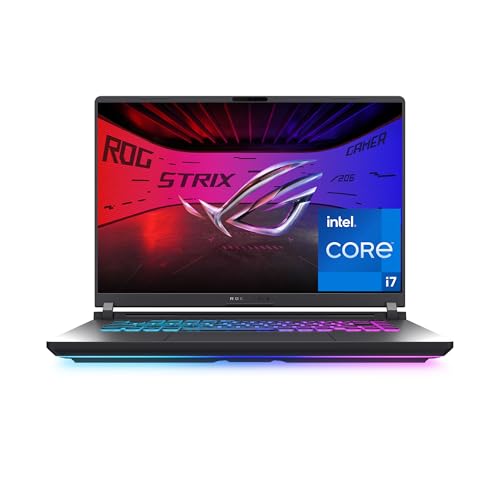
ASUS covers budget to premium gaming laptops with its TUF and ROG lines. The ROG Strix G16 with an RTX 5060, Intel Core i7 14650HX, 16GB DDR5, 1TB SSD, a 165Hz display and Wi-Fi 7 costs around $1,620.
Strengths are strong cooling, wide model choice and stylish RGB lighting with a Stealth Mode. Weak spots are price creep on higher configurations. Best for gamers who want a balanced, well cooled laptop.
ASUS lists a 360 degree RGB light bar that syncs with ROG peripherals and a new ACR film on the display to boost contrast and reduce glare.
MSI
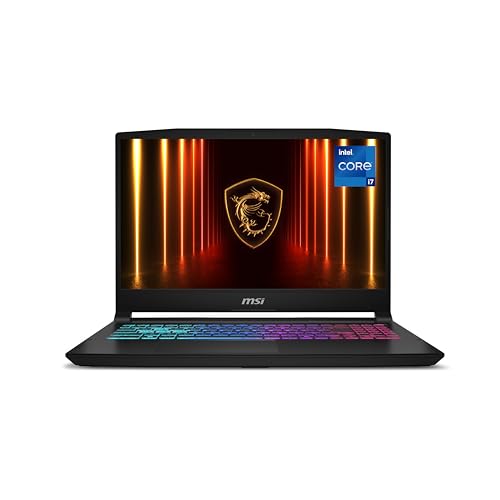
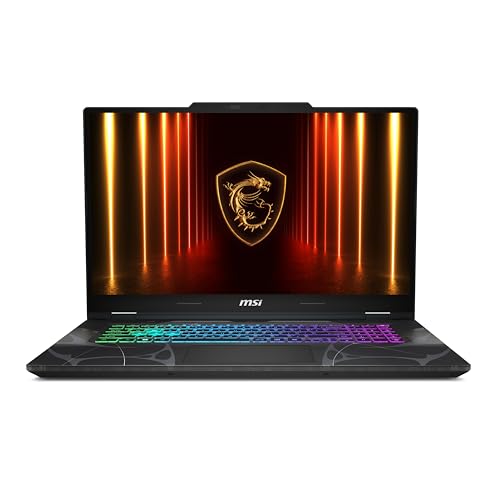
MSI sells a wide range from the Katana and Cyborg to high end Raider and Titan models. The Katana 15 HX, at around $1,568, pairs an RTX 5060 with a 15.6 inch QHD 165Hz display covering 100% DCI-P3. The Cyborg 17, at around $1,875, is 0.83 inches thin and 5.5 pounds with a 17.3 inch screen.
Strengths are value and display options. Weak spots are fan noise on budget models. Best for spec focused buyers.
MSI lists a 4 zone RGB keyboard with a numpad on the Katana 15 HX, plus HDMI, USB-C with DisplayPort and power delivery, Wi-Fi 6E and Ethernet.
Lenovo Legion
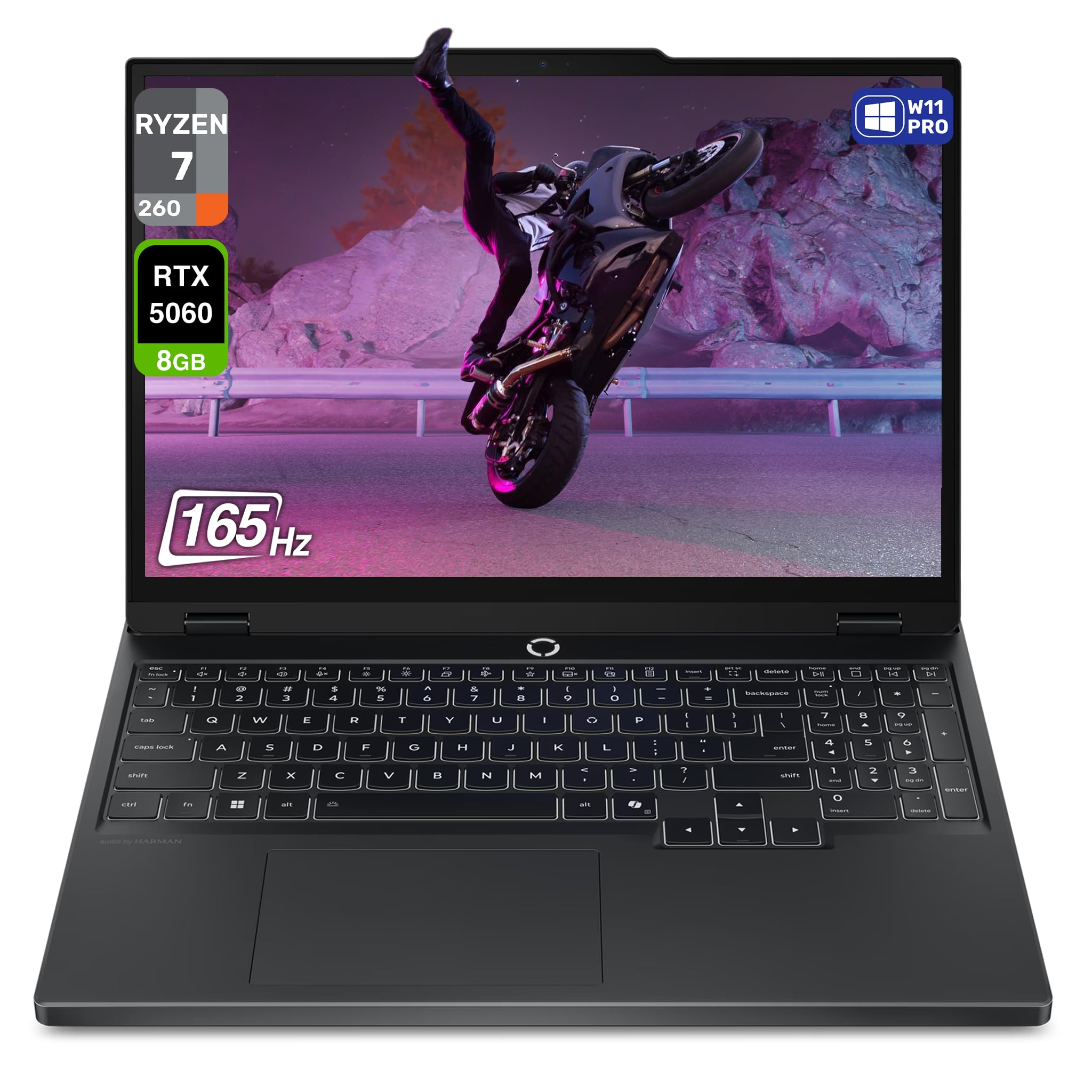
Lenovo's Legion line is known for solid keyboards, good cooling and clean designs. The Legion 5 Gen 10, at around $1,989, includes an AMD Ryzen 7 260, 32GB DDR5, an RTX 5060 and a 15.1 inch 2560 by 1600 display. The Legion Pro 7i, at around $4,398, adds an RTX 5080 and 240Hz OLED.
Strengths are build quality and displays. Weak spots are weight on Pro models. Best for gamers who also work on their laptops.
The Legion 5 also includes a 24 zone RGB backlit keyboard, which adds customization without loud styling.
Acer Nitro and Predator
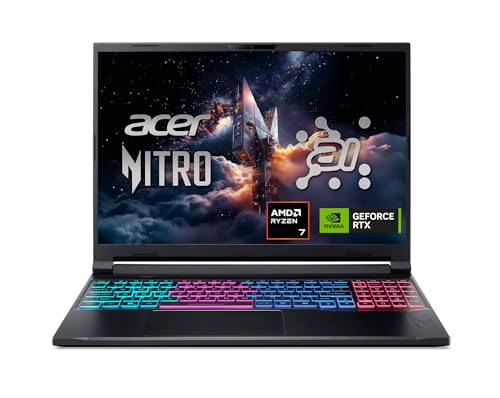
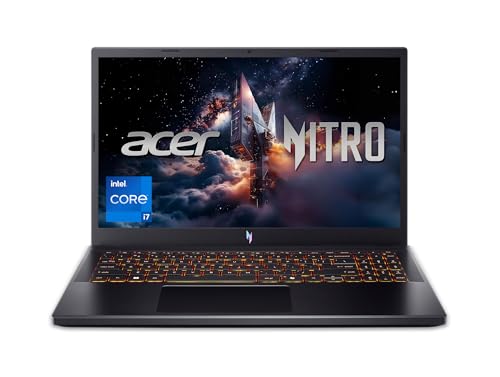
Acer leads on budget gaming with its Nitro line and offers premium Predator models. The Nitro V 16S, at around $1,400, includes an RTX 5060, AMD Ryzen 7 260, 32GB DDR5 and a 180Hz display, and a Nitro V with an RTX 4050 costs around $1,300.
Strengths are price and upgradability. Weak spots are plainer builds. Best for first time gaming laptop buyers.
Acer also lists Killer Ethernet on the Nitro V with RTX 4050, which helps with stable wired connections for online play.
Alienware
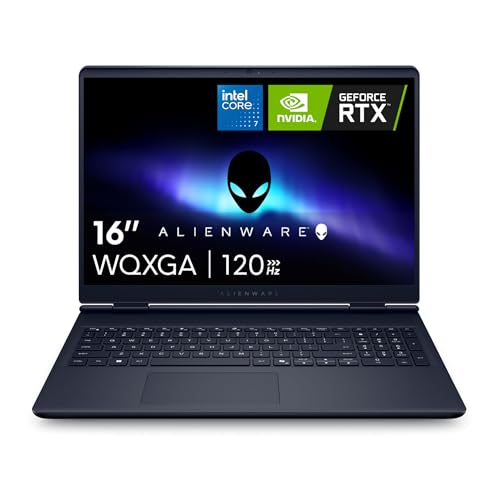
Alienware, Dell's gaming brand, offers premium designs and support. The Alienware 16 Aurora with an RTX 5060, at around $1,599, features a 16 inch WQXGA display, Cryo-Chamber cooling and 1 year onsite service.
Strengths are design and support. Weak spots are higher prices on top models. Best for buyers who value service.
Alienware also sells Area-51 models with RTX 5090 graphics for buyers who want top tier performance at top tier prices.
HP OMEN
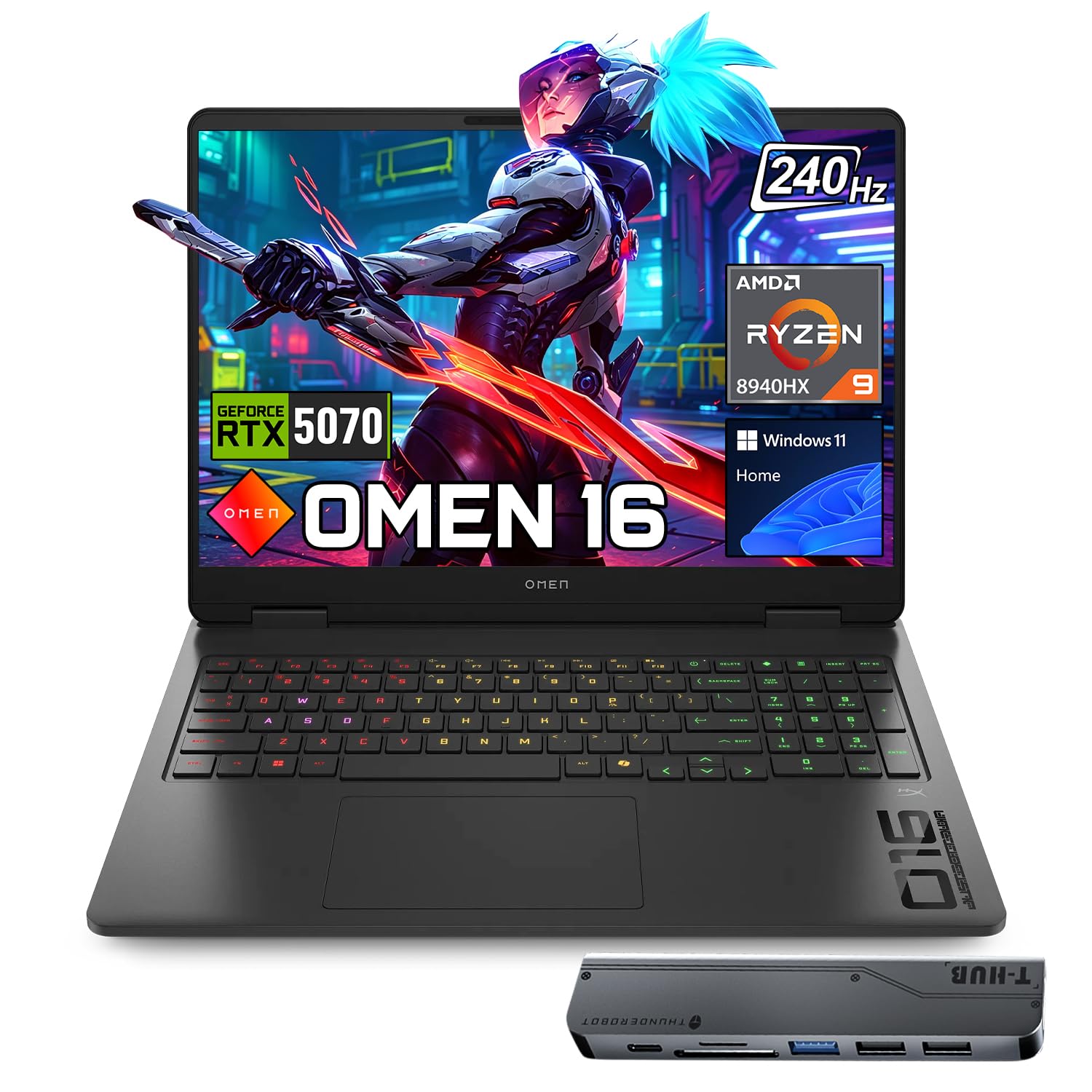
HP's OMEN line covers midrange to high end gaming. The OMEN 16 with an RTX 5070, AMD Ryzen 9 8940HX and 240Hz display costs around $2,049.
Strengths are balanced performance and understated styling. Weak spots are fewer configurations on Amazon. Best for gamers who want a clean design.
HP also sells slimmer OMEN 16 Slim models and the higher end OMEN Max for buyers who want more power.
Razer
Razer's Blade laptops are known for slim aluminum bodies and premium displays at premium prices, with high end Blade 18 models running several thousand dollars. Strengths are build quality and portability. Weak spots are price and heat in thin designs. Best for buyers who want a premium, portable machine.
Check current listings carefully, since Razer configurations and prices change often.
How to Choose Between the Best Gaming Laptop Brands
The specific model matters more than the brand. Start with your budget and the games you play, then choose the GPU tier: RTX 5050 or 5060 for most 1080p and 1440p gaming, RTX 5070 and above for higher settings. Compare cooling designs, display refresh rate and resolution, RAM and storage, weight and battery life.
Read the warranty terms and check whether RAM and storage can be upgraded later. Look for models with a MUX switch or advanced optimus for better performance. Finally, check ports, like HDMI, USB-C with power delivery and Ethernet, which MSI lists on its Katana 15 HX.
Screen size matters too. 15 and 16 inch laptops balance portability and immersion, while 17 and 18 inch models suit desk based gaming but are heavier to carry. Higher refresh rates, like 165Hz to 240Hz, make fast games feel smoother.
Frequently Asked Questions
How long should a gaming laptop last?
Most gaming laptops stay capable for about 3 to 5 years, depending on the GPU tier and how demanding new games become. Upgrading RAM and storage and keeping vents clean extends useful life.
Repasting thermal compound and cleaning fans after a few years can restore cooling performance.
Is a dedicated GPU worth it?
Yes, a dedicated GPU is essential for modern gaming. Integrated graphics handle light games, but titles with ray tracing and high frame rates need an RTX class GPU.
GPU memory, often 8GB on RTX 5060 models and 16GB on RTX 5080 models, also affects how well a laptop handles high resolution textures.
Which gaming laptop brand is most reliable?
Reliability varies more by model than brand. Lenovo Legion, ASUS ROG and Alienware are often praised for build and cooling, while support quality, like Alienware's onsite service, can matter as much as hardware.
Registering your laptop and keeping receipts makes warranty claims easier with any brand.
Should I buy a gaming laptop or a desktop?
Choose a gaming laptop if you need portability for school, travel or small spaces. A desktop offers more performance per dollar and easier upgrades if you game in one place.
Many gamers pair a laptop with an external monitor, keyboard and mouse at home for a desktop like setup.
How much RAM do I need for gaming?
16GB of RAM is the minimum for modern gaming, and 32GB helps with streaming, content creation and future games. Choose a laptop with upgradeable slots if possible.
Acer notes the Nitro V 16S supports up to 32GB across two slots, so check the maximum before planning upgrades.
The Bottom Line
The best gaming laptop brands each have strengths. ASUS and MSI offer wide choice and strong value, Lenovo Legion excels at build quality, Acer Nitro leads on budget, Alienware adds premium support, HP OMEN balances performance and design and Razer offers premium portability. Choose the model that fits your games and budget.
For more laptop guides, see the best gaming laptops affordable, the best laptops for battery life, the best wireless gaming mice and the best laptop stands. Then compare current prices in the product table above.