Best Armor Sets Witcher 3: Our 2026 Checklist
Disclosure: We may earn a commission when you buy through links on this page, at no extra cost to you. As an Amazon Associate I earn from qualifying purchases. Learn more
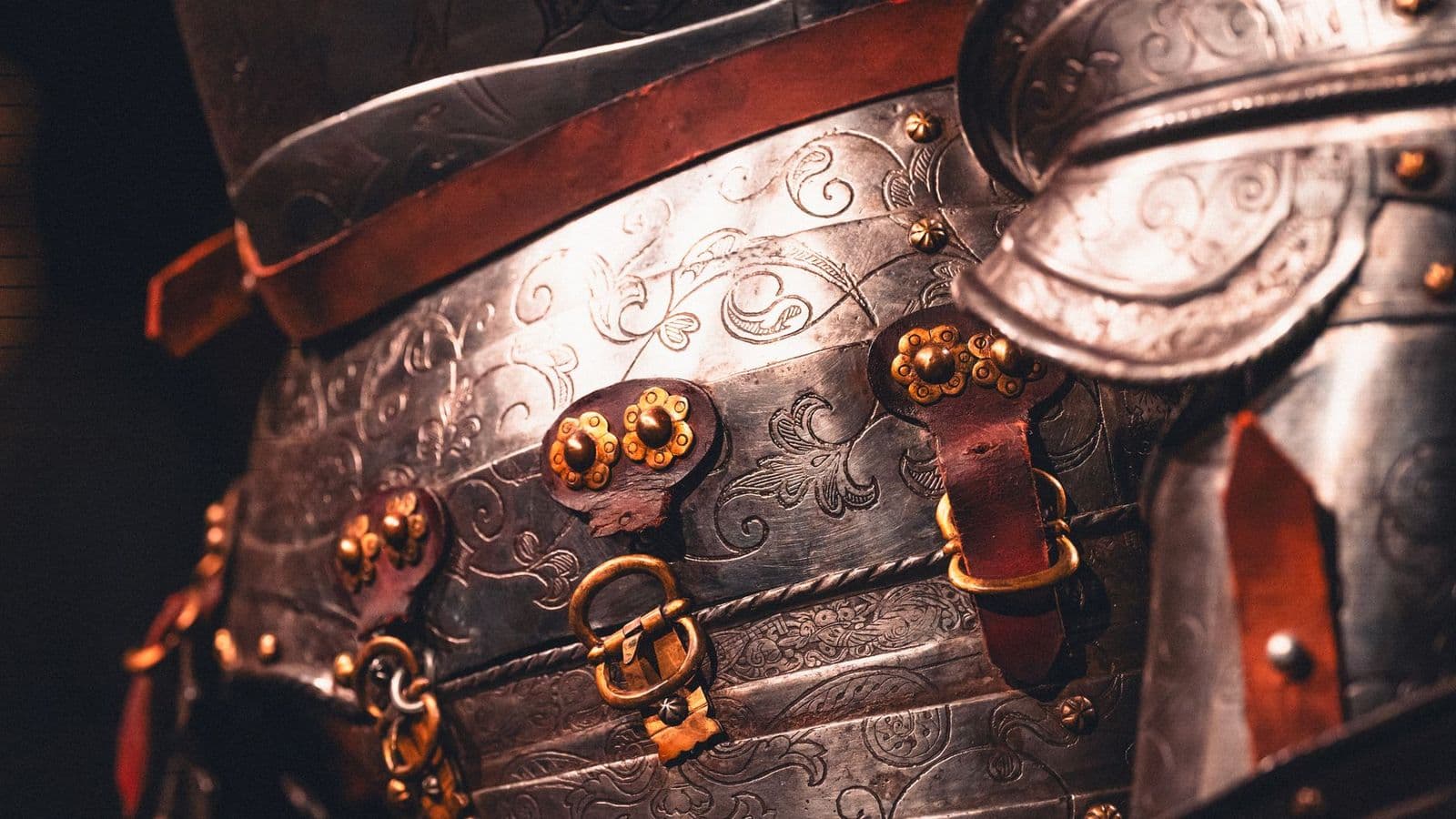
Best armor sets Witcher 3 explained: compare weight, resistances, set bonuses, and upgrade cost to fit your build.
Choosing best armor sets witcher 3 options starts with a clear idea of how you like to fight, not with a single defense number. Some sets favor fast movement and quick strikes, while others favor standing your ground and absorbing hits. The sections below explain each factor in plain terms.
This guide uses a checklist approach so you can compare sets on the same points every time. You will look at intended use, in game cost, weight, materials, upgrade path, and ease of switching. By the end, you should know which style suits your build and which trade offs you are willing to accept.
Key Features to Compare
Use the same checklist for every set you consider. That habit keeps you from choosing a set only because one number looks high, then finding out later that it slows you down or drains resources you need elsewhere. Work through the factors below in order, and note where each set helps your style and where it gets in the way. For a broader overview, see our guide to best witcher armor sets.
Intended Use and Who It Is For
Start by naming your main way of fighting. A fast striker benefits from lighter gear that preserves stamina and movement speed, while a patient fighter benefits from heavier gear that tolerates mistakes. A sign focused player benefits from gear that boosts sign power and regeneration, while a potion focused player benefits from gear that supports toxicity tolerance and preparation time. If you change styles often, look for a balanced set that does not punish any one approach too harshly.
Price vs Value
In game cost is more than the price of a single chest piece. Count the full set, the crafting materials, the upgrade tiers, and the time needed to gather rare components. A cheap set that needs constant repair or frequent replacement can cost more over a long playthrough than a pricier set that lasts. Compare sets at the same upgrade stage, since an early tier set and a fully upgraded set are not a fair comparison.
Size, Weight, and Fit for Your Play Style
Weight shapes how you move, dodge, and recover stamina. Light sets keep you nimble and let you reposition often, which suits hit and run tactics. Medium sets offer a middle ground, with solid protection and manageable stamina cost.
Heavy sets offer the most protection but slow your movement and increase stamina use, so they suit players who plan each exchange carefully. Try to match weight to your reflexes and your patience, not only to your defense target.
Build Quality and Materials
Materials in this context mean the general class of armor construction, such as leather, cloth, and metal plate styles, and the resistances each class tends to offer. Leather and cloth styles tend to stay light and flexible, while metal styles tend to resist physical blows more strongly. Some sets also offer stronger resistance to fire, poison, or bleeding effects. Read the full resistance profile rather than focusing on one armor rating, since a set that is strong against swords may be weak against elemental effects.
Upgrade Path and Long Term Value
A good set should grow with you. Check whether the set has clear upgrade tiers, whether later tiers need materials you can realistically gather, and whether the set bonus improves in a way that still fits your build. A set that peaks early and then falls behind can waste crafting effort. A set with a steady upgrade path lets you invest gradually and keeps your defense, resistances, and bonuses relevant as enemies grow stronger.
Ease of Use and Setup
Ease of use means how simple it is to switch sets, repair gear, and keep the right loadout ready. Look for a setup you can maintain without constant trips to craftsmen or long inventory sorting sessions. Keep one main set for general travel and one alternate set for special situations, such as fights that demand high elemental resistance. A simple routine helps you stay ready and avoids the frustration of entering a tough fight with the wrong gear equipped.
Spending Levels That Fit Different Play Styles
Think of spending in terms of in game resources, not only coins. Time, rare materials, and crafting effort all count. The levels below describe what each investment level usually delivers, so you can match your spending to how far you are in the game and how much you want to specialize. For related gear ideas, see our guide to best witcher 3 gear sets.
Early Game Value Choices
Early game value choices focus on solid protection at low crafting cost. These sets usually use common materials, offer balanced resistances, and leave room for you to learn enemy patterns without heavy punishment. They are a good fit if you are still trying out combat styles or saving rare materials for later. Their main limit is a lower ceiling, so plan to move on once you settle on a style.
Mid Game Balanced Spending
Mid game balanced spending buys a noticeable step up in defense and set bonuses without demanding the rarest materials in the game. These sets often define a clear style, such as faster combat, stronger signs, or tougher defense, while still leaving flexibility to adjust. They suit players who know their preferred style but still want room to experiment. Expect moderate crafting effort and a set that stays useful for a long stretch of play.
Late Game Premium Spending
Late game premium spending targets the highest tier sets with the strongest bonuses and the most specialized profiles. These sets demand rare materials, higher crafting effort, and a firm commitment to one style. They reward players who have settled on a build and want every advantage in demanding fights. Their main drawback is inflexibility, since switching away from a fully invested set can feel costly.
Quick Buyer Checklist
Run through these questions before you commit crafting materials to a set. Answer yes or no for each one, and only proceed when most answers point the same way.
- Does this set match the way I actually fight, not the way I wish I fought?
- Can I afford the full set and its next upgrade tier with materials I can gather?
- Does the weight let me dodge and recover stamina at a pace I enjoy?
- Does the resistance profile cover the damage types I face most often?
- Does the set bonus support my signs, swords, or preparations, rather than working against them?
- Can I repair and maintain this set without a long detour every time?
- Will this set stay useful for the next stretch of the game, or will I outgrow it quickly?
- Do I have a second set ready for fights where this set is weak?
Red Flags to Watch For
Watch for vague descriptions that promise strong defense without listing resistances, weight, or set bonuses. A set that looks strong on one number but hides weak elemental resistance can fail in exactly the fights where you need it most. Be cautious about sets that demand rare materials for only a small gain, sets that lock you into a style you have not tried, and sets with an upgrade path that stalls at a hard to reach tier. If the full cost and the full profile are unclear, gather more information before investing.
Best Armor Sets Witcher 3: Matching Your Situation
Your situation includes your current level, your preferred combat style, and the enemies you meet most often. A player who explores open areas and fights varied enemies needs balanced resistances and manageable weight. A player who focuses on story boss fights may benefit from a specialized set tuned to one damage type.
A player who enjoys preparation and potion use needs a set that supports that routine. Match the set to your routine first, then refine for peak performance. A related overview of best armour sets witcher 3 can help you compare set styles.
Best Gear Sets Witcher 3: What to Check
When you compare gear sets in this game, check three differences that separate general armor from a true gear set. First, check whether the pieces work together through a set bonus, rather than simply offering good individual stats. Second, check whether the bonus scales with upgrades, so the set stays relevant as you progress.
Third, check whether the set supports a coherent style, such as fast swordplay, sign casting, or heavy defense, instead of mixing bonuses that pull in different directions. A set that passes all three checks is more likely to feel rewarding over a full playthrough.
Care and Maintenance Tips
Read the crafting and repair information before your first use of a new set, and inspect your gear regularly after tough fights. Repair damaged pieces promptly, since worn gear protects less effectively and can fail at a bad moment. Store alternate sets in a dry, organized stash so you can switch quickly without sorting through a cluttered inventory.
For more set ideas, see our guide to best witcher sets. Keep spare crafting materials for your main set, and plan repairs around safe locations rather than in the middle of hostile territory.
Frequently Asked Questions
How much should I spend on armor sets in Witcher 3?
You should spend in proportion to how long you plan to use the set. Early on, a modest investment in a balanced set leaves resources for weapons, potions, and later upgrades. In the middle of the game, a larger investment makes sense once you know your style, since the set will serve you for many hours.
Late in the game, a full investment in a specialized set can be worthwhile, but only after you have tried that style enough to trust it. Best armor sets witcher 3 guides stress total upgrade cost, not just one piece price.
How long does an armor set last in Witcher 3?
An armor set lasts as long as its defense and bonuses stay competitive with the enemies you face. A well chosen set can serve you through a whole region or story chapter, while a poorly matched set can feel outdated much sooner. Regular repairs extend its useful life, and timely upgrades keep its stats relevant. The real limit is usually not durability alone, but whether the set still fits your level and your combat style as the game grows harder.
What features matter most when choosing armor sets?
The features that matter most are weight, resistance profile, set bonus, and upgrade path. Weight controls movement and stamina, resistance profile controls which damage types you can absorb, set bonus controls how the pieces work together, and upgrade path controls long term value. Cost matters too, but only in relation to how long the set stays useful. A set that scores well on all four points is usually a better choice than a set that excels at only one.
How do I maintain an armor set in Witcher 3?
You maintain an armor set by repairing it regularly, keeping spare materials on hand, and upgrading it at sensible intervals. Check gear condition after long fights, and repair before entering a difficult area rather than after taking heavy damage. Keep your main set and your alternate set in separate, clearly organized storage so switching is quick. This routine keeps protection high and avoids the cost of replacing a neglected set sooner than necessary.
Are expensive armor sets worth it in Witcher 3?
Expensive armor sets are worth it when they match a style you already enjoy and will use for a long time. A high tier set with a strong bonus can make demanding fights more forgiving and reward careful preparation. The same set is a poor value if it forces you into a style you dislike or drains materials you need for weapons and potions. Judge value by hours of use and by fit with your build, not by price alone.
Final Thoughts
The best choice comes down to three criteria: a weight class that suits your movement, a resistance profile that covers your most common threats, and a set bonus that supports your style. Run through the checklist once more, and pick the set that fits your routine rather than the set with the single highest number. That approach keeps your best armor sets witcher 3 decision practical, affordable in game terms, and enjoyable over a long playthrough.