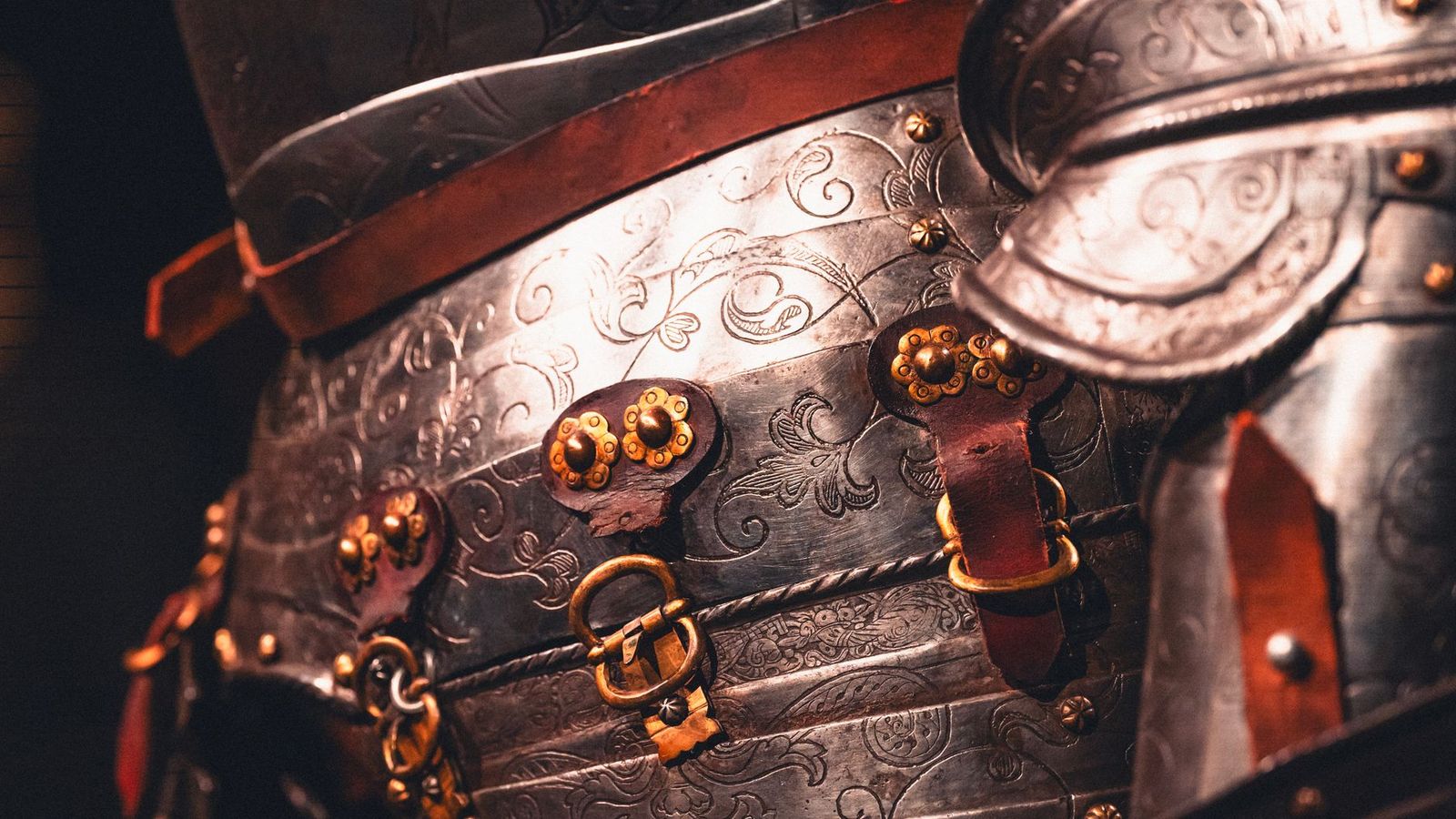
Best Armor Sets Fallout 4: Every Type Explained Side by Side for 2026
Disclosure: We may earn a commission when you buy through links on this page, at no extra cost to you. As an Amazon Associate I earn from qualifying purchases. Learn more
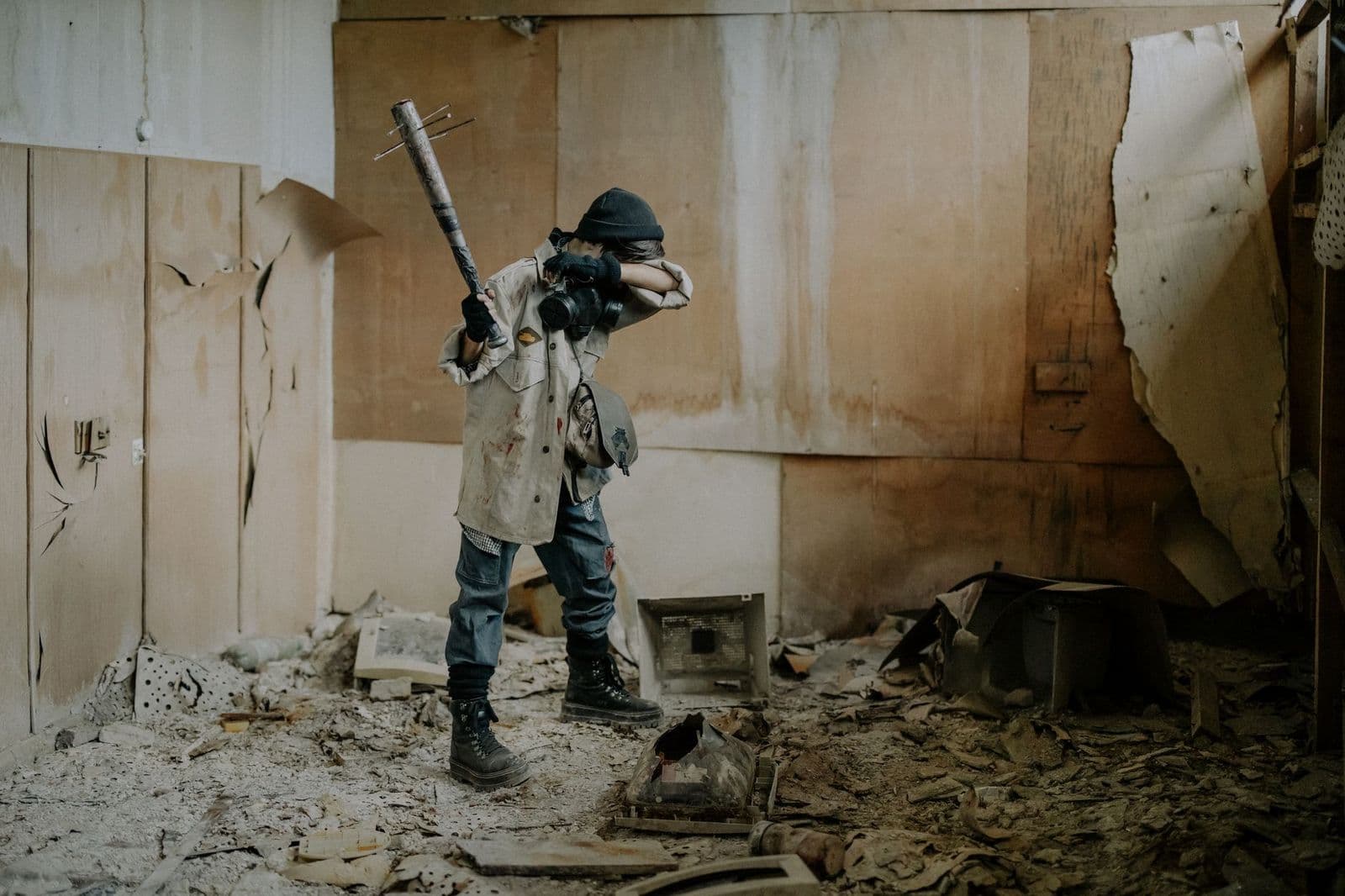
Best armor sets Fallout 4 compared by protection, weight, and cost for stealth, heavy combat, and early game survival.
Choosing the best armor sets fallout 4 can feel confusing because the game offers so many styles, and each one trades protection for weight, movement, or cost. Some sets keep you alive in a long firefight, while others help you move quietly and carry more loot across the Commonwealth.
This guide compares the main armor types side by side so you can match a set to the way you actually play. The comparison table below lays out the strengths and drawbacks of each tier before we dig into the details.
Best Armor Sets Fallout 4 Compared by Type
Armor in Fallout 4 falls into broad tiers rather than a single best choice. Some players search with the British spelling, covered in our guide to the best armour sets fallout 4. A heavy set that shrugs off bullets may slow you down and drain your carry weight, while a light set keeps you fast but leaves you exposed when a fight turns ugly. The table below gives a quick overview, and the sections that follow explain who each tier suits.
| Type | Best For | Pros | Cons | Typical Price |
|---|---|---|---|---|
| Premium Options | Heavy combat and late game fights | Highest protection, strong mods | Heavy, costly to maintain | Around 2,000 caps |
| Mid Range Options | Balanced everyday play | Solid protection, flexible mods | Moderate weight and cost | Around 800 caps |
| Budget Options | Early game survival | Cheap, easy to find and repair | Low protection, few mod slots | Around 200 caps |
| Compact Options | Stealth and long trips | Light, quiet, easy to carry | Weak against heavy weapons | Around 400 caps |
Premium Options
Premium armor sets are built for players who expect to stand and fight. They offer the highest damage resistance and energy resistance in the game, and they usually support the widest range of modifications, from added plating to improved linings. The drawback is weight. A full premium set can eat a large share of your carry capacity, and repairs cost more in materials and caps.
Choose this tier when you spend most of your time clearing large enemy camps, fighting bosses, or exploring high level zones. It suits heavy weapons users and players who prefer to absorb hits rather than dodge them. If you travel light or rely on stealth, the weight penalty may frustrate you more than the extra protection helps.
Mid Range Options
Mid range armor sets strike the balance most players live with for the bulk of a playthrough. Combat style armor in this tier gives respectable protection against bullets and energy weapons without the crushing weight of the heaviest sets. Mod options are broad enough to tune a set toward stealth, damage resistance, or carry weight as your build changes.
This tier suits players who mix combat styles, switching between rifles, melee, and occasional sneaking. It also works well as a long term investment because pieces are common enough to repair and upgrade steadily. If you want one set that handles most situations without constant swapping, start here and upgrade only when a specific fight demands more.
Budget Options
Budget armor sets are the leather and metal pieces you find in the first hours of the game. Their protection is modest, and they offer fewer modification options, but they cost almost nothing and appear everywhere. That availability matters early on, when caps are scarce and every encounter can drain your healing supplies.
Choose budget armor when you are still learning the map, saving caps for weapons, or building a character who avoids fights. A full budget set with basic upgrades can carry you through early quests comfortably. Replace pieces gradually as you find stronger options rather than spending heavily on a set you will soon outgrow.
Compact Options
Compact armor sets are light sets designed for movement. They weigh little, make less noise, and leave room in your inventory for loot, which makes them ideal for long exploration trips and stealth focused builds. Some light sets can be lined or padded to improve protection without adding much bulk.
Choose a compact set when you sneak past enemies, pick locks and hack terminals, or travel long distances between settlements. The trade off is real: a burst of heavy gunfire will hurt far more than it would in a heavier set. Pair light armor with cover, distance, and quick escapes rather than standing in the open.
Premium Options vs Mid Range Options: Which Should You Choose?
Compare the two tiers on five points: protection, weight, cost, mod flexibility, and repair effort. Premium sets win clearly on protection and on the ceiling for upgrades, since their best modifications push resistance higher than mid range pieces can reach. Mid range sets win on weight and cost, and they are easier to repair because their materials are more common.
Mod flexibility is closer than it looks. Mid range sets accept most of the useful modifications, including pocketed linings for carry weight and shadowed coatings for stealth. Premium sets add a few top end options, but many players never need them. Repair effort favors mid range sets, especially during long trips away from a workbench.
Choose premium armor when you regularly face the toughest enemies and can afford the weight and upkeep. Choose mid range armor when you want one reliable set for everyday play, or when your build depends on carrying loot, sneaking, or moving fast. Many experienced players keep both: a mid range set for travel and a premium set for planned assaults.
How to Choose the Right Armor Set
The right set depends on your build, your play style, and how far you are into the game. Work through the factors below in order, and let the answers narrow the field before you spend caps or rare materials on upgrades. If you want a broader overview first, see our guide to the best armor sets.
Key Performance Specs
Three numbers matter most: damage resistance, energy resistance, and radiation resistance. Damage resistance reduces bullet and melee harm, energy resistance covers laser and plasma weapons, and radiation resistance matters in glowing zones and near radioactive hazards. Weight is the fourth number to watch, since every pound of armor is a pound less loot you can carry.
Match the numbers to your threats. A player clearing raider camps needs damage resistance first, while a player exploring irradiated ruins needs radiation resistance. Do not chase the highest total at the expense of the resistance type you actually face, and remember that a set with balanced numbers often serves better than a set that excels in only one area.
Protection Types and Coverage
Coverage matters as much as raw numbers. A set that protects the chest, arms, and legs evenly beats a set with one strong piece and several weak ones, because enemies do not always hit your strongest plate. Check each piece before you judge a set, and replace weak links first when upgrading.
Some sets also add useful side effects, such as improved stealth, reduced falling harm, or resistance to poison. These bonuses rarely appear in the headline numbers, so read the full description of each piece. A modest bonus that fits your build, such as quieter movement for a sneaking character, can matter more than a small bump in resistance.
Intended Use and Who It Is For
Define your main activity before you choose. A stealth player needs light, quiet armor with shadowed mods. A heavy gunner needs maximum resistance and does not mind the weight. A settlement builder who travels between towns needs a balance of protection and carry capacity, since loot hauls are part of the job.
Your level matters too. Early game characters benefit most from cheap, available armor they can repair often. Late game characters can invest in rare materials and top tier modifications because they have the caps and the workbench perks to support them. Buying a late game set too early wastes resources you need elsewhere.
Price vs Value
Armor value is not the same as armor cost. A budget set that you find for free and upgrade with common materials can outperform an expensive set that you cannot afford to repair. Judge a set by its total cost over time, including repairs, modifications, and the carry weight it consumes.
Spending tiers break down roughly into budget sets at around 200 caps, mid range sets at around 800 caps, and premium sets at around 2,000 caps or more when bought from traders. Found armor costs nothing but time, so exploring thoroughly often beats buying. Save big purchases for sets you plan to keep for many levels.
Build Quality and Materials
Materials decide how far a set can be upgraded. Leather and cloth based sets upgrade with common materials, while metal and advanced sets need rarer components such as circuitry, fiber optics, or nuclear material. Check your material stock before committing to a set, since a powerful upgrade you cannot craft is no upgrade at all.
Modifications are where a set earns its keep. Pocketed linings add carry weight, muffled coatings aid stealth, and reinforced plating raises resistance. Plan your mods around your build rather than adding every available option, and keep one spare piece so you can try a new mod without breaking your main set.
Picking the Right Armor Sets for Different Uses
Different activities call for different armor. For settlement defense, choose a balanced mid range set that lets you move between guard posts and carry supplies. For long dungeon crawls, favor protection and radiation resistance, since you cannot easily retreat to repair. For trading runs, favor light armor and carry capacity so you can haul more goods.
Other games reward the same tiered approach, as shown in our guides to the best armor sets botw, the best skyrim armor sets, and the best armor sets ds3.
Best Power Armor Sets Fallout 4
Power armor stands apart from regular armor because it works as a full frame suit with its own fusion core, carrying capacity, and fall protection. It offers the highest protection in the game and lets you carry heavy loads, but it needs fusion cores, makes noise, and cannot be worn for quiet work. Use power armor for planned assaults, boss fights, and heavily irradiated zones, and keep a regular set for stealth and everyday travel.
Setup and Care Tips
A good set stays good only with regular care. Follow these habits to get the most from any armor tier.
- Read each piece description before equipping it, so you know its resistances and bonuses.
- Repair armor at a workbench regularly, since damaged pieces protect far less than their listed numbers suggest.
- Store spare sets in a dry settlement container, organized by tier, so you can swap quickly before a mission.
- Clean up your inventory after each trip, scrapping weak pieces for materials instead of carrying them.
- Try new modifications on one piece first, so a poor choice does not weaken your whole set.
Armor Sets: Your Questions Answered
What features matter most when choosing armor sets?
Damage resistance, energy resistance, radiation resistance, and weight matter most, in that order for most players. Start by identifying the threats you face most often, then pick the set with the best numbers against those threats. Weight deserves equal attention, because a heavy set limits loot and slows travel. Mod options come next, since the right lining or plating can reshape a mediocre set into a strong one for your build.
Are expensive armor sets worth it?
Expensive armor sets are worth it when you face tough enemies regularly and can afford the upkeep. Premium sets protect better and accept stronger modifications, which pays off in long fights and high level zones. They are not worth it early in the game, when caps are better spent on weapons, healing, and settlement needs. A mid range set upgraded steadily often serves better until you reach the late game.
How long does an armor set last?
An armor set lasts as long as you maintain it, since pieces degrade with damage and need regular repair. With steady repairs at a workbench, a single set can serve for dozens of levels. A set becomes outdated when enemies outscale its protection, which usually happens after major story milestones or when you move into higher level regions. Replace pieces one at a time rather than discarding a whole set at once.
How do I maintain an armor set?
Maintain armor by repairing it at an armor workbench with the right materials, and by checking each piece after hard fights. Keep common materials such as leather, steel, and cloth in stock so repairs never wait. Store a backup piece for each slot, so a broken item does not leave you exposed mid mission. Finally, scrap duplicate low tier pieces for materials instead of letting them clog your inventory.
How much should I spend on an armor set?
Spend little early in the game, when found armor and cheap upgrades cover your needs. Budget around 200 caps for early sets, around 800 caps for a solid mid range set, and around 2,000 caps or more only for a premium set you plan to keep long term. Found armor costs nothing, so thorough exploration often beats shopping. Always keep a reserve of caps for repairs, ammunition, and healing supplies.
Final Thoughts
The best choice is the set that fits your build, your level, and the fights you actually take on. Premium armor suits heavy combat, mid range armor suits everyday play, budget armor suits the early game, and light armor suits stealth and travel. Pick the tier that matches your next ten levels, and upgrade steadily rather than chasing the most expensive set at once. With the right fit, best armor sets fallout 4 becomes less about owning the strongest gear and more about choosing gear that works for you.