
Best Cycling Pedal Power Meters: A Complete Buying Guide
Disclosure: We may earn a commission when you buy through links on this page, at no extra cost to you. As an Amazon Associate we earn from qualifying purchases. Learn more
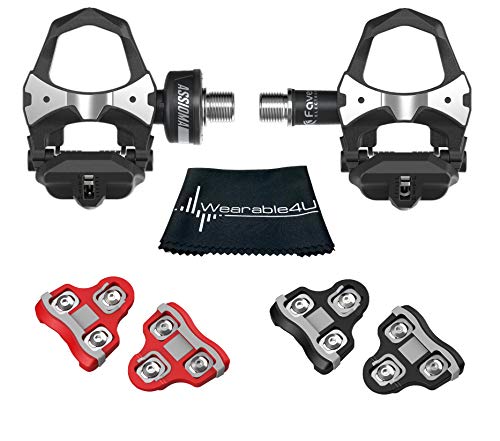
A complete guide to choosing the best cycling pedal power meters, covering accuracy, single vs dual-sided measurement, cleat compatibility, battery life, and calibration.
If you have ever finished a hard interval session and wondered whether you actually hit your numbers or just felt like you did, you already know why riders reach for a pedal power meter. Heart rate lags behind effort and perceived exertion changes with sleep, caffeine, and mood, but wattage does not lie. A pedal power meter measures force at the one point in the drivetrain where your legs first put energy into the bike, which is why so many coaches treat it as the most direct read on output. This guide walks through how these systems actually work, what separates single-sided from dual-sided models, and how to keep the numbers trustworthy once you own one.


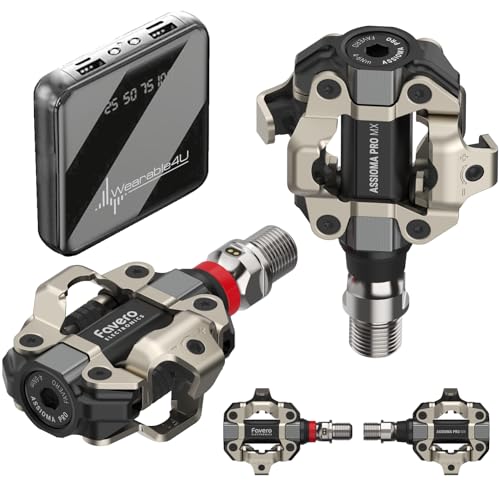
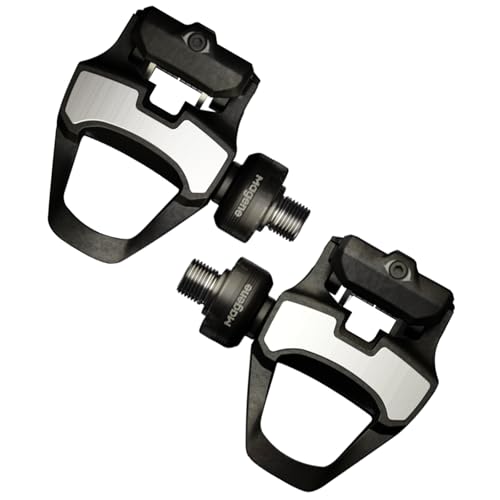
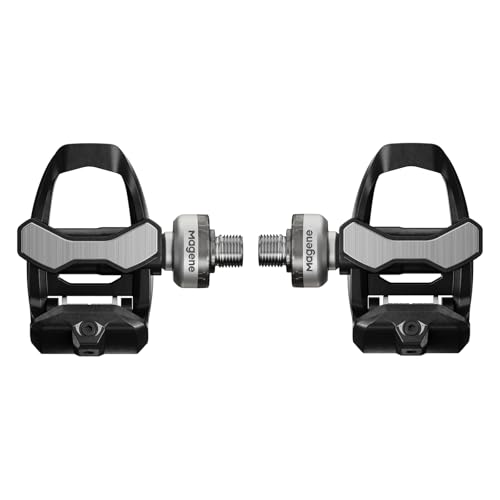
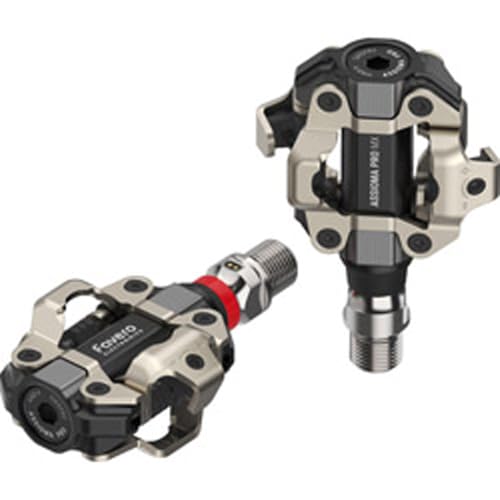

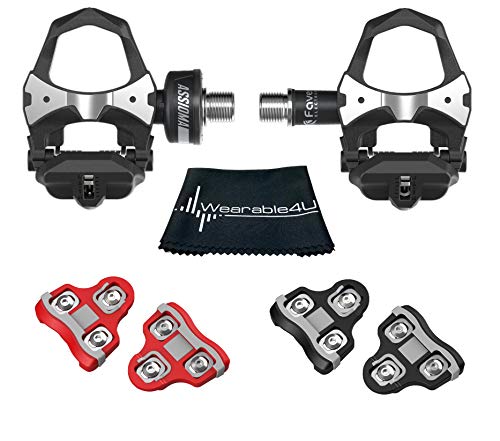
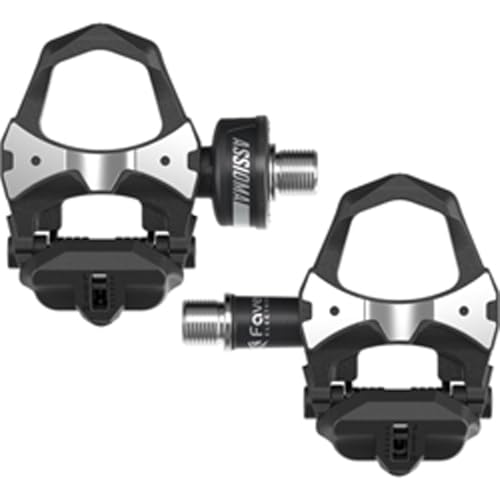
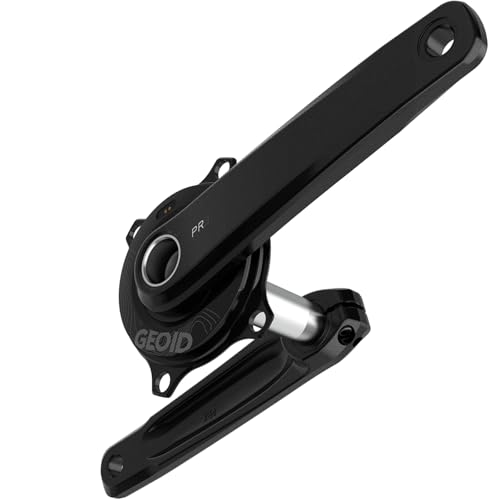
Where Pedal-Based Meters Fit Among Power Meter Types
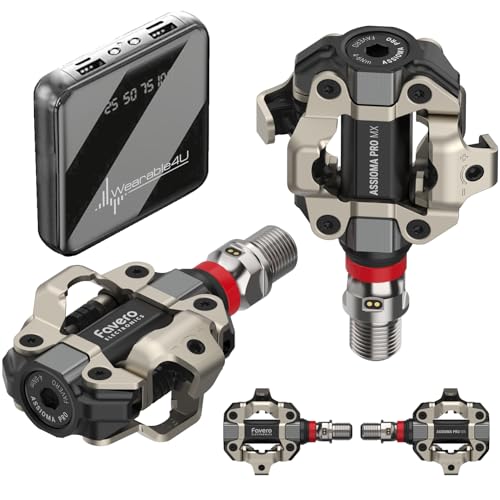
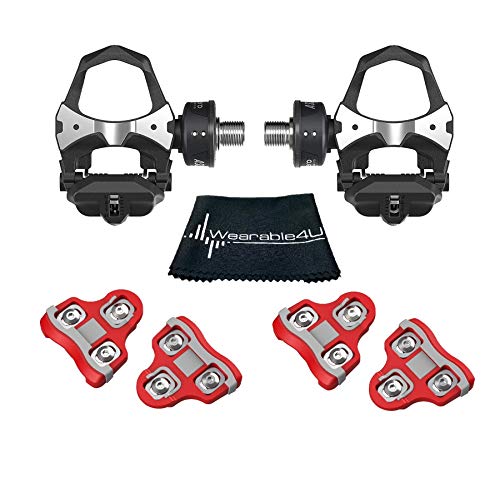
Power can be measured in several places on a bike: at the pedal spindle, on the crank arms, on the spider between the crank and chainrings, or inside the rear hub. Each location trades off differently between accuracy, cost, and convenience. Pedal-based units sit closest to where your foot applies force, which makes them sensitive and quick to react to changes in effort, while hub-based systems measure power after some of it has already been lost to the drivetrain, so their readings tend to run slightly lower.
Why Location Changes the Number You See
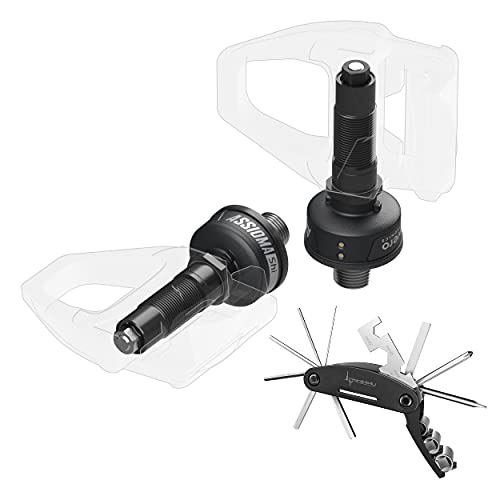
A crank spider meter and a pedal-based meter are both measuring true input force, so in practice they land within a percent or two of each other on a well-maintained bike. What really separates them is installation. Swapping a spindle-based pedal onto a different bike takes minutes with an Allen key, while moving a spider or crank-based sensor usually means pulling the crankset apart.
Displaying What the Sensor Records
None of this data is useful sitting inside the pedal. You will still need a compatible bike computer or training app to receive the ANT+ or Bluetooth signal and show live watts, average power, and normalized power while you ride.
Single-Sided or Dual-Sided: How Much Data You Actually Need
This is the buying decision that matters most once you have settled on a pedal power meter. A single-sided unit puts a sensor in one pedal only, then doubles that reading to estimate total output. It costs noticeably less and is plenty accurate for tracking overall fitness trends over weeks and months.
What a Single Sensor Actually Estimates
Doubling one leg's output assumes your pedaling is symmetrical, which is rarely exactly true. For steady-state training, interval pacing, and long-term progress tracking, that assumption barely matters. The trend line you see week to week stays reliable even if the absolute number is off by a small margin.
When Dual-Sided Pays for Itself
A dual-sided setup measures both legs independently, so it can show a genuine split between your left and right output instead of an assumed one. Riders coming back from an injury, working with a coach on pedaling technique, or chasing very precise interval targets tend to get the most value from paying extra for independent left and right sensors.
Keeping Your Numbers Accurate Ride After Ride
Even a well-built power meter drifts if it is never checked. Strain gauges are sensitive to temperature, and the metal housing them expands and contracts slightly as conditions change, which nudges the baseline reading away from true zero.
Zero-Offset Habits That Matter
A zero offset works like taring a kitchen scale: with the pedals completely unweighted and the bike off any trainer, the unit resets its baseline before recording a new ride. Doing this before every key workout, and especially after a big swing in outdoor temperature, keeps small drift from creeping into your data.
Temperature Swings and Why They Throw Numbers Off
Rolling a bike straight from a heated garage into cold morning air is one of the most common causes of an inaccurate first few minutes of a ride. Letting the bike sit outside for a few minutes before zeroing gives the sensor time to settle at the temperature it will actually be riding in.
Moving a Pedal Power Meter Between Bikes
One of the biggest practical advantages of a pedal-based system is that it travels with you rather than staying bolted to one bike.
Cleat and Pedal Body Compatibility
Most pedal power meters are built around a specific cleat standard, so check whether your shoes and cleats already match before buying. If you currently ride flat pedals, moving to a clipless power-measuring system means adjusting your shoes and pedaling technique as well as your data collection.
Battery Care for Frequent Swaps
Rechargeable pedal power meters generally hold a charge for many hours of riding, but frequent swapping between bikes means more frequent charging cycles. Keeping a small charging cable in your gear bag avoids showing up to a ride with a dead sensor.
What Your Left/Right Balance Numbers Actually Tell You
Dual-sided meters report a split, such as 48/52, showing how much of your total output comes from each leg. A slight imbalance like this is completely normal, since almost every rider has a dominant side. The number becomes more useful as a trend to watch after an injury or a bike fit change than as a target to force toward a perfect 50/50 split, since chasing symmetry for its own sake rarely improves performance. Watching that trend alongside data from a heart rate monitor gives a fuller picture of how your body is actually responding to a given effort, not just how the effort is split between your legs.
Frequently Asked Questions
Do I actually need a power meter to train effectively?
No, but it removes guesswork. Riders who train mostly by feel or heart rate can still improve, while a power meter simply gives a more direct, repeatable number to pace efforts and track progress against.
How accurate are pedal-based power meters?
Most well-maintained pedal power meters read within a small margin of error, similar to crank-based systems. Consistency between rides matters more for training than hitting a theoretically perfect number.
Can I use one pedal power meter on more than one bike?
Yes, as long as both bikes use a compatible cleat and pedal thread standard. That portability is one of the main reasons riders choose a pedal-based system over a crank or hub-based one.
What does left/right power balance actually mean?
It shows the percentage split of total power coming from each leg, measured independently by a dual-sided sensor. A mild imbalance is normal and not something most riders need to correct.
How often should I zero-offset a power meter?
Before important workouts and any time the temperature changes significantly from your last ride. It takes a few seconds and helps keep small drift out of your data.
Is a dual-sided power meter worth the extra cost?
For general fitness tracking, not necessarily. For riders working on pedaling symmetry, recovering from injury, or chasing very precise training targets, the independent left and right data is usually worth the added price.
Is a Pedal Power Meter Worth Adding to Your Setup
A pedal power meter gives you a direct, portable way to see exactly how much effort you are putting into the bike, and it moves easily between bikes without touching your crankset. Whether single-sided or dual-sided makes sense for you comes down to how precisely you need to train, not how serious a rider you consider yourself.