Best Electric Road Bikes: A Complete Buying Guide
Disclosure: We may earn a commission when you buy through links on this page, at no extra cost to you. As an Amazon Associate I earn from qualifying purchases. Learn more

Shopping for one of the best electric road bikes means balancing two things that used to be opposites: the light, responsive feel of a drop-bar road bike and the extra push that gets you up hills or through a longer ride without running out of legs. Motors have gotten smaller, batteries have gotten lighter, and the gap between a great e-road bike and a great analog road bike has nearly closed. Still, the details matter. Where the motor sits, how much battery you're carrying, and what kind of riding you actually do all shape which bike will feel right under you. This guide walks through the choices that matter most before you spend the money.

How Motor Placement Changes the Way the Bike Rides
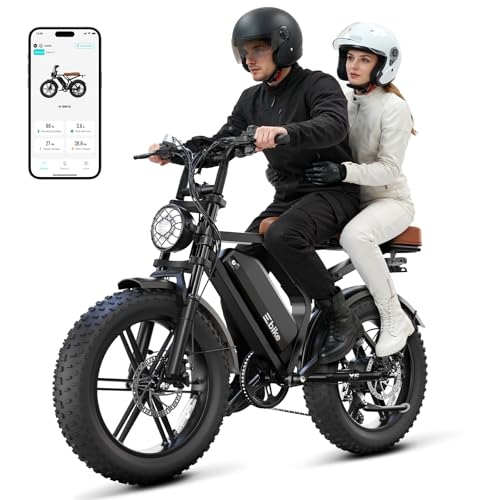
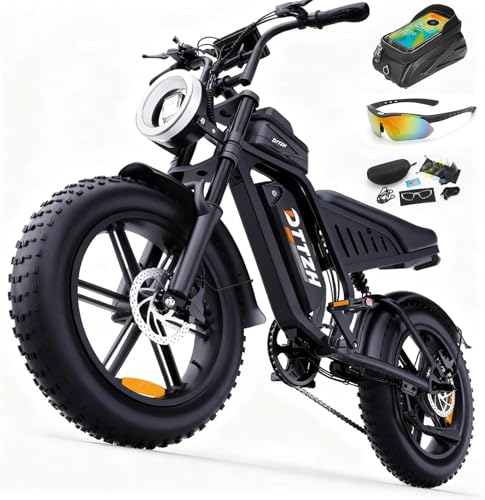
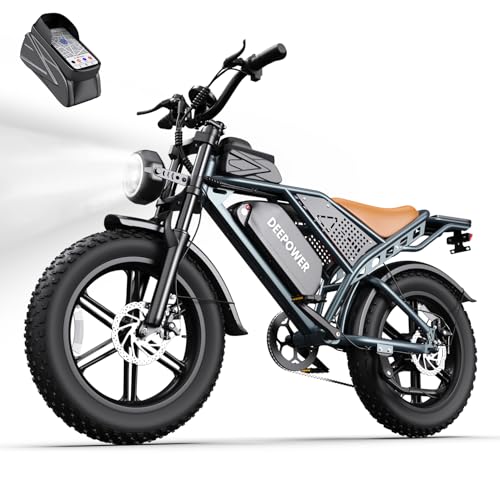
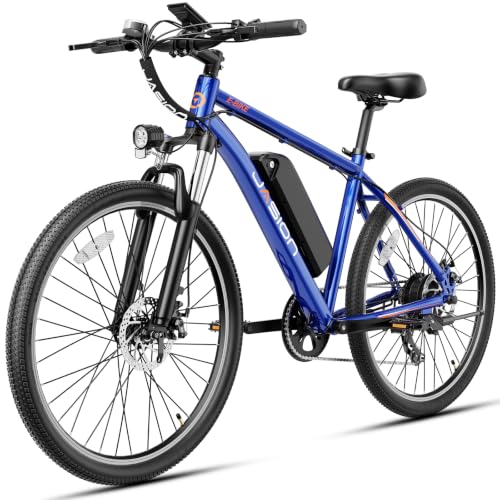
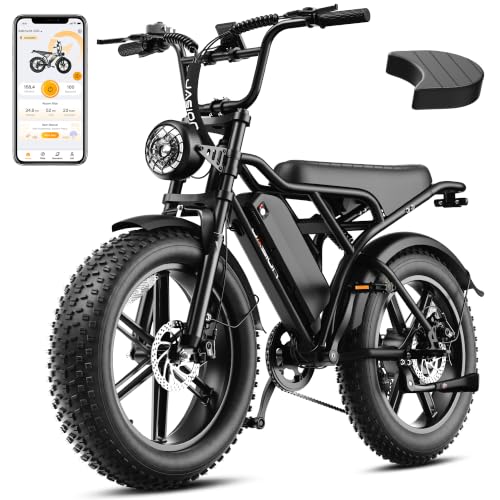
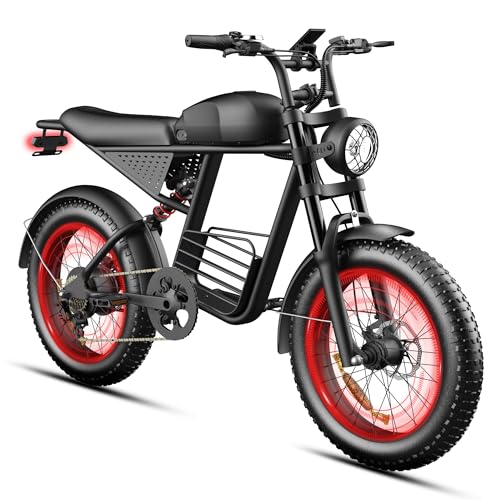
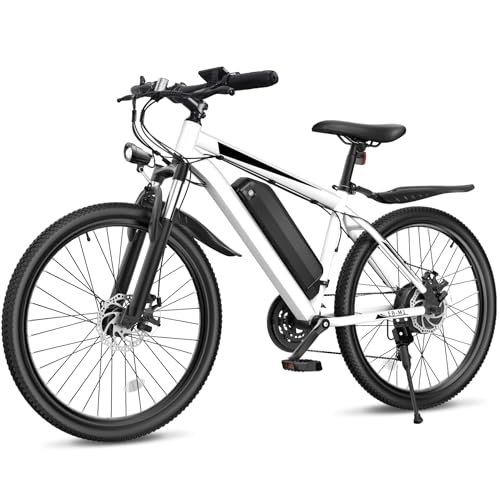
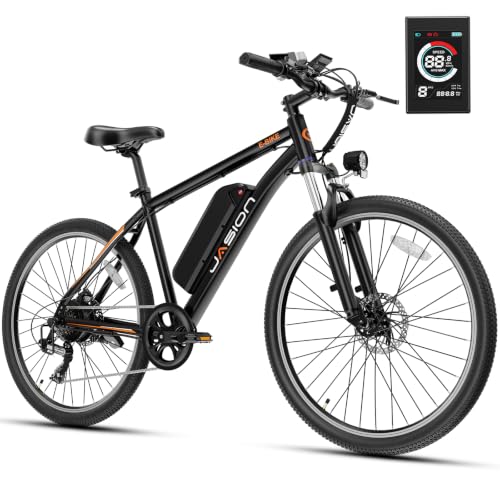
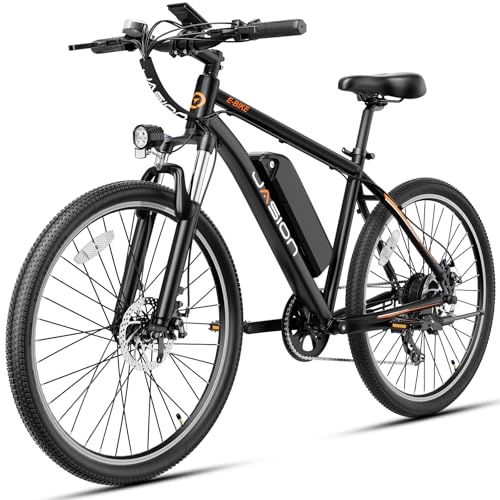
The single biggest factor in how an e-road bike feels isn't the battery size, it's where the motor sits. A hub motor built into the front or rear wheel pushes or pulls you along independent of your pedaling, which gives a smooth, consistent boost but can feel disconnected from your own effort. It's a simpler, often lighter setup, and it keeps the drivetrain mechanically separate from the motor, so maintenance stays closer to a normal bike.
A mid-drive motor sits at the crank, between the pedals, and drives the chain directly. Because it works through your existing gears, it multiplies your effort rather than replacing it, so climbing feels more like pedaling a lighter version of yourself than being shoved from behind. That's why most performance-oriented electric road bikes use mid-drive systems. The tradeoff is weight distribution: a mid-drive motor sits low and central, which actually helps handling, but the added mass near the bottom bracket changes how the bike feels when you're pedaling with the assist turned off.
What Battery Range Really Looks Like on the Road
Advertised range numbers are best-case scenarios, measured on flat ground, in the lowest assist mode, with a light rider. Real-world range on rolling terrain with moderate assist typically lands well below the marketed figure, sometimes by half. A battery in the 400 to 500 watt-hour range suits shorter rides and lighter assist use, while 600 watt-hours or more makes sense if you're planning long weekend rides or regularly climbing.
Removable vs. Integrated Batteries
Removable batteries can be pulled out and charged indoors without hauling the whole bike inside, and you can carry a spare for longer days. Integrated batteries are built into the frame, which keeps weight lower and the silhouette cleaner, but charging usually means plugging in the whole bike. Neither option is wrong, it depends on where you store and charge the bike.
Charging Time
Most e-road batteries take three to five hours for a full charge from empty, with many chargers topping off the last 20 percent more slowly to protect battery health. If you commute daily, a battery that partially charges overnight in an hour or two of available time may matter more than outright capacity.
Deciding Whether an E-Road Bike Actually Fits How You Ride
The best electric road bikes reward a specific kind of rider, rather than every rider. If hills used to cut your route short, or you want to keep up with a faster group without redlining every climb, the assist extends your range and your enjoyment rather than replacing the workout. Fitness riders who want longer rides with less recovery time, and commuters covering ten or more miles each way, tend to get the most value from an e-road bike.
If your rides are short, flat, and casual, the extra weight and cost of a motor and battery may not pay off. A standard road bike stays lighter, needs less maintenance, and costs less to own over time. The honest question to ask is whether the assist changes what routes and distances are realistically available to you. If the answer is yes, the investment tends to make sense. If you'd only use the motor occasionally, a lighter unassisted bike is usually the better fit.
Bike Lane and Trail Access Rules You Need to Know Before You Buy
Most electric road bikes fall into one of three classifications used across most states:
- Class 1: pedal-assist only, capped around 20 mph, generally allowed on bike lanes and multi-use paths.
- Class 2: pedal-assist plus a throttle, also capped around 20 mph, with similar path access to Class 1 in most areas.
- Class 3: pedal-assist up to about 28 mph, usually restricted to roads and dedicated bike lanes rather than multi-use paths.
Rules vary by state and even by city, so it's worth checking local regulations before you buy, especially if you plan to ride on shared paths or trails rather than streets. A helmet is legally required in some states for Class 3 riders regardless of age, and insurance or registration requirements, while rare, do exist in a few jurisdictions. None of this should scare you off an e-road bike, but knowing the rules in your area keeps you from buying a bike that isn't legal where you actually want to ride it. Pairing the right road bike helmet with a class-appropriate bike is part of riding within those rules comfortably.
Weight, Handling, and Getting the Bike Where You're Going
Even a well-designed e-road bike weighs more than its analog counterpart, often by ten to fifteen pounds once you add the motor and battery. That extra weight is most noticeable when the assist is off, when you're carrying the bike up stairs, or when you're loading it onto a vehicle. It has less effect once you're rolling and the motor is helping out.
If you plan to drive to rides or races, check the weight rating on any rack you own before assuming your current setup will handle it; many standard trunk racks aren't rated for the extra weight of a mid-drive motor and integrated battery. A rated bike rack for cars built for heavier loads avoids stress on the frame and the rack itself during transport. It's a small detail, but it's an easy one to overlook until the bike is already home.
Frequently Asked Questions
Do electric road bikes still give you a workout?
Yes. Pedal-assist systems amplify your effort rather than replace it, so you're still pedaling the whole ride. Many riders use lower assist levels to keep the exercise similar to an unassisted ride while adding it for hills or headwinds.
How much do electric road bikes weigh compared to regular road bikes?
Most electric road bikes weigh between 27 and 35 pounds, roughly ten to fifteen pounds more than a comparable non-assisted road bike, mainly due to the motor and battery.
Can you ride an electric road bike without the motor engaged?
Yes, most e-road bikes ride like a normal bike with the assist off, though the added weight makes them feel slightly heavier and less responsive than an unassisted bike of similar geometry.
Do you need a license or registration to ride one?
In most states, Class 1, 2, and 3 e-bikes don't require a license, registration, or insurance, though a few states have added requirements for faster Class 3 bikes. Check your state's specific rules before riding.
How long does the battery actually last on a ride?
Real-world range typically falls between 20 and 50 miles depending on assist level, terrain, and rider weight, well below the "up to" figures listed by manufacturers under ideal conditions.
Are electric road bikes allowed on group rides?
Many group rides and clubs welcome e-road bikes, especially in mixed-ability groups, though some competitive or drafting-focused rides restrict motorized bikes. Check with the ride organizer beforehand.
Is a mid-drive or hub motor better for hilly routes?
Mid-drive motors generally perform better on hills because they use the bike's existing gears to multiply your pedaling effort, making climbs feel more efficient than a hub motor's steady push.
Bringing These Details Together Before You Ride
Picking the right bike comes down to matching motor placement, battery size, and local riding rules to the miles you actually plan to cover. Once those three line up, the best electric road bikes stop feeling like a compromise and start feeling like your regular road bike with a little extra in reserve. Take the time to test ride a few setups before deciding, since motor feel varies more between models than most spec sheets suggest.