
Best Down Feather Pillows: Budget, Midrange, and Premium Picks
Disclosure: We may earn a commission when you buy through links on this page, at no extra cost to you. As an Amazon Associate I earn from qualifying purchases. Learn more

The best down feather pillows by budget: what $38, $50 and $249 pillows deliver in fill, loft and shell quality.
Down and feather pillows have a feel no foam can copy: soft, moldable and airy, yet supportive enough to fluff into whatever shape your neck likes. Prices stretch from about $38 for a set of two hotel style pillows to $249 for a single high fill power down pillow. Knowing what the extra money buys helps you avoid both flat, poky budget pillows and overpaying for features you will not notice. This guide to the best down feather pillows sorts them by budget, explains each price tier and points out the features worth paying for.
We cover three picks, what each price tier delivers, the features that matter, a quick look at down versus feather fills, long term costs and common questions. Every pillow in the table above is sold new on Amazon US. If you have ongoing neck or shoulder pain, ask your doctor or physical therapist which pillow height suits you.




Top 3 Picks by Budget
Our picks are the COZSINOOR goose down feather set for tight budgets, the basic home hotel style pillow for most sleepers and the Lincove Cloud as a premium high fill power down pillow. Each covers a different price point and feel.
We compared fill type and ratio, fill power where listed, shell fabric and thread count, liners that reduce feather poke, size, care and certifications, along with the overall pattern in owner feedback. We did not sleep on these pillows ourselves; the notes reflect maker specifications.
Choosing the best down feather pillows starts with your sleep position and how soft you like your pillow, then your budget.
Best Budget Pick: COZSINOOR Goose Down Feather Pillows
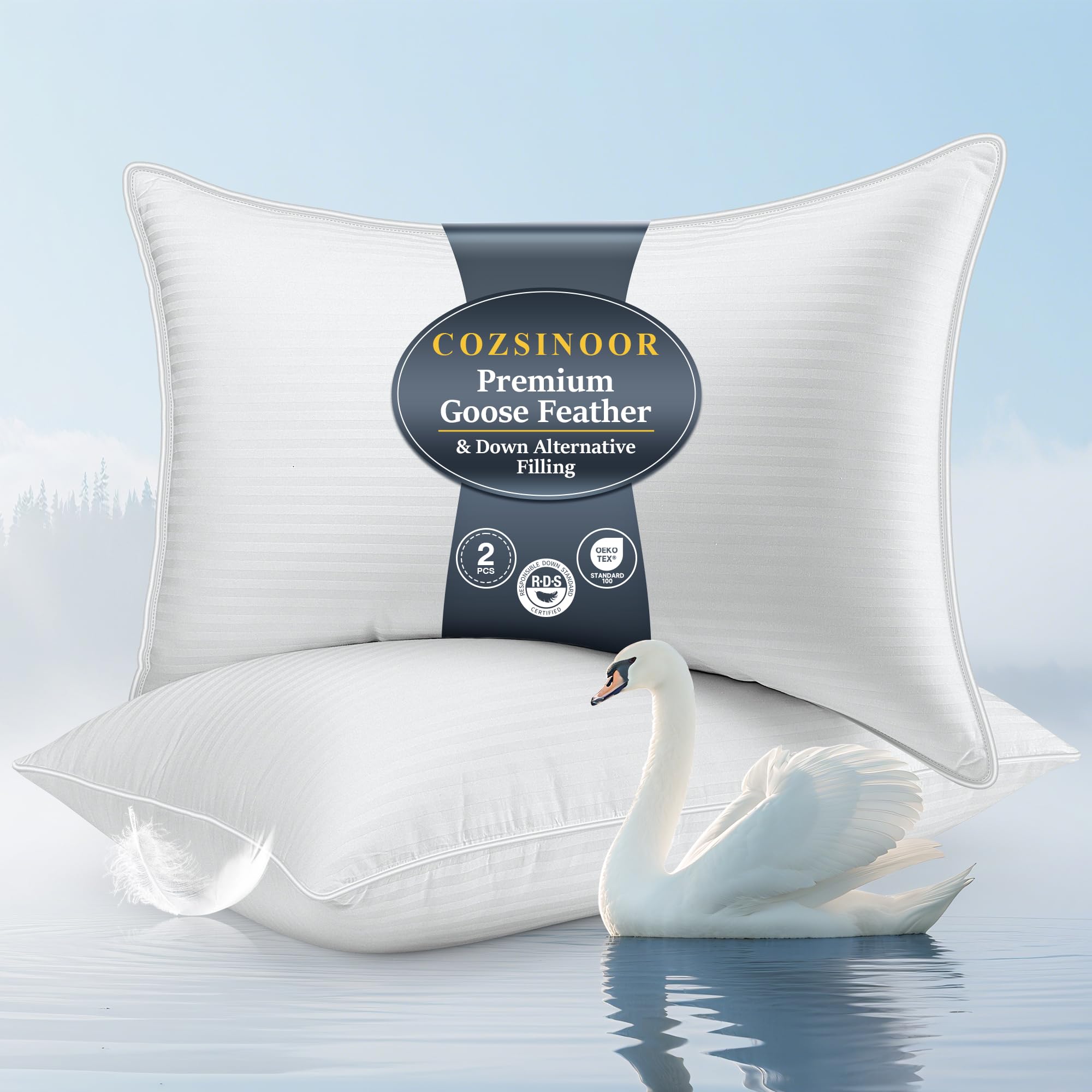
The COZSINOOR set suits shoppers who want feather and down comfort for very little money, at around $38 for two queen size pillows. As a goose down and feather blend sold as a pair, it offers the classic squishy, moldable feel at a fraction of premium prices.
Two strengths stand out: value per pillow and a size that fits standard queen pillowcases. Feather blends hold their shape when folded or bunched, which many side and back sleepers like. The limitation is that budget feather pillows usually contain more feathers than down, so they feel firmer and may poke through over time. Skip it if you want a cloud soft, all down feel.

Best Midrange Pick: basic home Hotel Style Goose Feather and Down Pillow
The basic home hotel style pillow is for sleepers who want a dependable hotel feel at a fair price, at around $50. It measures 20 by 28 inches (queen) and uses a goose feather and down fill inside a 233 thread count cotton cover with an anti poke liner, according to the listing.
Its strengths are the anti poke liner, which helps keep quills from working through the shell, and a cotton cover that breathes better than polyester. The brand markets it as odorless, which addresses a common complaint with new feather pillows. The trade off is that a single pillow costs more than budget pairs. Skip it if you need two pillows at the lowest possible price.

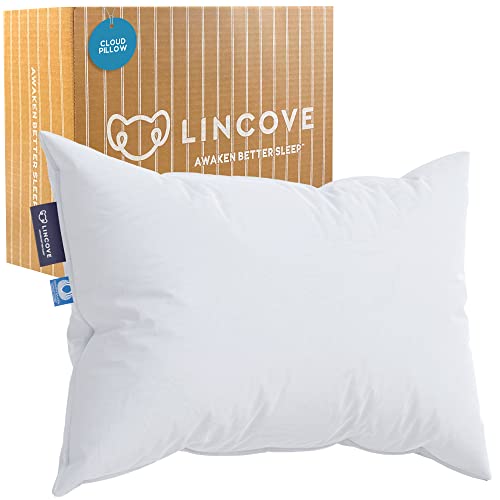
Best Premium Pick: Lincove Cloud Canadian Down Pillow
The Lincove Cloud suits sleepers who want genuine luxury down, at around $249 for one standard pillow. It is filled with Downmark certified Canadian white down rated at 625 fill power, inside a 500 thread count 100 percent sateen cotton shell with a double stitched liner, and it is made in Canada.
The appeal is the light, airy loft that high fill power down provides, plus a custom travel case that makes it a memorable gift. Lincove offers refunds or exchanges within 30 days if you are not satisfied. The limitation is price; it costs many times more than feather blends. Skip it if you prefer a firm, dense pillow or have a down allergy.
What Your Money Gets You at Each Price Tier
Down and feather pillows fall into three broad price bands. Prices change often, so compare cost per pillow when shopping sets.
Budget Tier: What to Expect
Under around $40 for a pair, pillows like COZSINOOR and other hotel style sets mostly use feathers with some down. They feel supportive and moldable, but quills may poke through thinner shells, and they flatten faster with nightly use.
Budget pillows suit guest rooms, kids' rooms and anyone curious about feather pillows before investing more. Plan to fluff them daily and replace them sooner.
Look for at least a cotton or cotton blend shell and a zippered pillow protector to extend their life.
Some budget pillows arrive vacuum compressed. Fluff them well and give them a day or two to recover full loft before judging how they feel.
Midrange Tier: The Sweet Spot for Most Buyers
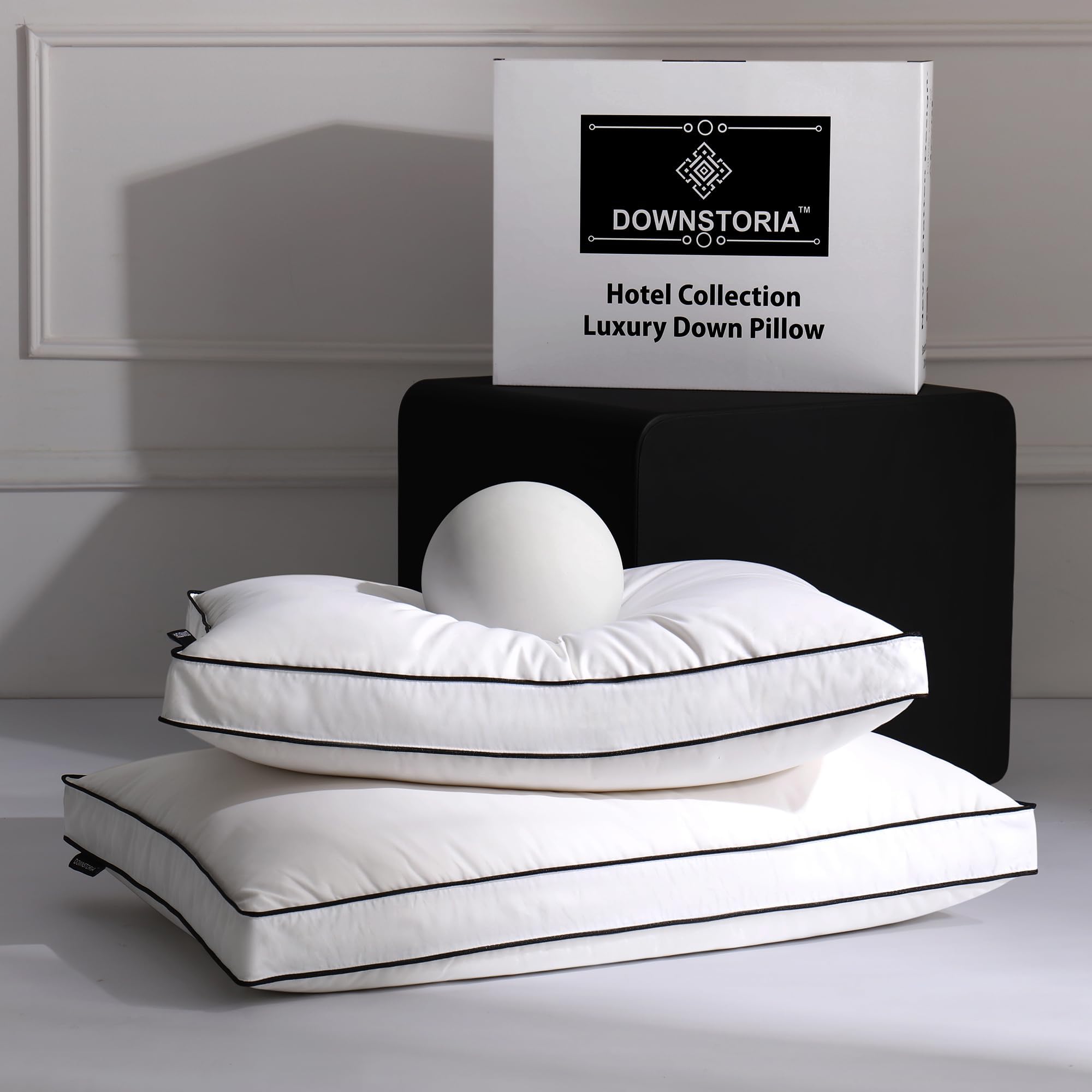
Between around $45 and $130, pillows like basic home, DOWNSTORIA, puredown, Pacific Coast and Canadian Down and Feather Co. add higher down content, better cotton shells, gussets for extra loft and anti poke liners. Canadian Down and Feather Co. lists 625 fill power white down and a 500 thread count shell on its single pillow.
This tier offers the best balance for most sleepers, with noticeably better comfort and durability than budget sets without luxury prices.
Gusseted pillows, like some DOWNSTORIA and Pacific Coast models, have a fabric strip around the sides that adds height and keeps fill evenly distributed, which side sleepers often appreciate.
Premium Tier: When Spending More Pays Off
Above around $130, pillows like the Lincove Cloud and ANSSO Canadian goose down pillows use high down content and high fill power, sometimes with certified, responsibly sourced down. They feel lighter and loftier and often last longer with care.
Spending more pays off for sleepers who love a soft, cloud like feel, people who keep pillows for many years and gift buyers.
Premium pillows also make sense for people who dislike feather quills, since high down content pillows have far fewer quills to poke through.
Features Worth Paying For (and Ones to Skip)
Shell quality, liners, fill ratio and responsibly sourced down are worth paying for. Very high thread counts and marketing names are optional. Here is how to weigh each feature.
Cooling and Breathability
Down and feathers breathe better than solid memory foam, so they generally sleep cooler. Cotton shells, especially percale or sateen in moderate thread counts, let air circulate. Polyester blend shells trap more heat.
Hot sleepers should choose all cotton shells and avoid adding thick, non breathable protectors.
Pillowcase choice matters too. A cotton or linen pillowcase over a breathable shell keeps the whole setup cool, while satin or polyester cases can trap heat.
Certifications (CertiPUR US, OEKO TEX, RDS)
For down pillows, the Responsible Down Standard (RDS) and Downmark certify responsibly sourced down and quality. OEKO-TEX Standard 100 shows fabrics were screened for harmful substances. CertiPUR-US applies to foam, so it matters only for hybrid pillows with foam cores, like the Cosybay set with a memory foam center.
Certifications are worth paying a little more for if animal welfare and material safety matter to you.
Durability and Care
Durable pillows use tightly woven, down proof shells, double stitched seams and inner liners. Many down feather pillows can be machine washed on gentle and tumble dried low with dryer balls until fully dry, but check the label first.
A zippered pillow protector reduces how often you need to wash the pillow itself.
Fluff pillows every morning by squeezing and punching them a few times to redistribute fill, and air them in sunlight occasionally to freshen them.
Support, Loft, and Sleep Position
Loft and firmness should match how you sleep. Side sleepers usually need a higher, firmer pillow to fill the space between shoulder and head, which feather heavy or gusseted pillows provide. Back sleepers often prefer medium loft, while stomach sleepers need a soft, low pillow.
Down pillows can be fluffed and folded to adjust height, which makes them versatile for combination sleepers.
Many couples keep two pillow types on the bed, a firmer feather pillow for side sleeping and a softer down pillow for reading or back sleeping, which lets each person adjust through the night.
Material and Fill
Down clusters are soft and lofty with no quills, while feathers have quills that add support and weight. The fill ratio, such as 80 percent down and 20 percent feathers, tells you the blend. Fill power measures loft; 600 and above indicates quality down, and higher numbers feel airier.
Goose and duck down both work well. Goose down clusters are often larger, but quality and fill power matter more than species.
Down alternative pillows, made from polyester clusters, mimic the feel of down for people with allergies or ethical concerns. They are usually cheaper and easier to wash but tend to flatten faster than quality down.
Picking the Right Down Feather Pillows for Different Uses
The fill you choose shapes how the pillow feels night to night.
Best Down or Feather Pillows: Where Your Money Goes
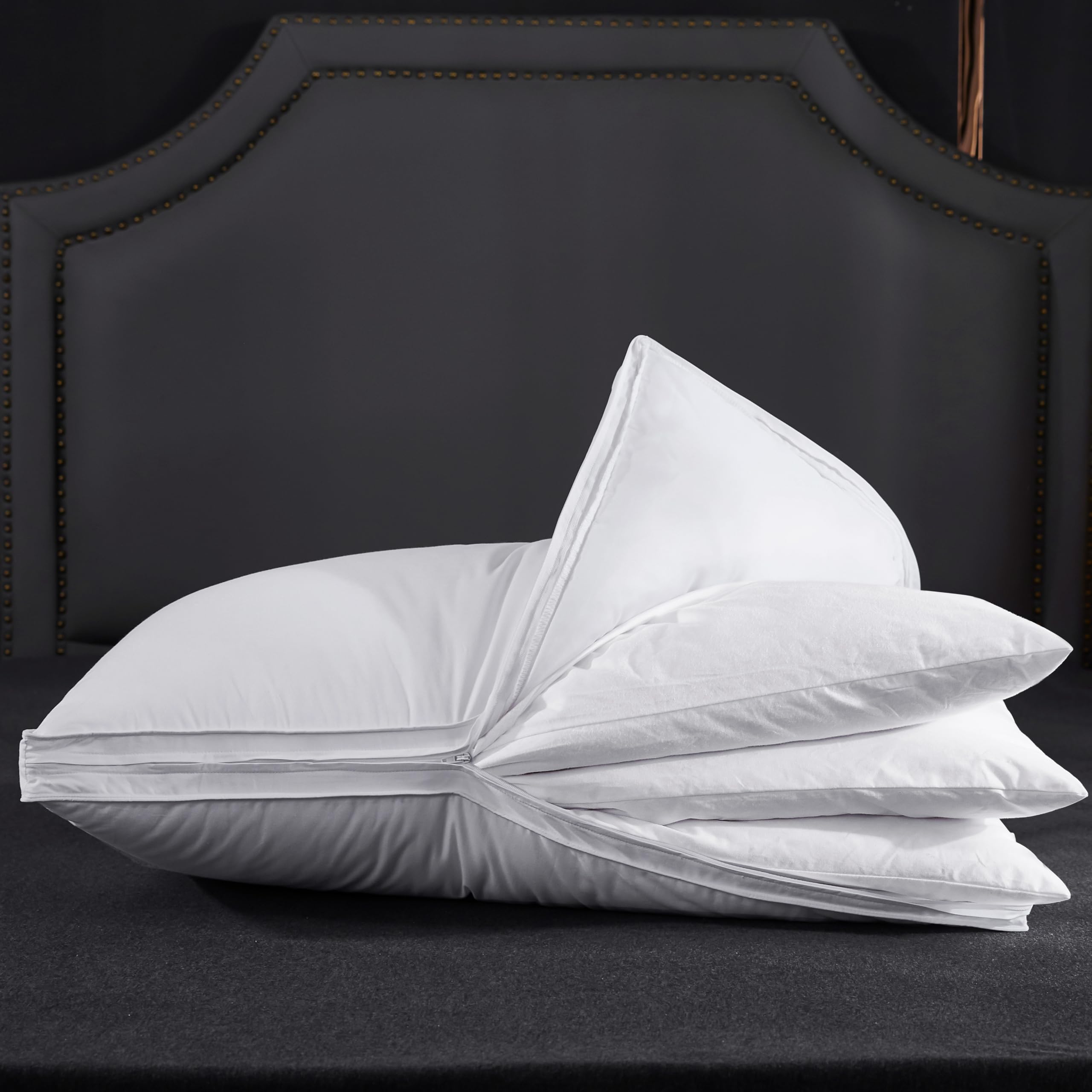
Down pillows put your money into softness and lightness, while feather pillows put it into support at a lower price. Choose mostly down, like the Lincove Cloud, if you want a soft, airy pillow and do not mind fluffing. Choose feather blends, like COZSINOOR or basic home, if you want more support and value. Adjustable layer pillows, like Three Geese, let you add or remove layers.
Long Term Costs to Factor In
Pillow protectors cost a few dollars each and greatly extend pillow life. Washing and drying down pillows takes time and energy, since they need long, low heat drying to avoid clumping and odors. Budget feather pillows may need replacing every year or two, while quality down pillows often last several years, so higher upfront cost can balance out over time.
People with allergies should note that many reactions blamed on down are actually caused by dust mites. Washed, high quality down and a zippered allergen barrier cover help, but if you have known allergies, consider down alternative pillows and ask your doctor for advice.
Down Feather Pillows: Your Questions Answered
How do I wash down feather pillows safely?
Check the label first. If machine washable, wash two pillows at once in a front loader on a gentle cycle with mild detergent, rinse twice and tumble dry on low with dryer balls until completely dry, which can take several hours. Damp down can smell and clump.
Which pillow height is best for neck pain?
Many people with neck pain do best with a pillow that keeps the head level with the spine: higher for side sleepers, medium for back sleepers and low for stomach sleepers. Down pillows can be fluffed to adjust height. If neck pain persists, ask your doctor or physical therapist.
How often should I replace my down feather pillow?
Replace feather pillows every one to two years and quality down pillows every three to five years, or when they stay flat after fluffing, smell or have stains. Fold the pillow in half; if it does not spring back, it is time for a new one.
Using a pillow protector and washing it often is the easiest way to stretch a pillow's life toward the upper end of these ranges.
Are cooling down feather pillows worth it for hot sleepers?
Down and feather pillows already sleep cooler than solid foam because air moves through the fill. Choose a breathable cotton shell for the best results. Specialty cooling shells can help a little, but a cotton shell and a breathable pillowcase usually make the biggest difference.
Is a higher thread count always better?
No, a higher thread count is not always better. A tightly woven, down proof shell around 230 to 500 thread count keeps feathers in and breathes well. Very high thread counts can feel stiff or trap heat without improving durability.
Look for the words down proof on the shell, which matter more than the number itself.
The Bottom Line
The best down feather pillows match your sleep position, budget and preferred feel. COZSINOOR is a great budget pair, basic home offers dependable midrange hotel comfort and the Lincove Cloud delivers premium Canadian down. Focus on fill ratio, shell quality and loft, and protect your pillows with covers.
For more pillow guides, see the best pillows for neck pain, the best pillow for shoulder pain, the best cooling pillows and the best feather pillows. Then compare current prices in the product table above.


