
Best Budget Comforter: What to Know Before You Buy
Disclosure: We may earn a commission when you buy through links on this page, at no extra cost to you. As an Amazon Associate we earn from qualifying purchases. Learn more

Shopping for bedding on a budget usually means facing a wall of comforters that all look about the same online, priced anywhere from just a few dollars to several times that, with no clear signal about which one will actually hold up. Cheap doesn't have to mean poor quality, but there is a real gap between comforters that are simply inexpensive and ones built to feel and perform like pricier options. Finding the best budget comforter for your bed comes down to understanding what you're paying for: the fill material, how much of it there is, how it's stitched into place, and how well the whole thing is sized for your mattress. This guide walks through what actually separates a smart budget buy from one you'll be replacing again in a year.
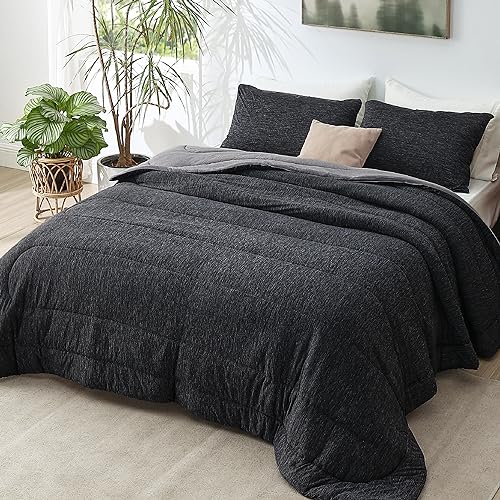
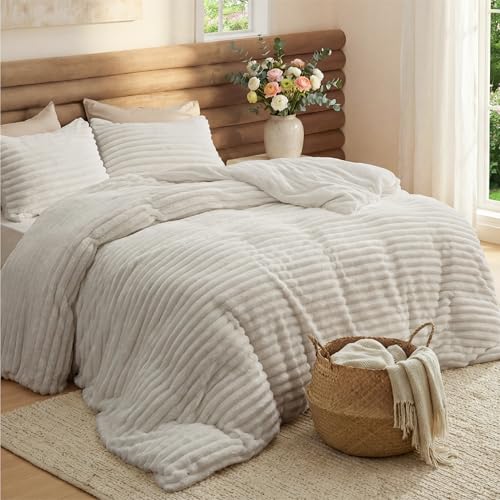
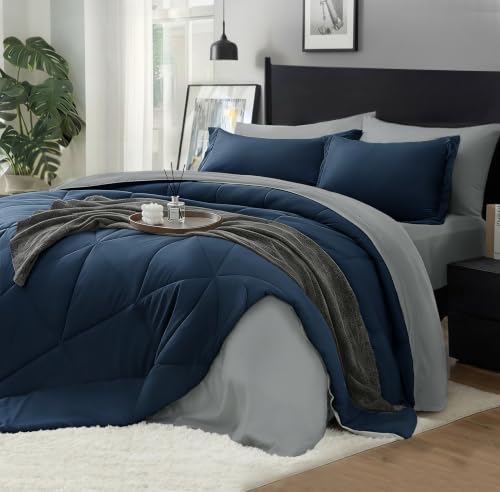
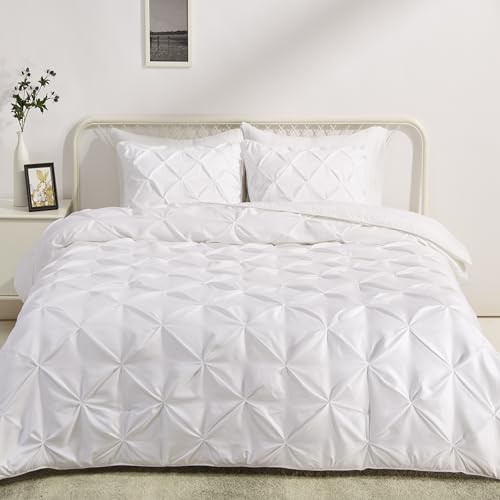
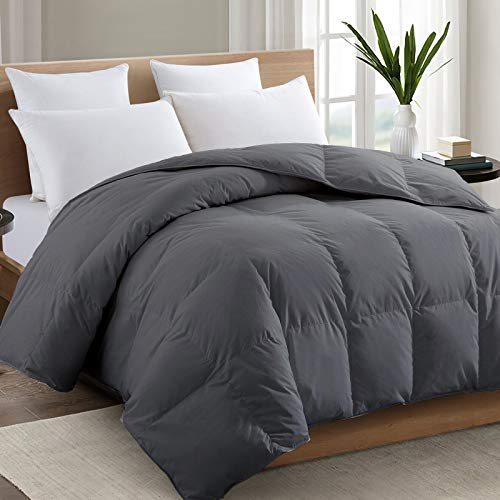
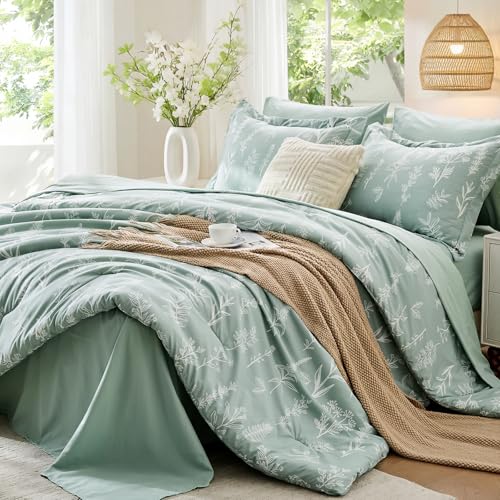
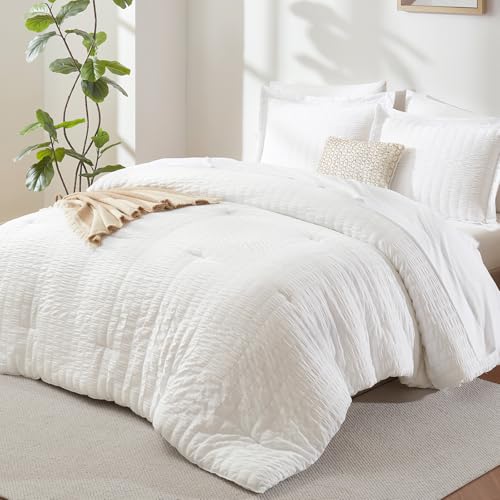
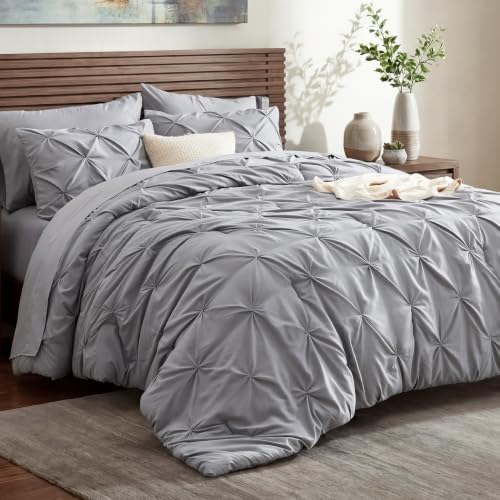
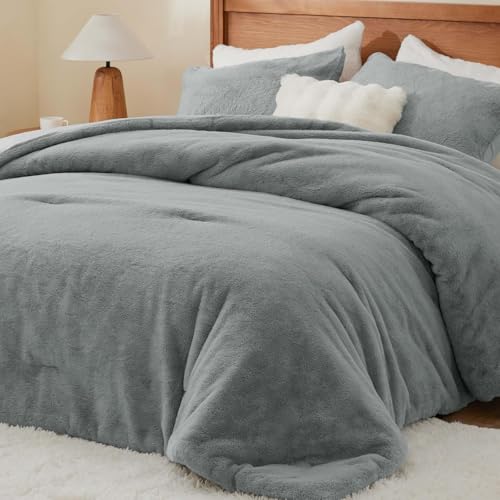
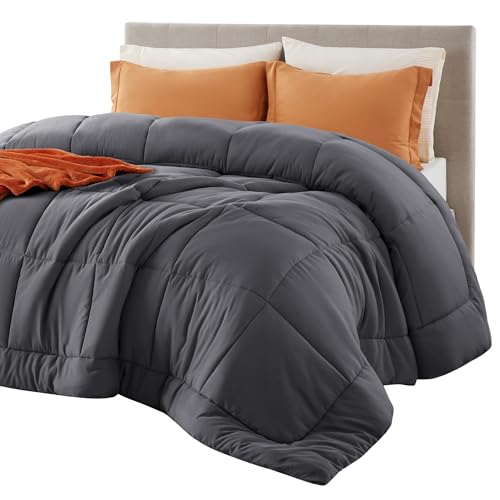
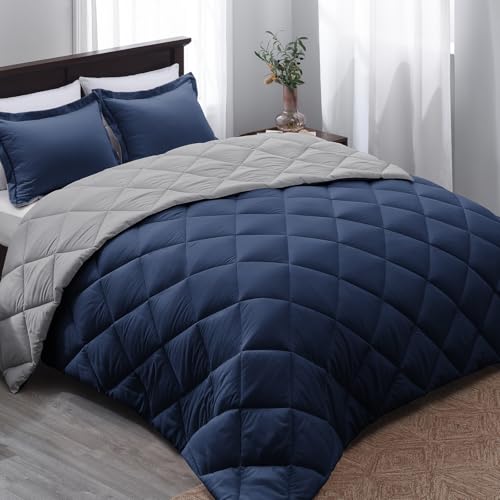
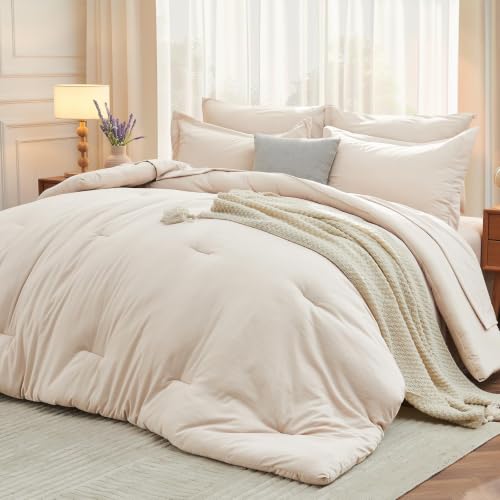
What Fill Actually Drives the Price
Fill material is the single biggest factor separating an inexpensive comforter from one that costs several times more, and it's also the easiest thing to evaluate before you buy. Two categories dominate the affordable end of the market: down alternative and natural down, with polyester fibers doing most of the heavy lifting in the first group.
Down Alternative Fill Is the Budget Default
Most inexpensive comforters use polyester microfiber clusters designed to mimic the loft of real down without the cost. This fill is hypoallergenic, machine washable, and holds up reasonably well as long as the clusters are dense and evenly distributed rather than thin and wispy. Squeeze the comforter through its packaging if you can; it should spring back rather than stay flattened.
Natural Down Without the Luxury Price Tag
Genuine down comforters can still fit a tight budget if you accept a lower fill power, generally in the 300 to 500 range, rather than the 600-plus fill power found in premium bedding. Lower fill power down is still warm and lightweight, it just needs slightly more of it by weight to reach the same warmth level as a high fill power comforter.
Why Fill Weight Changes What You Pay
Fill weight, measured in grams per square meter or sometimes listed as ounces of fill, drives both cost and warmth more directly than the material itself. A lightly filled comforter is cheaper to produce and ship, so brands can price it lower, but that also means less insulation. When two comforters use the same fill type but one costs noticeably less, check the fill weight listed in the description before assuming it's the better deal.
Warmth and Weight: Matching Your Climate
A budget comforter that's genuinely the best budget comforter for your bedroom isn't necessarily the cheapest one, it's the one whose warmth level actually matches how your room feels at night. Buying based on price alone often means ending up too hot or too cold and reaching for a second blanket anyway.
Picking a Weight Category for Your Bedroom
Lightweight fills work best in warm climates or bedrooms that run hot, generally staying under 300 grams per square meter. All-season options land in the 300 to 500 range and suit most bedrooms without extreme central air or heating. Heavyweight comforters, above 500 grams per square meter, are built for cold bedrooms and winter climates, trading breathability for maximum insulation.
Hot Sleepers Need a Different Budget Strategy
If you sleep hot, spending less on a lightweight comforter and pairing it with better airflow elsewhere in your bedding, such as a cooling memory foam pillow, often works out better than buying a heavier comforter and fighting with it all summer. Layering a lighter comforter with a separate throw for cold snaps is usually cheaper than buying one heavyweight piece meant to cover every season.
Construction Details That Signal Quality
How a comforter is stitched together matters almost as much as what's inside it, and it's one of the clearest signs of where a manufacturer cut costs to hit a lower price.
Sewn-Through Stitching Keeps Costs Down
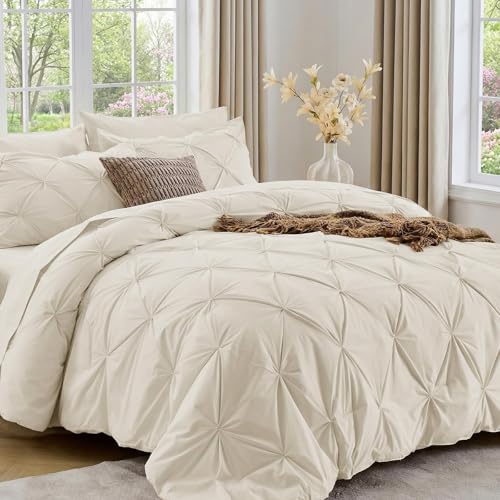
Sewn-through construction stitches straight through the top and bottom fabric layers to create flat pockets of fill. It's cheaper to manufacture, which is why most affordable comforters use it, but it also compresses the fill at every seam line. That compression can create thin spots and mild cold spots along the stitching, though it's rarely a real problem in an all-season or lightweight comforter.
Baffle-Box Construction Costs More for a Reason
Baffle-box or gusseted construction adds interior fabric walls between the top and bottom layers, letting the fill loft fully inside each chamber instead of getting pinched flat. It distributes warmth more evenly and holds its shape longer, but the extra fabric and labor push the price up. It's worth the upgrade mainly for heavyweight, cold-climate comforters where even warmth matters most.
What to Check on the Label
Look for stitch lines that form a grid no wider than roughly six to eight inches per box or channel. Wider spacing usually means less stitching, which is cheaper to produce but lets fill shift and clump after repeated washing.
Where Low-Price Comforters Cut Corners
Every comforter at a rock-bottom price had to save money somewhere, and knowing where that savings usually shows up helps you tell a smart deal from one that will fall apart quickly.
- Thin outer shell fabric that feels papery rather than substantial, and tends to let fill fibers poke through after a few washes
- Uneven fill distribution from wide or inconsistent stitching, leading to clumps in some areas and bare patches in others
- Missing or flimsy corner loops, which matter if you plan to use the comforter inside a duvet cover instead of on its own
- Lower overall stitch density, which speeds up manufacturing but shortens the comforter's useful life
None of these shortcuts make a comforter unusable, and plenty of inexpensive options perform fine for a year or two of regular use. The goal is knowing which trade-offs you're comfortable making rather than assuming the lowest price always means the same quality as everything else on the shelf. If your bedroom already leans cozy, layering in a cashmere throw blanket for extra warmth can let you buy a lighter, less expensive comforter without sacrificing comfort on colder nights.
Getting the Size Right Without Overspending
Buying the wrong size wastes money just as easily as buying the wrong fill, since an ill-fitting comforter either looks skimpy or wastes fabric you're paying for and never see.
Standard vs Oversized
A standard queen comforter runs roughly 88 to 90 inches wide, giving a modest drop over the sides of a standard queen mattress. Oversized queen options, closer to 96 to 98 inches, add extra drape that suits taller or pillow-top mattresses but costs somewhat more in fabric and fill. Unless your mattress is unusually thick, the standard size is usually the more budget-friendly choice without looking undersized.
Matching the Comforter to Your Mattress
Aim for roughly 10 to 14 inches of overhang on each side and 4 to 8 inches at the foot of the bed. Measure your mattress height before ordering, since a taller mattress or one on a raised frame will need the oversized version to avoid a comforter that looks stretched thin. Once the comforter is sized right, finishing the bedding set with something like a well-fitted pillow completes the look. Our guide to choosing the perfect pillow covers that step in more detail.
Frequently Asked Questions
What fill weight is best for a budget comforter?
For most bedrooms, an all-season fill weight between 300 and 500 grams per square meter offers the best balance of warmth and price. Go lighter if your room runs warm or you sleep hot, and heavier only if you're in a genuinely cold climate.
Is down alternative or real down better for a tight budget?
Down alternative is almost always the more affordable option and performs well for most sleepers, plus it's easier to wash. Real down can still fit a budget at lower fill power, but it typically costs more per unit of warmth than polyester fill.
What's the difference between a comforter and a duvet insert?
A comforter is a finished, single piece meant to be used as-is, while a duvet insert is designed to go inside a separate removable cover. Comforters are usually cheaper upfront since there's no cover to buy, though a duvet setup can save money over time because you only wash the cover.
How do I keep a cheap comforter from clumping?
Wash on a gentle, cold cycle and dry on low heat with a couple of clean dryer balls to redistribute the fill as it dries. Avoid overloading the washer, since a cramped drum is one of the main reasons fill bunches up unevenly.
What size comforter fits a queen bed?
A standard queen comforter, around 88 to 90 inches wide, fits most queen mattresses with a modest overhang. If your mattress is thicker than average or sits on a raised frame, an oversized queen comforter gives a fuller drape.
Are hypoallergenic comforters more expensive?
Not necessarily. Most down alternative comforters are naturally hypoallergenic since they're made from synthetic fill rather than animal-based materials, so hypoallergenic often comes standard at the budget end of the market rather than as an upcharge.
Making a Smart Budget Pick
The best budget comforter isn't automatically the cheapest one on the page, it's the one where the fill weight, construction, and size actually match how and where you sleep. Paying attention to fill type, stitch pattern, and a few inches of sizing detail usually matters more to how long a comforter lasts than the price tag alone. Once you know what to check, a budget-friendly comforter can hold up just as well as one that costs twice as much.