
Best Door Security Bars: A Buying Guide for Your Home
Disclosure: We may earn a commission when you buy through links on this page, at no extra cost to you. As an Amazon Associate we earn from qualifying purchases. Learn more

A kicked-in door takes less than ten seconds to give way, and most standard locksets were never built to survive it. That gap between what a deadbolt promises and what it can actually stop is exactly why so many renters, homeowners, and frequent travelers start shopping for the best door security bars instead of relying on the lock alone. Unlike a lock, a bar adds physical resistance an intruder has to fight through, not just a mechanism they have to pick or force. In this guide, you'll learn what actually makes a security bar strong, which type fits your door and living situation, how to size and place one correctly, and what to check so a bar that's supposed to protect you never becomes a hazard in a fire.
What Makes a Door Security Bar Actually Resist Forced Entry
Not every bar sold as a security bar performs the same way under a real kick or shoulder ram. The materials and build quality behind it matter more than the marketing photo on the box.
Steel vs. aluminum construction
Steel bars flex less under impact and generally hold up to higher force before bending or slipping, which is why most models rated for serious forced-entry resistance use steel tubing. Aluminum bars are lighter and resist rust better, which makes them a reasonable pick for travel or occasional use, but they're more prone to bowing if someone puts real weight into the door.
Tested weight and force ratings
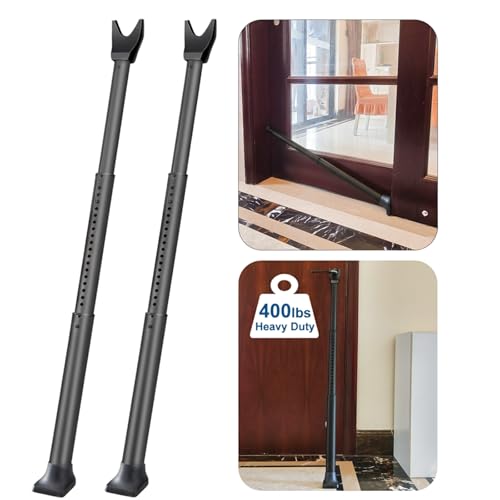
Look for a stated resistance rating rather than vague claims. Better bars publish a tested force capacity, often in the range of several hundred to a couple thousand pounds of pressure, so you can compare products on something concrete instead of guessing. If a listing doesn't mention any tested figure at all, treat that as a gap, not a good sign.
The foot and grip matter as much as the bar
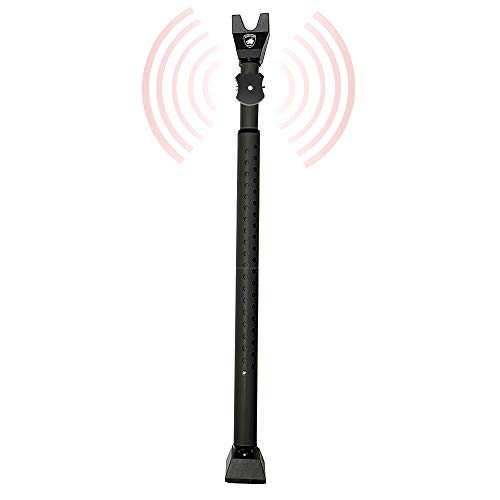
A door security bar is only as good as the point where it meets the floor. A wide, non-slip rubber foot keeps the bar from skating sideways under pressure, and it should hold that grip on tile, hardwood, laminate, and carpet alike. A bar with a hard plastic or narrow foot can still be defeated even if the shaft itself is strong steel.
Types of Door Security Bars and Which One Fits Your Door
Door security bars aren't a single product category, and understanding the differences is the first step to finding the best door security bars for your specific door. The four common styles work differently, and picking the wrong one for your door type usually means it underperforms no matter how well it's built.
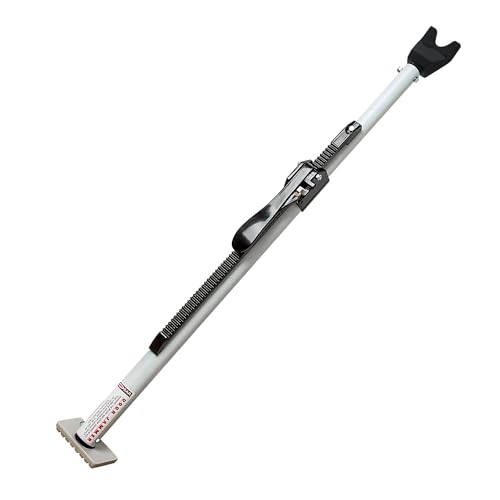
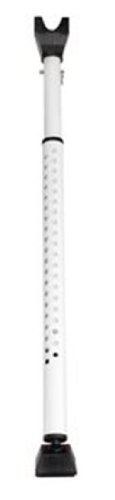
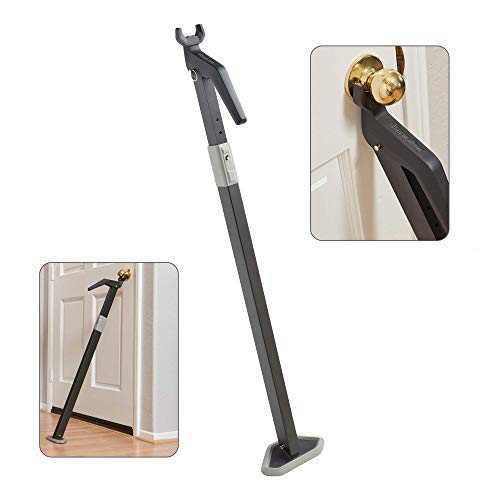
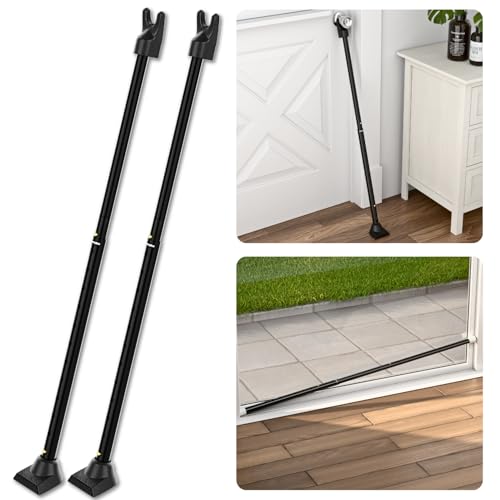
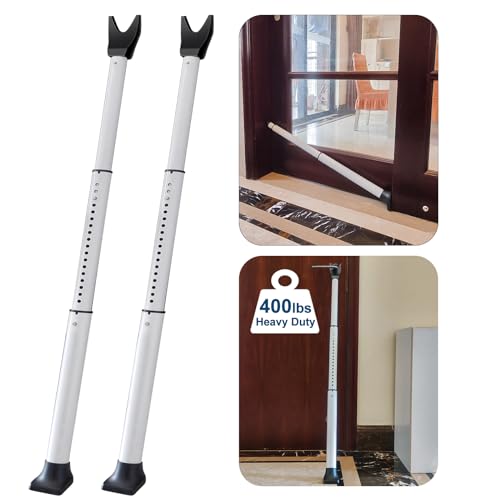
Floor-to-knob bars
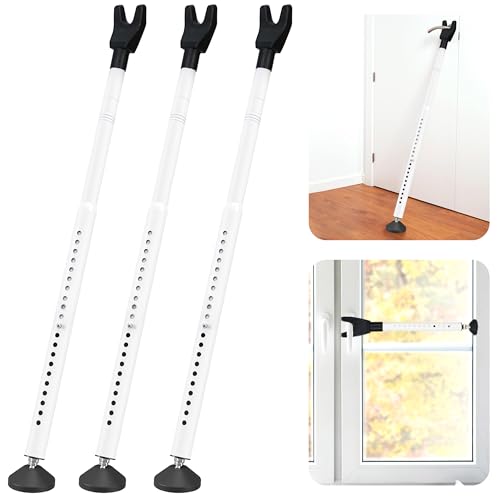
This is the classic style: one end angles up under the doorknob or lever, the other braces against the floor a foot or so away. It works on almost any hinged interior or exterior door and requires no drilling, which is why it's the most common pick for both renters and homeowners who want something removable. Some households pair this style with a keyless entry door lock upgrade, using the bar as backup resistance rather than the sole line of defense.
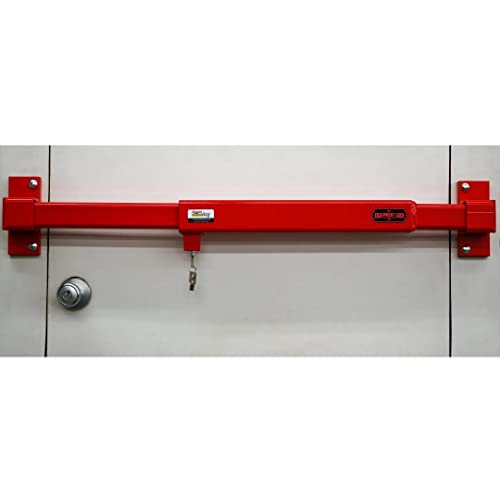
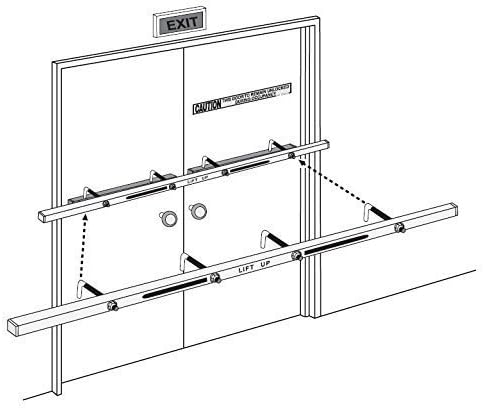
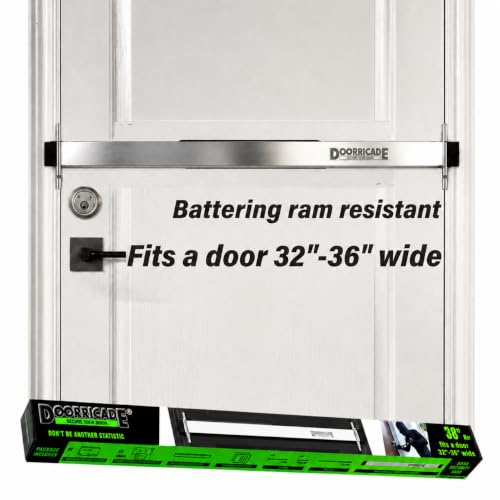
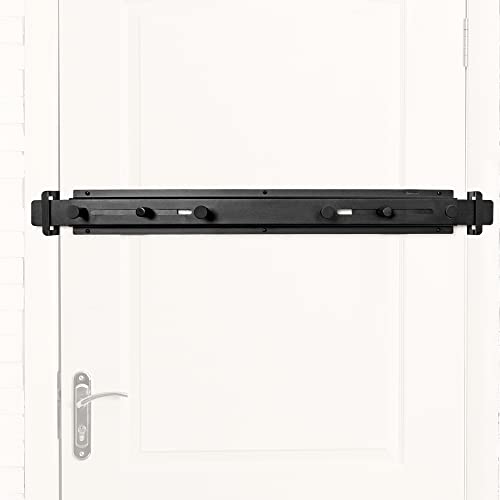
Wall-mounted horizontal bars
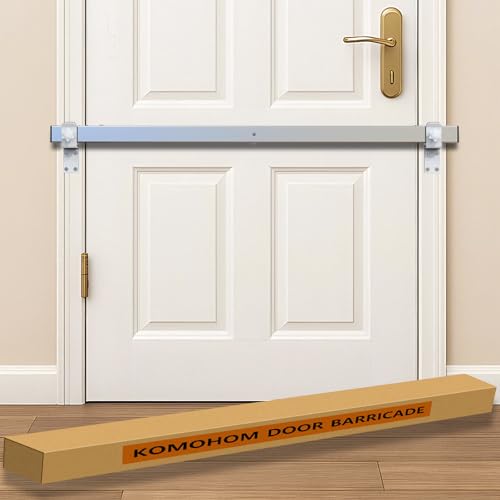
These drop into brackets fixed to the wall studs on either side of the doorframe, spanning the width of the door itself. Because they're anchored into the wall rather than braced against the floor, they tend to hold up to significantly more force, but installing the brackets means putting screws into the wall, so this style suits homeowners more than renters.
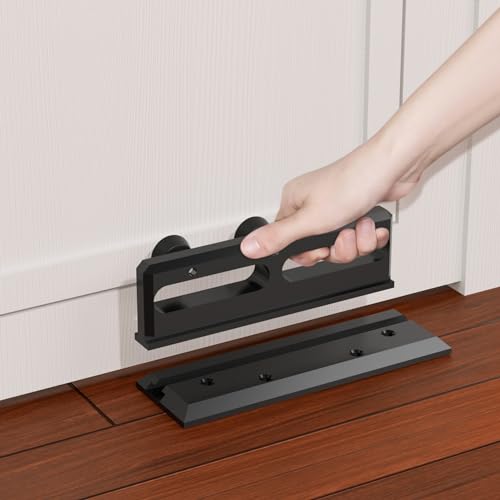
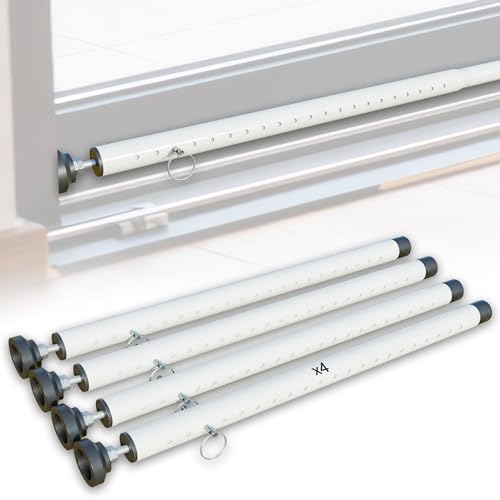
Sliding and patio door bars
Sliding glass doors need a different approach since there's no swinging knob to brace against. These bars sit in the track itself, blocking the door from being slid open even if the latch is defeated. Some models double as window bars, which is worth checking if you also want to secure a sliding window with the same product.
Portable travel bars
Compact and lightweight, these are designed to slip into a bag and set up in seconds in a hotel room, dorm, or short-term rental. They trade some of the raw strength of a full-size bar for portability, and they're really a supplement to a locked door rather than a primary home security tool.
If you'd rather secure the door itself instead of adding a removable brace, it's worth looking at a smart door lock upgrade as a complementary or alternative layer, since the two solve slightly different problems.
Getting the Fit Right: Sizing and Placement
Even a well-built bar fails if it's sized or positioned wrong for your door. This is one of the most common reasons people end up disappointed with a bar that should have worked fine.
Match the adjustable range to your door
Most floor-to-knob bars adjust somewhere between roughly 21 and 46 inches to accommodate different knob heights and floor clearances, while sliding door bars need to match your specific track width. Measure the actual distance from your doorknob or handle down to the floor before buying, and check that your door falls comfortably within the product's adjustable range rather than at the very edge of it.
Get the angle and foot placement right
The bar needs a slight forward angle, with the base foot planted roughly 12 to 18 inches out from the door, so the pressure of an impact drives the bar down into the floor instead of letting it slip. A bar set too vertically or too flat won't transfer force the way it's designed to, no matter how strong the shaft is.
Account for your flooring type
Hard, smooth surfaces like tile or hardwood need a grippier rubber foot than carpet does, since carpet fibers already add some resistance to sliding. If your entry has a hard floor, prioritize bars with textured or high-grip bases specifically, since a bar that skids under pressure loses most of its effectiveness.
Fire Safety and Emergency Release: What to Check Before You Buy
This is the one category of buying mistake that isn't just inconvenient, it can be genuinely dangerous, so it deserves its own section rather than a passing mention.
Never choose a bar you can't remove instantly from inside
A security bar is meant to slow down someone trying to get in, but it should never slow down you or your family trying to get out. Avoid any bar that requires a key, a tool, or more than a second or two to release from the inside during an emergency. If you can't picture removing it half-asleep in the dark with smoke in the room, it's the wrong choice for a bedroom or the only exit from a space.
Keep at least one clear, unbarred exit
If you're securing a front door, make sure there's still a way out that doesn't depend on removing the bar first, whether that's a back door, a window that opens freely, or simply everyone in the household knowing exactly how the bar comes off. This matters most for units with a single exit, where a jammed or misremembered release could trap someone inside.
Skip anything marketed for permanent, tool-required removal
Some heavier-duty wall-mounted bars are marketed on their strength alone without much said about release speed. Ask that question directly, or check reviews for mentions of how quickly the bar comes free, before assuming a stronger bar is automatically a better one for a room people sleep in.
Renters, Homeowners, and Travelers: Matching the Bar to How You'll Use It
Who's using the bar and where changes which features actually matter, more than raw strength alone.
Renters need removable, damage-free options
Floor-to-knob bars and sliding door track bars are the go-to choice for apartments because they require no drilling and leave nothing behind when you move out, which sidesteps typical lease restrictions on modifying doors or walls. A reinforced strike plate is another renter-friendly upgrade worth pairing with a bar, since it's also reversible.
Homeowners can build a layered setup
If you own the property, a wall-mounted horizontal bar becomes a realistic option, and it pairs well with other upgrades rather than replacing them. Many homeowners combine a bar with a broader smart home security system for monitoring and alerts.
Adding indoor security cameras near entry points is a common next step too, since it means you know exactly what triggered an alert before deciding how to respond.
Travelers should prioritize compact and fast setup
A portable travel bar or door jammer is built for hotel rooms, short-term rentals, and situations where you can't install anything permanent. Look specifically for one that sets up in under a minute and packs down small enough to fit in a carry-on, since bulk defeats the purpose of a travel-specific product.
Frequently Asked Questions
Do door security bars really work?
Yes, a properly sized and positioned bar adds real physical resistance that most standard locks alone don't provide, forcing an intruder to fight through significantly more force to get the door open. It's not a substitute for a good lock, but it's an effective addition to one.
Can I install a door security bar without drilling?
Floor-to-knob bars and most sliding door track bars install with zero drilling since they simply brace against existing surfaces. Wall-mounted horizontal bars are the exception, since they need screws into the wall studs to hold their bracket.
Will a door security bar work on a sliding glass door?
Standard floor-to-knob bars generally won't, since sliding doors don't have a knob to brace against at the right height. Look specifically for a bar designed for sliding or patio doors, which sits in the track instead.
Are door security bars safe to use in a fire or emergency?
They can be, as long as you choose one that releases instantly from the inside without a key or tool. Avoid any bar marketed mainly for maximum strength without clear information on how fast it comes off, especially for bedrooms or single-exit rooms.
What's the difference between a door security bar and a door jammer?
The terms are often used interchangeably, but a "jammer" usually refers to the portable, floor-to-knob style, while "security bar" can also describe the heavier wall-mounted or sliding-door versions. Check the product description rather than relying on the name alone.
How much weight or force can a door security bar hold?
It varies widely by design and material, with tested ratings ranging from a few hundred pounds for lighter travel models up to well over a thousand pounds for heavy-duty wall-mounted bars. Always check for a stated tested figure rather than assuming based on appearance.
Can renters use a door security bar without violating their lease?
Removable options like floor-to-knob and sliding-track bars typically don't require any permanent modification to the door or frame, which makes them safe for most standard leases. Still, it's worth a quick check of your specific lease terms if you're unsure, since policies vary by property.
Making Your Decision
Finding the best door security bars for your home comes down to matching the bar's type to your door and your living situation, not just picking whatever has the highest strength rating on the label. A removable floor-to-knob bar covers most hinged doors without any installation, a sliding-track bar handles patio doors that floor-to-knob styles can't, and a wall-mounted bar makes sense once you own the property and want maximum resistance. Whichever style you land on, treat the emergency release as a non-negotiable feature rather than an afterthought, and size it to your actual door before you buy.