Best Dog Training Collars for 2026: Top Picks
Disclosure: We may earn a commission when you buy through links on this page, at no extra cost to you. As an Amazon Associate I earn from qualifying purchases. Learn more
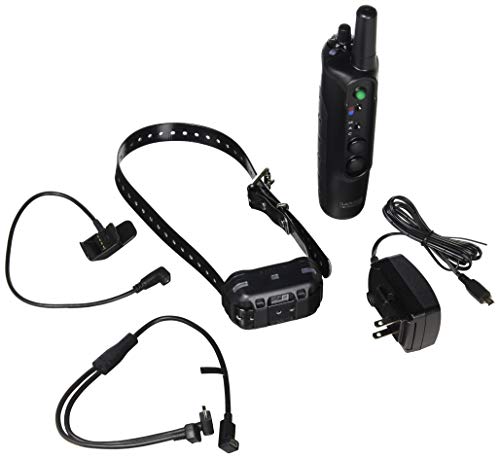
A dog training collar can make a real difference for reinforcing commands and keeping an off-leash dog responsive at a distance.
A dog training collar can make a real difference for reinforcing commands, correcting unwanted behavior, and keeping an off-leash dog responsive at a distance, when it's used correctly and paired with proper training technique. Here is what to look for and our top picks for dog training collars for 2026.

![Dogtra 280X E-Collar with Remote [New Edition] 10 lbs+, 1/2 Mile Range,...](https://images-na.ssl-images-amazon.com/images/I/51iM7b8iAPL.jpg)


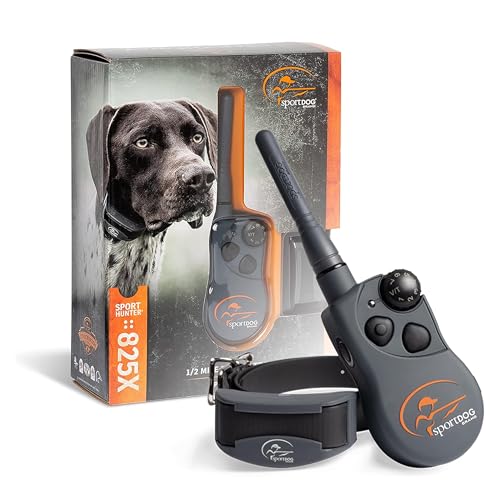
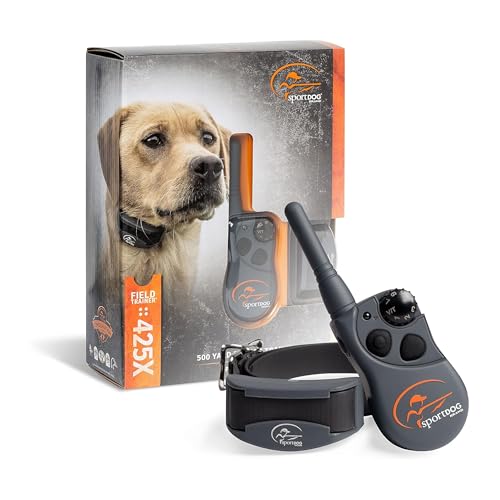

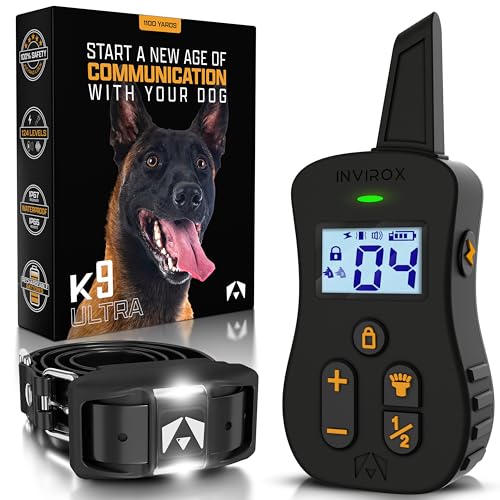
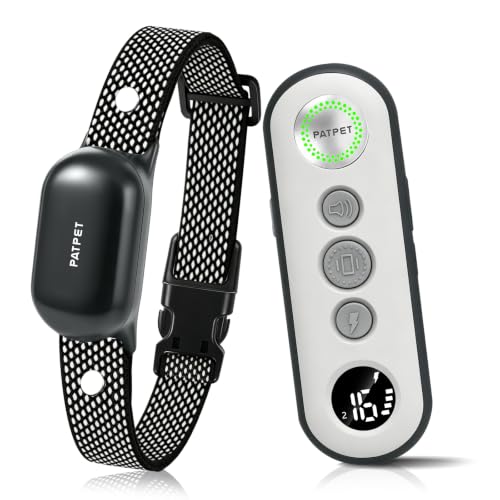

What to Look for in a Dog Training Collar
Range should match how you actually plan to use the collar. A budget collar with a few hundred feet of range is plenty for backyard training, while hunting, hiking, or serious off-leash work calls for collars rated at a half mile or more, since real-world range is often shorter than the advertised distance once terrain and obstacles are factored in.
Training modes vary between models, but the most useful collars offer multiple options, typically tone, vibration, and static stimulation, so you can start with the mildest correction that works for your dog rather than defaulting to the strongest setting.
Stimulation levels matter for fine-tuning corrections to your dog's temperament and sensitivity. Collars with more adjustable levels, sometimes ranging from single digits up to over 100, give you finer control than collars with just a handful of preset intensities.
Multi-dog support is worth checking if you have more than one dog. Some collar systems support pairing a single remote with two or more receiver collars, which is more convenient and often cheaper than buying entirely separate systems.
Waterproofing matters for any dog that swims, works in wet conditions, or simply gets caught in the rain. Look for a clearly stated waterproof rating rather than just "water resistant," since a collar that fails after getting wet is a common complaint with lower-quality models.
Battery life and charging affect how much you'll need to think about the collar day to day. Rechargeable lithium batteries that last several days to a couple of weeks per charge are standard on most modern collars, and a quick-charge feature is a helpful bonus if you tend to forget to charge devices ahead of time.
Fit and comfort deserve attention too, since a collar that's too tight or too loose can either irritate your dog's neck or fail to make reliable contact for stimulation and vibration to register properly. Most collars include adjustable straps, and it's worth periodically checking the fit as your dog grows or their coat thickness changes with the seasons.
Best Overall: Garmin Sport PRO Bundle
Garmin brings its GPS and outdoor tech expertise to dog training with the Sport PRO Bundle, which pairs a compact handheld with a rechargeable collar for one-handed training. It carries one of the largest review bases among premium training collars, reflecting how widely trusted the brand is among serious dog owners.
- Range: Long-range remote training system
- Modes: Tone, vibration, and adjustable stimulation
- Design: One-handed handheld transmitter
Pros:
- Trusted brand with a strong reputation for build quality
- One-handed handheld design is easy to operate during active training
- Large, consistently positive review base
Cons:
- Priced higher than most training collars on this list
Best for Precision Training: Educator ET-300 Mini
Educator's e-collar systems are popular with professional trainers, largely because of their fine-grained stimulation control. The ET-300 Mini offers a half-mile range in a compact receiver, and it holds by far the largest review base of any collar on this list, which speaks to how long it's been a trusted choice.
- Range: Up to 1/2 mile
- Modes: Tone, vibration, and finely adjustable stimulation
- Design: Waterproof, compact receiver
Pros:
- Exceptionally fine-grained stimulation control
- By far the largest review base on this list
- Trusted by professional trainers, not just casual owners
Cons:
- More expensive than basic budget collars aimed at casual use
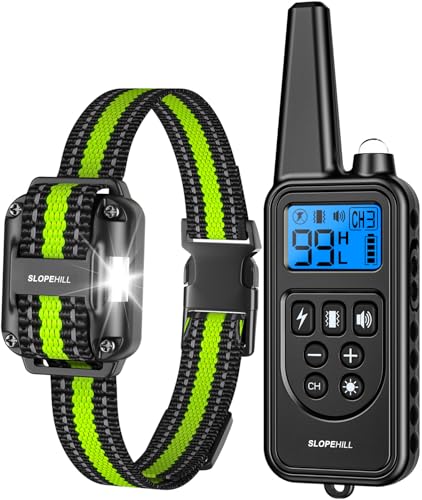
Best Budget: SLOPEHILL Dog Training Collar
SLOPEHILL proves you don't need to spend hundreds of dollars to get a functional training collar with real range. This model offers a claimed 4,200 feet of range and IP68 waterproofing at a fraction of the price of the premium picks above, and it has one of the largest review bases on this entire list.
- Range: Up to 4,200 feet (claimed)
- Modes: Beep, vibration, and static stimulation
- Waterproofing: IP68 rated
Pros:
- Very low price for a collar with this much claimed range
- Fully waterproof rating
- Massive review base for a budget-tier collar
Cons:
- Build quality and long-term durability trail the premium brands above
Using a Training Collar Responsibly
A training collar works best as one part of a broader positive reinforcement approach, not as a standalone fix for behavior problems. Start with the lowest stimulation or vibration setting that gets your dog's attention, pair corrections with clear verbal commands, and reward good behavior generously so your dog associates the training process with a positive outcome overall.
If you're new to e-collar training, it's worth spending time researching proper technique or working with a professional trainer before relying on the highest stimulation settings, since misuse can create anxiety or confusion rather than the intended learning effect. Pay close attention to your dog's body language during early sessions, signs like ears pinned back, tail tucked, or reluctance to move are worth taking seriously and usually mean the stimulation level needs to come down rather than up.
Frequently Asked Questions
Are shock collars safe for dogs?
When used correctly, at an appropriate stimulation level, modern training collars are generally considered safe by most trainers and veterinary behaviorists, though opinions vary and some trainers prefer positive-reinforcement-only methods. If you're unsure, starting with the mildest tone or vibration setting and consulting a professional trainer is a reasonable way to make an informed decision for your specific dog.
What size dog can use a training collar?
Most training collars list a minimum weight, often around 8 to 10 pounds, since very small dogs can be overly sensitive to stimulation levels designed for larger breeds. Always check the manufacturer's recommended weight range before buying, and use the lowest effective setting regardless of your dog's size.
How long does it take to train a dog with a training collar?
This varies widely depending on the dog, the behavior being addressed, and consistency of training, but most owners see noticeable progress within a few weeks of regular, consistent sessions. Short, frequent training sessions tend to work better than occasional long ones, since dogs generally learn best through repetition paired with immediate, consistent feedback.
Conclusion
For most dog owners who want a dependable, well-supported system, the Garmin Sport PRO Bundle combines trusted build quality with an easy one-handed design. Trainers who want the finest control over stimulation levels should look at the Educator ET-300 Mini, a longtime favorite among professionals. Anyone testing the waters with e-collar training on a smaller budget can still get real range and waterproofing from the SLOPEHILL collar without a big upfront investment.