13 Best Dog Igloos for 2026
Disclosure: We may earn a commission when you buy through links on this page, at no extra cost to you. As an Amazon Associate I earn from qualifying purchases. Learn more

A dog that spends real time outdoors needs somewhere to escape the sun, rain, and wind, and a bare patch of yard doesn't cut it. A good dog igloo gives your pet a genuinely weatherproof shelter of their own, whether that's a backyard fixture or a cozy spot during a supervised outdoor afternoon.
Here's what actually separates a genuinely protective dog igloo from one that leaks or blows over, followed by three standout picks and a full lineup of other strong options to compare.




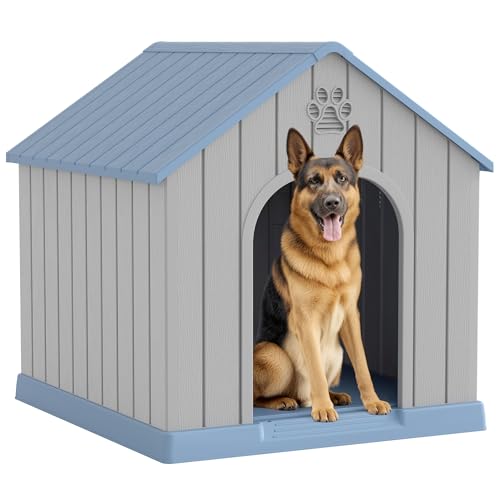
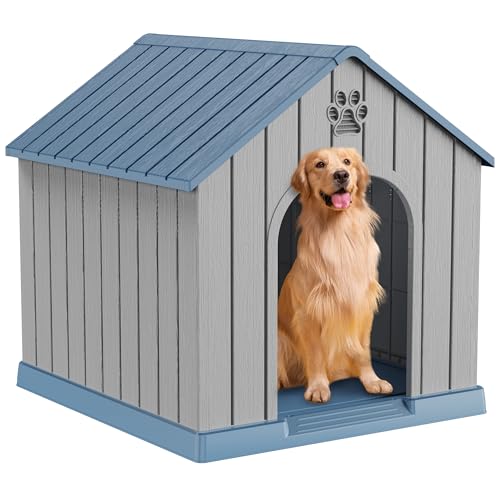

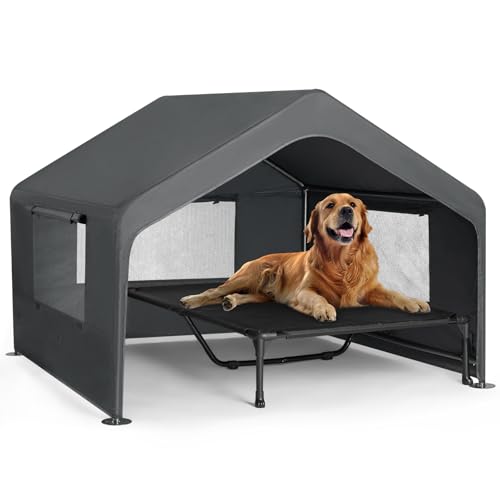
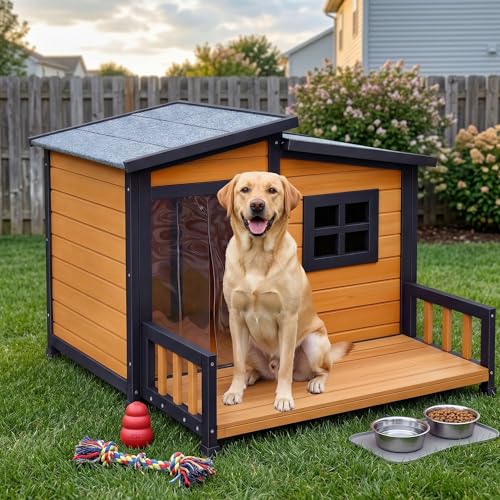
What to Look for in a Dog Igloo
Size relative to your dog matters more than bigger-is-always-better thinking suggests. A shelter sized close to your dog's body allows their own warmth to heat the interior efficiently, while an oversized house can actually feel colder in winter since there's more empty air to warm.
Insulation and material affect how well the shelter handles temperature extremes. Double-wall insulated plastic or foam-filled panels keep interior temperatures more stable than thin single-wall plastic, which matters most in climates with real winter cold or summer heat.
Raised floor design is a genuinely important detail, since it keeps your dog off cold or wet ground and helps drain any moisture that gets inside. A flush-to-ground design without elevation is far more prone to flooding during heavy rain.
Ventilation needs to balance airflow with weather protection. Look for a vented roof or upper vents that let fresh air circulate without creating a direct path for rain or wind to reach your dog inside.
Weather resistance features like a door flap, extended roof overhang, or weatherproof entrance curtain block wind and rain from blowing directly into the opening, which matters a lot more than shelter walls alone.
Assembly and durability vary quite a bit between brands. Snap-together plastic designs assemble in minutes without tools, while wood or reinforced iron-frame houses take more setup time but tend to hold up better to a determined chewer or rough weather over years of outdoor use.
Placement and drainage around the shelter matter almost as much as the shelter itself. Setting it on a slightly elevated or well-draining spot in the yard, rather than a low area where water pools, prevents flooding around the base even before considering the house's own raised floor.
Best Overall: Petmate Large Dog House, Indigo Igloo

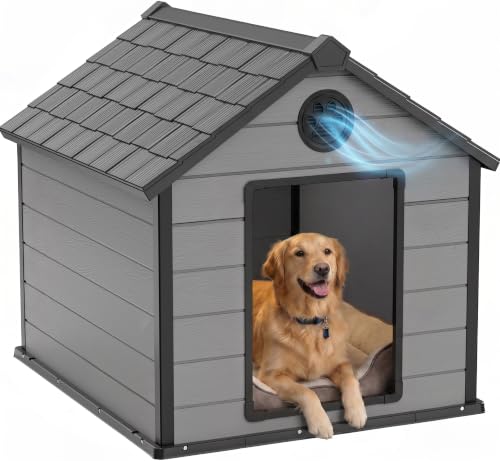
Petmate practically defined the modern dog igloo shape, and this large model backs up that reputation with genuine all-weather insulation, a raised floor for drainage, and a vented top for airflow. Made in the USA from 90% recycled materials, it's built for large breeds up to 90 pounds.
- Weight capacity: Dogs 50-90 lbs
- Material: Insulated recycled plastic
- Best for: Large dogs needing genuine year-round outdoor protection
Pros:
- Insulated design keeps dogs cooler in summer and warmer in winter
- Raised floor drains moisture instead of trapping it inside
- Patented stable design withstands harsh outdoor weather
Cons:
- Large size takes up meaningful yard space
- Higher price than basic plastic dog houses
Best Budget: Precision Pet Extreme Outback Log Cabin Dog House, Large

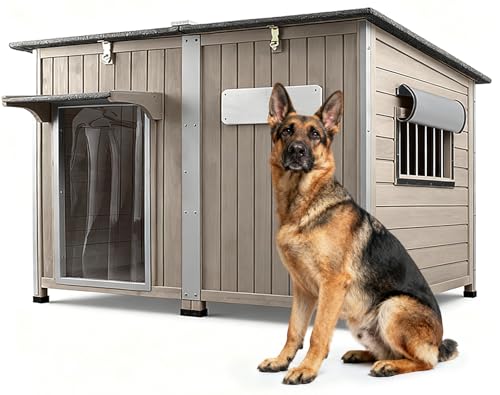
At around $210 with good customer reviews, this Precision Pet log cabin costs less than our top pick and proves budget doesn't mean flimsy. Solid wood, stainless-steel hardware, a sealed protective coating, a slanted asphalt roof and a raised floor keep large dogs dry, and it assembles in 3 steps.
- Size: Large, suits large dog breeds
- Assembly: 3-step assembly
- Best for: Large dogs and owners who prefer a wood cabin
Pros:
- Solid wood and stainless-steel hardware for long-lasting use
- Raised floor and slanted asphalt roof help keep the interior dry
- Simple 3-step assembly
Cons:
- A traditional cabin shape rather than a true igloo design
- Pricier than basic plastic shelters
Best Heated: GUTINNEEN Heated Dog House Outdoor
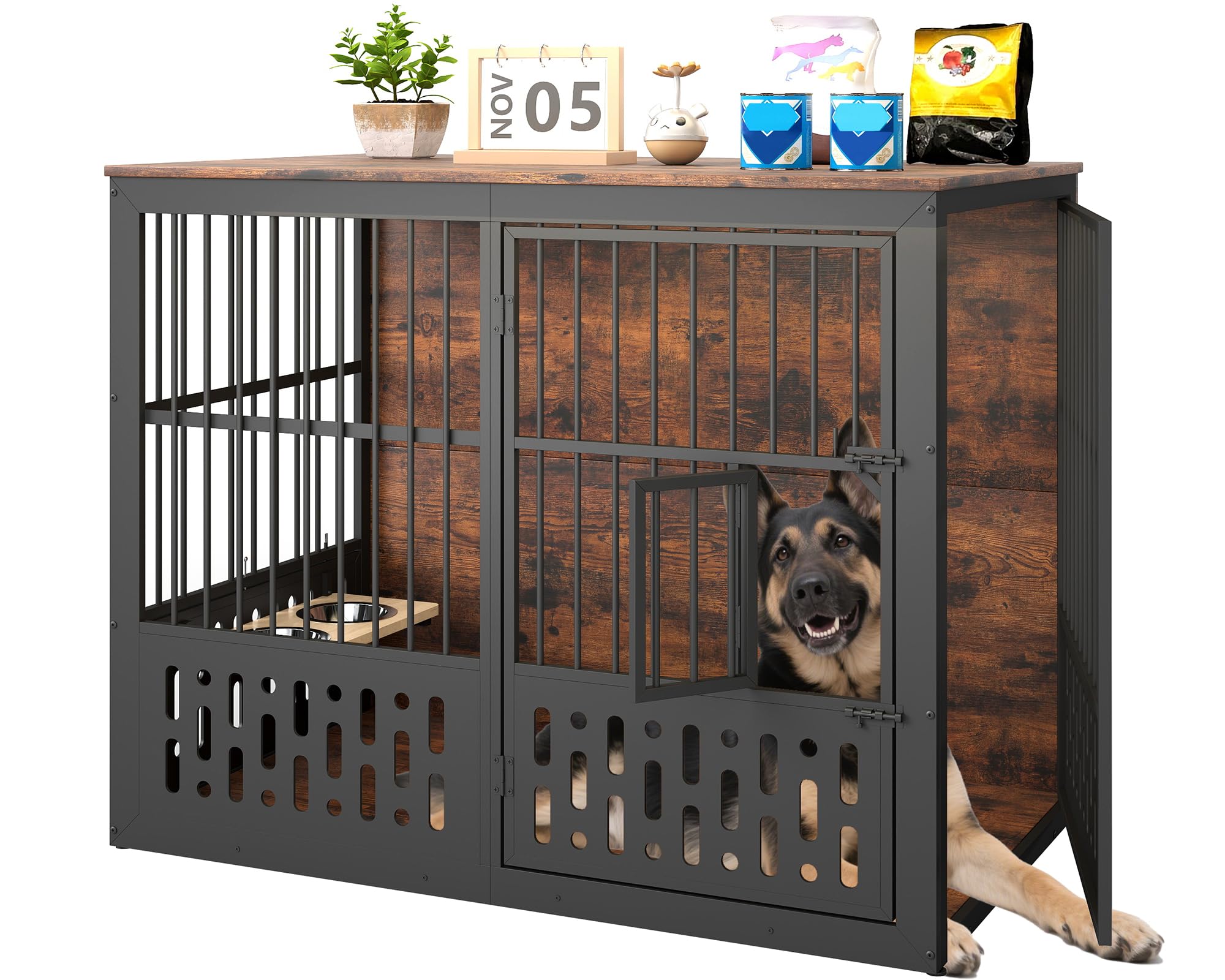
For genuinely cold climates, this shelter goes beyond passive insulation with a built-in adjustable heating pad that includes overheat protection for safety. A reinforced iron frame supports the roof and base, and rotating feeding bowls let you refill food and water without opening the main door.
- Heating: Adjustable heated pad with overheat protection
- Frame: Reinforced iron
- Best for: Cold-climate owners who want active, not just passive, warmth
Pros:
- Adjustable heating pad provides genuine warmth in cold weather
- Rotating bowls add everyday convenience without opening the door
- Reinforced iron frame adds structural durability
Cons:
- Requires access to an electrical outlet for the heating pad
- More expensive than unheated shelters of similar size
Plastic vs. Wood vs. Insulated Igloo: Which Material Fits Your Climate?
Plastic dog houses are lightweight, easy to hose clean, and resist rot, making them a practical choice for most climates and the easiest to assemble and move around the yard.
Wood dog houses have a more traditional look and can offer good natural insulation, but they need more maintenance over time to prevent rot, splintering, and weathering, especially in wet climates.
Purpose-built insulated igloos, whether plastic or foam-core, are worth the extra cost specifically for owners in regions with real winter cold or summer heat, since the insulation does meaningfully more work than material choice alone.
Color and finish are worth a passing thought too, since darker roofs absorb more heat in direct summer sun, which can make an uninsulated dark-colored house noticeably warmer inside during hot afternoons than a lighter-colored equivalent.
Frequently Asked Questions
What size dog igloo should I buy?
The shelter should be just large enough for your dog to stand, turn around, and lie down comfortably, without excess empty space. A too-large house makes it harder for your dog's body heat to keep the interior warm in cold weather.
Do dog igloos actually keep pets warm in winter?
A well-insulated, properly sized igloo with a wind-blocking entrance can meaningfully reduce cold exposure, but it isn't a substitute for bringing pets inside during extreme temperatures. Adding straw bedding (not blankets, which can retain moisture) further improves insulation in cold climates.
How do I keep a dog house from blowing over in wind?
Most dog houses can be anchored using stakes through built-in mounting holes, sandbags placed on the base, or by positioning the house against a fence or wall that blocks prevailing wind. Heavier insulated models are also naturally more wind-resistant than lightweight plastic shells.
How often should I clean a dog igloo?
A quick check for bedding buildup, debris, or moisture every week or two keeps the shelter comfortable and hygienic, with a more thorough hose-down or wipe-out roughly once a month. Plastic and resin models make this especially easy since they can generally be rinsed clean without damaging the material.
Conclusion
The Petmate Large Dog House is the best overall pick for most dogs, combining genuine insulation with a raised floor and proven durability. If you have a smaller pet and a tighter budget, the Aspen Pet shelter delivers real protection at an excellent price. And for owners in genuinely cold climates, the GUTINNEEN's active heating feature is worth the investment. Whichever you choose, a good dog igloo gives your pet a genuinely safe retreat from the elements.