Best Diffuser Oils: Our 2026 Checklist and Top 3 Picks
Disclosure: We may earn a commission when you buy through links on this page, at no extra cost to you. As an Amazon Associate I earn from qualifying purchases. Learn more

The best diffuser oils: our checklist plus Cliganic, Lagunamoon and Majestic Pure picks with safety tips.
A few drops of essential oil in a diffuser can make a room smell like a lavender field, a eucalyptus spa or a fresh citrus grove, with no candles or sprays. Diffuser oils are concentrated plant extracts, so quality, purity and safe use matter more than you might expect. Cheap fragrance oils can smell synthetic and leave residue, while good essential oils smell true and clean. This guide to the best diffuser oils walks through the checklist we use, then shares three picks that pass it.
We explain how we evaluate diffuser oils, share our top picks, give you a quick buyer checklist and red flags, cover setup and care and answer common questions. Every oil in the table above is sold new on Amazon US. Essential oils are concentrated: never swallow them, keep them away from children and pets, dilute before any skin use and ask a doctor before diffusing around infants, during pregnancy or if anyone has asthma. Some oils, including tea tree, eucalyptus and peppermint, can be harmful to cats and dogs; ask your veterinarian before diffusing around pets.





How We Evaluate Diffuser Oils
We judge diffuser oils on purity and labeling, scent quality, extraction method, packaging and shelf life, value and safety information. A good diffuser oil lists its botanical name and origin, comes in amber glass and smells clean and true to the plant. We compared maker descriptions, packaging and the overall pattern in owner feedback; we did not diffuse these oils ourselves.
Choosing among the best diffuser oils is mostly about trust and safety: you want to know what is in the bottle, where it came from and how to use it around the people and pets in your home.
Purity and Labeling
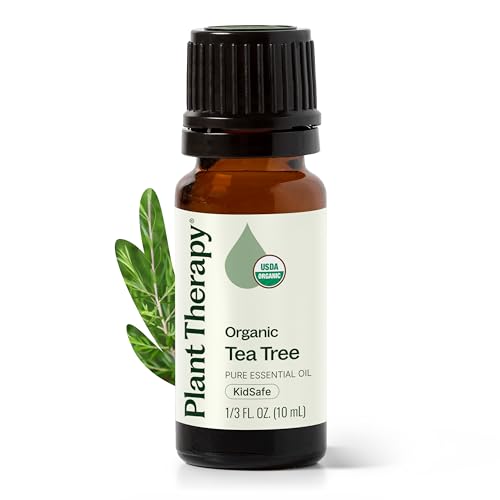
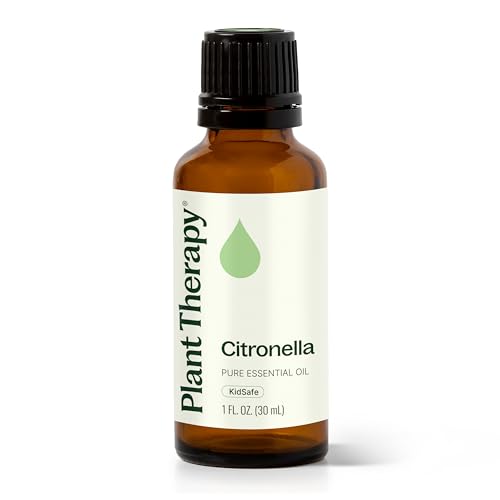
Look for oils labeled 100 percent pure essential oil with the plant's botanical name, like Melaleuca alternifolia for tea tree. Plant Therapy says its organic tea tree oil is steam distilled from Melaleuca alternifolia leaves and USDA Certified Organic, and it provides batch specific GC-MS reports. Handcraft Blends says it checks each oil with an independent lab for constituents and fillers.
Fragrance oils and blends labeled as "aromatherapy scents" may contain synthetic ingredients. They can smell pleasant but are not the same as essential oils.
Organic certification, like Plant Therapy's USDA Certified Organic tea tree, tells you how the plants were grown, while lab reports tell you what is actually in the bottle. Premium brands often provide both.
Scent Strength and Room Size
Diffuser oils differ in how strongly they scent a room. Citrus oils smell bright but fade quickly, while woody and herbal oils like eucalyptus and tea tree linger longer. Most ultrasonic diffusers need about 3 to 8 drops per 100 milliliters of water, depending on room size and oil strength.
Start with fewer drops and add more if needed; strong scents can cause headaches.
Popular diffuser scents include lavender for relaxing evenings, eucalyptus and peppermint for a fresh, clean feel, citrus oils like orange and lemon for an uplifting mood and tea tree for a clean, medicinal note. Blends, like Maple Holistics' Breathe blend of eucalyptus, peppermint, tea tree and mint, combine several scents in one bottle.
Extraction Method
Steam distillation and cold pressing are standard methods for quality essential oils. Lagunamoon says its oils are steam distilled and cold pressed without solvents like hexane. Citrus oils are usually cold pressed from peels, while lavender, eucalyptus and tea tree are steam distilled.
Absolutes and CO2 extracts, used for delicate flowers like jasmine and rose, cost more and are less common in budget sets. For everyday diffusing, steam distilled and cold pressed oils cover the most popular scents.
Packaging and Shelf Life
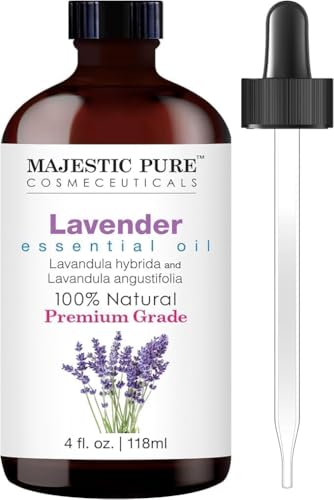
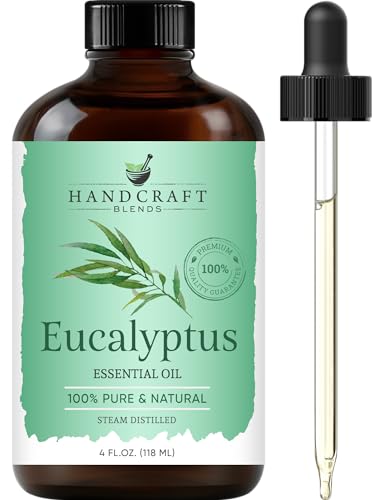
Amber or dark glass bottles protect oils from light, which breaks them down. Majestic Pure and Handcraft Blends use amber glass bottles with droppers. Lagunamoon says its FrostProtect bottle keeps oils stable for 24 plus months. Close caps tightly and store oils away from heat.
Oils that sit in direct sunlight or a hot car break down faster and may irritate skin when oxidized. Write the opening date on bottles and use citrus oils within about a year.
Value and Set Size
Sets offer variety, while large single bottles offer value for favorite scents. Lagunamoon's set includes six 10ml oils for around $10, Cliganic's organic set includes eight popular oils for around $23 and Majestic Pure and Handcraft Blends sell 4 ounce bottles for around $10, which last a long time in a diffuser.
A practical approach is to start with a set, note which scents you diffuse most and then buy those as large single bottles, like Majestic Pure lavender or Handcraft Blends eucalyptus, both around $10 for 4 ounces.
Gift sets also make easy presents for new homeowners and friends who enjoy self care routines.
Safety Information
Good brands include clear safety guidance on dilution, children, pregnancy and pets. Plant Therapy is known for publishing safety information and kid safe blends. Follow the label, and never diffuse continuously for hours; intermittent diffusing in a ventilated room is gentler.
Never use essential oils undiluted on skin, and keep oils away from eyes. If anyone develops headaches, coughing or irritation while diffusing, stop and ventilate the room. People with asthma or respiratory conditions should talk to a doctor first.
3 Picks That Pass Our Checklist
Our picks are the Cliganic Organic Essential Oils Set (Top 8) for most homes, the Lagunamoon Essential Oils Set of 6 for value and gifts and Majestic Pure Lavender Essential Oil as a single oil pick for people who want a large bottle of one favorite scent.
Best Overall: Cliganic Organic Essential Oils Set (Top 8)
The Cliganic Organic set suits households that want a variety of popular organic oils for their diffuser, at around $23. Cliganic markets the set as 100 percent pure organic essential oils covering eight of the most popular scents for home diffusers.
Two strengths stand out: organic oils for people who prefer certified products, and enough variety to blend scents for relaxation, freshness and focus. A set is an easy way to discover which scents you like before buying large bottles.
The limitation is small bottle sizes typical of sets, which run out faster for daily diffusing. Skip it if you already know your favorite scent and want a large bottle.

Best Value: Lagunamoon Essential Oils Set (6 Oils)
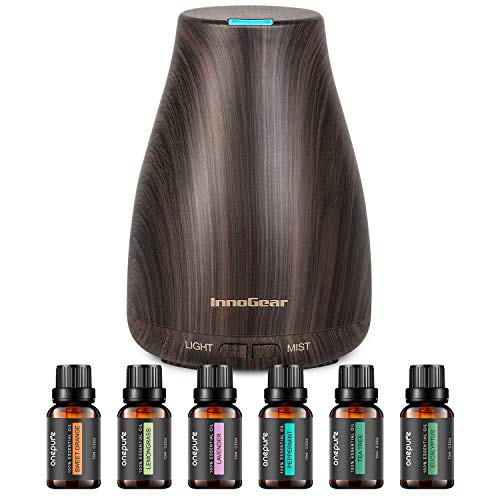
The Lagunamoon set is for budget shoppers and gift givers, at around $10 for six 10ml oils. Lagunamoon lists tea tree from Australia, eucalyptus from China, lavender from France, orange from Brazil and peppermint among its oils, steam distilled and cold pressed, in a gift box with FrostProtect bottles.
Its strengths are a very low price, popular scents and gift ready packaging, which is why it is one of the best known diffuser oil sets on Amazon. It suits new diffuser owners exploring scents.
The trade off is less detailed purity documentation than premium brands. Skip it if you want certified organic oils or batch reports.

Best Single Oil Pick: Majestic Pure Lavender Essential Oil (4 oz)
Majestic Pure Lavender suits people who love lavender and diffuse it often, at around $10 for a 4 ounce bottle. Majestic Pure lists a soft, floral lavender aroma for diffusers, DIY projects and home fragrance, an amber glass bottle with a dropper and suggested pairings with bergamot, cedarwood, lemon and more.
The appeal is a large bottle at a low cost per drop, ideal for nightly diffusing at bedtime and for making room sprays and candles.
The limitation is a single scent. Skip it if you want variety.

Quick Buyer Checklist
- Label: 100 percent pure essential oil with the botanical name.
- Bottle: amber or dark glass with a tight cap.
- Extraction: steam distilled or cold pressed.
- Documentation: lab or GC-MS reports for premium oils.
- Size: sets for variety, large bottles for favorites.
- Safety: clear guidance on kids, pregnancy and pets.
Write down the scents you like and how you plan to use them, such as bedtime, work focus or masking cooking odors, then match oils to those moments.
Red Flags to Watch For
Be wary of oils that list no botanical name or origin, come in clear plastic bottles or cost far less than similar oils, since they may be diluted or synthetic. "Fragrance oil" or "nature identical" labels indicate synthetic scents. Claims that oils cure diseases are misleading. Very strong, chemical smells or oily residue in your diffuser can signal additives.
Also be cautious with oils sold for ingestion or marketed with medical claims. Essential oils should not be swallowed without guidance from a qualified healthcare professional.
Setup and Care Tips
Fill your diffuser with water to the line, add a few drops of oil and run it for 30 to 60 minutes at a time in a ventilated room. Clean the diffuser weekly with water and a little white vinegar to remove oil buildup, and wipe the ultrasonic plate gently. Store oils upright in a cool, dark place out of reach of children and pets.
Use filtered or distilled water if your tap water is hard, which reduces mineral buildup on the diffuser plate. Empty and dry the diffuser between uses so stale water does not grow mold.
Diffuser Oils: Your Questions Answered
Do diffuser oils really work?
Diffuser oils reliably scent a room and many people find scents like lavender relaxing and peppermint refreshing. Health claims vary; enjoy oils for their aroma and talk to a doctor about health concerns rather than relying on oils as treatment.
Scent preferences are personal, so try a few oils before committing to large bottles.
How many drops should I use?
Most ultrasonic diffusers need about 3 to 8 drops per 100 milliliters of water. Start low and add more for larger rooms. Follow your diffuser's instructions.
Bedrooms and small offices often need only 3 to 4 drops, while living rooms may need 6 to 8. If you can smell the scent strongly from across the room, use less.
Are diffuser oils safe for pets?
Some essential oils can be harmful to pets, especially cats, including tea tree, eucalyptus, peppermint and citrus oils. Ask your veterinarian before diffusing, use a ventilated room and make sure pets can leave the area.
Birds are especially sensitive to airborne particles, so avoid diffusing in rooms with pet birds.
Where is the best place to put a diffuser?
Place the diffuser on a stable, water resistant surface at least a couple of feet off the floor, away from electronics and out of reach of children and pets. Keep it away from walls and furniture that mist can damage.
Running the diffuser near an open door or in a central spot spreads scent through more of the home.
How long do essential oils last?
Most essential oils last one to three years when stored tightly closed in dark glass away from heat. Citrus oils oxidize faster, often within a year. Replace oils that smell off.
Can I mix diffuser oils?
Yes, blending oils is part of the fun. Popular combinations include lavender with cedarwood for evenings, eucalyptus with peppermint for a fresh scent and orange with lavender for a balanced aroma. Start with two or three oils and a few drops total.
Keep notes on the blends you like so you can recreate them later.
Our Verdict
The best diffuser oils are pure, clearly labeled and used safely. The Cliganic Organic Top 8 set is our best overall pick for variety, the Lagunamoon set is an affordable gift and starter set and Majestic Pure Lavender offers a large bottle of a favorite scent. Diffuse in short sessions, keep oils away from kids and pets and ask a doctor or vet when in doubt.
For more home fragrance guides, see the best essential oil diffusers, the best scented candles, the best luxury candles and the best led flameless candles. Then compare current prices in the product table above.