Best AC Filters for Allergies: A Buying Guide for 2026
Disclosure: We may earn a commission when you buy through links on this page, at no extra cost to you. As an Amazon Associate I earn from qualifying purchases. Learn more

Pick the best AC filters for allergies by checking MERV rating, size, airflow, and replacement cost for your home system.
When dust, pollen, and pet hair build up indoors, the filter in your heating and cooling system is one of the first things worth checking. The best ac filters for allergies are not simply the filters with the highest rating on the box. They are the filters that fit your system correctly, capture the particles you want to reduce, and still let enough air flow through for comfort.
This guide explains filter ratings, filter types, sizing, and replacement costs in plain terms, so you can choose with confidence rather than guesswork. Use the product table to weigh rating against airflow and cost, and keep it in mind as you read the detailed buying advice.
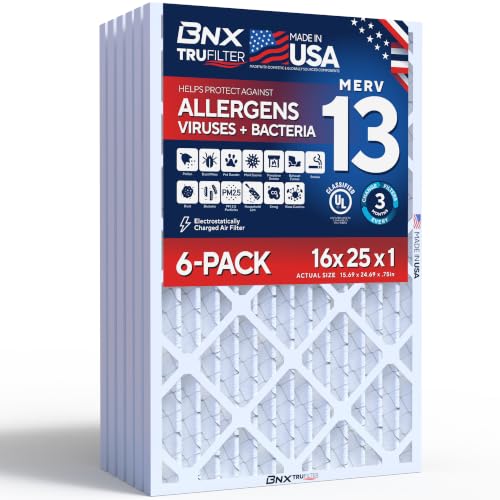


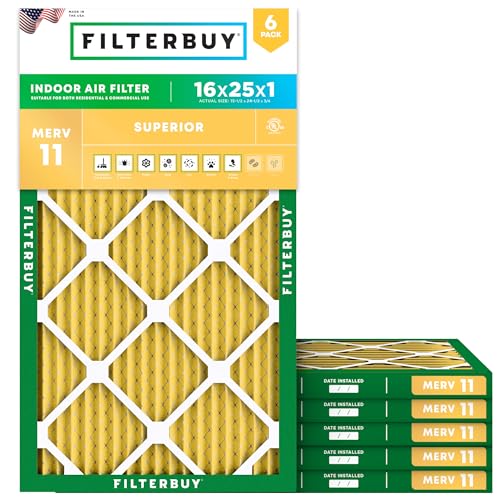
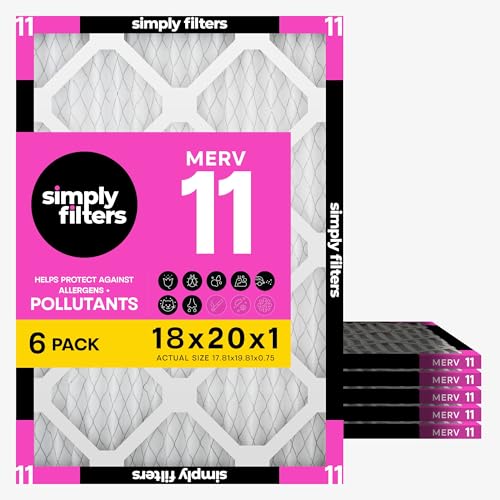
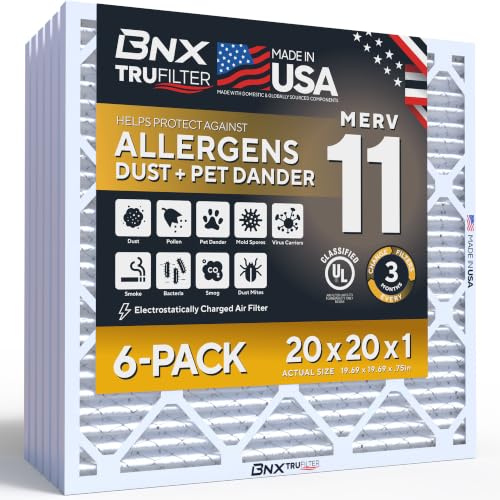

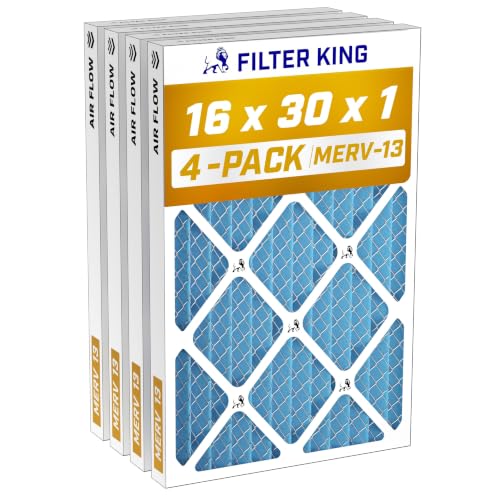


How to Choose the Best AC Filters for Allergies
Allergy needs change the way you should judge a filter. A filter that works well for general dust control may not be the best choice for a home with pets, pollen sensitivity, or a lot of indoor dust. The sections below cover the factors that matter most, and they show where a higher rating helps and where it can cause a new problem.
Features That Matter for Allergies
For allergy concerns, look first at the filter rating, the seal around the edges, and how often the filter will need changing. A higher rating can capture smaller particles, but it can also slow airflow if your system is not designed for it. A poor seal lets unfiltered air slip past the filter, which defeats the purpose of a better rating. Check the maker guidance for your system before choosing the highest rating available.
Intended Use and Who It Is For
Homes with pets, homes near busy roads, and homes where windows stay open in pollen season often need more frequent changes than homes with little indoor dust. If someone in the home has ongoing allergy symptoms, a filter change schedule matters as much as the filter itself, because a clogged filter captures less and strains the system. For rental homes or light use, a simpler filter changed on time may serve better than a premium filter left in place too long.
Price Versus Value
Basic filters often cost about $5 to $15 each, midrange filters often cost about $15 to $30 each, and premium pleated filters often cost about $25 to $50 each. Price alone does not tell you the yearly cost, because a cheaper filter that needs changing every month can cost more over a year than a longer lasting filter. Compare the price per change with the recommended change interval, and include any delivery cost if you buy in bulk.
Build Quality and Materials
Pleated filters usually offer more surface area than flat panel filters, which can help them capture particles while holding up better between changes. A sturdy frame keeps the filter flat in its slot, and a firm edge seal reduces bypass air. Electrostatic media can attract fine dust, but it still needs the right fit and a regular change schedule. Avoid filters with flimsy frames that bow or collapse in the slot.
Warranty and Customer Support
Most filters carry limited maker support rather than a long warranty, so support mainly means clear sizing, clear rating detail, and easy returns if the size is wrong. Buy from a seller that lists exact dimensions, including depth, and that states the rating in clear terms. Keep the packaging until you confirm the fit, because a filter that is even slightly too small can leave gaps around the edges.
Size, Weight, and Fit for Your Space
Filter size is not a preference, it is a requirement set by your system. Measure the existing filter slot, including length, width, and depth, and match the nominal size on the box to the actual size in inches. A filter that is too small lets air bypass it, while a filter that is too large may bend and leave gaps. If you are unsure, check the system manual or the label on the existing filter before ordering.
Types of AC Filters
Filter types differ in how they capture particles, how long they last, and how much they restrict airflow. The right type depends on your system, your dust load, and how often you are willing to change the filter. The picks in the table can help you compare the options side by side.
Budget Options
Budget filters are usually flat or lightly pleated panels that capture larger dust and lint at a low price. They suit light dust homes and short change intervals, and they tend to restrict airflow less than dense premium filters. Their limit is particle capture, since they let much fine dust pass through, so they are a weaker choice where allergy concerns are the main reason for buying.
Midrange Options
Midrange pleated filters offer a useful balance of particle capture, airflow, and price for many homes. They capture more fine dust than budget panels, and they often last one to three months depending on dust load and system use. For many allergy concerned households, this tier gives the best day to day value, provided the filter fits well and is changed on schedule.
Premium Options
Premium filters use denser pleated media to capture smaller particles, and they can help in homes with heavy dust, pets, or high pollen exposure. Their trade off is airflow, since a dense filter can strain a system that was not designed for it. Check maker guidance and watch for signs of strain, such as weak airflow from vents or longer heating and cooling cycles, and do not assume that the densest filter is always the best choice.
Tips to Get the Most From Your AC Filter
- Read the manual before first use so you know the correct size, depth, and change interval for your system.
- Inspect the filter slot regularly, and vacuum loose dust around the slot before fitting a new filter.
- Store spare filters in a dry place, flat and sealed, so they stay clean and keep their shape.
- Keep the receipt until the fit is confirmed, in case you need to return the wrong size.
- Set a change reminder based on dust load and season, rather than waiting until airflow feels weak.
- Check vent airflow after a change, and note any drop that could signal a poor fit or a filter that is too dense.
A best ac fan can help move air within a room, but it does not replace a correctly fitted system filter. Likewise, a best thermostat for ac can help you run the system on a steady schedule, which keeps air moving through the filter more evenly. For whole home allergen control, soft surfaces matter too, and a best rugs for allergies guide can help you judge washable, low pile options that are easier to keep clean.
AC Filters: Your Questions Answered
What features matter most in ac filters for allergies?
Rating, fit, and change interval matter most for allergy concerns. A rating that captures fine particles helps only if the filter seals well and is changed before it clogs. Airflow matters too, because a filter that is too dense for your system can reduce comfort and strain equipment. Start with a rating your system maker supports, confirm the exact size, and set a change schedule you can keep.
Are expensive ac filters worth it?
Expensive filters are worth it when your home has heavy dust or pet hair and your system can handle a denser filter without losing airflow. In that case, better capture and a longer useful life can justify the higher price per filter. For light dust homes, a midrange filter changed on time often gives similar day to day results at a lower yearly cost. Judge value by yearly cost and fit, not by price alone.
How long does an ac filter last?
Most home filters last one to three months, but the real interval depends on dust load, pets, system use, and season. Homes with pets or heavy pollen exposure may need monthly changes, while light use homes may stretch to three months. Check the filter monthly at first, and shorten the interval if it looks grey or clogged. A filter left in place too long captures less and can reduce airflow through the whole system.
How do I maintain an ac filter?
Maintenance is mostly inspection and timely replacement, since most home filters are not made to be washed. Check the filter monthly, note the date you fitted it, and keep spares on hand so a change is not delayed. Vacuum dust around the slot before fitting a new filter, and confirm that the new filter sits flat with no gaps at the edges. If your system uses a washable filter, follow the maker cleaning steps exactly and let it dry fully before refitting.
How much should I spend on an ac filter?
For a single filter, about $5 to $15 buys a basic panel, about $15 to $30 buys a solid pleated filter, and about $25 to $50 buys a premium pleated filter. Yearly cost depends on how often you change it, so multiply the single price by the number of changes per year. Buying a small multipack can lower the unit price, but only if the size and rating are right for your system. Do not stock up on a size you have not yet confirmed.
Our Verdict
Choose a filter that fits your system exactly, carries a rating your system maker supports, and fits a change schedule you will actually follow. A midrange pleated filter is a sound starting point for many homes, while a premium filter suits heavier dust loads if airflow stays strong. Keep the product table in view, compare yearly cost rather than single price, and treat a good seal and regular changes as the foundation of any allergy focused choice.
Remember that a filter can reduce airborne dust in your home, but it does not diagnose or treat allergies, and it does not replace medical care. Ask your doctor about persistent or worsening allergy symptoms, and follow the manufacturer's instructions when you fit or change a filter. The best ac filters for allergies are the ones that fit well, suit your system, and stay on a reliable change schedule.