
Best Dead Blow Hammers: A Complete Buying Guide
Disclosure: We may earn a commission when you buy through links on this page, at no extra cost to you. As an Amazon Associate I earn from qualifying purchases. Learn more

You line up a strike on a stubborn bearing, a bent bracket, or a seized wheel hub, and you know a claw hammer will either bounce off or leave a dent you'll have to explain later. That's the exact problem a dead blow hammer was built to solve. Finding the best dead blow hammers for your own shop starts with understanding how they work, because this tool looks like a simple rubber mallet but behaves nothing like one once you swing it. In this guide, you'll learn what makes the design different, how to size one to your actual work, what's inside the head, and where this tool earns its place next to the other hammers already in your kit.

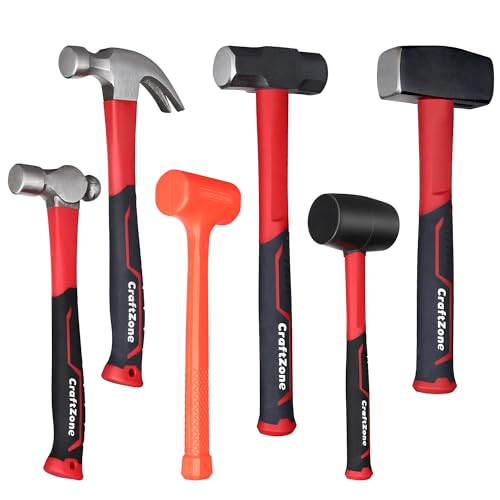
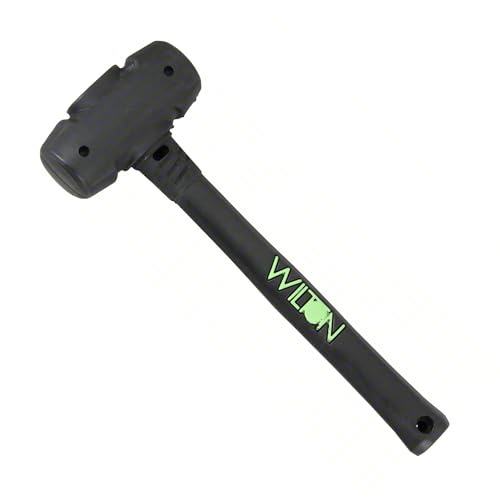
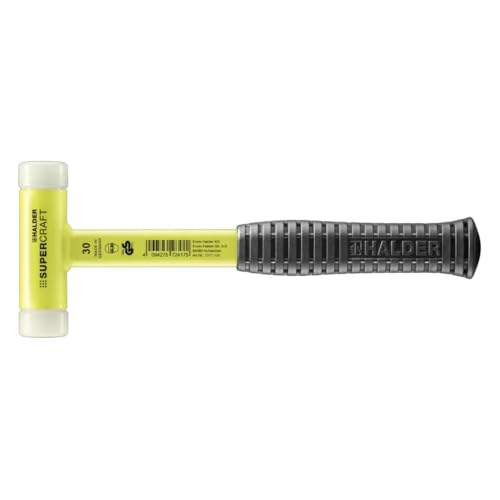
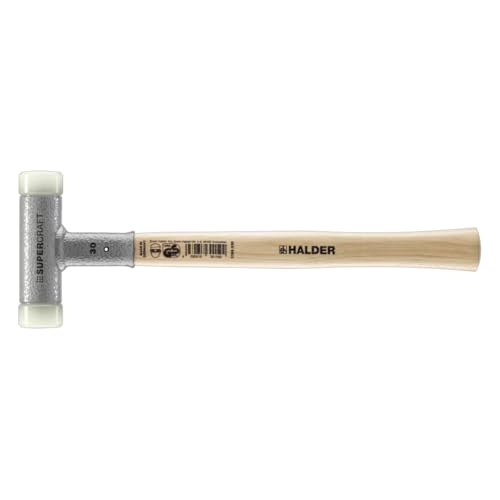
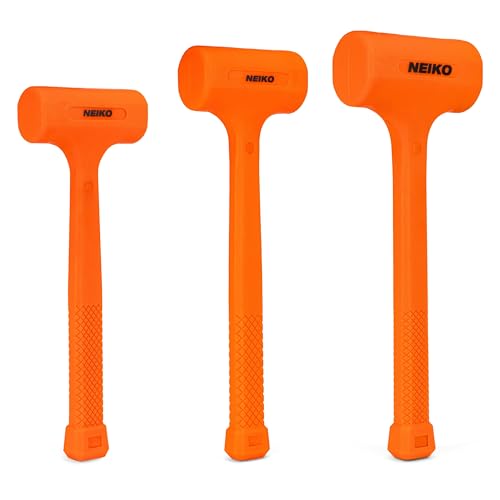
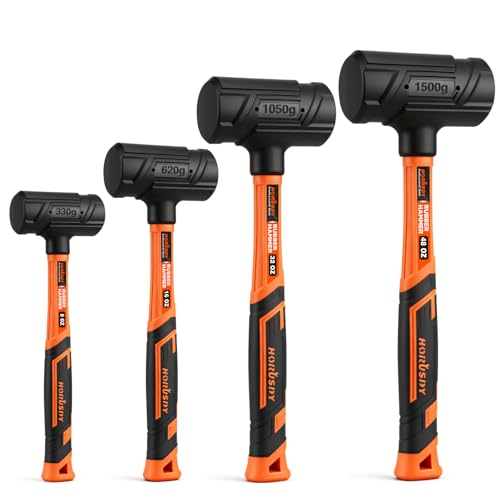
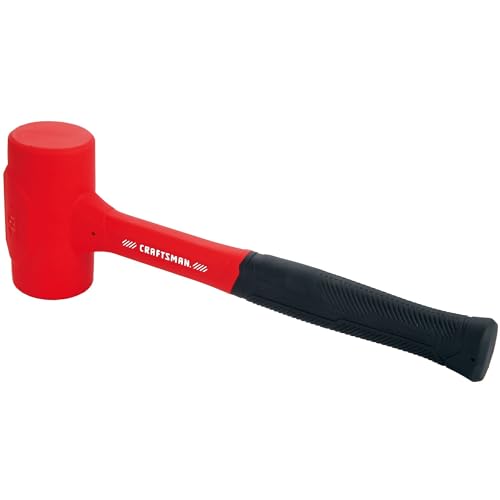
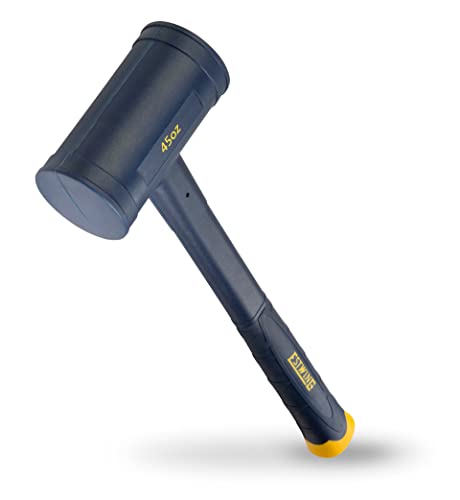
What Makes a Dead Blow Hammer Different From a Regular Hammer
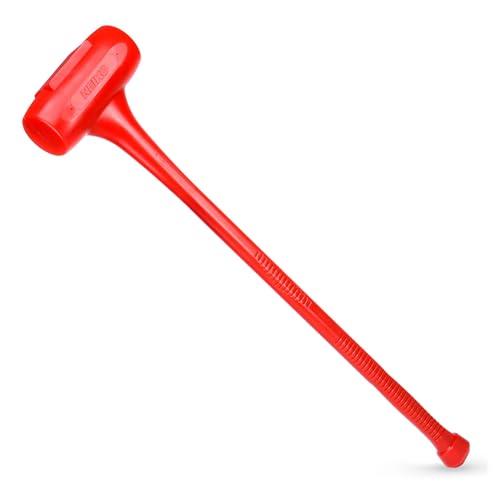
A dead blow hammer looks like an oversized rubber mallet, but the resemblance stops at the surface. Cut one open and you'll find a hollow polyurethane or rubber shell packed with loose sand or steel shot instead of a solid core. That loose fill is the entire point of the design, and it's why these tools show up on lists of the best dead blow hammers for automotive and fabrication work rather than general carpentry.
The No-Rebound Mechanism Explained
When a standard hammer strikes something, most of that energy bounces straight back into your hand and wrist, sometimes returning up to 70 percent of the force you put in. A dead blow hammer avoids that because the loose material inside the head keeps moving forward for a fraction of a second after the face makes contact. That follow-through spreads the energy over a longer window, kills the rebound, and puts nearly all the force into the work instead of back into your arm. The result is a strike that lands flat, with no bounce and no second unintended tap on delicate parts.
How It Compares to Other Hammers
It helps to see where this tool sits next to the hammers you probably already own. A ball peen hammer uses a solid steel head built for shaping metal, striking punches, and riveting, and it relies on rebound to do that work efficiently. A carpenter hammer is designed around driving and pulling nails, with a claw and a hardened face that would tear up a finished panel or plastic housing on contact. A drilling hammer is a compact sledge built to deliver maximum force into masonry, concrete, or a chisel, where marring the surface isn't a concern at all. A dead blow hammer trades that raw striking power for control and surface protection, which makes it the right tool specifically when you need force without damage or bounce, not a replacement for any of those three.
Choosing the Right Weight for the Job
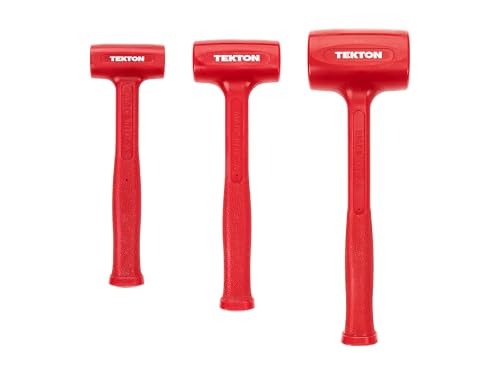
The single most common mistake buyers make is grabbing one hammer for every job, then being frustrated that it's either too light to move anything or too heavy to control in tight spaces. Matching weight to the task is usually what separates the best dead blow hammers in a shop from the one that just sits in a drawer, so it's the first spec worth sorting out before anything else.
Light Assembly and Delicate Work
For seating small components, tapping bushings into place, or general assembly where you're worried about marring a finish, a head in the 12 to 16 ounce range gives you enough force without overdoing it. This weight class is easy to control one-handed and reduces the risk of overdriving a part that only needed a light tap.
General Automotive and Shop Use
Most home mechanics and general shop users end up reaching for something in the 16 to 32 ounce range more than any other size. It has enough mass to break loose a stuck hub or realign a bracket, but it's still maneuverable in an engine bay or under a vehicle where swing room is limited.
Heavy Forming and Chassis Work
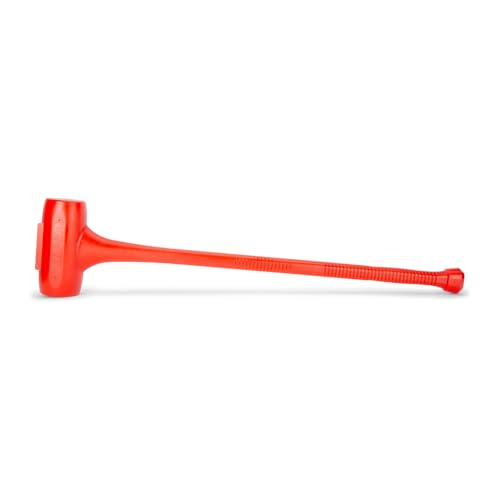
For chassis straightening, heavy sheet metal forming, or driving larger fasteners loose, a head weight in the 40 ounce and up range, including sledge-style dead blow hammers, gives you the mass to move stubborn material without swinging harder than necessary. If you're only buying one hammer and expect a mix of tasks, a mid-weight option around 24 to 32 ounces is the most practical compromise.
Sand-Filled vs Steel Shot: What's Inside the Head Matters
Open up two different dead blow hammers and you'll typically find one of two fill materials, and the choice affects both performance and how long the tool stays effective. Sand-filled heads were the original approach and are still common in budget models. Sand is cheap and works well when new, but the irregular shape of sand particles means they abrade against each other and the shell's interior with repeated use. Over time that wear can reduce how effectively the fill dampens rebound.
Steel shot, small round balls of metal, is the more common choice in mid-range and professional-grade tools today. The rounded shape creates less internal friction and holds up to repeated heavy strikes far longer than sand does, which is why steel shot fill tends to show up in the tools that actually hold their no-rebound feel after years of use. If you're buying a hammer you expect to reach for often, steel shot fill is worth the small price difference over a sand-filled equivalent.
Where This Hammer Actually Earns Its Keep
Automotive work is where dead blow hammers show up most often, and for good reason. Seating wheel hubs, freeing stuck brake rotors, installing bearings and bushings without damaging their races, and knocking a stubborn transmission housing apart are all jobs where a regular hammer risks cracking a casting or deforming a precision surface. The flat, non-marring face also makes it a good match for straightening dented sheet metal or panels during bodywork, where a steel-faced hammer would leave new damage while fixing the old.
Outside the garage, the same qualities carry over to flooring installation, where tapping planks or panels into place calls for force without leaving a mark, and to general assembly work involving plastic housings, machine guards, or any part that would crack under a harder strike. The common thread across every use case is the same: you need real force applied to something that can't afford to be dented, cracked, or marked in the process.
Handle Material and Grip
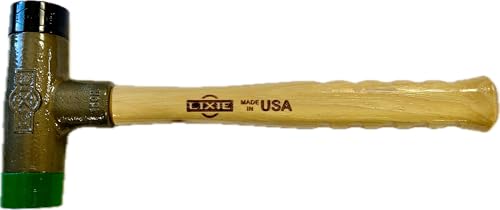
Most dead blow hammers use one of two handle approaches. Unibody molded handles, where the head and handle are one continuous piece of polyurethane or rubber, are the most common design and hold up well because there's no separate joint to loosen or break over time. The trade-off is that they don't absorb as much shock in your hand as a wood handle would during a long session of repeated strikes.
Hickory or fiberglass handles fitted into a separate head are less common on dead blow hammers but show up on some heavier, sledge-style models. Wood in particular does a noticeably better job of soaking up vibration during extended use, which matters if you're doing repetitive work like panel forming rather than the occasional strike. Whichever style you choose, look for a checkered or contoured grip section, since a smooth handle gets slippery fast once your hands pick up shop grease or sweat.
Frequently Asked Questions
What is a dead blow hammer used for?
It's used any time you need real striking force without damaging the surface or risking rebound, most commonly in automotive repair, bearing and bushing installation, sheet metal work, and general assembly involving delicate or finished parts.
Why is it called a "dead blow" hammer?
The name comes from how the strike behaves on impact. The loose fill inside the head absorbs the rebound energy, so the hammer lands flat against the surface without bouncing back, making the blow feel "dead" rather than springy.
What is the difference between a dead blow hammer and a rubber mallet?
A rubber mallet has a solid head, so it still rebounds noticeably on contact. A dead blow hammer's hollow, fill-loaded head largely eliminates that bounce, giving you more controlled force and less kickback for the same swing.
Is sand or steel shot better inside the head?
Steel shot generally holds up better over time because the rounded pellets create less internal friction than sand, so the hammer keeps its no-rebound performance longer. Sand-filled models tend to be cheaper but can lose effectiveness faster with heavy use.
What size dead blow hammer should I buy?
For most home shops, a 16 to 32 ounce head covers the widest range of tasks. Go lighter, around 12 to 16 ounces, for delicate assembly work, and heavier, 40 ounces or more, for chassis work or heavy forming.
Can you use a dead blow hammer on metal parts?
Yes, and it's one of the main reasons mechanics keep one on hand. The non-marring face lets you strike metal components like hubs, brackets, and housings with real force without denting or scarring the surface the way a steel-faced hammer would.
Do dead blow hammers lose effectiveness over time?
They can, particularly sand-filled models, since the fill material gradually wears down with repeated heavy impacts. Steel shot fill degrades more slowly, which is why it's the better choice for a hammer you plan to use often.
How is a dead blow hammer different from a ball peen hammer?
A ball peen hammer has a solid steel head meant for shaping metal, striking punches, and riveting, and it relies on rebound to work efficiently. A dead blow hammer trades that rebound for control and surface protection, making it the better pick when marring the material isn't an option.
Making the Right Call
The right dead blow hammer comes down to matching weight to your actual work, picking steel shot fill if you plan to use it often, and choosing a handle that stays comfortable over a long session. That combination of weight, fill, and handle is what separates the best dead blow hammers from the ones that end up back in the drawer, and getting those three details right gives you a tool that handles jobs a regular hammer simply can't touch without leaving a mark behind.